

TL;DR:
- Evidence-based therapies like acupuncture, yoga, and CBT offer modest symptom relief for chronic conditions.
- Safety considerations and proper screening are essential before starting any alternative treatment.
- Consistent practice over 4 to 12 weeks helps evaluate therapy effectiveness and adjust as needed.
Living with a chronic condition can feel like carrying a weight that never quite lifts. You follow your doctor's plan, take your medications, and still wake up most mornings dealing with the same pain, fatigue, or anxiety. You're not alone in that experience, and you're not out of options. Mind-body practices, acupuncture, and exercise show modest but meaningful effects for symptom management in chronic conditions. The key word is "evidence-based." This guide walks you through exactly how to find, evaluate, and apply alternative treatments that are grounded in science and safe for real life.
Table of Contents
- Understanding evidence-based alternative treatments
- Preparing for alternative therapy: Safety, risks, and prerequisites
- How to choose and implement evidence-based alternative treatments
- Troubleshooting and maximizing results: What to expect
- Why evidence-based alternatives matter more than ever
- Explore holistic solutions with expert guidance
- Frequently asked questions
Key Takeaways
| Point | Details |
|---|---|
| Evidence matters | Choose therapies supported by strong research and clinical guidelines for better safety and results. |
| Personalized approach | Match treatments to your unique symptoms and preferences for optimal benefit. |
| Monitor and adjust | Regularly track your progress and be open to changing strategies for the best outcome. |
| Modest but meaningful effects | Expect symptom management rather than cures, with some improvement as a realistic goal. |
Understanding evidence-based alternative treatments
Not all alternative therapies are created equal. Some are backed by decades of rigorous research. Others rely on tradition, testimonials, or wishful thinking. Knowing the difference is the foundation of smart, safe wellness.
An evidence-based treatment is one tested through controlled trials and reviewed systematically. The gold standard is a randomized controlled trial (RCT), where participants are randomly assigned to treatment or placebo groups. When multiple RCTs are pooled and analyzed together, that becomes a meta-analysis or systematic review, which carries even more weight. The Cochrane Collaboration uses a GRADE system to rate the certainty of evidence from very low to high, and this system helps both practitioners and patients understand how much confidence to place in a given therapy.
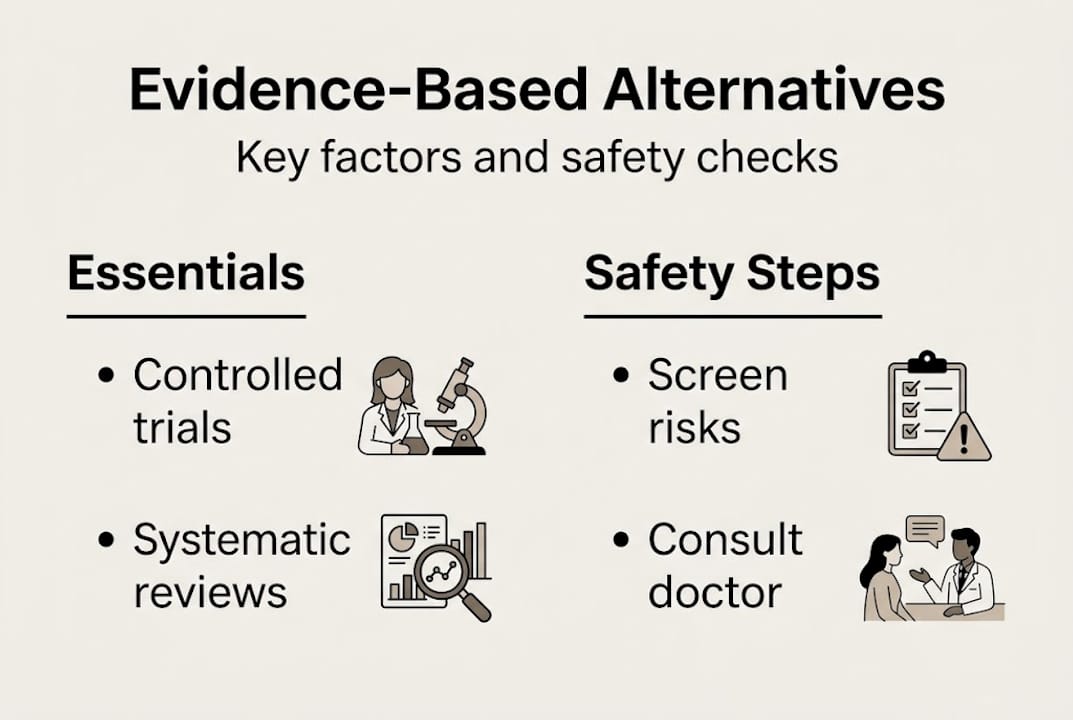
Why does this matter for you? Because evidence-based alternatives supported by systematic reviews and RCTs show modest short-term effects for chronic pain and mood symptoms, and knowing that upfront helps you set realistic expectations rather than chasing promises.
Several therapies consistently meet these benchmarks:
- Acupuncture: Strong evidence for chronic low back pain, neck pain, osteoarthritis, and headache.
- Yoga and tai chi: Shown to reduce pain, fatigue, and anxiety in multiple conditions.
- Mindfulness-based stress reduction (MBSR): Effective for anxiety, depression, and some pain conditions.
- Massage therapy: Supported for short-term relief of musculoskeletal pain.
- Cognitive behavioral therapy (CBT): One of the strongest evidence bases for chronic pain and mental health symptoms.
Exploring evidence-based wellness helps you sort through what the research actually says versus what feels popular. Understanding the role of alternative therapies in modern care gives you a clearer picture of where these treatments fit.
| Therapy | Evidence level | Best for |
|---|---|---|
| Acupuncture | Moderate to high | Chronic pain, headache |
| Yoga/tai chi | Moderate | Fatigue, anxiety, pain |
| MBSR | Moderate | Anxiety, depression |
| CBT | High | Chronic pain, mental health |
| Massage | Low to moderate | Musculoskeletal pain |
"The strongest evidence supports therapies tested across multiple populations with consistent, reproducible results, not single studies or anecdotal reports."
Preparing for alternative therapy: Safety, risks, and prerequisites
Once you know what qualifies as evidence-based, it's essential to consider safety and preparation before starting any new approach. Even well-researched therapies carry some risk for certain people.
Start by screening for contraindications. For example, acupuncture may not be suitable if you are on blood thinners or have a bleeding disorder. Massage therapy requires caution during certain cancer treatments. Yoga poses need modification for people with osteoporosis or joint instability. Pregnancy changes the picture for almost every modality.
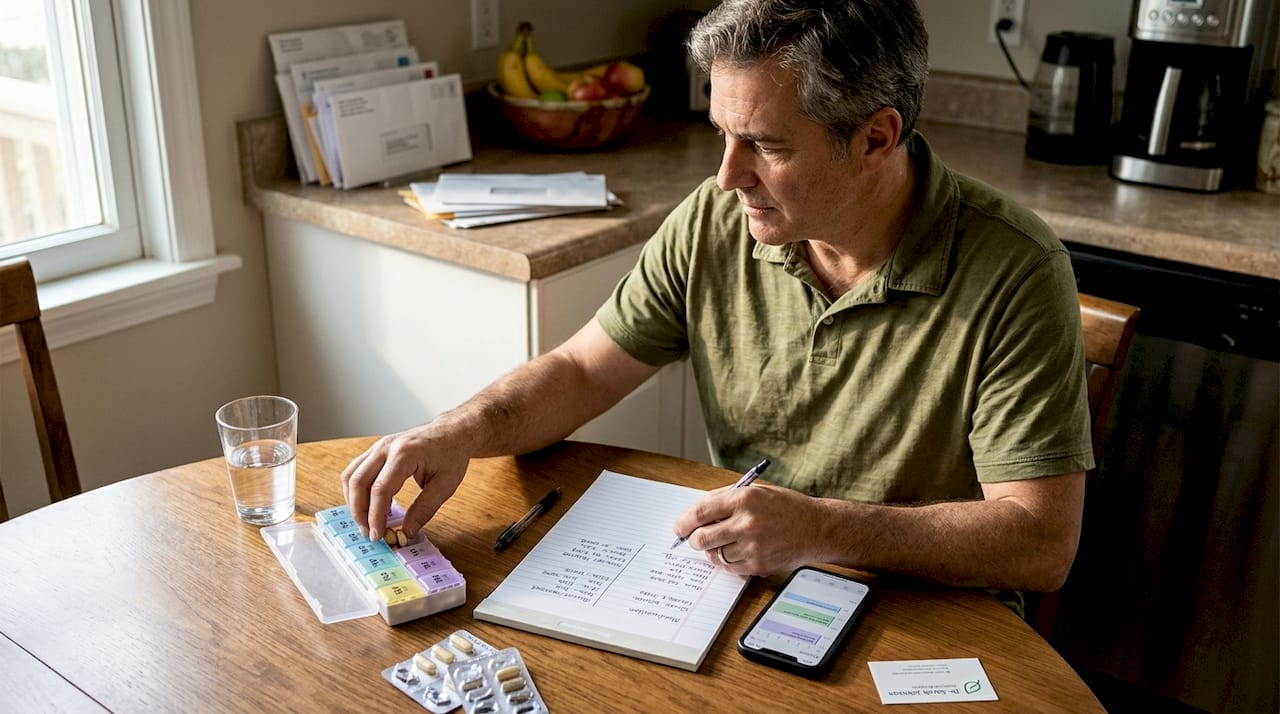
Monitoring for rare adverse events with acupuncture and other therapies, while always communicating with your provider, protects your safety throughout the process.
Here is a quick checklist before you begin:
- Tell your provider about all medications, supplements, and current conditions.
- Ask the practitioner about their credentials and specific training.
- Confirm whether your condition has any known contraindications for the therapy.
- Find out how many sessions are typically needed before expecting results.
- Discuss how this therapy will complement, not replace, existing treatments.
Learning about holistic methods for chronic health and reviewing wellness practices for natural health gives you a stronger starting point before your first session.
| Therapy | Key safety consideration | Who should use caution |
|---|---|---|
| Acupuncture | Infection, bleeding risk | Blood thinners, immune compromise |
| Yoga | Joint stress | Osteoporosis, recent surgery |
| Massage | Tissue sensitivity | Cancer treatment, blood clots |
| MBSR | Emotional processing | Severe trauma, active psychosis |
"Always treat a new therapy as a conversation, not a solo decision. Your care team's involvement improves both safety and outcomes."
Pro Tip: Bring a written list of all your current medications and diagnoses to your first consultation. Practitioners can only work with what you share, and full disclosure leads to better, safer recommendations.
How to choose and implement evidence-based alternative treatments
With safety in mind, you're ready to select and begin an evidence-based alternative treatment. Here's how to do it strategically.
Personalizing care by matching therapies to symptoms, phase of illness, and preferences delivers better outcomes than picking what sounds appealing or what a friend recommends. Your starting point is your own symptom picture.
Follow these steps:
- List your top three symptoms. Pain, fatigue, sleep disruption, anxiety, or brain fog each respond to different therapies.
- Match symptoms to evidence. Acupuncture for pain, MBSR for anxiety, yoga or tai chi for fatigue and mood.
- Check availability and access. A therapy you can consistently attend or practice at home beats a "better" option that's 90 minutes away.
- Set a realistic schedule. Most therapies require at least weekly sessions for 6 to 12 weeks to show meaningful results.
- Build in tracking. Use a simple journal or symptom app to log pain levels, mood, sleep, and energy weekly.
- Schedule a review. Plan to evaluate your progress at the 8-week mark and decide whether to continue, adjust, or explore other options.
Yoga, tai chi, and mindfulness are well-supported for cancer-related anxiety, depression, and fatigue, and exercise for pain, with individualized implementation delivering the best results.
Pro Tip: Start with one therapy, not three. Adding too many changes at once makes it impossible to know what's actually working. Mastery of one approach builds the confidence to layer others in over time.
Guiding your choices with personalized wellness guidance and understanding integrative health approaches helps you build a sustainable plan. You can also browse integrative wellness tips for practical day-to-day support.
Troubleshooting and maximizing results: What to expect
After starting your chosen therapy, knowing what to expect and how to monitor your progress is crucial for sustained wellness.
Here's the honest picture. Alternative therapies for chronic conditions typically deliver small to moderate improvements, not dramatic cures. That's not a failure. For someone managing persistent pain or anxiety, a 20 to 30 percent reduction in symptoms can meaningfully improve daily function, sleep quality, and mood.
Pilates shows the greatest pain reduction for low back pain, followed by tai chi and qigong, with yoga showing less effectiveness long-term. Knowing which modality fits your condition saves you time and frustration.
Common challenges and how to handle them:
- Plateauing: Progress stalls after initial gains. Try increasing session frequency, adjusting technique, or adding a complementary modality.
- Incomplete relief: This is normal. No single therapy eliminates chronic symptoms entirely. Focus on cumulative improvement.
- Placebo response: Feeling better early on is encouraging, but watch for sustained benefit beyond 4 to 6 weeks as a sign the therapy is genuinely working.
- Dropout temptation: Results take time. Missing sessions breaks momentum. Consistency is more important than perfection.
Psychological treatments reduce pain intensity and depression and anxiety post-injury, though effect sizes are small to moderate and may not last without ongoing practice.
| Timeline | What to expect |
|---|---|
| Weeks 1-3 | Adjustment, possible mild fatigue or soreness |
| Weeks 4-6 | Early symptom changes, mood or sleep shifts |
| Weeks 7-12 | Clearer picture of benefit or lack thereof |
| Beyond 12 weeks | Maintenance phase, reassess and adapt |
If you're exploring science-backed pain relief methods, combine them with lifestyle support for best results. Learning from Pilates for musculoskeletal recovery also offers practical guidance on form and progression.
"Progress in chronic care is rarely linear. The goal isn't perfection. It's a trend toward better function over months, not days."
Why evidence-based alternatives matter more than ever
Here's something the wellness world rarely admits: the alternative health space is full of unproven options that can delay real care, drain your finances, and, in some cases, cause harm. The appeal of a natural "cure" is understandable, especially when conventional medicine hasn't resolved your symptoms. But chasing cures, rather than building resilience, often leads to burnout and disappointment.
We believe the smarter path is to work with what the research actually supports. Benefits are often modest and best used alongside conventional care, with the focus placed on resilience and overall well-being rather than elimination of disease. That framing is not a consolation prize. It's a practical, whole-person approach that builds on itself over time.
Layering acupuncture, movement, and mindfulness within a coherent plan is far more sustainable than cycling through unverified treatments. Modest gains compound. A 20 percent reduction in pain plus improved sleep plus reduced anxiety adds up to a life that feels meaningfully different. Understanding the reach and limits of alternative therapies for wellness helps you stay grounded and focused on what actually moves the needle.
Explore holistic solutions with expert guidance
You've done the research. Now it's time to take that next step with confidence. Finding the right practitioner matters as much as choosing the right therapy, and that's where having a trusted resource makes all the difference.
At Go Holistic, we connect you with verified, licensed practitioners across acupuncture, massage, Ayurveda, mindfulness, and more. Browse our full library of holistic health treatments to find options matched to your symptoms and goals. Ready to take action? Find holistic practitioners near you and book directly through the platform. Your path to better wellness doesn't have to be complicated. We're here to help you take it one informed step at a time.
Frequently asked questions
What are the most effective evidence-based alternative treatments for chronic pain?
Acupuncture, Pilates, tai chi, and psychological therapies offer modest but meaningful pain relief for chronic conditions. The best choice depends on your specific diagnosis and personal preferences.
Is it safe to combine alternative treatments with conventional medicine?
Most alternative therapies are safe as adjuncts to conventional care, but always consult your provider first, especially if you take medications or have a complex diagnosis.
How long should I try an alternative therapy before assessing effectiveness?
Plan to assess effect after 4 to 12 weeks; some benefit should be visible in that window. If you see no meaningful change, discuss adjusting your plan with your provider.
What if my symptoms do not improve with evidence-based alternatives?
If no relief follows consistent use, it's time to revisit your approach with your healthcare provider. Other therapies or a combination plan may be a better fit for your condition.
Recommended
- What evidence-based wellness means for holistic health
- Top evidence-based wellness practices for natural health
- Role of alternative therapies in 2026 for wellness
- Evidence-based holistic methods for chronic health
- Herbal teas for menopause: evidence and top options – Caribella
- Lymphatic support explained: natural remedies and evidence – Gutted.