

Many people still believe alternative therapies lack scientific credibility, but that perception is outdated in 2026. Modern holistic wellness has evolved significantly, with alternative therapies now backed by robust clinical evidence and increasingly integrated into mainstream healthcare. This guide explores how evidence-based alternative therapies work today, which treatments offer proven benefits, and how you can safely incorporate them into your personalized wellness plan. Whether you're seeking non-invasive solutions for chronic conditions or preventive care strategies, understanding the current landscape of alternative medicine empowers you to make informed decisions about your health journey.
Table of Contents
- Understanding Alternative Therapies In 2026: Definitions And Scope
- Scientific Evidence And Mainstream Integration Of Alternative Therapies In 2026
- Comparison Of Popular Alternative Therapies: Benefits, Evidence, And Use Cases In 2026
- Practical Guide To Incorporating Alternative Therapies Safely In Your 2026 Wellness Plan
- Explore Holistic Treatments And Providers With Go Holistic
- Frequently Asked Questions
Key takeaways
| Point | Details |
|---|---|
| Scientific validation | Alternative therapies in 2026 are supported by clinical trials demonstrating safety and effectiveness for various health conditions. |
| Mainstream integration | Healthcare providers increasingly combine conventional treatments with evidence-based holistic approaches for comprehensive patient care. |
| Personalized wellness | Individuals can access tailored therapy recommendations based on their specific health goals and conditions. |
| Prevention focus | Modern alternative therapies emphasize longevity, disease prevention, and overall wellness rather than just symptom management. |
Understanding alternative therapies in 2026: definitions and scope
Alternative therapies encompass a diverse range of non-invasive health practices that work alongside or complement conventional medical treatments. Unlike traditional Western medicine, which often focuses on treating symptoms with pharmaceuticals or surgery, alternative approaches address root causes and promote the body's natural healing mechanisms. In 2026, the term "alternative" has become somewhat misleading, as many of these therapies are now mainstream components of integrative healthcare systems.
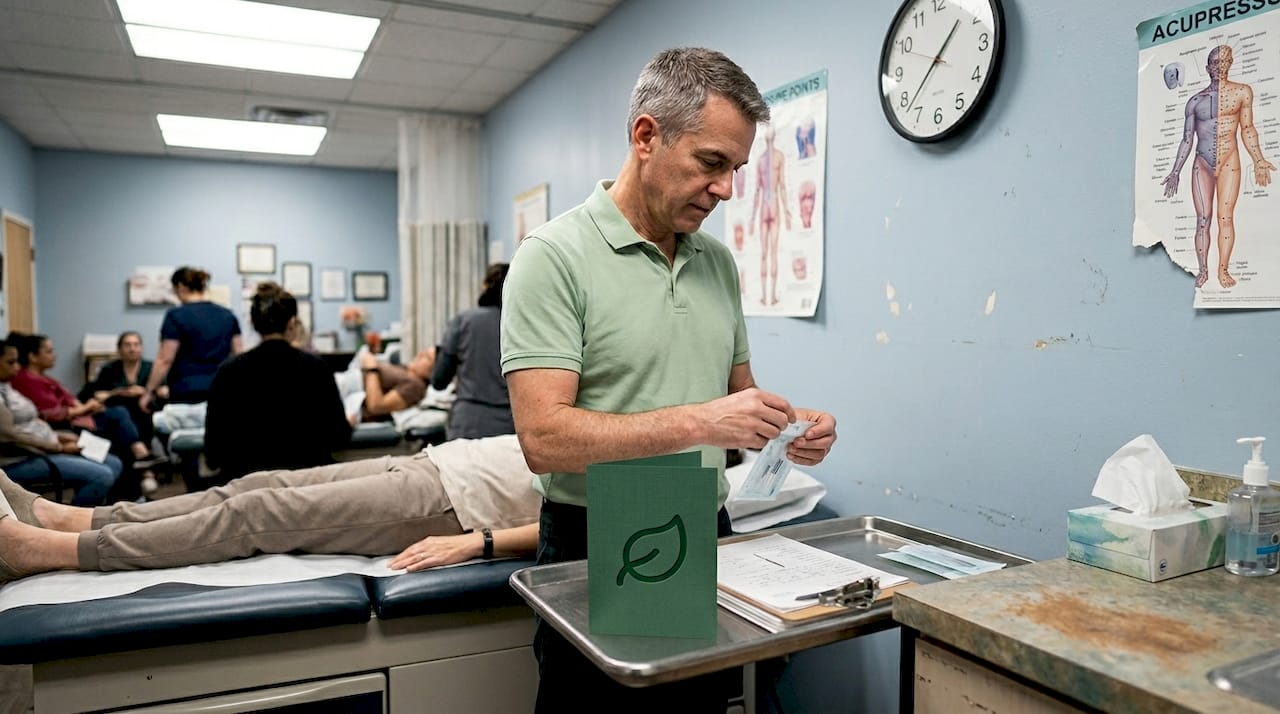
The scope of alternative therapies includes modalities like acupuncture, herbal medicine, and near-infrared therapy with strong evidence bases. These treatments share common principles: they're generally non-invasive, emphasize prevention, and consider the whole person rather than isolated symptoms. Evidence-based practices within alternative medicine undergo rigorous testing through randomized controlled trials and peer-reviewed research, distinguishing them from unproven or pseudoscientific claims.
Common alternative therapies used in 2026 include:
- Acupuncture for pain management and stress reduction
- Herbal medicine utilizing plant-based compounds for various conditions
- Near-infrared therapy for cellular health and tissue repair
- Massage therapy for musculoskeletal issues and relaxation
- Meditation and mindfulness for mental health support
- Chiropractic care for spinal alignment and nervous system function
- Ayurvedic medicine incorporating diet, herbs, and lifestyle practices
- Sauna therapy for cardiovascular health and detoxification
These therapies complement invasive medical treatments by reducing side effects, enhancing recovery, and improving quality of life. For example, acupuncture helps manage chemotherapy-related nausea, while herbal supplements support immune function during conventional treatments. The holistic health treatments available today reflect decades of research validating their mechanisms and outcomes. Rather than replacing surgery or emergency medicine, alternative approaches fill gaps in preventive care, chronic disease management, and wellness optimization.
The distinction between "alternative" and "complementary" has blurred considerably. Many practitioners now use the term "integrative medicine" to describe the strategic combination of conventional and alternative approaches. This evolution reflects growing recognition that different healing modalities serve different purposes, and the most effective healthcare plans draw from multiple traditions. As you explore options on the wellness blog, you'll notice this integrative perspective throughout modern holistic practice.
Scientific evidence and mainstream integration of alternative therapies in 2026
The scientific validation of alternative therapies has accelerated dramatically over the past decade. Researchers have conducted thousands of studies examining mechanisms, safety profiles, and clinical outcomes for various holistic treatments. Clinical trials and studies support efficacy for therapies like herbal medicine and near-infrared treatments in 2026, with many showing comparable or superior results to conventional interventions for specific conditions.
Major medical institutions now incorporate alternative therapies into standard care protocols. Cancer centers offer acupuncture and meditation programs, pain clinics utilize chiropractic care and herbal supplements, and cardiovascular programs include sauna therapy and stress reduction techniques. This integration reflects research highlighting improved patient outcomes with integrative treatment plans that address physical, emotional, and lifestyle factors simultaneously.
| Therapy | Condition studied | Evidence level | Key findings | | --- | --- | --- | | Acupuncture | Chronic pain | High | Reduces pain intensity by 30-50% compared to standard care alone | | Herbal medicine | Anxiety disorders | Moderate to high | Certain herbs show efficacy comparable to pharmaceutical anxiolytics with fewer side effects | | Near-infrared therapy | Tissue healing | Moderate | Accelerates wound healing and reduces inflammation markers | | Sauna therapy | Cardiovascular health | High | Regular use associated with 40-60% reduced risk of cardiovascular events | | Meditation | Depression | High | Mindfulness-based interventions reduce relapse rates by 43% |
Pro Tip: When evaluating evidence for alternative therapies, look for peer-reviewed studies published in reputable medical journals, systematic reviews that analyze multiple studies, and treatment guidelines from professional medical organizations. Avoid relying on testimonials, marketing claims, or single case reports.
The shift toward patient-centered care models has accelerated mainstream acceptance of holistic options. Rather than dictating treatment plans, modern healthcare providers collaborate with patients to design approaches that align with individual values, preferences, and goals. This model recognizes that healing involves more than just biological interventions. It requires addressing psychological stress, social support, lifestyle habits, and spiritual well-being.
Insurance coverage for alternative therapies has expanded significantly, reflecting their proven cost-effectiveness. Many plans now cover acupuncture for pain management, chiropractic care for musculoskeletal conditions, and meditation programs for mental health support. This financial accessibility has removed barriers that previously limited holistic care to those who could pay out of pocket. When you search for holistic health providers, you'll find many who accept insurance or offer sliding-scale fees.
Medical education has also evolved to include training in integrative approaches. Physicians, nurses, and allied health professionals learn about evidence-based alternative therapies during their formal education and continuing professional development. This knowledge enables them to make informed referrals, recognize potential interactions, and support patients who choose holistic treatments as part of their care plans.
Comparison of popular alternative therapies: benefits, evidence, and use cases in 2026
Understanding which alternative therapy suits your specific needs requires comparing their distinct benefits, evidence bases, and practical applications. Each modality offers unique advantages for different health conditions and wellness goals. The following comparison helps you navigate options and make informed choices about which therapies to explore.
| Therapy | Primary benefits | Scientific evidence | Typical use cases |
|---|---|---|---|
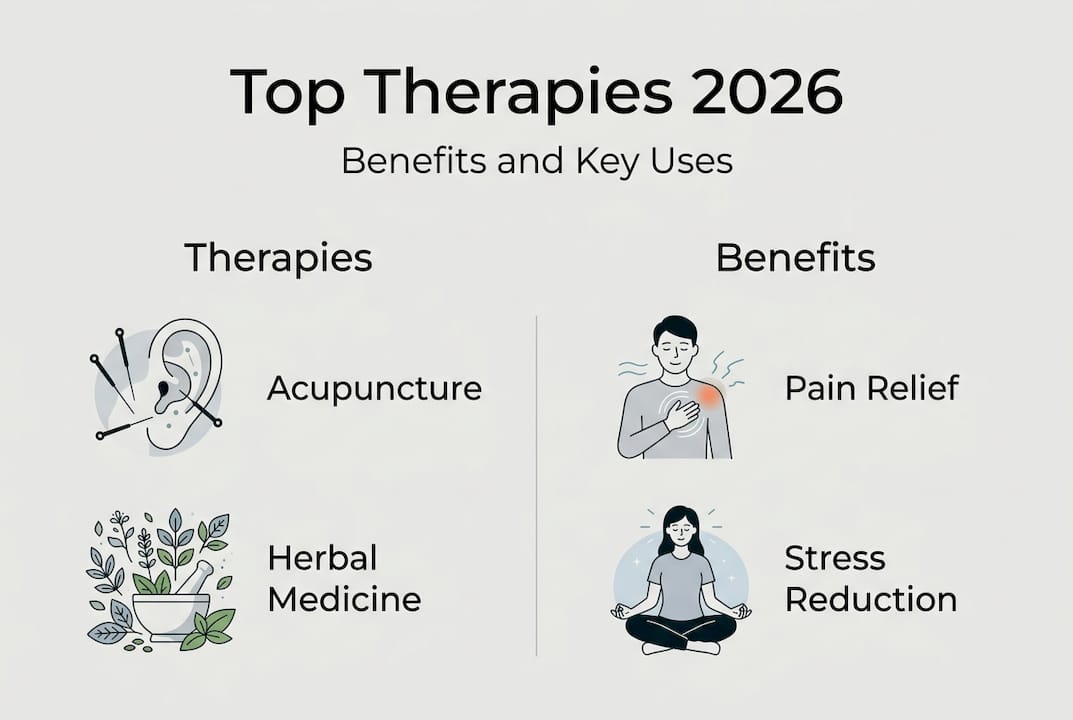
| Acupuncture | Pain relief, stress reduction, improved circulation | Strong evidence from numerous RCTs | Chronic pain, migraines, anxiety, fertility support |
| Herbal medicine | Immune support, hormonal balance, inflammation reduction | Moderate to strong for specific herbs | Digestive issues, sleep disorders, menopausal symptoms |
| Near-infrared therapy | Cellular repair, enhanced recovery, skin health | Growing evidence base | Wound healing, athletic recovery, anti-aging |
| Sauna therapy | Cardiovascular health, detoxification, longevity | Strong epidemiological evidence | Heart disease prevention, stress management, muscle recovery |
| Massage therapy | Muscle tension relief, lymphatic drainage, relaxation | Strong evidence for specific conditions | Sports injuries, chronic pain, stress-related disorders |
| Meditation | Mental clarity, emotional regulation, stress resilience | Extensive neurological research | Anxiety, depression, PTSD, chronic stress |
Herbal wellness routines and sauna therapies show strong preventive health benefits backed by recent studies. Sauna use is linked to improved longevity and cardiovascular health, with regular sessions reducing mortality risk significantly. These findings have elevated sauna therapy from a luxury wellness practice to a recognized preventive health intervention.
Key considerations for each therapy:
- Acupuncture: Requires licensed practitioner, typically involves weekly sessions initially, minimal side effects, not suitable for those with bleeding disorders
- Herbal medicine: Quality varies significantly between products, potential drug interactions require professional guidance, effects may take weeks to manifest
- Near-infrared therapy: Can be done at home with proper equipment, requires consistent use for results, generally safe with few contraindications
- Sauna therapy: Accessible through gyms or home units, contraindicated for certain cardiovascular conditions, requires gradual adaptation
- Massage therapy: Wide range of techniques available, find practitioners specializing in your specific needs, frequency depends on condition severity
- Meditation: Free and accessible, requires practice to develop skill, various styles suit different personalities and goals
Matching therapies to your wellness goals involves assessing your current health status, specific concerns, lifestyle constraints, and personal preferences. For chronic pain management, acupuncture and massage therapy offer immediate relief while addressing underlying issues. For preventive health and longevity, sauna therapy and meditation provide systemic benefits with minimal time investment. For acute conditions like injuries, near-infrared therapy accelerates healing when combined with appropriate rest and rehabilitation.
Consult healthcare providers before starting treatments, especially if you have chronic conditions, take medications, or are pregnant. Professional guidance from holistic health practitioners ensures safe integration of alternative therapies with your existing care plan. They can identify potential interactions, adjust dosages, and monitor your progress to optimize outcomes.
Practical guide to incorporating alternative therapies safely in your 2026 wellness plan
Successfully integrating alternative therapies into your wellness routine requires a systematic approach that prioritizes safety, evidence, and personalization. Following these steps ensures you maximize benefits while minimizing risks and wasted resources on ineffective treatments.
- Assess your current health status and wellness goals by documenting symptoms, existing conditions, medications, and what you hope to achieve through alternative therapies.
- Research evidence-based options relevant to your specific needs using reputable sources like medical journals, professional organizations, and verified treatment databases.
- Consult qualified practitioners who hold appropriate credentials and have experience treating your particular concerns, asking about their training, approach, and expected outcomes.
- Start with one therapy at a time to accurately assess its effects and identify any adverse reactions before adding additional modalities to your regimen.
- Monitor your progress systematically by tracking symptoms, energy levels, and quality of life metrics to determine whether the therapy is delivering expected benefits.
- Adjust your plan based on results, discontinuing ineffective treatments and optimizing those that show promise through dosage changes or frequency modifications.
- Maintain open communication with all healthcare providers, sharing information about alternative therapies to ensure coordinated care and avoid dangerous interactions.
Pro Tip: Before committing to expensive treatment packages, request a single session or short trial period to evaluate the practitioner's approach and your response. Reputable providers welcome this cautious approach and won't pressure you into long-term commitments upfront.
Personalized, evidence-based plans improve outcomes and ensure safety when using alternative therapies. Generic approaches often fail because individual responses vary based on genetics, lifestyle factors, and underlying health conditions. Working with qualified practitioners who customize treatments to your unique situation increases the likelihood of success.
Verifying provider credentials protects you from unqualified practitioners making unsubstantiated claims. Check for licenses issued by recognized regulatory bodies, certifications from accredited training programs, and membership in professional associations with ethical standards. Read patient reviews carefully, looking for patterns in feedback rather than isolated testimonials. Red flags include guarantees of cures, pressure to purchase expensive supplements, dismissal of conventional medicine, and reluctance to coordinate with your other healthcare providers.
Communicating with conventional healthcare providers prevents dangerous interactions between alternative therapies and medical treatments. Some herbs affect medication metabolism, acupuncture may need timing adjustments around surgery, and certain supplements can interfere with diagnostic tests. Your primary care physician should know about all therapies you're using, even if they seem unrelated to your medical conditions.
Resources for finding qualified practitioners include professional directories like holistic health providers, state licensing boards, and specialty organizations for specific modalities. The holistic health research hub offers updated information on emerging evidence, helping you stay informed about new developments in alternative medicine. Community wellness centers, integrative medicine clinics, and university hospitals often maintain referral lists of vetted practitioners.
Budgeting for alternative therapies requires understanding that insurance coverage varies widely. While some treatments like acupuncture and chiropractic care have broad coverage, others remain out-of-pocket expenses. Ask about package deals, sliding-scale fees, and payment plans that make ongoing care more affordable. Consider that preventive investments in wellness may reduce future medical costs by avoiding chronic disease development.
Explore holistic treatments and providers with Go Holistic
Ready to transform your health journey with evidence-based alternative therapies? Go Holistic connects you with qualified practitioners and comprehensive treatment information tailored to your wellness goals. Our platform simplifies the process of discovering which therapies suit your needs and finding certified providers in your area.
Explore our extensive holistic health treatments library covering over 200 therapy types, each with detailed explanations, evidence summaries, and practical guidance. Browse our curated directory of holistic health providers to find licensed practitioners who specialize in your areas of concern. Connect with experienced holistic health practitioners who offer personalized consultations and treatment plans designed around your unique health profile. Start your journey toward comprehensive wellness today.
Frequently asked questions
What are the most effective alternative therapies in 2026?
The most effective therapies depend on your specific health concerns, but acupuncture, herbal medicine, and sauna therapy have the strongest evidence bases across multiple conditions. Acupuncture excels for pain management and stress reduction, while sauna therapy offers cardiovascular and longevity benefits. Meditation and mindfulness practices show remarkable results for mental health conditions including anxiety and depression. Effectiveness increases significantly when therapies are properly matched to individual needs and integrated with conventional care.
How do I ensure alternative therapies are safe and evidence-based?
Verify that therapies have peer-reviewed research supporting their use for your specific condition by consulting medical databases and professional guidelines. Choose practitioners with appropriate licenses and certifications from recognized regulatory bodies. Ask providers about their training, experience with your condition, and expected outcomes based on evidence. Avoid treatments promising miracle cures or requiring large upfront payments for unproven protocols.
Can alternative therapies replace traditional medical treatments?
Alternative therapies work best as complements to conventional medicine rather than replacements, especially for serious or acute conditions requiring immediate intervention. Emergency situations, severe infections, and life-threatening diseases need conventional medical care first. However, alternative approaches can enhance recovery, reduce side effects, and improve quality of life when used alongside standard treatments. Always consult your healthcare team before modifying or discontinuing prescribed medical treatments.
Where can I find qualified holistic health providers in 2026?
Use verified directories like holistic health providers at Go Holistic to locate licensed practitioners in your area with detailed profiles and patient reviews. Check state licensing boards for credential verification and complaint histories. Professional associations for specific modalities maintain referral networks of members meeting education and ethical standards. Ask your primary care physician for recommendations, as many now maintain relationships with qualified alternative medicine practitioners for coordinated patient care.
Recommended
- Go Holistic - Your Path to Holistic Wellness | Alternative Medicine Platform
- Holistic Health Treatments | goholistic
- Find Holistic Health Practitioners Near You | GoHolistic
- Health & Wellness Blog | GoHolistic
- Herbal wellness routine steps for natural health in 2026
- Anti-aging wellness guide 2026: proven strategies & devices — Longevity Based