
The wellness world is full of promises. From ancient herbal blends to high-tech biohacking routines, it can feel nearly impossible to know what actually works. With so many options competing for your attention, separating genuine science from clever marketing takes real effort. The good news? A growing body of research is helping us identify which natural health practices deliver real results and which ones fall short. This article walks you through the clearest evidence we have today, so you can make smarter, more confident choices on your wellness journey.
Table of Contents
- How to evaluate wellness practices: What counts as 'evidence-based'?
- Top evidence-based wellness practices and what the science says
- Comparing popular integrative therapies: Effects, strengths, and gaps
- Who benefits most? Making evidence-based wellness work for you
- Why real-world results matter more than trends
- Explore evidence-based wellness with Go Holistic
- Frequently asked questions
Key Takeaways
| Point | Details |
|---|---|
| Evidence over hype | Focus on wellness practices supported by rigorous studies, not just popularity or anecdotes. |
| Some practices work best | Exercise plus mindfulness, yoga, and acupuncture have strong evidence for certain conditions and well-being. |
| Match methods to your needs | The most effective approach depends on your unique health goals and personal situation. |
| Wellness is complementary | Use evidence-based practices to supplement—not replace—trusted medical care. |
How to evaluate wellness practices: What counts as 'evidence-based'?
Not every wellness practice that feels good is backed by solid research. The term evidence-based has a specific meaning: a practice is considered evidence-based when rigorous scientific studies, including randomized controlled trials and peer-reviewed meta-analyses, consistently show it to be both safe and effective. That's a higher bar than most wellness trends clear.
When you're evaluating any health claim, look for these markers:
- Randomized controlled trials (RCTs): Participants are randomly assigned to treatment or control groups, reducing bias.
- Reproducibility: Multiple independent studies reach similar conclusions.
- Meta-analyses and systematic reviews: These pool data from many studies, giving a broader, more reliable picture.
- Transparent reporting: Results include both benefits and limitations, not just positive outcomes.
One of the most common pitfalls in wellness is confusing natural with proven. A remedy can be completely natural and still lack meaningful scientific support. Anecdotal evidence, small sample sizes, and industry-funded studies are red flags worth noticing.
"Nature-based interventions often lack strong evidence due to study heterogeneity and may not outperform control conditions." Nature Behavior Study
This doesn't mean natural therapies don't work. It means we need to look carefully. Resources like the NCCIH chronic pain guide offer a reliable starting point for evaluating complementary approaches. You can also explore holistic methods for chronic health and learn how personalized wellness can help you apply evidence more effectively to your own life.
Top evidence-based wellness practices and what the science says
With the right criteria in mind, let's examine the most research-backed wellness practices and what current studies reveal about their benefits.
The strongest evidence points to a combination of physical and psychological approaches. Combined exercise-psychological interventions show the largest effect on overall well-being, with a standardized mean difference of 0.73. That's a meaningful, measurable boost, not just a feeling.
Here are the practices with the most consistent research support:
- Exercise: Reduces anxiety, depression, and chronic disease risk. Even moderate movement, like brisk walking, shows significant benefits.
- Mindfulness meditation: Lowers stress hormones, improves focus, and supports emotional regulation with regular practice.
- Yoga: Combines movement, breath, and mindfulness for layered benefits across mental and physical health.
- Compassion meditation: Builds emotional resilience and reduces symptoms of burnout and social anxiety.
- Positive psychology practices: Gratitude journaling and strengths-based reflection improve mood and life satisfaction.
Digital tools are also proving their worth. Standalone digital mindfulness interventions improve sleep quality (Hedges' g = 0.38) and mental health outcomes (g = 0.33), especially when used consistently over time. The NCCIH sleep guidance also highlights mindfulness-based approaches as effective for sleep disorders.
"Consistency is the real multiplier. Small, regular practice sessions outperform occasional intensive efforts every time."
Pro Tip: If you're new to any of these practices, start with just 10 minutes a day. Research shows that even brief, consistent sessions build measurable benefits over weeks. You can discover more about alternative therapies in 2026 and get a solid integrative health overview to see how these practices fit together. For a deeper look at specific treatments, evidence-based alternative treatments is worth bookmarking.
Comparing popular integrative therapies: Effects, strengths, and gaps
Now that we've identified individual practices, let's line up the most popular alternative therapies side by side to see where the evidence stands.
| Therapy | Best supported for | Evidence strength | Key limitation |
|---|---|---|---|
| Yoga | Depression, blood pressure, blood glucose, fatigue | Strong | Weak for pain and arthritis |
| Acupuncture | Chronic pain, low-back pain, migraine, fibromyalgia | Moderate to strong | Requires skilled practitioner |
| Tai chi | Balance, fall prevention, mild anxiety | Moderate | Limited for acute conditions |
| Massage therapy | Muscle tension, stress, short-term pain relief | Moderate | Effects may not last long-term |
| Herbal medicine | Menstrual pain (western herbal medicine) | Limited to specific uses | Weak for most other conditions |
Yoga stands out for its broad mental health benefits. Yoga shows strong effects on depression, blood pressure, blood glucose, and fatigue in people with chronic diseases, though its impact on pain and arthritis is less convincing.
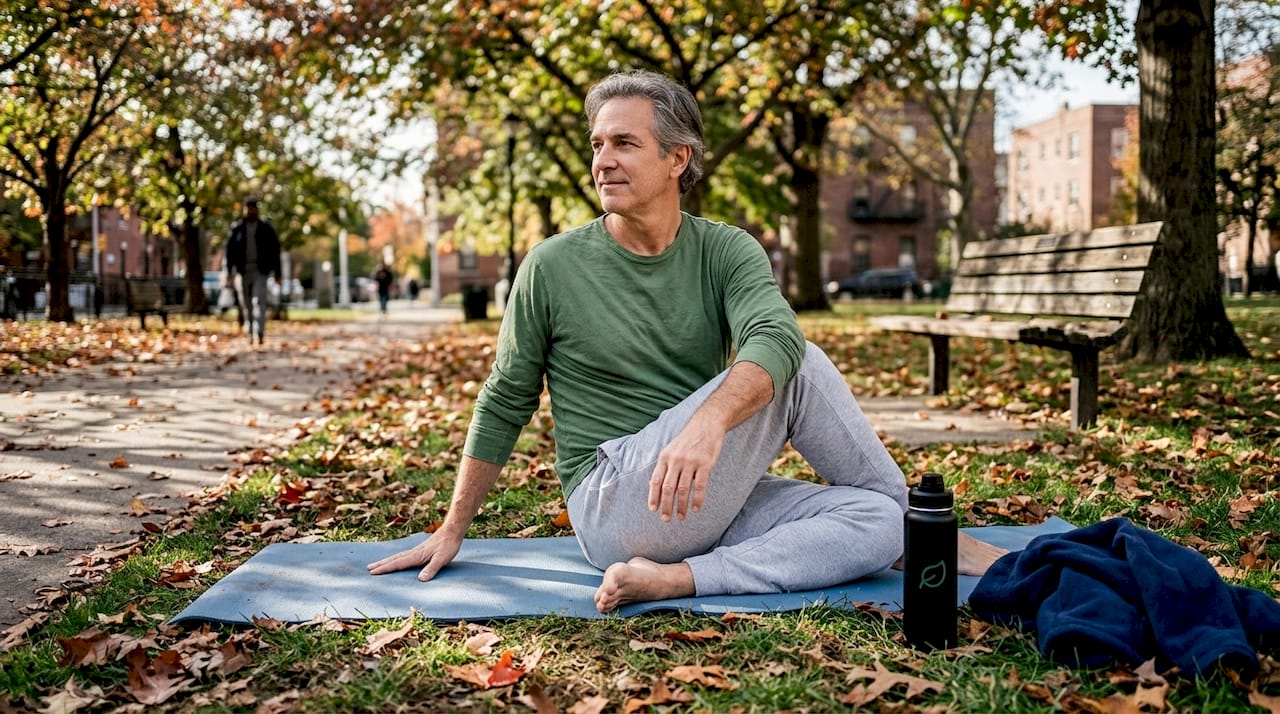
Acupuncture has one of the stronger evidence profiles among alternative therapies. Acupuncture shows positive effects for chronic pain, low-back pain, knee osteoarthritis, migraine, fibromyalgia, and hypertension. It's not a cure-all, but for these specific conditions, the research is encouraging.
The NCCIH notes that tai chi, yoga, acupuncture, and massage provide modest but meaningful benefits for chronic pain, making them valuable additions to a broader care plan.
Pro Tip: Use these therapies as adjuncts to your conventional care, not as replacements. Combining them with standard treatment tends to produce the best outcomes. Always check holistic provider safety tips before starting with a new practitioner.
Here's what the evidence suggests you prioritize:
- For mood and mental health: Yoga, mindfulness, compassion meditation
- For chronic pain: Acupuncture, tai chi, massage
- For sleep: Digital mindfulness, yoga, relaxation techniques
- For metabolic health: Exercise, yoga
Who benefits most? Making evidence-based wellness work for you
Understanding the options is just the start. Here's how to personalize your approach and choose what works best for your unique situation.
Not every practice suits every person or every goal. The key is matching the right tool to your actual needs, then giving it enough time to work.
Step-by-step guide to choosing your practice:
- Identify your primary concern. Is it chronic pain, poor sleep, stress, or a specific condition like high blood pressure? Start there.
- Research the evidence for that concern. Use trusted sources like the NCCIH or peer-reviewed reviews to see which practices have the strongest support for your situation.
- Start with one practice. Trying multiple new approaches at once makes it hard to know what's helping.
- Track your progress. Keep a simple journal noting how you feel before and after sessions over four to six weeks.
- Consult a qualified practitioner. A credentialed professional can tailor the practice to your needs and flag any contraindications.
- Reassess and adjust. If you're not seeing results after six to eight weeks, it may be time to try a different approach or add a complementary one.
People most likely to benefit include those managing chronic pain, high stress, poor sleep, or conditions like hypertension and type 2 diabetes. Most practices are safe with only minor, transient side effects, making them practical adjuncts to conventional care rather than replacements.
Pro Tip: Before starting any new wellness practice, especially if you have a chronic condition or take medications, talk with your doctor or a licensed integrative health provider. Safety first, always.
You can browse a wide range of holistic health treatments and explore the holistic health blog for deeper guidance on specific approaches.
Why real-world results matter more than trends
After learning how to find and tailor evidence-based practices, it's worth stepping back to consider what really counts in your wellness journey.
Wellness trends move fast. Every few months, a new practice, supplement, or protocol captures the spotlight. And while curiosity is healthy, chasing novelty can pull you away from the practices that are quietly, consistently working.
Here's what we've observed: the people who experience the most meaningful health improvements aren't the ones trying every new thing. They're the ones who found two or three well-supported practices and stuck with them. Results build like compound interest. Small, steady efforts accumulate into real change over months and years.
The most underrated benefit of choosing evidence-based holistic wellness isn't just better health outcomes. It's confidence. When you know your practice is backed by solid research, you stop second-guessing yourself. You show up more consistently. That consistency is what drives results.
Our honest take: simplicity wins. A daily walk, a short mindfulness session, and regular check-ins with a trusted practitioner will outperform any trending protocol that lacks a research foundation. Trust the process, not the hype.
Explore evidence-based wellness with Go Holistic
Knowledge is a powerful first step, but the real shift happens when you put it into practice with the right support around you.
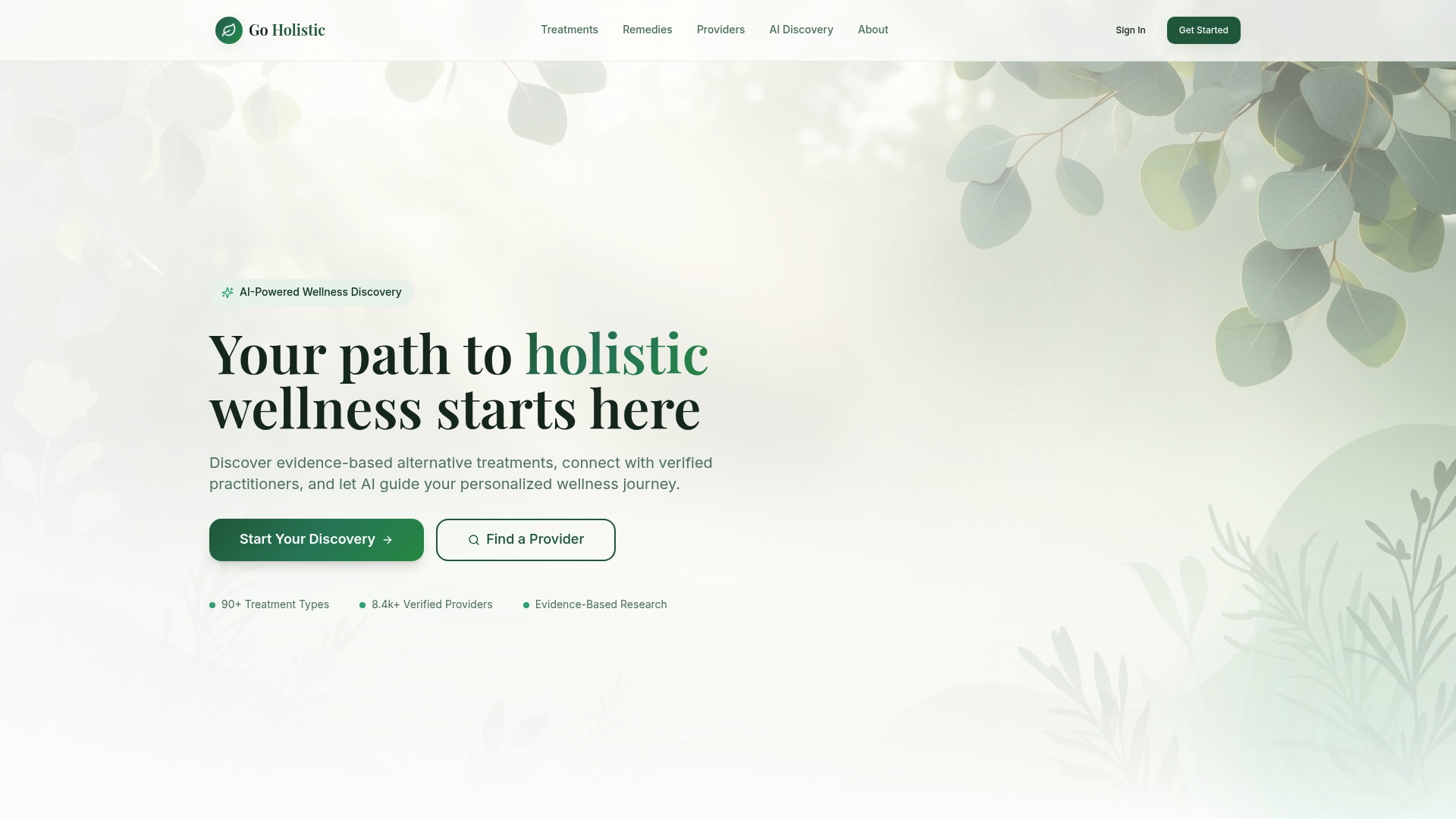
Go Holistic makes it easy to move from learning to doing. You can explore over 200 holistic health treatments with research summaries built right in, so you always know what the evidence says. Browse and connect with verified local holistic practitioners who specialize in the approaches that match your goals. Our curated directory of holistic health providers lets you filter by specialty, location, and credentials, so you find someone you can genuinely trust. Whether you're just starting out or deepening an existing practice, Go Holistic is here to support every step.
Frequently asked questions
What makes a wellness practice 'evidence-based'?
A practice is evidence-based when rigorous scientific studies, such as randomized controlled trials and meta-analyses, consistently demonstrate it is both safe and effective for a given condition.
Are natural therapies safe to use alongside conventional care?
Most practices like yoga, mindfulness, and acupuncture are generally safe with minor side effects and work best as adjuncts to standard medical treatment, not as replacements.
How do I know which wellness practice is right for me?
Match practices to your specific concern. For example, yoga shows strong effects on mood and metabolic health, while acupuncture is better supported for chronic pain. A qualified practitioner can help you decide.
Are digital mindfulness apps effective for sleep and stress?
Yes. Digital mindfulness interventions show measurable improvements in sleep quality and mental health symptoms, particularly with consistent, regular use over time.
Does herbal medicine work for all conditions?
Not broadly. Current evidence supports western herbal medicine mainly for reducing menstrual pain, with limited proof available for most other health conditions.
Recommended
- Evidence-based holistic methods for chronic health
- Holistic Health Treatments | goholistic
- Role of alternative therapies in 2026 for wellness
- Why use personalized wellness for better health outcomes | Go Holistic Blog
- Sustainable wellness explained: healthy living for you and the planet – Oxyhealth
- Holistic Health Improvement Guide for Lasting Wellness