
TL;DR:
- Therapeutic massage effectively reduces chronic pain and stress when part of a holistic wellness plan.
- It involves targeted techniques like Swedish, deep tissue, trigger point, and myofascial release, differing from relaxation massage.
- While generally safe for most adults, contraindications include acute injuries, blood clots, or high-risk pregnancy.
Therapeutic massage has a reputation problem. Most people file it under "spa day" or "birthday treat," something nice but not necessary. That perception is quietly keeping a lot of people in pain longer than they need to be. Clinical research shows that therapeutic massage genuinely reduces chronic pain, lowers stress hormones, and improves functional mobility, and the evidence comes from organizations like the National Institutes of Health, not wellness brochures. This guide walks you through exactly how it works, who it helps, and how to weave it into a broader wellness strategy that actually moves the needle on your health.
Table of Contents
- What is therapeutic massage?
- Evidence-based benefits for chronic pain and stress
- Who should and shouldn't consider therapeutic massage?
- Integrating therapeutic massage into holistic wellness routines
- A fresh perspective: Why therapeutic massage isn't a miracle cure, but can transform your wellness
- Explore holistic wellness solutions with Go Holistic
- Frequently asked questions
Key Takeaways
| Point | Details |
|---|---|
| Holistic relief | Therapeutic massage delivers evidence-supported pain and stress reduction when integrated into a wellness routine. |
| Short-term benefits | Most effects last days or weeks, so regular sessions and multimodal care work best. |
| Safety matters | Consult a provider if you have injuries, infections, osteoporosis, cancer, or pregnancy before starting massage therapy. |
| Customizable techniques | Therapeutic massage offers several methods—Swedish, deep tissue, trigger point, myofascial—to suit different needs. |
| Holistic integration | Pairing massage with movement, nutrition, and mindfulness improves outcomes for chronic pain and stress. |
What is therapeutic massage?
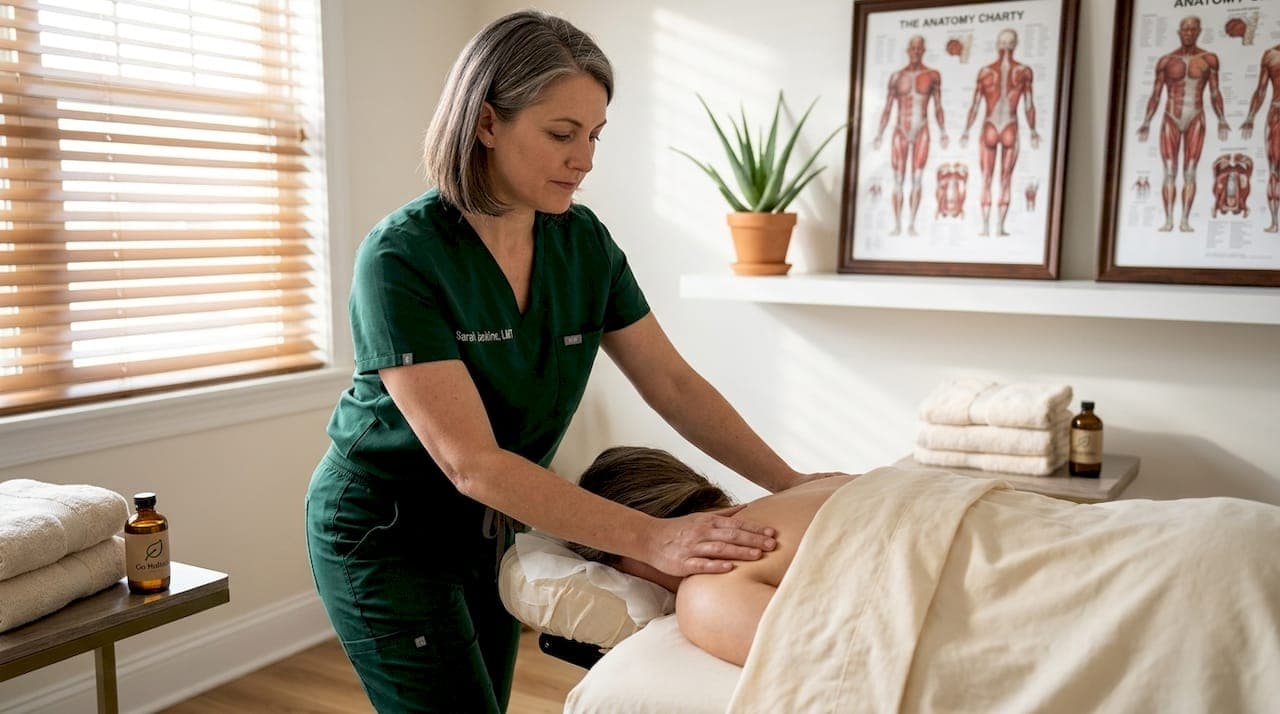
Therapeutic massage is intentionally different from what you experience at a day spa. Yes, both involve hands-on soft tissue work, but the goals, techniques, and clinical context are not the same. Where a relaxation massage aims to create a pleasant experience, therapeutic massage is designed to address specific physical or psychological health concerns. Think of it less like a treat and more like a targeted intervention that happens to feel good.
Practitioners typically use a combination of techniques tailored to what your body needs. Massage therapy benefits span a wide range depending on the method selected. The most common methodologies include Swedish massage, which uses effleurage (long gliding strokes) and petrissage (kneading), deep tissue massage targeting the deeper muscle layers and fascia, trigger point therapy applying sustained pressure to specific muscle knots, and myofascial release stretching the connective tissue surrounding muscles.
Here's why the technique matters so much:
- Swedish massage is often the entry point. It increases circulation, reduces surface tension, and calms the nervous system. It's a solid starting place for stress and mild chronic tension.
- Deep tissue massage goes into the structural layers underneath. Chronic pain, particularly in the back and neck, often lives in these deeper muscle groups. This technique reaches those areas directly.
- Trigger point therapy is precise and targeted. If you have specific knots (medically called myofascial trigger points) that refer pain to other areas, sustained pressure on those spots can interrupt the pain-spasm cycle.
- Myofascial release works on the fascia, the connective tissue web surrounding every muscle and organ. When fascia tightens due to injury, stress, or poor posture, it restricts movement and creates pain. This technique gently stretches and releases those restrictions.
Therapeutic massage is not a standalone medical treatment. It works best as part of an integrated health plan that includes physician oversight, movement, and sometimes other complementary therapies like acupuncture or physical therapy.
That distinction matters because it shapes realistic expectations. You are not replacing your care team with a massage therapist. You are adding a powerful ally to your wellness toolkit.
Evidence-based benefits for chronic pain and stress
With a clear definition established, it's essential to understand the tangible benefits therapeutic massage can deliver based on science.
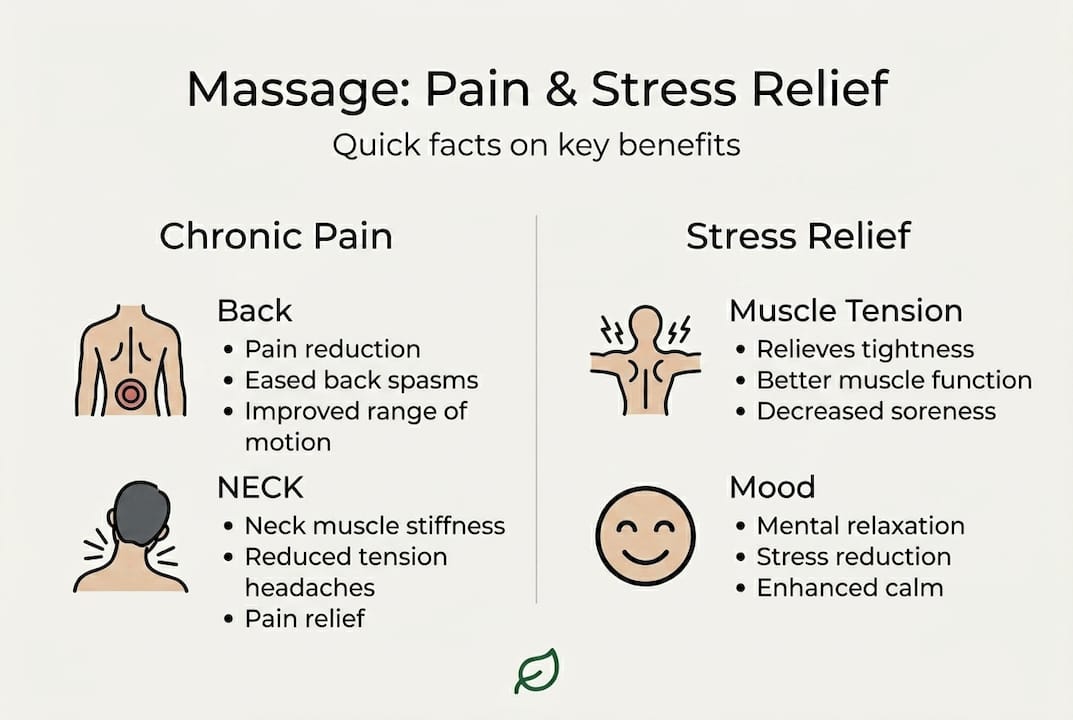
The evidence landscape is encouraging, but it's also honest. Therapeutic massage has real, measurable benefits for specific conditions, and understanding both the strengths and limits of the research helps you make informed decisions.
| Condition | Evidence quality | Type of benefit |
|---|---|---|
| Chronic low-back pain | Moderate to strong | Pain reduction, improved mobility |
| Neck pain | Moderate | Short-term pain and stiffness relief |
| Fibromyalgia | Moderate | Reduced pain and fatigue |
| Stress and anxiety | Good | Lowered cortisol, improved mood |
| Headaches/migraines | Emerging | Frequency and intensity reduction |
Research from the National Center for Complementary and Integrative Health confirms that massage shows benefits for chronic low-back pain, neck pain, and fibromyalgia, including temporary reduction in both pain and fatigue. These benefits are real, but they are often short-term. The research suggests that massage works best as a complement to other therapies rather than a standalone cure.
What's happening in your body during therapeutic massage:
- Cortisol levels drop. Cortisol is the stress hormone that, when chronically elevated, contributes to inflammation, poor sleep, and muscle tension. Massage measurably reduces it.
- Serotonin and dopamine increase. These neurotransmitters support mood stability and pain modulation. Elevating them is part of why you feel better after a session.
- The pain-spasm cycle gets interrupted. Chronic muscle tension creates a feedback loop where pain causes spasm, and spasm causes more pain. Massage breaks that cycle by physically releasing the contracted tissue.
- Lymphatic circulation improves. The lymphatic system removes cellular waste and supports immune function. Massage helps move lymph fluid more efficiently, reducing localized inflammation.
- Connective tissue becomes more pliable. Tight fascia and scar tissue respond to the mechanical pressure and movement of massage, restoring range of motion that pain or injury had restricted.
It's also worth noting where the evidence is more mixed. A Cochrane review on massage for neck pain found little to no difference compared to placebo for some outcomes, and concluded that long-term gains are inconsistent without a multimodal approach. This doesn't undermine the therapy. It reinforces the point that massage is a valuable piece of a larger puzzle, not the whole picture.
Explore science-backed pain relief strategies that pair well with massage for a more complete approach. Understanding evidence-based holistic methods gives you a fuller toolkit to work with.
Who should and shouldn't consider therapeutic massage?
Knowing the benefits is only half the story. It's critical to recognize who should seek out therapeutic massage and who should proceed with caution.
The good news is that therapeutic massage is appropriate for most adults experiencing chronic pain, musculoskeletal tension, stress-related symptoms, or limited mobility. If you have been living with aching shoulders, persistent lower back pain, or stress that never fully releases, massage therapy is likely a safe and beneficial option worth exploring.
People who typically benefit most include:
- Adults with chronic low-back or neck pain who have ruled out structural causes like disc herniation or spinal stenosis
- People managing fibromyalgia or other diffuse pain syndromes
- Individuals with high-stress lifestyles, anxiety, or stress-related muscle tension
- Those recovering from soft tissue injuries under physician clearance
- People with poor posture from prolonged sitting or repetitive strain
However, there are genuine contraindications (conditions where massage could cause harm) that you should take seriously. According to the MSD Manual on Massage Therapy, contraindications include acute injuries or inflammation, fever or active infection, deep vein thrombosis (DVT) or blood clots, severe osteoporosis, active cancer without physician clearance, and high-risk pregnancy.
| Candidate type | Therapeutic massage appropriate? | Notes |
|---|---|---|
| Chronic back or neck pain | Yes | Verify no structural damage first |
| Active DVT or blood clots | No | Risk of clot displacement |
| Acute injury or inflammation | Avoid until resolved | Massage can worsen acute swelling |
| Severe osteoporosis | Caution or avoid | Fracture risk with pressure |
| High-risk pregnancy | Only with clearance | Specialized prenatal massage only |
| Stress, anxiety, tension | Yes | One of the strongest use cases |
| Post-cancer treatment (stable) | Yes with clearance | Oncology massage by trained therapist |
Why do these contraindications matter so practically? Consider DVT as an example. A blood clot in the leg can be dislodged by the mechanical pressure of massage, potentially traveling to the lungs and causing a pulmonary embolism. This is not a theoretical risk. It's a documented one, and it underscores why a quick health screen before your first session matters enormously.
Pro Tip: Always tell your massage therapist about any current medications, recent surgeries, or ongoing medical conditions before your session begins. A qualified, certified holistic practitioner will ask, but volunteering the information ensures your session is adjusted appropriately.
Side effects from therapeutic massage are usually minor. Temporary soreness, mild bruising, or fatigue after a session are common, especially after deep tissue work. These typically resolve within 24 to 48 hours. If you experience lingering pain, numbness, or any symptoms that feel unusual, contact your healthcare provider. Learn more about choosing natural remedies safely and effectively to support your decision-making process.
Integrating therapeutic massage into holistic wellness routines
After weighing benefits and risks, let's explore practical ways to incorporate therapeutic massage into your routine for maximum holistic impact.
The most common mistake people make with therapeutic massage is treating it as an isolated event. One session when the pain flares up, then nothing for months. That pattern produces minimal lasting benefit. Research consistently shows that massage works best as an adjunct to other therapies within a structured wellness strategy. Sustainable improvement in chronic pain and stress requires consistency and collaboration.
Here's what a well-integrated approach looks like in practice:
- Movement and physical therapy: Massage releases tension and restores mobility, but strengthening and stretching exercises maintain those gains. If your physical therapist is working on posture and core stability, massage can accelerate your tissue recovery between sessions.
- Mindfulness and breathwork: Stress is a physical experience. Chronic tension often has an emotional driver. Pairing massage with regular mindfulness practice, meditation, or breathwork addresses both the physical and psychological dimensions of your pain or stress.
- Nutrition and hydration: Muscle recovery and inflammation are directly tied to what you eat. An anti-inflammatory diet rich in omega-3s, magnesium, and antioxidants supports the healing processes that massage stimulates. Staying well hydrated helps your body flush the metabolic waste that massage releases from the tissues.
- Acupuncture: Many people find that acupuncture and massage complement each other particularly well for chronic pain. Acupuncture works on energy pathways and neurological signaling, while massage addresses structural tissue tension.
- Regular physician oversight: For chronic conditions, your primary care physician or specialist should be part of the conversation. Massage should support, not replace, conventional medical care.
Frequency is another variable that many people underestimate. For acute flare-ups of chronic pain, weekly sessions may be appropriate for a short period. For ongoing maintenance and stress management, bi-weekly or monthly sessions tend to be more sustainable and still effective. Your practitioner can help you find the right rhythm based on your specific goals.
Pro Tip: Schedule your massage session on the same day or the day after your most physically demanding activities, whether that's a heavy workout, a long travel day, or a high-stress work deadline. Timing your massage to align with your body's recovery needs maximizes the benefit.
The bigger picture here is about integrative health benefits. No single modality carries the whole load. Therapeutic massage is a meaningful thread in a larger wellness tapestry, and when it connects to the role of alternative therapies in your routine, it becomes significantly more powerful.
A fresh perspective: Why therapeutic massage isn't a miracle cure, but can transform your wellness
Here's something the wellness industry doesn't always say clearly enough: therapeutic massage has genuine, evidence-backed value, and it also has real limits. Those two things are both true at the same time.
The marketing around massage often swings between two unhelpful extremes. Either it's positioned as a luxury with zero medical credibility, or it's oversold as something that can fix structural problems, reverse long-term degeneration, or cure chronic conditions on its own. Neither story serves you well.
The honest reality, backed by the same Cochrane reviews that some critics use to dismiss massage entirely, is more nuanced. Yes, some Cochrane analyses found little difference between massage and placebo for certain neck pain outcomes. But those same reviews confirm that short-term relief is real and that the multimodal approach consistently produces better outcomes than any single therapy in isolation. That's not a condemnation of massage. That's a map for how to use it wisely.
What we've seen time and again in the holistic wellness space is that the people who benefit most from therapeutic massage are the ones who bring it into a larger, intentional wellness practice. They're moving their bodies regularly. They're managing sleep. They're addressing stress at its source, not just its symptoms. Massage becomes a catalyst for them, a regular reset that keeps their nervous system balanced, their tissue healthy, and their body more responsive to every other positive choice they're making.
The people who are disappointed by massage are often the ones who came looking for a single fix. Chronic pain and chronic stress are rarely single-cause problems. They build over time from a combination of physical, emotional, behavioral, and even nutritional factors. Addressing that complexity requires a layered, patient-driven approach.
So yes, invest in therapeutic massage. Explore massage therapy benefits across different techniques and conditions. And place it firmly within a broader strategy that includes movement, mindfulness, nutrition, and good holistic methods for chronic health. That's where the real transformation happens.
Explore holistic wellness solutions with Go Holistic
You've now got a grounded, honest picture of what therapeutic massage can and can't do. The next step is finding the right practitioner and building a plan that's designed around your specific needs, not a generic template.
Go Holistic makes that step easier. Our platform connects you with verified, licensed practitioners across massage therapy, acupuncture, Ayurveda, and dozens of other holistic health treatments. Our AI-powered recommendation tool analyzes your health concerns and surfaces personalized treatment options backed by real research. Browse and book directly with holistic health practitioners in our curated directory, and explore a treatment library covering over 200 evidence-based therapy types. Whether you're just starting out or ready to build on an existing routine, you can find health providers who are qualified, transparent, and ready to support your journey. Get Started today.
Frequently asked questions
Is therapeutic massage safe for everyone?
Therapeutic massage is safe for most adults, but people with serious conditions like severe osteoporosis, blood clots, acute injuries, active infections, active cancer, or high-risk pregnancy should get physician clearance first before scheduling a session.
Are the effects of therapeutic massage long-lasting?
Most research shows that benefits tend to be short-term, but combining regular massage with other holistic therapies and lifestyle practices significantly extends and deepens those results over time.
What are the main types of therapeutic massage?
The most widely used types are Swedish, deep tissue, trigger point, and myofascial release, each designed to address different tissue layers, pain patterns, and functional goals.
Is therapeutic massage useful for stress management?
Yes. Massage measurably reduces cortisol levels and muscle tension linked to chronic stress, though pairing it with mindfulness, sleep hygiene, and lifestyle adjustments produces stronger and more lasting relief.