
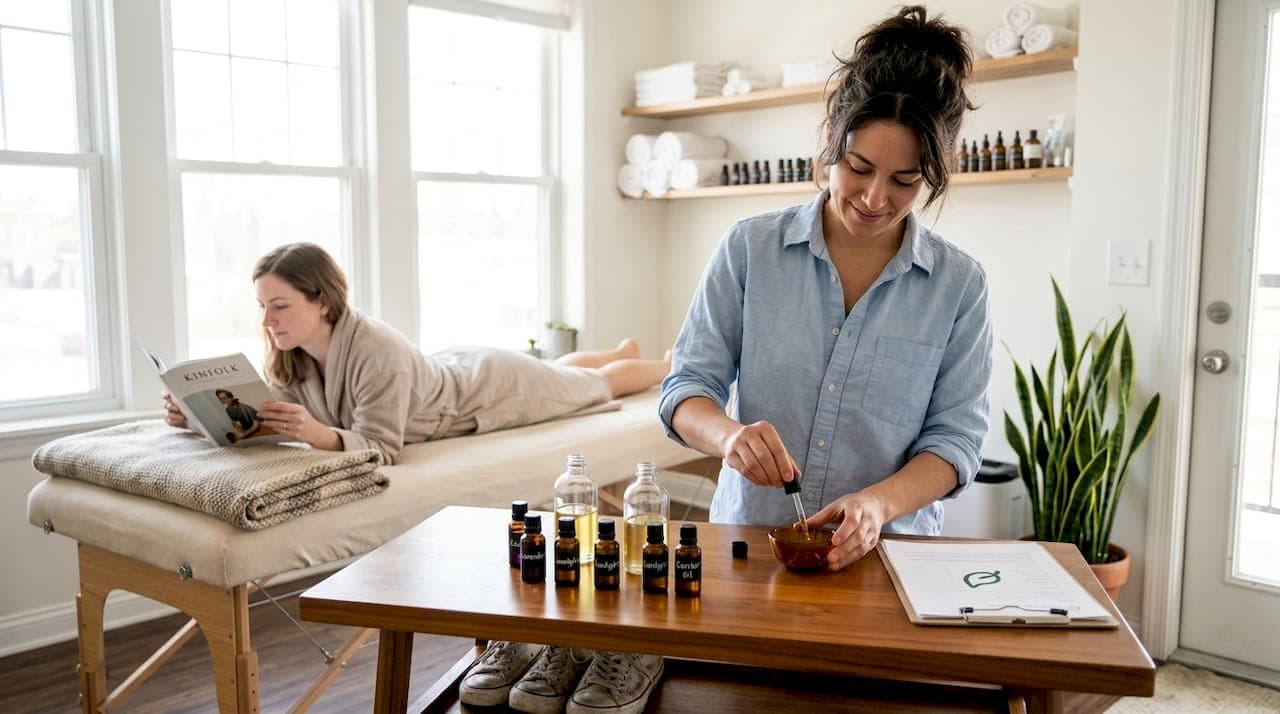
TL;DR:
- Massage therapy offers benefits beyond relaxation, including pain relief and stress reduction.
- Techniques like effleurage and petrissage target muscles, circulation, and nervous system calming.
- Regular sessions, personalized treatment, and qualified practitioners maximize its holistic health benefits.
Massage therapy carries a reputation for being a pleasant luxury, something you treat yourself to on vacation or after a stressful week. But that picture misses most of the story. Empirical evidence shows benefits for pain, anxiety, fibromyalgia, and other health conditions that go far beyond surface-level relaxation. Whether you're curious about alternative healing or searching for a smarter way to manage chronic discomfort, massage therapy deserves a serious look. This article breaks down what it actually is, how it works, what the evidence supports, and how you can use it as a genuine part of your holistic wellness routine.
Table of Contents
- What is massage therapy? A holistic definition
- Core massage techniques and how they work
- Evidence-backed benefits: Pain, stress, recovery, and more
- Safety, risks, and when to avoid massage
- Integrating massage into your holistic health journey
- The Go Holistic viewpoint: What most people miss about massage therapy
- Explore expert-led holistic wellness with Go Holistic
- Frequently asked questions
Key Takeaways
| Point | Details |
|---|---|
| Holistic health focus | Massage therapy is a science-supported approach for both body and mind, not just relaxation. |
| Techniques matter | Different massage types produce different effects, so knowing what and why matters for results. |
| Evidence and limits | Benefits are strongest for pain, stress, and select conditions, but usually short-term and not a cure-all. |
| Safety first | Some people should avoid or modify massage, making qualified guidance essential. |
| Personalization counts | Tailor massage frequency, technique, and practitioner to your unique holistic health needs. |
What is massage therapy? A holistic definition
Massage therapy has been practiced across cultures for thousands of years. Ancient Chinese, Egyptian, Greek, and Indian traditions all incorporated some form of therapeutic touch, recognizing early on that working the body's soft tissues could restore balance and ease suffering. Modern massage therapy builds on those roots while adding a layer of clinical understanding.
At its core, massage therapy is the systematic manipulation of soft tissues, including muscles, connective tissue, tendons, and ligaments, using hands, fingers, forearms, or specialized tools. The goal is never just one thing. Depending on the approach, it can target:
- Pain relief and muscle recovery after injury or intense physical activity
- Stress reduction by calming the nervous system
- Improved circulation to speed up healing
- Emotional balance, supporting mental health alongside physical care
- Rehabilitation support as part of a broader treatment plan
Within holistic and integrative medicine, massage is valued because it treats the whole person, not just the symptom. It fits naturally alongside other approaches like acupuncture, Ayurveda, and mindfulness, which you can explore further in this overview of the role of alternative therapies in modern wellness.
"Massage therapy works through mechanical deformation of tissue, which influences local circulation, the nervous system, and the body's natural repair processes." Researchers explain that these physical effects give massage its therapeutic power, well beyond simple muscle relaxation.
This understanding shifts massage from indulgence to intervention. It's a practice with real physiological roots, and when used thoughtfully, it can be one of the most accessible tools in your wellness toolkit.
Core massage techniques and how they work
With a foundational definition in place, let's explore how massage therapy is performed with its core techniques. The vocabulary can feel intimidating at first, but each technique is really just a specific way of applying pressure and movement to the body.
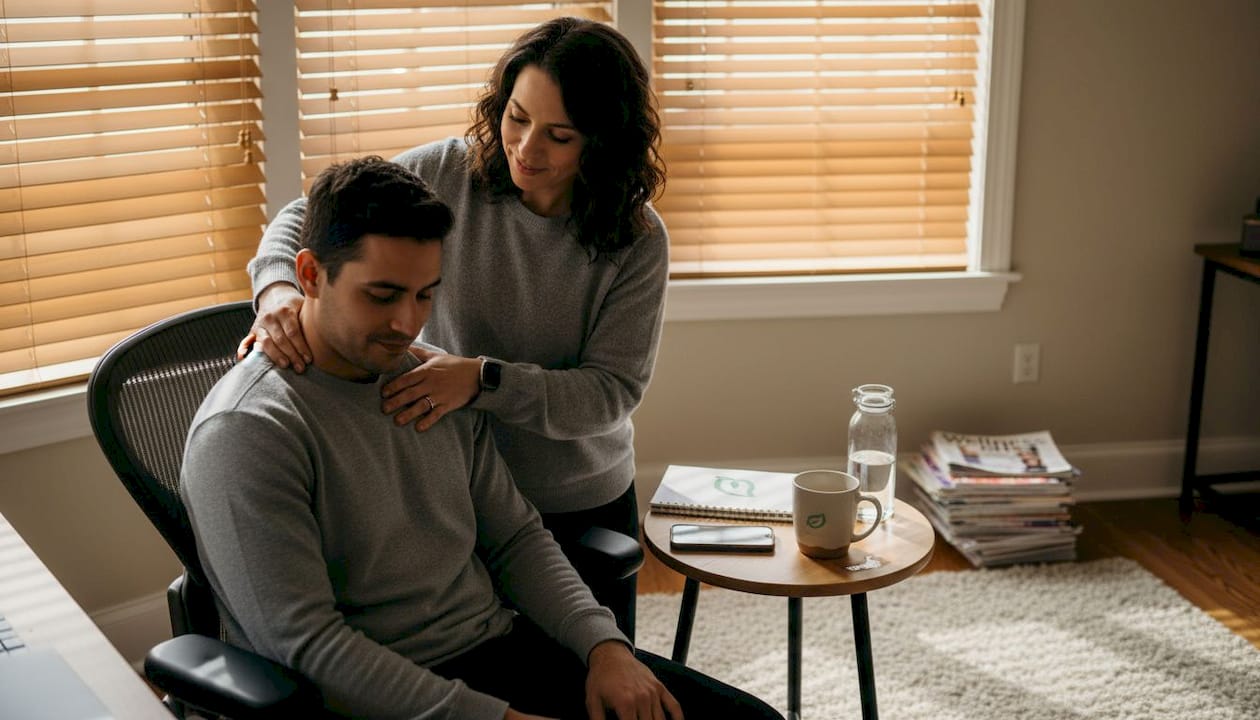
Common techniques include effleurage, petrissage, friction, tapotement, and compression, and each one serves a distinct purpose.
| Technique | Description | Best used for |
|---|---|---|
| Effleurage | Long, gliding strokes over the skin | Warming up tissue, improving circulation |
| Petrissage | Kneading, rolling, and squeezing of muscle | Releasing muscle tension, reducing soreness |
| Friction | Deep, circular pressure on a specific spot | Breaking up adhesions, treating scar tissue |
| Tapotement | Rhythmic tapping or percussion movements | Stimulating nerves, increasing local blood flow |
| Compression | Steady pressure applied to a muscle or point | Reducing spasm, calming the nervous system |
Most skilled therapists don't rely on just one technique. They combine them based on what your body needs in the moment. A session might open with effleurage to warm the tissue, move into petrissage for deeper muscle work, and close with compression to settle the nervous system.
Tailoring the approach matters enormously. Someone recovering from a sports injury needs a very different session than someone managing anxiety or postural strain. The best outcomes come when technique, pressure, and session length are matched to your individual goals.
Here's a quick guide to what you might focus on:
- For muscle recovery: Petrissage and friction work well on overworked or knotted tissue
- For stress and anxiety: Effleurage and compression calm the nervous system effectively
- For chronic pain: A combination approach, adapted over multiple sessions, tends to yield the best results
Pro Tip: Before your first session, write down your top two or three physical or emotional concerns and share them with your therapist. This simple step can transform a generic massage into a targeted therapeutic experience. You can also browse best holistic therapies to see how massage compares with other hands-on approaches.
Evidence-backed benefits: Pain, stress, recovery, and more
Techniques are the how, but what results can you reasonably expect from massage? The evidence tells a nuanced story.
The strongest research-supported uses include:
- Low-back pain: Multiple trials show meaningful short-term relief, particularly when massage is combined with exercise
- Fibromyalgia: Regular massage reduces pain intensity and improves sleep in people living with this condition
- Cancer-related symptoms: Patients report reduced anxiety, pain, and nausea during treatment
- Infant development: Preterm infants who receive massage therapy show improved weight gain and development
- Neck pain: Evidence exists, though it is more mixed and often limited to short-term outcomes
For mental health, studies consistently link massage to lower cortisol (the body's main stress hormone) and increased serotonin levels. These aren't just feelings. These are measurable biological shifts.
The research-supported picture at a glance:
| Condition | Strength of evidence | Notes |
|---|---|---|
| Low-back pain | Moderate to strong | Short-to-medium term relief |
| Anxiety and stress | Moderate | Consistent across multiple studies |
| Fibromyalgia | Moderate | Best with regular sessions |
| Neck pain | Mixed | Some reviews show little benefit vs. sham |
| Cancer symptom relief | Moderate | Adjunct, not primary treatment |
Evidence shows benefits for low-back pain, neck pain, fibromyalgia, and cancer-related symptoms, but it's worth noting that many effects are short-term without consistent follow-up care.
Massage is rarely a standalone cure. Think of it as one strong thread in a larger fabric of care. Pairing it with other natural pain relief methods and lifestyle changes creates far more lasting results than sessions alone. For a broader picture of what the science supports, this guide to evidence-based wellness is a great companion read.
Safety, risks, and when to avoid massage
While the benefits of massage therapy are compelling, it's just as important to look at safety and potential downsides. For most healthy adults, massage is quite safe. But "most" is not "all."
Certain situations call for caution or outright avoidance. Contraindications include acute infection, deep vein thrombosis (DVT), recent stroke, unhealed fractures, uncontrolled hypertension, and high-risk pregnancy. In these cases, massage can worsen inflammation, dislodge clots, or put additional strain on an already stressed system.
Groups who should always check with a healthcare provider before booking:
- Pregnant individuals, especially in the first trimester or with a high-risk pregnancy
- Older adults with fragile skin, osteoporosis, or circulatory conditions
- People on blood thinners, due to elevated risk of bruising or internal bleeding
- Anyone with open wounds, skin infections, or active inflammation in the area to be treated
- Cancer patients, who should seek therapists specifically trained in oncology massage
Common minor side effects include temporary soreness, slight bruising, and fatigue after a session. These usually resolve within 24 to 48 hours. Drinking water and resting afterward helps your body process the work.
Rare but serious risks, such as nerve damage or worsening of an existing injury, are almost always linked to unqualified practitioners applying inappropriate pressure. This is why therapist credentials matter so much.
Pro Tip: Always disclose your full health history to your massage therapist before the session begins. A trained professional will adapt their approach or recommend you consult your doctor first if anything raises a concern.
Integrating massage into your holistic health journey
Now that you're aware of both the pros and cons, here's how to make massage therapy an effective part of your wellness routine.
- Choose a qualified practitioner: Look for licensed or certified massage therapists with credentials from recognized programs. Specializations matter too. Sports massage, lymphatic drainage, and prenatal massage all require additional training.
- Define your goals before you start: Are you managing chronic pain, recovering from an injury, or primarily seeking stress relief? Your answer shapes everything, from technique to session length to frequency.
- Commit to a series of sessions: A single massage feels wonderful, but lasting results come from consistency. Research supports tailoring technique and dosage for best outcomes, often recommending at least eight sessions of 30 minutes or more.
- Combine massage with complementary practices: Yoga, stretching, mindfulness, and good sleep hygiene all amplify the benefits of massage. Think of them as partners in a shared goal.
- Track your progress: Keep a simple wellness journal. Note how you feel before and after each session, what areas improved, and where you still need attention. Share this with your therapist to keep refining your plan.
Pro Tip: If you're not sure where to start, explore integrative health tips for practical ways to build a routine that weaves multiple healing practices together without overwhelming your schedule.
Adjusting your plan over time is normal and healthy. Your body changes, and your wellness routine should too.
The Go Holistic viewpoint: What most people miss about massage therapy
Here's what we see most people overlooking: they treat massage as an event rather than a practice. You book a session when you're in pain or burned out, feel better for a few days, then wait until the next crisis. That cycle rarely produces lasting change.
The real power of massage therapy shows up when it's woven consistently into a broader lifestyle. Personalization is everything. The same technique at the same pressure doesn't work equally well for everyone, and what helps you today may need adjusting in three months. Generic advice about "getting a monthly massage" misses this entirely.
We also see people underestimate how much the quality of the practitioner matters. Evidence supports massage's benefits, but those benefits depend heavily on skill, appropriate technique selection, and a therapist who listens. Exploring evidence-based wellness practices can help you set smarter expectations and choose practitioners who are actually aligned with your goals.
Massage isn't a cure-all. But as part of a thoughtful, consistent holistic routine, it's one of the most human and effective tools available to you.
Explore expert-led holistic wellness with Go Holistic
If this article has sparked your interest in making massage therapy a real part of your wellness life, we're here to make that next step simple. Go Holistic connects you with verified, qualified practitioners across massage therapy and dozens of other holistic disciplines.
Browse our full library of holistic health treatments to understand your options, then use our directory to find holistic providers near you. Whether you're brand new to alternative wellness or deepening an existing practice, our platform gives you the tools to build a plan that's truly yours. Visit holistic health practitioners and take the first step toward a more balanced, supported you today.
Frequently asked questions
What are the most common massage therapy techniques?
The most common techniques are effleurage, petrissage, friction, tapotement, and compression. Each one targets specific tissues and produces distinct outcomes depending on how and where it's applied.
Is massage therapy proven to work for chronic pain?
Studies show moderate evidence supporting massage for chronic pain conditions like low-back pain and fibromyalgia, though effects can be short-term. Some reviews also find limited benefit for neck pain compared to sham treatments, so pairing massage with other care is wise.
Who should avoid massage therapy?
People with acute infections, DVT, uncontrolled hypertension, or recent fractures or strokes should avoid massage until cleared by a healthcare provider. Other groups, including pregnant individuals and those on blood thinners, should consult their doctor before booking.
How often should you get a massage for wellness benefits?
Research recommends at least eight sessions of 30 minutes or more for optimal results, though the ideal frequency is highly individual. Work with your therapist to build a schedule that fits your health goals and lifestyle.