

TL;DR:
- Complementary treatments are evidence-based therapies used alongside standard medical care to improve symptoms and quality of life. They address physical, psychological, and social aspects of chronic illnesses, offering symptom relief when conventional medicine falls short.
Complementary treatments are evidence-supported therapies used alongside conventional medical care to improve symptoms and quality of life. They are not replacements for standard treatment. They work beside it. More than 50% of individuals managing chronic, complex conditions use these therapies to reduce pain, ease fatigue, and improve emotional well-being. If you are living with a chronic health condition and wondering why try complementary treatments, the answer is grounded in real clinical evidence and the lived experience of millions of people who have added these approaches to their care.
Why try complementary treatments for chronic conditions?
The clearest reason to try complementary therapies is symptom relief that conventional medicine alone does not always provide. Chronic conditions like arthritis, fibromyalgia, and cancer often leave people managing persistent pain, disrupted sleep, and emotional exhaustion. Complementary treatments address those gaps. They target the physical, psychological, and social dimensions of illness at the same time, which is why whole-person care focuses on maximizing functional capacity and daily well-being rather than chasing a single cure.

The benefits of complementary treatments extend beyond the physical. Practices like mindfulness and meditation build emotional resilience. Acupuncture and massage reduce pain signals. Yoga improves flexibility and mood. These are not fringe claims. Acupuncture, yoga, and mindfulness-based interventions show measurable improvements in quality of life and emotional regulation in clinical studies. That evidence base is why integrative medicine programs at major hospitals now include these therapies as standard options.
Complementary treatments also give you something that medication alone rarely does: a sense of active participation in your own care. When you feel like a passive recipient of treatment, chronic illness can feel defeating. Adding a therapy you choose, practice, and track shifts that dynamic in a meaningful way.
What are the most common types and their benefits?
Complementary therapies fall into three broad categories: mind-body techniques, physical therapies, and natural products. Each category carries a different evidence profile and suits different symptoms.
Mind-body techniques include meditation, mindfulness, guided imagery, and breathing exercises. These approaches reduce stress hormones, lower anxiety, and improve sleep quality. Mindfulness-based stress reduction, developed at the University of Massachusetts Medical School, has decades of clinical research behind it.

Physical therapies include acupuncture, massage, yoga, and tai chi. Regular exercise, mindfulness, acupuncture, and massage demonstrate meaningful relief from fatigue, pain, sleep disruption, anxiety, and depression in chronic illness patients. Acupuncture is particularly well-studied for chemotherapy-related nausea and chronic back pain.
Natural products include herbal supplements, aromatherapy, and nutritional approaches. This category requires the most caution because interactions with prescribed medications are possible and not always obvious.
| Therapy | Primary benefits | Key safety note |
|---|---|---|
| Acupuncture | Pain, nausea, fatigue | Verify practitioner credentials |
| Mindfulness meditation | Anxiety, stress, sleep | No known interactions |
| Yoga | Flexibility, mood, fatigue | Adjust intensity to energy levels |
| Massage therapy | Pain, tension, circulation | Inform therapist of medical history |
| Herbal supplements | Varies by herb | Review with prescribing doctor |
| Aromatherapy | Stress, nausea, mood | Avoid if respiratory conditions present |
- Acupuncture works well for people managing nausea from medication or chronic musculoskeletal pain.
- Yoga and tai chi suit people who want gentle movement without high physical demand.
- Mindfulness requires no equipment and can be practiced during a flare or low-energy day.
- Massage therapy pairs well with physical rehabilitation programs.
Pro Tip: Before choosing a therapy, write down your top three symptoms. Then match therapies to those specific symptoms rather than picking the most popular option. Targeted choices produce better results.
You can explore evidence-based therapy options that align with current clinical recommendations for chronic health management.
How to safely incorporate complementary treatments alongside conventional care
Safe integration is the most critical factor in getting real benefit from complementary therapies. The therapy itself matters less than how it fits into your existing care plan.
- Consult your primary medical team first. Tell your doctor, specialist, or pharmacist which therapies you are considering. This conversation protects you from interactions between herbal supplements and prescribed medications.
- Review safety for your specific condition. Some therapies are contraindicated in certain situations. Deep tissue massage, for example, is not appropriate near a tumor site or a blood clot.
- Verify your therapist's credentials. Therapist training and regulation vary widely, and practitioners with clinical experience in integrative settings deliver safer, better-coordinated care. Ask about their experience working with people who have your condition.
- Create a written coordinated plan. Coordinated integration of complementary therapies with conventional treatment schedules, documented between you, your therapist, and your medical team, prevents harmful timing conflicts and missed interactions.
- Reassess every 4–8 weeks. Standard practice involves formal safety reviews and progress evaluations at regular intervals. If a therapy is not producing measurable benefit after two months, it is worth reconsidering.
Pro Tip: Keep a single shared document that lists every therapy you use, the practitioner's contact details, and your current medications. Bring it to every medical appointment. This one habit prevents the most common safety gaps.
A massage therapy checklist can help you structure the consultation and safety review process before your first session.
Why people with chronic illness choose these therapies
The motivations behind trying complementary therapies go deeper than symptom relief. For many people living with chronic illness, the desire to feel like an active participant in their own health is just as powerful as the desire for pain reduction.
Complementary therapies restore personal autonomy by shifting patients from passive recipients of care to active participants. That shift matters enormously for emotional resilience and long-term coping. When you choose a therapy, practice it, and notice its effects, you build a relationship with your own body that chronic illness often disrupts.
"Complementary treatments help patients regain control and emotional resilience, shifting their role in chronic illness management from passive to active. Active engagement in therapies like meditation enhances coping and emotional strength."
The psychological benefits are real and measurable. Stress and anxiety reduction from mind-body practices lower cortisol levels, which in turn reduces inflammation. That is not a metaphor. It is a documented physiological pathway. People managing chronic pain coaching alongside medical care consistently report better daily functioning and mood stability than those relying on medication alone.
- Reduced sense of helplessness during flares or treatment cycles
- Improved sleep quality, which accelerates physical recovery
- Greater confidence in managing symptoms between medical appointments
- Stronger sense of identity outside the patient role
The advantages of this approach are not just about feeling better in the moment. They build a foundation for sustained well-being over the long term.
Common misconceptions and challenges with complementary treatments
The biggest misconception is that "natural" means safe. It does not. Herbal supplements can interact with chemotherapy drugs, blood thinners, and immunosuppressants. St. John's Wort, for example, reduces the effectiveness of several common medications. Natural origin does not eliminate pharmacological risk.
A second critical distinction: complementary therapies augment conventional care, they do not replace it. Safety risk arises when alternative therapies replace conventional care, leading to delayed treatment and poorer outcomes. The word "complementary" is not interchangeable with "alternative." Understanding that difference is a patient safety issue. You can read more about the real difference between these two approaches before making any decisions.
Other real challenges include:
- Cost and coverage. Many complementary therapies are not covered by standard insurance plans, creating a financial barrier for people on fixed incomes.
- Physical demands. Therapy intensity must be adjusted based on fluctuating health status. A yoga session appropriate during remission may be too demanding during a flare.
- Disclosure gaps. 25% of patients undergoing chemotherapy used complementary products that may cause harmful reactions, often without telling their medical team. Keeping therapies secret from your doctor is the single most preventable source of risk.
- Variable quality. Practitioner training is inconsistent across therapy types and states. Always verify credentials through a recognized professional body.
Pro Tip: Track your symptoms in a simple weekly log before and after starting any new therapy. Objective data makes it far easier to evaluate whether the therapy is working and gives your medical team something concrete to assess.
Key Takeaways
Complementary treatments work best when they are chosen for specific symptoms, verified for safety, and fully integrated into a documented care plan shared with your medical team.
| Point | Details |
|---|---|
| Complementary, not alternative | These therapies work alongside conventional care and must never replace it. |
| Evidence supports key therapies | Acupuncture, mindfulness, yoga, and massage show clinical benefits for pain, fatigue, and anxiety. |
| Safety requires disclosure | Tell your medical team every therapy you use to prevent harmful interactions. |
| Reassess regularly | Evaluate each therapy's effectiveness every 4–8 weeks and adjust based on results. |
| Autonomy drives outcomes | Active participation in your own care improves emotional resilience and long-term well-being. |
What I've learned from watching integrative care work in practice
The patients I've seen benefit most from complementary therapies share one trait: they treat these approaches with the same seriousness they give their prescriptions. They track outcomes, communicate openly with their doctors, and choose therapies based on evidence rather than trend.
What I find most compelling is not any single therapy. It is the shift in mindset that comes with integrating them thoughtfully. When you move from "my doctor manages my condition" to "I actively participate in my care," something changes in how you experience chronic illness. That shift is not soft or anecdotal. It shows up in measurable improvements in anxiety scores, sleep quality, and pain perception.
The growing acceptance of integrative medicine in mainstream clinical settings reflects this reality. Major cancer centers now employ acupuncturists and mindfulness instructors as part of their standard care teams. That is not a concession to wellness culture. It is a response to evidence.
My honest advice: start with one therapy, choose it based on your dominant symptom, verify your practitioner's credentials, and tell your doctor before your first session. That sequence protects you and gives the therapy the best possible chance of working. Balancing hope with scientific evidence is not pessimism. It is how you get real results.
— Andrew
What Goholistic offers for your complementary care path
Choosing the right therapy and the right practitioner is where most people get stuck. Goholistic removes that friction.
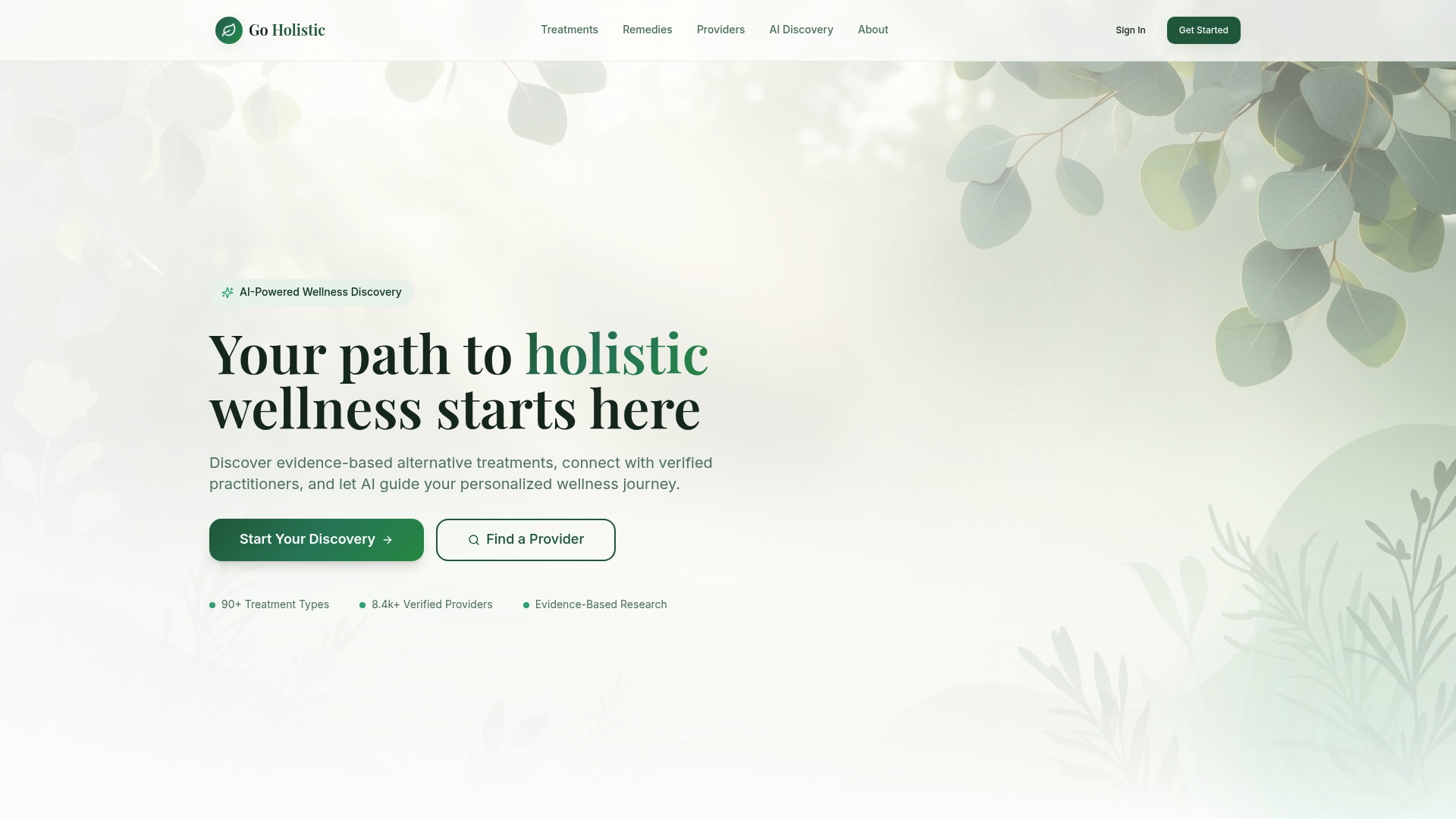
The platform connects you with verified, credentialed practitioners across more than 200 therapy types, including acupuncture, massage therapy, Ayurveda, and mindfulness-based programs. AI technology analyzes your health concerns and matches you with personalized treatment options backed by research summaries, so you are not guessing. Every practitioner listed has been vetted for credentials and clinical experience. You can browse, filter by specialty, and book directly. Whether you are starting your first complementary therapy or refining an existing plan, Goholistic gives you the tools to make informed, safe choices. Get started at Goholistic and take the next step toward coordinated, evidence-based care.
FAQ
What is the difference between complementary and alternative treatments?
Complementary treatments are used alongside conventional medical care to manage symptoms and improve well-being. Alternative treatments replace conventional care, which carries significant safety risks and is not recommended by major health organizations.
Are complementary treatments safe for people with chronic illness?
Most complementary therapies are safe when disclosed to your medical team and chosen by a credentialed practitioner. The primary risks come from undisclosed herbal supplement use and from replacing, rather than supplementing, conventional treatment.
How do I choose the right complementary therapy for my condition?
Match the therapy to your dominant symptom. Acupuncture and massage address pain and fatigue. Mindfulness and meditation target anxiety and stress. Yoga suits people who want gentle movement. Always verify the practitioner's credentials before starting.
How long does it take to see results from complementary treatments?
Most clinical protocols recommend reassessing any complementary therapy every 4–8 weeks. If measurable improvement in your target symptom has not occurred within that window, the therapy or its intensity may need to be adjusted.
Should I tell my doctor I am using complementary treatments?
Yes, always. One study found 25% of patients undergoing chemotherapy used complementary products that could cause harmful reactions. Full disclosure to your medical team is the single most important safety step you can take.