

TL;DR:
- Holistic stress relievers are natural practices that improve mental, physical, and environmental stress factors simultaneously. Combining cognitive and somatic techniques results in more effective stress reduction than using any single method alone.
Holistic stress relievers are natural approaches that address mental, physical, and environmental stress factors at the same time. Unlike single-symptom fixes, these methods work on the nervous system, thought patterns, and daily habits together. The clinical term for this approach is "integrative stress management," and it draws from mindfulness, breathwork, movement, sleep science, and complementary therapies. Research confirms that combining cognitive and somatic techniques reduces stress symptoms more effectively than any single method alone. If you are ready to build a practice that actually holds, this guide gives you nine evidence-backed tools to start with.
1. Mindfulness and meditation as holistic stress relievers
Mindfulness is defined as present-moment awareness practiced without judgment. It does not require clearing your mind. Instead, it means noticing thoughts and emotions with curiosity, which creates the mental space your nervous system needs to regulate stress responses.
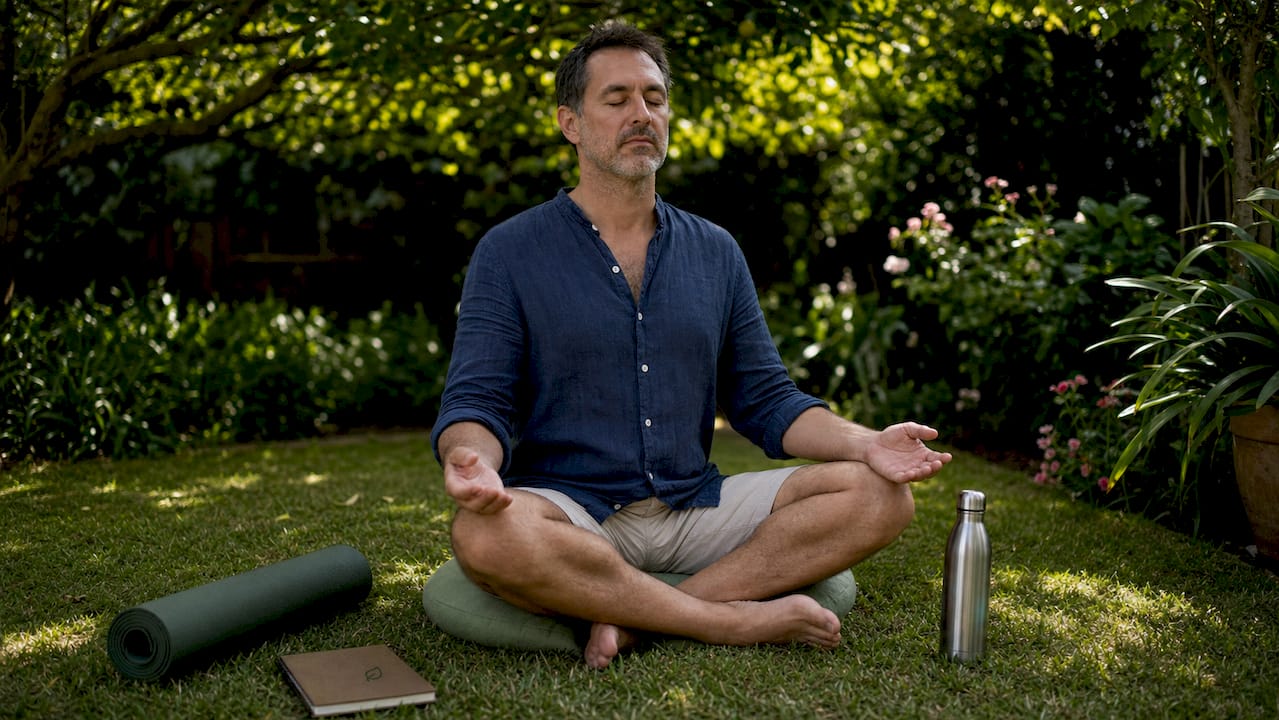
Structured programs of about eight weeks, with sessions of 10–20 minutes practiced 3–5 days per week, significantly reduce perceived stress. That consistency matters more than session length. Long-term practitioners show measurable brain changes visible on fMRI and EEG scans, meaning the practice physically reshapes how your brain handles pressure.
Everyday mindfulness tactics include:
- Mindful breathing: Focus on your breath for two minutes before a meeting or meal.
- Body scan: Move your attention slowly from your feet to your head, noticing tension without trying to fix it.
- S.T.O.P. method: Stop, Take a breath, Observe your thoughts, and Proceed with awareness.
- Mindful daily activities: Wash dishes, walk, or eat with full attention rather than on autopilot.
Integrating mindfulness into daily activities interrupts stress cycles in real time, not just during formal sessions. That is what makes it sustainable.
Pro Tip: Start with one to two minutes of mindful breathing each morning. Short, consistent practice builds nervous system resilience faster than occasional long sessions.
2. Breathwork for rapid nervous system relief
Breathwork is one of the fastest natural stress management tools available. Paced and diaphragmatic breathing at 4–6 breaths per minute increases vagal tone and lowers heart rate, pulling your body out of the fight-or-flight state within minutes. That speed makes it uniquely useful during acute stress.
Three techniques worth learning:
- Diaphragmatic breathing: Breathe into your belly, not your chest. Inhale for four counts, exhale for six. The longer exhale activates the parasympathetic nervous system.
- Box breathing: Inhale for four counts, hold for four, exhale for four, hold for four. Used by military and emergency responders for rapid calm.
- 4-7-8 breathing: Inhale for four counts, hold for seven, exhale for eight. Particularly effective before sleep.
Sessions of five to ten minutes are enough to shift your physiological state. People with respiratory conditions should check with a doctor before starting breath-retention techniques.
Pro Tip: When stress spikes suddenly, switch to box breathing immediately. Four rounds take under two minutes and measurably lower your heart rate.
3. Progressive muscle relaxation for tension release
Progressive muscle relaxation, or PMR, works by systematically tensing and releasing muscle groups from your feet to your face. Daily PMR sessions of 10–15 minutes practiced over several weeks reduce anxiety and improve sleep quality. The technique interrupts the tension-anxiety cycle that keeps stress locked in the body.
PMR pairs well with breathwork. You can combine a five-minute breathing exercise with a ten-minute PMR sequence for a complete somatic reset. HRV biofeedback devices, which measure heart rate variability in real time, can help you track how well your nervous system responds to these practices and guide your progress over time.
4. Yoga, tai chi, and qigong for mind-body integration
Movement-based practices combine breath, focused attention, and physical motion into a single experience. Yoga, tai chi, and qigong each reduce perceived stress, improve mood, and support better sleep quality. Research recommends 2–3 sessions per week for 6–8 weeks to see consistent benefits. That is a realistic commitment for most people.
Key benefits across these practices include:
- Mood regulation: Physical movement releases endorphins and reduces cortisol simultaneously.
- Improved flexibility and body awareness: Both reduce the physical symptoms of chronic stress, including tight shoulders and shallow breathing.
- Better sleep: Regular practice shortens the time it takes to fall asleep and deepens sleep quality.
- Adaptability: Chair yoga and gentle qigong make these practices accessible at any fitness level.
Outdoor practice adds an extra layer of benefit. Natural environments lower cortisol more than indoor settings, so a tai chi session in a park delivers more than the same session in a gym. For a broader look at evidence-based wellness practices that complement movement therapies, Goholistic covers the research in detail.
5. Sleep hygiene and lifestyle habits that sustain stress relief
No stress management practice works well on poor sleep. Consistent sleep schedules, morning daylight exposure, and basic sleep hygiene improve daytime functioning and reduce stress. The mechanism is straightforward: sleep is when your brain processes emotional experiences and resets cortisol levels.
Practical habits that support stress relief:
- Set a fixed wake time seven days a week, including weekends. This anchors your circadian rhythm faster than any supplement.
- Get morning light within 30 minutes of waking. Natural light suppresses residual melatonin and sharpens alertness.
- Create a wind-down routine 30–60 minutes before bed. Dim lights, avoid screens, and use gentle stretching or reading.
- Limit caffeine after noon. Caffeine has a half-life of five to six hours and disrupts sleep architecture even when you feel fine.
- Eat for blood sugar stability. Protein and fiber at each meal prevent the cortisol spikes that follow blood sugar crashes.
For people with persistent insomnia, Cognitive Behavioral Therapy for Insomnia (CBT-I) is the first-line clinical recommendation. It outperforms sleep medication in long-term outcomes and addresses the thought patterns that keep people awake.
| Habit | Benefit |
|---|---|
| Fixed wake time | Stabilizes circadian rhythm and cortisol patterns |
| Morning daylight | Suppresses melatonin and improves daytime alertness |
| Wind-down routine | Signals the nervous system to shift into rest mode |
| Caffeine cutoff at noon | Protects sleep architecture and REM quality |
6. Nature exposure and green space for stress recovery
Time in natural environments is one of the most underused alternative stress relief methods. Green spaces lower cortisol, reduce blood pressure, and improve mood through a combination of sensory input and reduced cognitive load. You do not need wilderness. A city park, a tree-lined street, or even a garden delivers measurable effects.
Aim for at least 20 minutes in a natural setting three times per week. Walking without headphones amplifies the benefit by keeping your attention on the environment rather than internal rumination. Combining nature exposure with mindful walking creates a compound effect: you get the physiological benefits of the environment and the cognitive benefits of present-moment awareness at the same time.
7. Aromatherapy for relaxation and mood support
Aromatherapy uses essential oils to influence mood and reduce anxiety through the olfactory system's direct connection to the brain's limbic region. Lavender inhalation shows promising effects on state anxiety in small trials, particularly before stressful events like medical procedures. The evidence is mixed but consistent enough to make it a useful supporting tool.
Diffusing lavender, bergamot, or chamomile during a breathwork or PMR session layers sensory calm onto an already effective practice. Aromatherapy works best as a complement to active techniques, not as a standalone fix. Apply diluted essential oils to pulse points or use a diffuser for 15–20 minutes. Always dilute oils in a carrier oil before skin contact to avoid irritation.
8. Acupuncture and massage for physical stress relief
Acupuncture and massage therapy address the physical dimension of stress by releasing muscle tension, improving circulation, and signaling the nervous system to downregulate. Both provide temporary but real relief, and regular sessions build cumulative benefit over time. For a deeper look at non-invasive treatment options that pair well with these therapies, Goholistic covers the evidence clearly.
Acupuncture works best when practiced consistently, typically once or twice per week during high-stress periods. Massage therapy, whether Swedish, deep tissue, or myofascial release, reduces cortisol and increases serotonin and dopamine. Both modalities require a licensed practitioner. Verify credentials before booking, and inform your provider of any medical conditions.
9. Adaptogenic herbs as supplementary support
Adaptogenic herbs like ashwagandha and rhodiola are plants that help the body resist physical and psychological stress. Early randomized trials show modest cortisol and stress reductions with ashwagandha supplementation, though large-scale research is still developing. Think of adaptogens as a supportive layer, not a primary strategy.
Ashwagandha is typically taken as a standardized root extract at doses studied in trials. Rhodiola is often used for mental fatigue and focus under stress. Both interact with medications, so consult a licensed practitioner before adding either to your routine. Adaptogens work best when your sleep, movement, and mindfulness practices are already in place.
Key Takeaways
A portfolio of active mind-body practices, consistent sleep habits, and targeted complementary therapies reduces stress more effectively and durably than any single method alone.
| Point | Details |
|---|---|
| Combine methods | Pairing cognitive techniques with somatic practices delivers stronger stress reduction than one approach alone. |
| Consistency beats intensity | Short daily mindfulness or breathwork sessions build resilience faster than occasional long sessions. |
| Sleep is non-negotiable | Fixed wake times and morning light exposure anchor cortisol patterns and support every other practice. |
| Complementary therapies support, not replace | Aromatherapy, acupuncture, and adaptogens work best layered onto active practices, not used alone. |
| Movement frequency matters | Two to three sessions per week of yoga, tai chi, or qigong for six to eight weeks produces measurable benefits. |
What I have learned after years of watching people build stress relief practices
Most people start with one technique and quit when life gets busy. That is the pattern I have seen repeat itself more than any other. The people who actually reduce their stress long-term are the ones who build a small portfolio of practices, not a single perfect routine.
The biggest mistake beginners make is treating intensity as a proxy for effectiveness. A 45-minute yoga class three times a month does less than 10 minutes of breathwork every morning. The nervous system responds to regularity, not volume. Start embarrassingly small. Two minutes of box breathing before your first coffee is a legitimate practice.
Body-based work like yoga and body scans can trigger unexpected emotional release, especially in the first few weeks. Physical tension stores emotional residue, and releasing it can feel disorienting. That is normal. Knowing this in advance keeps people from quitting right when the practice starts working.
The other thing I would tell anyone starting out: passive approaches feel easier but deliver less. Lavender oil and a warm bath are pleasant. They are not a stress management strategy on their own. Evidence-based holistic methods consistently show that active cognitive and somatic work drives the lasting change. The passive tools support that work. Keep that hierarchy clear and you will not waste months on approaches that feel good but do not build resilience.
— Andrew
How Goholistic connects you with the right support
Knowing which practices work is one thing. Finding the right practitioner to guide you is another. Goholistic is a wellness platform that connects you with certified, verified practitioners across acupuncture, massage therapy, Ayurveda, and more than 200 other therapy types.
The platform uses AI to match your specific health concerns with personalized treatment recommendations backed by research. You can browse, filter, and book directly with licensed providers through the holistic health treatments directory. Whether you are looking for a certified yoga therapist, an acupuncturist, or an Ayurvedic counselor, Goholistic makes it straightforward to find someone qualified and vetted. Free and premium plans are available, so you can start exploring at no cost.
FAQ
What are holistic stress relievers?
Holistic stress relievers are natural methods that address mental, physical, and lifestyle factors of stress at the same time. They include practices like mindfulness, breathwork, yoga, sleep hygiene, and complementary therapies such as acupuncture and aromatherapy.
How quickly do natural stress relief methods work?
Breathwork techniques like box breathing produce noticeable calm within minutes. Practices like mindfulness and yoga typically show consistent benefits after six to eight weeks of regular practice.
Can I combine multiple holistic stress relief methods?
Combining methods is more effective than using one alone. Research confirms that integrated cognitive and somatic approaches reduce stress symptoms more than any single technique.
Is aromatherapy for relaxation scientifically supported?
Aromatherapy, particularly lavender inhalation, shows promising effects on state anxiety in clinical trials. The evidence is moderate, making it best used as a complement to active practices rather than a primary strategy.
When should I see a professional for stress management?
See a licensed practitioner when stress significantly disrupts sleep, work, or relationships for more than two weeks. A certified provider can tailor a plan that combines the most effective methods for your specific situation.