

TL;DR:
- Home remedies for wellness are natural treatments that address common health concerns without needing a prescription. When used correctly alongside healthy habits, these remedies can support everyday health effectively.
Home remedies for wellness are natural, accessible treatments that address common health concerns without a prescription. Raw honey, peppermint oil, and elderberry preparations all carry clinical support from health authorities and published research. Natural wellness solutions have moved from folk tradition into evidence-based practice, with integrative medicine now recognizing many plant-based remedies as effective complements to conventional care. The key word is "complement." These treatments work best alongside healthy habits, not instead of medical advice. Used correctly, they give you real tools for managing everyday health at home.
1. Raw honey for cough and wound relief
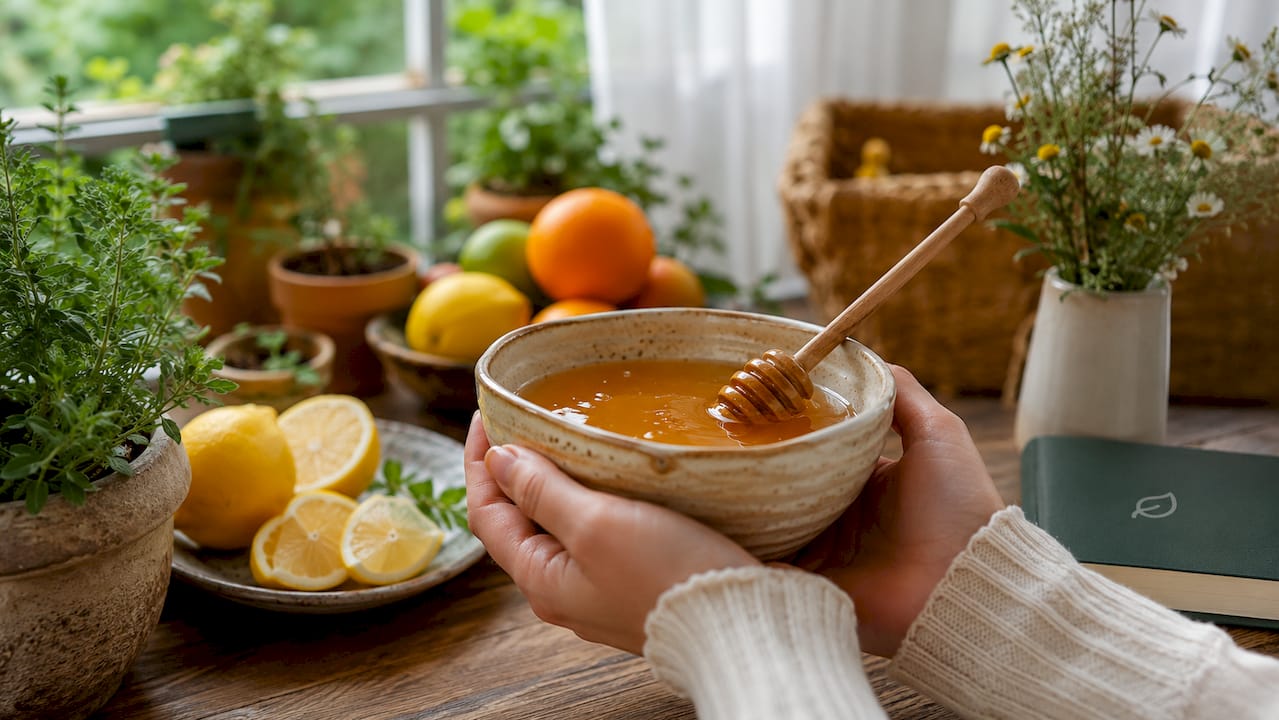
Raw honey is one of the most well-researched home health treatments available. Honey soothes coughs effectively in children and adults aged 1 year and older, with 1–2 teaspoons used as needed. That makes it a practical first response before reaching for over-the-counter syrups. Applied topically, honey also supports wound healing by creating a moist, antimicrobial barrier over minor cuts and burns.
Pro Tip: Never give honey to infants under 1 year old. The botulism risk is real and non-negotiable, regardless of honey type or brand.
2. Peppermint oil for digestive relief
Peppermint oil targets one of the most common complaints people bring to wellness practitioners: digestive discomfort. Enteric-coated peppermint oil is clinically supported to reduce IBS-related cramps and bloating. The enteric coating matters because it prevents the oil from releasing in the stomach, where it can cause heartburn, and allows it to reach the intestines where it works. A few drops in warm water also eases general indigestion for people without IBS.
3. Elderberry for respiratory support
Elderberry (Sambucus nigra) has been used for respiratory illness for centuries, and modern research backs that tradition. Elderberry preparations carry anti-inflammatory and anti-influenza properties, with bioactive phenolics that also show cardioprotective and neuroprotective effects. That range of activity makes elderberry one of the more versatile herbal remedies for health. Syrups and lozenges are the most common forms, and both deliver the active compounds effectively.
4. Ginger for nausea and inflammation
Ginger works for nausea across a wide range of situations. Ginger reduces nausea and inflammation and has proven effective for pregnancy-related morning sickness, motion sickness, and post-operative nausea. You can use it as a tea, chew fresh root, or take it in capsule form. Its anti-inflammatory compounds, called gingerols, also make it useful for joint discomfort and muscle soreness after exercise.
5. Turmeric for pain and immune support
Turmeric is the most widely used anti-inflammatory spice in integrative medicine. Turmeric's anti-inflammatory benefits support pain relief and immune health, making it a staple in natural wellness routines. The active compound, curcumin, absorbs poorly on its own. Pairing turmeric with black pepper increases curcumin absorption significantly. Turmeric milk, sometimes called "golden milk," is the most practical daily format for most people.
6. Aloe vera for skin irritation and burns
Aloe vera gel is the go-to DIY wellness tip for minor burns, sunburn, and skin irritation. The gel from fresh leaves contains compounds that reduce inflammation and speed surface healing. For eczema-prone skin, aloe provides a gentle, fragrance-free moisturizing option that does not disrupt the skin barrier. Always patch test aloe on a small area before applying it widely, especially if your skin is sensitive.
7. Chamomile tea for sleep and relaxation
Chamomile is one of the safest and most studied herbal remedies for health, particularly for sleep and anxiety. A cup of chamomile tea 30–45 minutes before bed signals the nervous system to wind down. The active compound, apigenin, binds to receptors in the brain that promote relaxation without the grogginess associated with sleep medications. Chamomile also eases mild stomach cramps, making it a two-in-one remedy for evening discomfort.
8. Coconut oil for dry skin and eczema
Coconut oil is a reliable, low-cost option for managing dry skin and mild eczema flares. Its fatty acid profile creates a protective layer that locks in moisture and reduces transepidermal water loss. Apply it to damp skin right after a shower for the best absorption. People with tree nut allergies should check with a healthcare provider before using coconut oil, as reactions are rare but possible.
9. Saline nasal irrigation for congestion
Saline nasal irrigation clears mucus, allergens, and irritants from the nasal passages more effectively than most oral decongestants. The method is simple: a saline solution is flushed through one nostril and exits the other. The critical safety rule is water quality. Sterile, distilled, or boiled water must be used for nasal irrigation to avoid dangerous infections. Tap water can carry microorganisms that cause serious harm when introduced directly into the nasal cavity.
10. Prunes and probiotics for digestive health
Prunes are one of the most effective natural wellness solutions for constipation, backed by consistent clinical evidence. They contain sorbitol, a natural sugar alcohol that draws water into the intestines, and fiber that feeds beneficial gut bacteria. Pairing prunes with a daily probiotic, such as Lactobacillus or Bifidobacterium strains, supports a balanced gut microbiome. A healthy gut microbiome connects to better immunity, mood, and energy levels.
How to use home remedies safely and effectively
Safe use of natural treatments requires the same care you would give any health product. Follow these core guidelines:
-
Respect age restrictions. Honey is safe for ages 1 and up, but infants under 1 year must never consume it due to botulism risk. Age limits exist for good reasons and apply regardless of honey type.
-
Patch test all topical remedies. Apply a small amount of any new topical treatment, including tea tree oil, aloe vera, or coconut oil, to your inner forearm. Wait 24–48 hours before full application. Patch testing reduces allergic reaction risks substantially and takes less than a minute to do.
-
Use sterile water for nasal irrigation. Tap water is not safe for nasal rinses. Use sterile, distilled, or water that has been boiled and cooled.
-
Check quality and sourcing. Natural does not always mean safe. Regulatory authorities consistently flag quality, sourcing, and drug interactions as the top risks with herbal products. Buy from reputable suppliers and check for third-party testing.
-
Know when to see a professional. Home remedies work well for mild, common complaints. Persistent symptoms, high fever, chest pain, or any worsening condition requires medical evaluation. A personalized health assessment from a qualified provider adds a layer of safety that self-treatment alone cannot provide.
Pro Tip: Keep a simple wellness log. Note which remedies you use, the dose, and how you feel. Patterns emerge quickly, and you will know what works for your body specifically.
Integrating natural remedies into a wellness routine
Natural remedies work best as one part of a larger picture. Home remedies complement healthy habits rather than replace them for sustainable wellness. That means sleep, nutrition, hydration, and movement are not optional extras. They are the foundation that makes every remedy more effective.
| Wellness Pillar | How it supports remedies |
|---|---|
| Sleep (7–9 hours) | Allows the body to repair and amplifies anti-inflammatory effects of remedies like turmeric and ginger |
| Hydration (8+ cups daily) | Improves absorption of herbal teas and supports nasal irrigation effectiveness |
| Balanced nutrition | Provides cofactors that activate plant compounds like curcumin in turmeric |
| Regular movement | Reduces baseline inflammation, making remedies more effective at lower doses |
| Stress management | Lowers cortisol, which otherwise blocks the immune-supporting effects of elderberry and honey |
Mindful stress management, whether through breathwork, meditation, or time outdoors, directly supports the effectiveness of the remedies you use. Chronic stress raises cortisol, which suppresses immune function and slows healing. No remedy fully compensates for unmanaged stress.
Personalization matters more than most people realize. Integrative medicine experts highlight root-cause treatment over symptom management as the defining feature of effective natural health care. A remedy that works well for one person may be irrelevant for another with the same complaint but a different underlying cause. Pay attention to your own patterns and adjust accordingly.
Key takeaways
The most effective approach to home remedies for wellness combines evidence-backed natural treatments with consistent healthy lifestyle habits and proper safety practices.
| Point | Details |
|---|---|
| Lead with proven remedies | Honey, ginger, turmeric, and peppermint oil all carry clinical support for specific health concerns. |
| Safety rules are non-negotiable | Age restrictions, patch testing, and sterile water for nasal irrigation prevent serious harm. |
| Remedies complement, not replace | Sustainable wellness requires sleep, nutrition, hydration, and movement as the foundation. |
| Personalize your approach | Root-cause thinking outperforms one-size-fits-all symptom management every time. |
| Source quality products | Third-party tested, reputable suppliers reduce the risk of contamination and drug interactions. |
What I have learned from years of watching people use natural remedies
People tend to make one of two mistakes with natural remedies. They either dismiss them entirely, assuming anything without a prescription label cannot work, or they treat them as a cure-all and skip the lifestyle work that makes remedies effective in the first place.
The truth sits firmly in the middle. I have seen ginger tea do more for pregnancy nausea than any antiemetic a nervous patient was reluctant to take. I have also seen people spend months cycling through herbal supplements while sleeping five hours a night and wondering why nothing helped. The remedy was never the problem. The foundation was missing.
The other thing I would push back on is the idea that "natural" automatically means gentle or risk-free. Quality, sourcing, and drug interactions matter with herbal products just as they do with pharmaceuticals. St. John's Wort, for example, interacts with antidepressants and birth control. Knowing this is not a reason to avoid natural remedies. It is a reason to stay informed and consult a qualified practitioner when you are managing more than a minor complaint.
The best thing you can do for your natural wellness practice is keep learning. Read the evidence, respect the safety guidelines, and work with practitioners who understand both conventional and integrative approaches. That combination produces results that neither approach achieves alone.
— Andrew
Holistic health support beyond home remedies
Home remedies give you a strong starting point. When you want to go deeper, working with a certified practitioner adds the personalized guidance that self-treatment cannot fully provide.

Goholistic connects you with verified holistic health practitioners across disciplines including acupuncture, Ayurveda, and massage therapy. The platform uses AI to match your specific health concerns with evidence-based treatments drawn from a library of over 200 therapy types. Whether you are managing a chronic issue or building a long-term wellness routine, you can browse, filter, and book directly with licensed providers. Find a certified holistic practitioner who fits your needs and get started at your own pace.
FAQ
What are the safest home remedies for wellness?
Raw honey, ginger tea, chamomile, and saline nasal irrigation are among the safest options when used correctly. Always follow age restrictions and patch test topical remedies before full use.
Can home remedies replace medical treatment?
Home remedies work well for mild, common health concerns but do not replace professional medical care for serious or persistent conditions. Use them as a complement to, not a substitute for, medical advice.
Is it safe to give honey to young children?
Honey is safe for children aged 1 year and older. Infants under 1 year must never consume honey due to the risk of infant botulism, a serious and potentially fatal condition.
How do I know if a natural remedy is high quality?
Look for products with third-party testing, clear ingredient sourcing, and no undisclosed additives. Regulatory authorities flag poor sourcing and contamination as the top risks with herbal products.
How does peppermint oil help with digestion?
Enteric-coated peppermint oil capsules release in the intestines rather than the stomach, reducing IBS-related cramps and bloating without causing heartburn. This specific format is the one with the strongest clinical backing for digestive relief.