

TL;DR:
- Holistic pet care treats animals as whole beings by combining nutrition, environment, mental health, and physical wellness.
- It emphasizes personalized, evidence-based approaches including whole-food diets, daily routines, and complementary therapies alongside conventional veterinary care.
Holistic pet care is defined as treating your pet as a whole being, addressing nutrition, environment, mental health, and physical wellness together rather than managing symptoms in isolation. The American Holistic Veterinary Medical Association (AHVMA) recognizes this integrative approach as a legitimate framework for supporting long-term animal health. Consumer interest has grown sharply, with the functional pet food market reaching $25.42 billion by early 2026. That number reflects a clear shift: pet owners want more than reactive care. These holistic pet care ideas give you a practical, whole-being plan built on nutrition, daily habits, and alternative therapies.
1. Which holistic pet nutrition practices best support wellness?
Nutrition is the foundation of every effective natural health plan for pets. Whole, minimally processed foods deliver nutrients in forms the body can actually absorb, a quality called bioavailability. Cooked homemade diets using quality proteins and vegetables rapidly improve chronic issues like dull coats and poor digestion. That improvement happens because whole-food nutrients support biological resilience rather than just masking deficiency.

Functional ingredients make a measurable difference in daily wellness. Blueberries deliver antioxidants that reduce cellular inflammation. Chicory root acts as a prebiotic, feeding beneficial gut bacteria. Omega fatty acids from sources like sardines or flaxseed support skin, coat, and joint health. High-quality holistic diets with these ingredients reduce reliance on synthetic supplements over time.
Label literacy matters more than most pet owners realize. The terms "holistic" and "natural" on pet food packaging carry no legal definition. Neither the FDA nor AAFCO regulates the word "holistic" on a pet food label, so marketing claims can be misleading. Prioritize ingredient transparency, AHVMA-aligned certifications, and short ingredient lists with named protein sources.
- Choose foods with a named protein (chicken, salmon, lamb) as the first ingredient
- Look for limited-ingredient formulas if your pet shows signs of food sensitivity
- Add functional toppers like blueberries, pumpkin puree, or sardines to existing meals
- Avoid artificial preservatives, colors, and unnamed "meat by-products"
- Consult a holistic nutrition specialist before switching to a homemade diet
Pro Tip: Transition any new diet over 7–10 days by mixing increasing amounts of the new food with the old. Abrupt changes stress the digestive system and make it harder to identify which ingredient caused any reaction.
2. What simple daily wellness routines can pet owners adopt?
A daily routine does not need to be complicated to be effective. Practitioners recommend a 10–15 minute daily wellness routine combining exercise, mindful interaction, and behavior observation. That short window is enough to catch early signs of illness, reinforce bonding, and support nervous system regulation in your pet.
Mental stimulation is as important as physical exercise. Enrichment activities like puzzle feeders, scent games, and novel textures reduce anxiety and prevent boredom-driven behavior problems. For cats, window perches and rotating toys serve the same purpose. For dogs, a "therapeutic sniff walk" where you let the dog lead and sniff freely provides neurological enrichment that a brisk structured walk does not.
Herbal remedies fit naturally into a daily routine when used correctly. Chamomile tea (cooled and diluted) can calm mild anxiety. Calendula applied topically supports skin healing. Always confirm safety with your vet before introducing any herb, since some plants safe for humans are toxic to dogs or cats.
- Start with a two-minute body scan: run your hands along your pet's body to check for lumps, tenderness, or coat changes
- Spend five minutes on active play or a structured walk
- Add one minute of calm, focused touch like gentle ear massage or slow stroking
- Observe eating and elimination patterns before ending the routine
- Rotate enrichment activities every few days to maintain novelty
Pro Tip: Use habit stacking to make the routine stick. Attach your pet's wellness check to something you already do daily, like your morning coffee or evening wind-down. Small, incremental wellness habits are far more sustainable than ambitious plans that fade after a week.
3. Which alternative therapies complement natural pet care effectively?
Alternative pet therapies work best as additions to conventional veterinary care, not replacements. Holistic veterinary care blends traditional and alternative treatments, including acupuncture, chiropractic adjustments, and nutritional support, to provide minimally invasive options tailored to each animal. This integrative model is especially effective for managing chronic conditions like arthritis, anxiety, and allergies.
Acupuncture is the most researched alternative therapy in veterinary medicine. It uses blunt needles to stimulate the nervous system, relieving pain and treating musculoskeletal disease, allergies, and even some cancer-related discomfort. Dr. Neal Sivula, a past president of the AHVMA, describes veterinary acupuncture as a minimally invasive tool that activates the body's own healing pathways. Most pets tolerate it well after the first session.
Chiropractic adjustments restore proper spinal alignment, which directly affects nerve communication throughout the body. Misalignment from injury, aging, or repetitive movement patterns can cause pain and reduced mobility. Certified animal chiropractors use gentle, targeted pressure rather than the forceful manipulation used in human practice.
Massage therapy reduces cortisol levels, improves circulation, and accelerates recovery from soft tissue injuries. You can learn basic pet massage techniques from a certified practitioner and apply them at home between professional sessions.
- Acupuncture: pain relief, allergy management, nervous system support
- Chiropractic care: joint alignment, mobility improvement, post-injury recovery
- Massage therapy: stress reduction, circulation, muscle recovery
- Hydrotherapy: low-impact exercise for arthritic or post-surgical pets
- Laser therapy: non-invasive tissue healing and inflammation reduction
When selecting a practitioner, verify credentials through the AHVMA or the International Veterinary Acupuncture Society (IVAS). A vetted holistic provider will always coordinate with your primary vet rather than work in isolation.
4. How do natural and homeopathic remedies fit into pet wellness?
Natural pet remedies address common health concerns without the side effects associated with long-term pharmaceutical use. Liquid formulations are particularly effective because they absorb faster than capsules or tablets, making them practical for pets that resist pills. Over 46,000 pet owners globally have adopted natural and homeopathic remedies, moving away from synthetic options. That adoption reflects growing confidence in evidence-supported natural approaches.
Common applications include anxiety support, joint health, and skin conditions. For anxiety, remedies containing valerian root or passionflower have documented calming effects in dogs. For joint health, natural anti-inflammatories like turmeric (with black pepper to aid absorption) and natural joint support formulas can reduce stiffness in aging pets. For skin conditions, omega-3 supplementation and topical aloe vera address inflammation at the source.
Homeopathy remains more controversial than herbal medicine in veterinary circles. The evidence base is thinner, and dosing requires precision. Work with a certified homeopathic vet rather than self-prescribing, especially for serious conditions.
- Valerian root and passionflower: anxiety and stress reduction
- Turmeric with black pepper: joint inflammation support
- Omega-3 fatty acids: skin, coat, and immune function
- Calendula: topical wound and skin healing
- Milk thistle: liver support, especially for older pets on long-term medications
Pro Tip: Always confirm natural remedies with your vet before starting, particularly if your pet takes prescription medications. Some herbs interact with common drugs. Use remedies with published research behind them, and track your pet's response over at least four weeks before drawing conclusions.
5. What to consider when choosing holistic pet care ideas
Choosing the right approach requires critical thinking, not just enthusiasm. The word "holistic" carries no regulatory definition in pet food or pet care products. That means any brand can use it freely. Evaluate products and practitioners by asking for ingredient transparency, bioavailability data, and verifiable certifications rather than accepting marketing language at face value.
Personalized plans outperform generic protocols. A senior dog with arthritis needs a different combination of nutrition, therapy, and supplementation than a young anxious cat. Evidence-based holistic methods work best when tailored to the individual animal's age, breed, health history, and temperament. Start with one change at a time so you can accurately assess what is working.
The integrative model, combining conventional veterinary diagnostics with natural therapies, produces the best outcomes for chronic conditions. Bloodwork, imaging, and physical exams give you a baseline. Natural therapies then address root causes and support quality of life alongside any necessary medical treatment.
| Evaluation area | What to look for |
|---|---|
| Product labeling | Named ingredients, no vague "natural" claims, AAFCO compliance |
| Practitioner credentials | AHVMA certification, IVAS membership, vet coordination |
| Therapy evidence | Published research or clinical case data, not testimonials alone |
| Ingredient bioavailability | Whole-food sources, minimal processing, no synthetic fillers |
| Implementation pace | One change at a time, four-week assessment windows |
Continuing education matters for pet owners too. Follow AHVMA publications, attend integrative vet consultations, and stay current with ingredient research. The field evolves quickly, and what was considered fringe five years ago often has solid evidence behind it today.
Key takeaways
The most effective approach to natural pet wellness combines whole-food nutrition, consistent daily habits, and evidence-backed alternative therapies tailored to your individual pet's needs.
| Point | Details |
|---|---|
| Nutrition is the foundation | Prioritize whole, minimally processed foods with named proteins and functional ingredients like omega fatty acids. |
| Daily routines need only 10–15 minutes | Combine exercise, mindful touch, and behavior observation to catch health changes early. |
| Alternative therapies work best alongside conventional care | Acupuncture, chiropractic, and massage complement standard vet treatment for chronic conditions. |
| "Holistic" is not a regulated label | Evaluate products by ingredient bioavailability and practitioner certifications, not marketing terms. |
| Start with one change at a time | Incremental habit stacking improves adherence and makes it easier to track what actually works. |
What I've learned from watching holistic pet care in practice
The biggest mistake I see pet owners make is treating natural care as an all-or-nothing decision. They either go fully conventional or try to replace everything with herbs and supplements overnight. Neither approach serves the animal well.
What actually works is patience and precision. A dog with chronic skin issues rarely needs a complete overhaul. Adding omega-3s, switching to a limited-ingredient food, and booking one acupuncture session often produces visible improvement within a month. That result builds confidence and makes the next step easier.
The owners who see the best outcomes treat their vet as a partner, not an obstacle. They bring their holistic plan to appointments, ask for baseline bloodwork, and track changes systematically. That combination of conventional diagnostics and natural support is where the real results live.
Mindful pet ownership also means knowing when natural care is not enough. Infections, injuries, and acute illness need conventional medicine. Natural therapies shine in prevention, chronic condition management, and quality-of-life support. Keeping that distinction clear protects your pet and keeps your trust in both approaches intact.
— Andrew
Natural pet wellness support from Goholistic
Goholistic connects pet owners with certified holistic practitioners across disciplines including acupuncture, massage therapy, and nutritional counseling. The platform uses AI to match your pet's specific health concerns with evidence-backed treatments and verified providers, so you spend less time searching and more time acting.
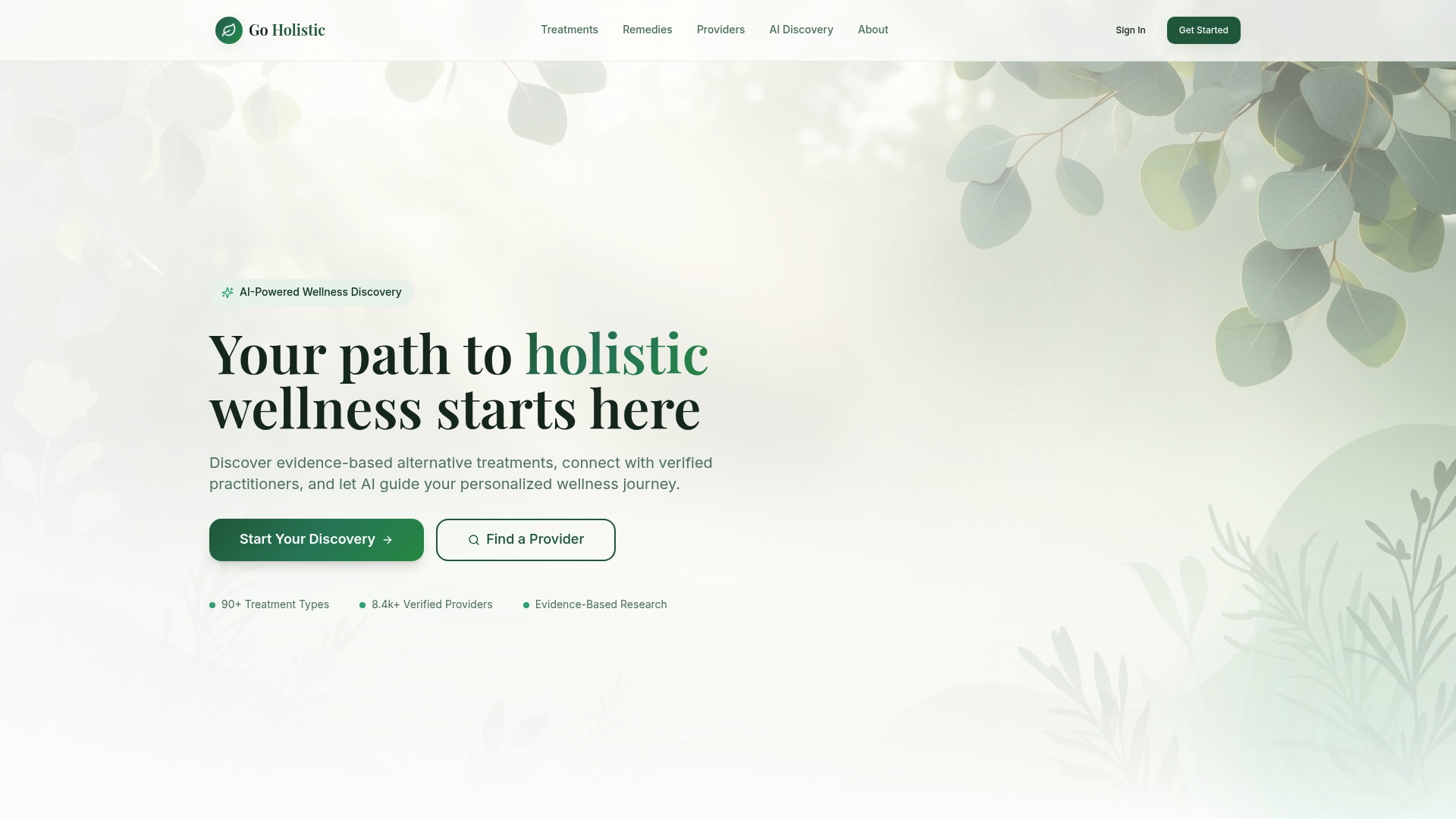
Whether you are starting with nutrition or ready to book an integrative vet consultation, Goholistic gives you a curated path forward. Browse the holistic provider directory to find practitioners near you, filter by specialty, and book directly through the platform. Free and premium plans are available, making integrative pet care accessible at any stage of your wellness plan.
FAQ
What is holistic pet care?
Holistic pet care treats the whole animal by addressing nutrition, mental health, physical wellness, and environment together. The American Holistic Veterinary Medical Association (AHVMA) defines it as an integrative approach that combines conventional and alternative therapies.
Are natural pet remedies safe for dogs and cats?
Most natural remedies are safe when used correctly and confirmed with a veterinarian. Some herbs safe for humans, like garlic and xylitol-containing plants, are toxic to dogs and cats, so vet consultation before starting any remedy is non-negotiable.
How long does it take to see results from holistic pet nutrition?
Whole-food diets with functional ingredients typically show visible improvements in coat quality and digestion within four to eight weeks. Chronic conditions like skin inflammation may take longer to respond fully.
What credentials should a holistic vet have?
Look for certification through the AHVMA or the International Veterinary Acupuncture Society (IVAS). A qualified holistic vet will coordinate with your primary veterinarian rather than work independently of conventional diagnostics.
Can holistic care replace conventional veterinary treatment?
Holistic care works best alongside conventional medicine, not as a replacement. Acute illness, infections, and injuries require standard veterinary intervention. Natural therapies excel at prevention, chronic condition support, and improving quality of life.