

TL;DR:
- Safe home remedies, such as honey, ginger, turmeric, and aloe vera, are effective when used within proven dosage ranges and safety profiles. Proper quality control, awareness of drug interactions, and foundational habits like hydration and sleep are essential for safe and successful natural healing. Limit self-treatment to 48-72 hours and consult healthcare professionals if symptoms persist or worsen.
Safe home remedies are natural treatments proven to reduce common symptoms effectively and with minimal risk when used correctly. Honey, ginger, turmeric, and aloe vera sit at the top of the evidence-backed list, each with documented mechanisms and clear safety profiles. The key distinction between a remedy that helps and one that harms is not the ingredient itself but how you use it. This guide covers the most effective natural healing solutions available, explains exactly how to apply them, and tells you when to step back and call a professional.
1. What makes a home remedy truly safe?
Safe home remedies are defined by three factors: scientific evidence of effectiveness, a clear dosage range, and a known safety profile for your specific situation. The word "natural" does not automatically mean safe. Many herbs carry strong pharmacological effects and can cause side effects or interact with medications depending on dose and health status. A remedy that works beautifully for one person can be harmful for someone on blood thinners or with a thyroid condition. Always start with what the research supports, not what a wellness trend promotes.
2. Honey for cough and sore throat
Honey is one of the most well-studied safe DIY remedies for upper respiratory symptoms. Honey reduces cough frequency and soothes throat irritation in children over one year old and adults. One to two teaspoons stirred into warm water or herbal tea is the standard dose. Never give honey to infants under 12 months due to the risk of infant botulism. Medical-grade Manuka honey goes a step further, with documented antibacterial properties used in wound care.
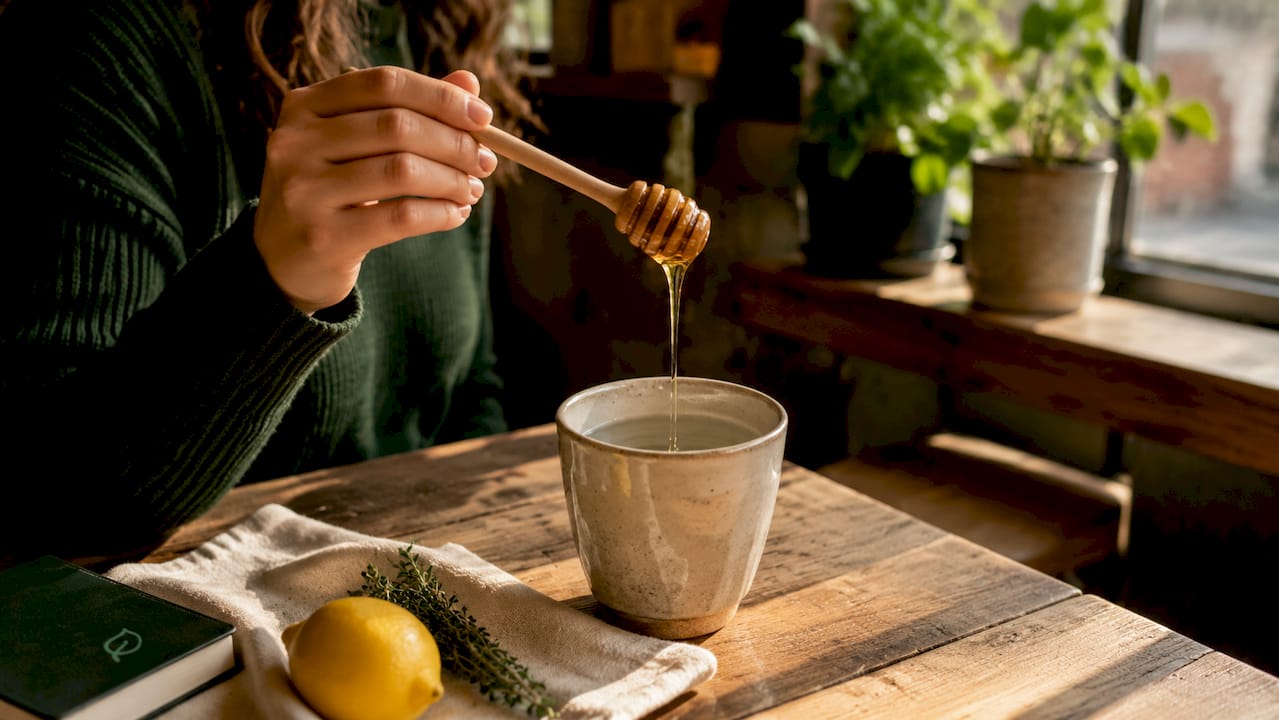
Pro Tip: Add a squeeze of fresh lemon to your honey and warm water drink. The vitamin C supports immune function while the honey coats the throat.
3. Ginger for nausea and digestion
Ginger is among the most clinically supported effective home treatments for nausea. Ginger powder at 1 gram daily relieves nausea from pregnancy, motion sickness, and chemotherapy, and is better tolerated than some antiemetic medications. You can use it as fresh root steeped in hot water, as a powder in capsule form, or as unsweetened ginger tea. The active compounds, gingerols and shogaols, act directly on the digestive tract and the brain's nausea centers. Stick to one gram daily for therapeutic use and avoid high doses if you take blood-thinning medications.
4. Turmeric for inflammation
Turmeric's active compound, curcumin, has a well-documented anti-inflammatory effect supported by hundreds of clinical studies. The practical challenge is absorption. Curcumin is poorly absorbed on its own, but pairing it with black pepper (which contains piperine) increases bioavailability significantly. A common effective dose is 500 to 1,000 milligrams of curcumin daily with meals. People on anticoagulant medications like warfarin should consult a doctor before using turmeric therapeutically, as it can amplify blood-thinning effects.
5. Aloe vera for skin irritations and minor burns
Aloe vera gel applied directly to sunburn, minor kitchen burns, or skin irritation provides cooling relief and supports tissue repair. The gel contains compounds called acemannan and anthraquinones, which reduce inflammation and promote wound healing. Use the clear inner gel from a fresh leaf or a product with at least 99% pure aloe vera and no added alcohol. Before applying aloe to a larger area of skin, perform a patch test on your forearm and wait 24 hours to rule out an allergic reaction. Aloe is for external use only; oral aloe latex is a strong laxative and not recommended for self-treatment.
6. Peppermint and eucalyptus for congestion
Eucalyptus and peppermint essential oils, used as vapor inhalations, are among the most practical non-toxic home cures for nasal congestion. Inhaled eucalyptus and peppermint open airways and reduce the sensation of stuffiness without the rebound congestion associated with decongestant sprays. Add two to three drops to a bowl of hot water, drape a towel over your head, and inhale for five to ten minutes. Never ingest essential oils and always dilute them before any skin contact. People with asthma or reactive airways should use these with caution, as strong vapors can trigger bronchospasm.
7. Safe nasal irrigation
Saline nasal rinses clear mucus, allergens, and irritants from the nasal passages and are one of the most evidence-supported home remedy tips for sinus congestion and allergies. The critical safety rule: never use tap water in a neti pot or nasal rinse device. Use only sterile, distilled, or water that has been boiled and fully cooled. Tap water can carry microorganisms that are harmless when swallowed but dangerous when introduced directly into the nasal cavity. A simple saline solution of one teaspoon of non-iodized salt per two cups of sterile water is all you need.
8. How to ensure safety with herbal supplements
Herbal supplements occupy a gray zone between food and medicine, and quality control is a real concern. Up to 30% of herbal supplements may contain contaminants like heavy metals or undisclosed ingredients. This means the label alone cannot be trusted. Look for products certified by third-party organizations like USP (United States Pharmacopeia), NSF International, or ConsumerLab. These certifications confirm that what is on the label is actually in the bottle and that no harmful contaminants are present. You can find a detailed breakdown of what to look for in a safe herbal supplements guide from Goholistic.
One of the most important drug interactions to know: St. John's Wort interferes with birth control pills, antidepressants, and several other medications by speeding up liver enzymes that break down drugs. Lemon balm and ashwagandha also carry interaction risks with sedatives and thyroid medications. Always tell your doctor and pharmacist about every supplement you take, even if it feels minor.
Pro Tip: Keep a running list of every supplement, herb, and remedy you use and bring it to every medical appointment. Your pharmacist can check for interactions in minutes.
9. Immune health and recovery fundamentals
No single remedy replaces the foundational habits that determine how fast your body recovers. Hydration, rest, and whole-food nutrition are the most important steps for immune support during minor illness. These are not optional add-ons to your remedy routine. They are the base on which every other natural healing solution works.
Here is what the evidence recommends:
- Hydration: Aim for 2.5 to 3 liters of water daily during illness. Fluids thin mucus, prevent dehydration, and support kidney function as your body clears waste.
- Sleep: Seven to nine hours of quality sleep per night is the single most effective recovery tool available. Sleep is when your immune system produces cytokines, the proteins that fight infection and inflammation.
- Nutrition: Fermented foods like yogurt and kimchi support gut microbiome diversity. A diet with 30 or more different plant foods per week feeds the beneficial bacteria that regulate immune response. Foods like garlic, citrus, and leafy greens provide immune-boosting nutrients that no supplement fully replicates.
- Stress reduction: Chronic stress suppresses immune function. Even five minutes of slow breathing or a short meditation session lowers cortisol and supports your body's natural defenses.
- Rest: Reducing physical output during illness is not laziness. It redirects energy toward healing.
10. When to stop and seek medical care
Home care for minor illnesses is appropriate for a defined window of time. Limit self-treatment to 48 to 72 hours and seek medical attention if symptoms persist, worsen, or include high fever, difficulty breathing, chest pain, or confusion. These are red flags that signal your body needs more than a natural remedy can provide. Children, pregnant women, older adults, and people with chronic conditions should set a lower threshold for calling a doctor. Natural care and conventional medicine work best together, not as substitutes for each other.
11. How to integrate home remedies into your routine
Building a sustainable home remedy practice means starting slow and staying organized. The following approach keeps you safe and helps you identify what actually works for your body:
- Start with the fundamentals first. Diet, hydration, and sleep produce results before you add any specific remedy.
- Introduce one new remedy at a time. If you start three things simultaneously and feel better or worse, you will not know which one made the difference.
- Keep a symptom journal. Note what you took, the dose, the time, and how you felt. Patterns become clear within a week.
- Use evidence-based wellness practices as your reference point when evaluating new remedies.
- Communicate openly with your healthcare provider. Bring your journal and your supplement list to every visit.
- Avoid using any single remedy continuously for more than four to six weeks without professional guidance. Long-term unsupervised use of even well-tolerated herbs can cause cumulative effects.
The goal is not to replace medical care. It is to support your body's own healing capacity with the least invasive, most evidence-backed tools available, as part of a non-invasive holistic approach to your overall health.
Key takeaways
Safe home remedies work best when you combine evidence-backed ingredients like honey, ginger, and turmeric with proper dosing, quality products, and the foundational habits of hydration, sleep, and nutrition.
| Point | Details |
|---|---|
| Evidence matters | Choose remedies with clinical backing, not just tradition or trend. |
| "Natural" is not always safe | Herbs like St. John's Wort interact with medications and require disclosure to your doctor. |
| Quality control is critical | Buy supplements certified by USP, NSF, or ConsumerLab to avoid contaminants. |
| Foundations come first | Hydration, sleep, and whole-food nutrition support recovery more than any single remedy. |
| Know your time limit | Self-treat for 48 to 72 hours maximum, then seek medical care if symptoms do not improve. |
What I've learned from years of watching people use natural remedies
The most common mistake I see is treating "natural" as a synonym for harmless. People take St. John's Wort without telling their doctor, apply undiluted essential oils directly to their skin, and give honey-based remedies to infants. These are not fringe cases. They happen regularly, and they are entirely preventable.
What actually works is a more grounded approach. You pick one or two well-researched remedies, use them at the right dose, and treat them with the same respect you would give any other therapeutic substance. Honey for a sore throat is genuinely effective. Ginger for nausea has solid clinical evidence behind it. But neither of these replaces the value of telling your doctor what you are taking.
I have also noticed that the people who get the most out of natural care are the ones who treat it as a complement to professional guidance, not a replacement for it. They sleep well, eat real food, stay hydrated, and then add a targeted remedy on top of that foundation. The remedy becomes the finishing touch, not the entire strategy. That shift in thinking changes everything.
The integrative model, where traditional knowledge meets scientific evidence and professional oversight, is where natural healing is most effective and most safe. If you are curious about going deeper, a step-by-step natural remedy guide can help you build that foundation with confidence.
— Andrew
Ready to take your natural healing further?
Knowing which remedies work is a strong start. Having a qualified practitioner guide your choices is what makes natural care truly personal and safe.
Goholistic connects you with certified holistic health practitioners across disciplines including Ayurveda, acupuncture, naturopathy, and herbal medicine. You can browse the full holistic health treatments library, filter by your health concern, and book directly with a verified provider. Whether you are managing a recurring issue or simply want to build a smarter wellness routine, professional guidance makes your natural healing practice more effective and far less guesswork. Get started at Goholistic and find the right support for your health goals.
FAQ
Is honey safe for all ages?
Honey is safe and effective for children over one year old and adults, but it must never be given to infants under 12 months due to the risk of botulism.
How do I know if an herbal supplement is safe to buy?
Look for third-party certification from USP, NSF International, or ConsumerLab, which confirms the product contains what the label states and is free from harmful contaminants.
Can natural remedies interact with prescription medications?
Yes. St. John's Wort, ashwagandha, and lemon balm are among the herbs known to interact with common medications including antidepressants, birth control, and thyroid drugs. Always disclose all supplements to your doctor and pharmacist.
How long should I use a home remedy before seeing a doctor?
Self-treatment for minor illnesses is appropriate for 48 to 72 hours. Seek medical care if symptoms worsen, persist beyond that window, or include high fever, breathing difficulty, or chest pain.
What is the safest water to use in a nasal rinse?
Use only sterile, distilled, or water that has been boiled and fully cooled. Tap water carries microorganisms that are safe to drink but can cause serious infections when introduced into the nasal passages.