
TL;DR:
- Herbal supplements are unregulated by the FDA, so safety and efficacy rely on individual research and certification.
- Choosing products with third-party seals, reading labels carefully, and consulting healthcare providers ensures safe, effective use within your health context.
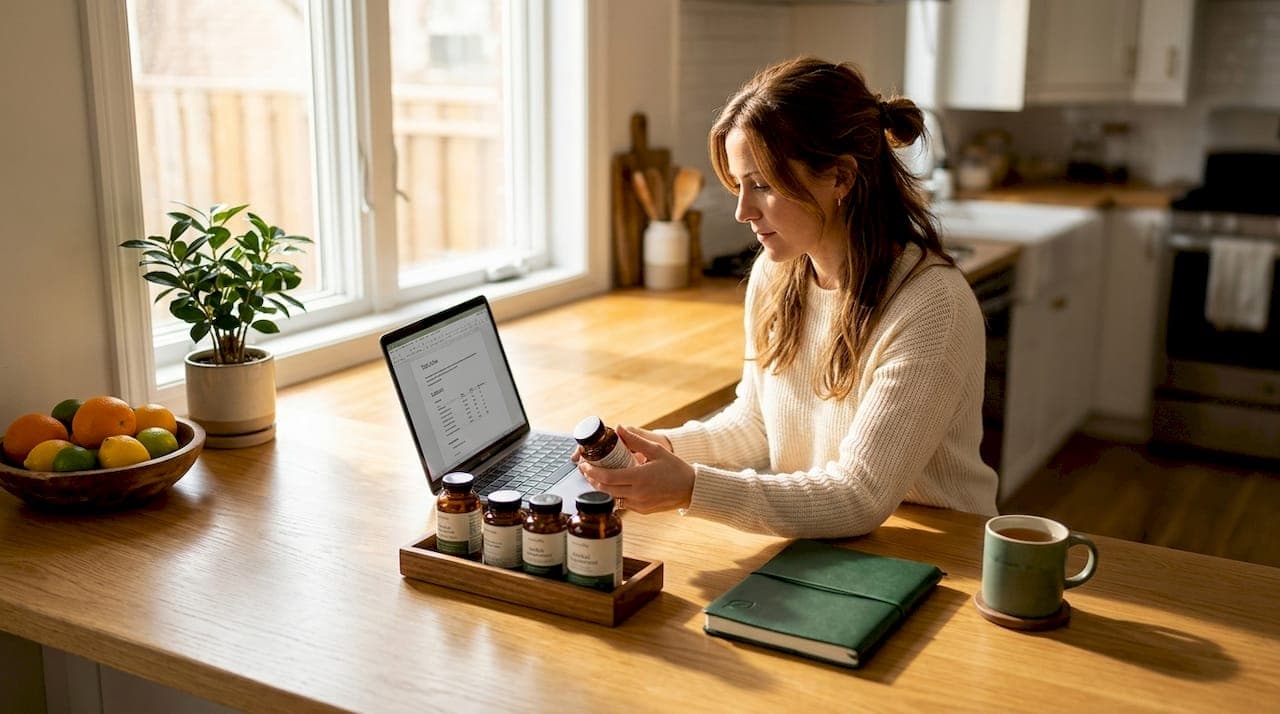
Choosing the right herbal supplement can feel like searching for a single honest voice in a very crowded room. The shelves are full of promises, the labels are confusing, and the stakes are real, especially if you're managing a chronic condition or taking prescription medications. This safe herbal supplements guide cuts through the noise with evidence-based clarity. Herbal supplements are not regulated by the FDA like drugs and are not required to prove safety or effectiveness before reaching store shelves. That means the burden of knowing what's safe falls on you, and we're here to help you carry it wisely.
Table of Contents
- How to evaluate herbal supplements for safety and effectiveness
- Top safe herbal supplements and their evidence-based benefits
- Comparing popular herbal supplements: safety, interactions, and suitability
- Making safe herbal supplement choices for your health needs
- Why common beliefs about herbal supplements can be misleading
- Discover holistic health treatments tailored to you
- Frequently asked questions
Key Takeaways
| Point | Details |
|---|---|
| FDA regulation limits | Herbal supplements are not FDA regulated like drugs, so safety and purity vary widely. |
| Consult healthcare providers | Always discuss herbal supplement use with your doctor, especially if you have chronic illnesses or take medications. |
| Choose certified products | Select supplements certified by third parties like NSF or USP to ensure quality and safety. |
| Watch for interactions | Many herbs can interact with medications, affecting drug effectiveness or causing side effects. |
| Prioritize whole foods | Focus on balanced diets and lifestyle habits before considering supplements for wellness. |
How to evaluate herbal supplements for safety and effectiveness
Before you add any supplement to your routine, understanding how to assess it is the most protective step you can take. This isn't about fear. It's about making informed choices that genuinely support your wellness without introducing new risks.
The regulatory gap is the first thing to understand. Herbal supplements may contain whole plants and are not subject to FDA clinical trials or strict manufacturing standards the way pharmaceutical drugs are. That means two bottles of the same herb from different brands can have very different concentrations, purity levels, and added ingredients.
Third-party certification is your best filter here. Organizations like NSF International and the U.S. Pharmacopeia (USP) independently test supplements for purity and accurate labeling. Choosing third-party tested supplements certified by NSF or USP gives you measurable assurance that what's on the label is what's in the bottle. This is one of the most practical pieces of natural supplements advice you'll find, and it costs you nothing extra to look for that seal.
Label reading is another skill worth building. Reading supplement labels safely means checking for the full ingredient list, the standardized extract percentage, serving size, and any listed contraindications. Supplements legally cannot claim to treat, cure, or prevent disease. If a label makes those kinds of claims, that's a red flag, not a selling point.
Here's what to look for before buying any herbal supplement:
- A third-party certification seal from NSF, USP, or ConsumerLab
- A complete list of active and inactive ingredients
- Clear dosage instructions with upper limits noted
- Country of origin for sourcing transparency
- Disclosure of potential allergens or interactions
- An expiration date and batch number for traceability
For those living with chronic conditions, herbal supplement safety requires one more non-negotiable step: consulting your healthcare provider. Some herbs interact with common medications in ways that aren't obvious, and a pharmacist or integrative medicine doctor can flag issues before they become problems. Exploring evidence-based wellness practices alongside professional guidance creates the strongest foundation.
Pro Tip: Before your next doctor's appointment, write down every supplement you take, including dosage and frequency. Bring that list with you. Many providers are surprised by how many patients are already taking herbs without disclosing them, and this one habit can prevent serious interactions.
Top safe herbal supplements and their evidence-based benefits
Not all herbs are created equal, and the best safe herbal remedies are ones backed by real research rather than just tradition or trending hashtags. Here are four commonly used supplements with meaningful safety profiles.
Cranberry is one of the more well-studied options in the botanical world. Cranberry supplements may decrease recurrent UTI risk in women who have experienced prior urinary tract infections and are generally considered safe at standard oral doses. Large amounts may cause stomach upset, so more is not better here.
Ashwagandha has gained real traction as an adaptogen, meaning it helps the body manage stress responses. Studies support its ability to lower cortisol and improve sleep quality at standard doses. However, ashwagandha is unsafe for autoimmune conditions, pregnancy, breastfeeding, or before surgery because it can stimulate immune activity and affect anesthesia. If any of those apply to you, this one is off the table without a doctor's sign-off.

Cinnamon shows some promise in supporting blood sugar regulation, particularly in people with insulin resistance. The key distinction is the type: Ceylon cinnamon is far safer than cassia cinnamon, which contains high levels of coumarin, a compound that can cause liver damage with regular high-dose use. Dietary amounts are fine. Capsules with concentrated cassia cinnamon require caution.
Sage has preliminary evidence supporting its use for sore throats and mild cognitive support. The concern is thujone, a naturally occurring compound in sage that becomes toxic at high doses. Occasional culinary use or a cup of sage tea is fine. High-dose sage supplements over extended periods are not.
When assessing any of these options, the approach that supports evidence-based wellness for holistic health always weighs benefit against individual risk, not just general population data.
Key takeaways for choosing the right herb:
- Match the supplement to a documented health concern, not a general "wellness" goal
- Research whether evidence comes from human trials or animal studies
- Check if the herb has specific contraindications for your health history
- Start with the lowest effective dose and evaluate your response before increasing
- Give any herb at least four to six weeks of consistent use before assessing results
Comparing popular herbal supplements: safety, interactions, and suitability
Understanding the benefits of herbal supplements matters, but so does knowing where the risks live. This side-by-side view gives you a practical reference for some of the most commonly used botanicals.
| Herb | Primary use | Key interactions | Contraindications | Best suited for |
|---|---|---|---|---|
| St. John's wort | Mild depression, mood | Antidepressants, birth control, anticoagulants | Depression treatment, surgeries | Adults not on prescription medications |
| Ashwagandha | Stress, sleep, energy | Thyroid medications, immunosuppressants | Autoimmune disease, pregnancy | Generally healthy adults managing stress |
| Cranberry | Urinary tract health | Blood thinners (high doses) | Kidney stones | Women with recurrent UTIs |
| Cinnamon (Ceylon) | Blood sugar balance | Diabetes medications | Liver disease | Adults with mild insulin sensitivity issues |
| Sage | Sore throat, cognition | Anticonvulsants | Hormone-sensitive conditions | Short-term use for throat symptoms |
| Goldenseal | Infections, digestion | Metformin, cyclosporine | Pregnancy, hypertension | Short-term use under practitioner guidance |
St. John's wort interacts with many medications and significantly increases serotonin syndrome risk when combined with antidepressants. It also reduces the effectiveness of birth control pills and anticoagulants. This is one of the most documented and serious herb-drug interactions in clinical literature, yet it remains widely underestimated by consumers.
Goldenseal is another herb that affects how your body processes certain drugs. It inhibits specific liver enzymes responsible for metabolizing medications like metformin. The result can be elevated drug levels in your bloodstream, which turns a standard dose into an accidental overdose. Always disclose goldenseal use to your prescribing provider.
Herbal supplements pose liver injury risks at high doses, particularly when purity cannot be guaranteed from the label alone. The NIH LiverTox database is a trustworthy resource for checking supplement-related liver risk before starting something new.
Pro Tip: If you are considering holistic methods for chronic health and want to include herbal supplements, bring the comparison table above to your next practitioner visit. It gives your provider a structured starting point for evaluating what's appropriate for your specific situation.
Making safe herbal supplement choices for your health needs
The most important step in any safe herbal supplements guide is the one that brings your individual health picture into focus. General safety data tells part of the story. Your personal health history, medications, and lifestyle write the rest.
Consult healthcare providers before starting herbal supplements, particularly if you live with a chronic condition or take any regular medication. This is not about being overly cautious. It is about recognizing that an herb that is perfectly safe for most people can be genuinely harmful for you depending on your context.
"Disclosure is protection. Many adverse events from herbal supplements happen not because the herb is dangerous on its own, but because the person taking it did not tell their doctor."
Many users omit supplements when disclosing medications to their healthcare providers, which creates a real risk of dangerous interactions going undetected. Even if your provider did not ask, you should always volunteer that information.
Here is a practical framework for personalizing your supplement decisions:
- Identify a specific goal. Are you addressing a documented deficiency, a recurring symptom, or supporting a lifestyle habit? Specificity leads to better choices.
- Get tested first. Blood work can confirm whether you actually need a supplement. Vitamin D deficiency, for example, is common but still needs confirmation before supplementing.
- Consult a licensed herbalist or integrative practitioner. These professionals understand botanical medicine at a clinical level and can tailor recommendations to your health history.
- Start one supplement at a time. Adding multiple herbs at once makes it impossible to identify which one is responsible if side effects appear.
- Set a review window. Commit to a defined period, such as six to eight weeks, then reassess whether the supplement is still necessary.
- Stop at the first sign of trouble. Nausea, skin reactions, unusual fatigue, or worsening symptoms are signals worth taking seriously. Stop and consult your provider.
Using a certified practitioner checklist before booking holistic consultations ensures you are working with someone qualified to guide your supplement decisions responsibly.
Whole foods and proven lifestyle habits, including sleep, movement, stress reduction, and hydration, still deliver more consistent wellness benefits than any supplement. Herbs work best as a complement to that foundation, not a replacement for it.
Why common beliefs about herbal supplements can be misleading
Here is something worth sitting with: the word "natural" is not a safety certification. It is a marketing term. There is no regulatory definition that restricts its use on supplement packaging, which means a product with "natural" on the label can still contain synthetic fillers, undisclosed additives, or harmful concentrations of botanicals.
Natural does not mean safe. St. John's wort, derived entirely from a plant, can trigger dangerous drug interactions and has been documented to worsen certain mental health conditions in susceptible individuals. Arsenic is natural too. The origin of an ingredient tells you nothing about its risk at a given dose.
There is also a deeply ingrained belief that more is better when it comes to supplements. The evidence says otherwise. Most people eating balanced diets do not need supplements, and excess intake of minerals like calcium and iron can actually compete for absorption pathways, reducing the benefit of both while increasing the risk of toxicity.
We also see a pattern where people reach for supplements to fix symptoms that are really signals. Chronic fatigue, brain fog, and low mood are not vitamin deficiencies wearing a costume. They can be, but they can also be signs of thyroid dysfunction, anemia, sleep disorders, or metabolic issues that need clinical investigation, not a shelf solution. Treating a symptom with an herb while an underlying condition goes undiagnosed is not wellness. It is delay.
The most grounded approach to holistic diets and natural wellness treats supplements as one small tool in a much larger kit. The foundation is always lifestyle. Herbs can support. They rarely transform. And the ones that claim to do it all in a bottle are almost always the ones worth the most skepticism.
Discover holistic health treatments tailored to you
Now that you have a clearer picture of what makes herbal supplements worth trusting, the next step is connecting with practitioners who can help you apply that knowledge to your specific health needs.
At Go Holistic, we connect you with verified holistic health practitioners who bring evidence-based approaches to natural wellness. Whether you are exploring herbal supplements for the first time or looking to refine a routine you have already started, our platform makes it easy to find the right support. Browse our full library of holistic health treatments covering over 200 therapy types, or explore our directory of holistic health practitioners who specialize in integrative medicine, Ayurveda, and botanical guidance. Your wellness journey deserves personalized care, not guesswork. Get started today.
Frequently asked questions
Are herbal supplements regulated by the FDA for safety and effectiveness?
No, herbal supplements are not regulated like drugs and do not require FDA clinical trials for safety or efficacy before reaching store shelves.
Can herbal supplements interact with prescription medications?
Yes, many herbs can interfere with medications. St. John's wort interacts with many drugs and raises serotonin syndrome risk when combined with antidepressants.
Is it safe to take herbal supplements during pregnancy or breastfeeding?
Many herbal supplements lack safety evidence for pregnancy or breastfeeding, so always consult your healthcare provider before use during those periods.
How can I ensure the herbal supplements I take are pure and high quality?
Look for third-party certification seals. Choosing supplements tested by NSF or USP gives you independent verification of purity and accurate labeling.
Should people with chronic health conditions use herbal supplements without consulting a doctor?
No. Consult healthcare providers before starting any herbal supplement, especially if you live with a chronic condition or take regular medications, to avoid harmful interactions.