
TL;DR:
- Alternative therapies like mindfulness, yoga, and herbal supplements offer non-medication options to help reduce anxiety symptoms. Combining these approaches with evidence-based treatments such as CBT enhances their effectiveness and promotes lasting results.
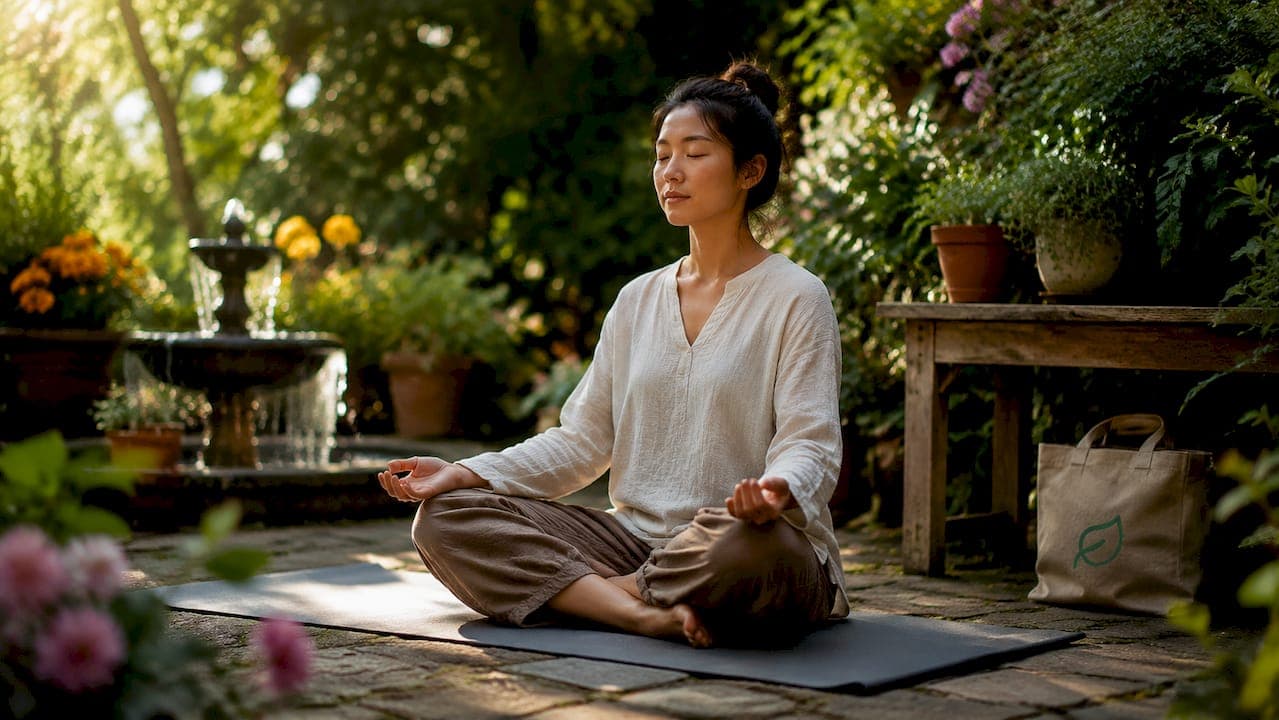
Alternative therapies for anxiety are non-pharmacological, whole-person approaches designed to reduce symptoms by addressing mental, physical, and emotional well-being together. Recognized methods include Mindfulness-Based Stress Reduction (MBSR), yoga, Tai Chi, and herbal supplements like Ashwagandha and Valerian root. Clinical guidelines now support these as adjuncts to conventional care, not replacements for it. Anxiety affects a significant portion of the population, making accessible, evidence-informed options more relevant than ever. The approaches covered here are backed by clinical research and can be integrated with therapies like cognitive behavioral therapy (CBT) for stronger, more lasting results.
1. What are the most effective alternative therapies for anxiety?
The most effective non-medication approaches combine mindfulness, movement, herbal support, and lifestyle change. No single method works for everyone, but the therapies with the strongest clinical backing share one trait: they address both the mind and the body at the same time. Treating anxiety as purely a thought problem, or purely a physical one, leaves half the picture unaddressed.
The therapies with the most research support include:
- Mindfulness-Based Stress Reduction (MBSR): An 8-week structured program that teaches present-moment awareness and reduces maladaptive thought patterns
- Mindfulness-Based Cognitive Therapy (MBCT): Combines mindfulness with CBT techniques to interrupt anxious thought cycles
- Yoga: Integrates breathwork, physical postures, and meditation to regulate the nervous system
- Tai Chi: Slow, deliberate movement that activates the parasympathetic nervous system and reduces physical tension
- Herbal supplements: St. John's Wort, Valerian root, Passionflower, Ashwagandha, Kava, and Saffron, each with clinical evidence for anxiolytic effects
- Expressive arts therapies: Art, music, and movement therapies that support emotional regulation
- Lifestyle modifications: Sleep hygiene, regular exercise, balanced nutrition, and reduced caffeine and alcohol intake
Each of these fits within what clinicians call integrative or evidence-based holistic care. That term simply means combining natural approaches with proven treatments for the best outcome.
2. Mindfulness and meditation techniques for anxiety
MBSR and MBCT are the two most studied mindfulness techniques for anxiety. Both follow structured 8-week programs that teach you to observe thoughts without reacting to them. A randomized controlled trial with 106 adults found that an 8-week mindfulness-based intervention used alongside medication produced significantly greater anxiety symptom reduction than usual care alone. That result matters because it shows mindfulness adds real value even when medication is already in the picture.
The mechanism is straightforward. Mindfulness builds what researchers call "cognitive decentering," which is the ability to observe a thought as just a thought rather than a fact. Over time, this weakens the automatic link between anxious thoughts and physical stress responses. Sessions typically run 45 minutes per day, though shorter daily practice still produces measurable benefits.
Accessibility has improved considerably. Many hospitals, community centers, and online platforms now offer MBSR courses. Apps like Insight Timer and programs through university medical centers provide structured options at low or no cost.
Pro Tip: Search for MBSR programs affiliated with university medical centers or hospitals. These tend to use standardized curricula and certified instructors, which matters for clinical-grade outcomes.
3. Herbal treatments for anxiety: evidence and safety
Herbal treatments for anxiety have a long history, but clinical evidence now gives us a clearer picture of what works and what carries risk. Standardized extracts of St. John's Wort, Valerian root, Passionflower, Ashwagandha, Kava, and Saffron have all shown anxiolytic and sedative effects in clinical studies. Each works through a different mechanism: Valerian root and Passionflower act on GABA receptors, Ashwagandha modulates the HPA axis (the body's stress response system), and St. John's Wort influences serotonin activity.
Safety is the part most people skip over. Herbal supplements can cause serious herb-drug interactions, including serotonin syndrome when combined with antidepressants. St. John's Wort, in particular, inhibits cytochrome P450 enzymes, which affects how your body processes many prescription medications. Kava carries a risk of liver toxicity with long-term use. These are not minor footnotes.
Key safety considerations include:
- Always tell your doctor or pharmacist about any herbal supplement you take
- Avoid combining St. John's Wort with SSRIs, SNRIs, or other serotonergic medications
- Choose products that carry third-party testing certifications (USP, NSF, or ConsumerLab verified)
- Start with the lowest effective dose and monitor for side effects
- Avoid Kava if you have liver conditions or consume alcohol regularly
For a broader look at herbal blends for wellness, quality sourcing and standardized extracts make a significant difference in both safety and effectiveness.
Pro Tip: Look for supplements labeled "standardized extract" with the active constituent percentage listed (for example, "0.3% hypericin" for St. John's Wort). This tells you the product was manufactured to a consistent potency.
4. How yoga and Tai Chi support anxiety management
Yoga and Tai Chi both reduce anxiety through physical movement, but they work through slightly different pathways. Yoga combines breathwork (pranayama), physical postures (asanas), and meditation into a single practice. This combination lowers cortisol, improves heart rate variability, and builds body awareness. Research consistently shows decreased anxiety scores and improved emotional well-being in regular practitioners.
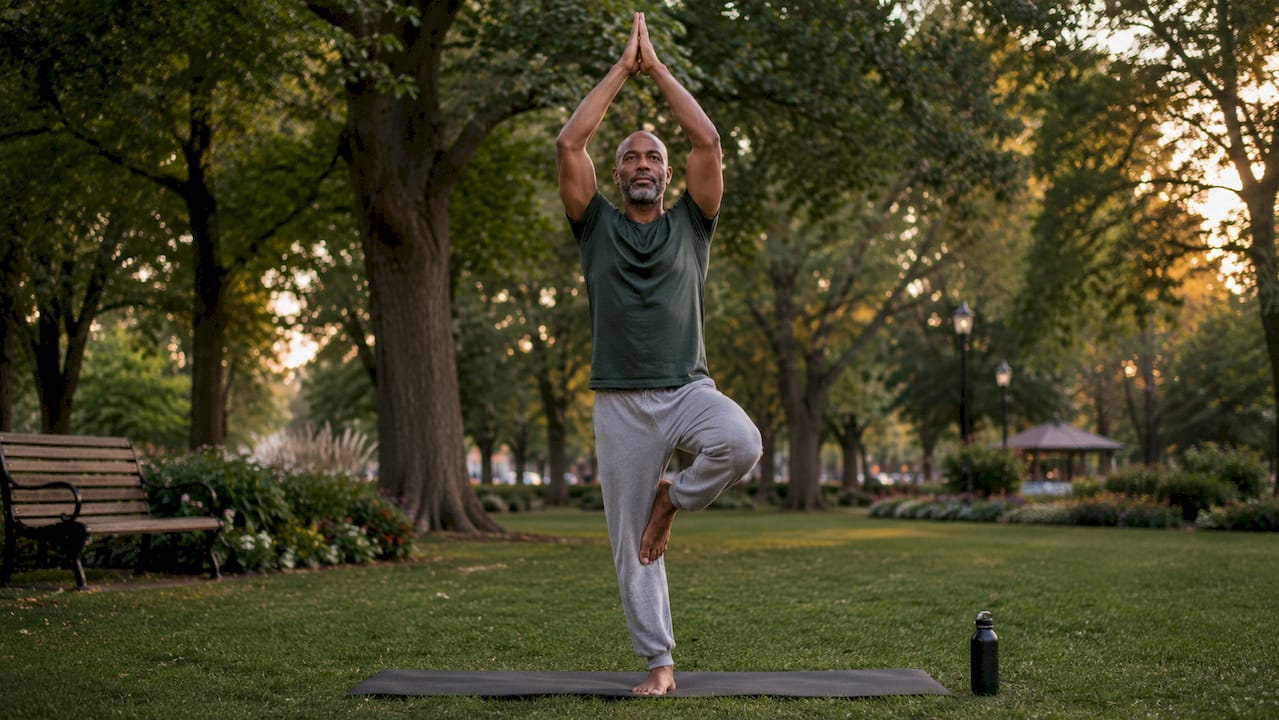
Tai Chi takes a different route. Its slow, deliberate movements activate the parasympathetic nervous system, which is the "rest and digest" state that counteracts the fight-or-flight response. A narrative review found that Tai Chi has a slower onset than medication but produces sustained benefits without drug-related side effects. That tradeoff suits people who want long-term regulation rather than immediate symptom suppression.
Combining either practice with CBT produces stronger results than either approach alone. CBT and Tai Chi together address both the cognitive and somatic sides of anxiety, reducing inflammation markers and promoting lasting psychological balance. For people whose anxiety lives in the body as much as the mind, this combination is particularly effective. You can read more about Tai Chi and somatic interventions as part of a broader non-invasive treatment plan.
Pro Tip: Start with two sessions per week of either yoga or Tai Chi for the first month. Consistency matters more than duration. Even 20-minute sessions build the nervous system regulation that reduces anxiety over time.
5. Lifestyle and whole-person strategies that strengthen anxiety care
Lifestyle changes are not a soft add-on to anxiety treatment. Physical exercise, mindfulness, a balanced diet, and good sleep hygiene are foundational strategies that clinical reviews endorse as essential complements to all anxiety treatments. That means they belong in every anxiety management plan, not just the ones for people who want to avoid medication.
Sleep hygiene deserves particular attention. Anxiety and poor sleep feed each other in a cycle that is hard to break without directly addressing both. Consistent sleep and wake times, limiting screens before bed, and keeping the bedroom cool and dark are simple changes with measurable effects on anxiety levels.
Practical lifestyle strategies that support anxiety management include:
- Regular aerobic exercise: At least 150 minutes per week, which reduces cortisol and increases endorphins
- Caffeine reduction: Caffeine amplifies the physical symptoms of anxiety, including heart rate and muscle tension
- Alcohol moderation: Alcohol disrupts sleep architecture and increases anxiety the following day
- Balanced nutrition: Stable blood sugar reduces mood swings and irritability that worsen anxiety
- Breathing exercises: Techniques like box breathing (4 counts in, hold, out, hold) activate the parasympathetic nervous system within minutes
- Grounding techniques: The 5-4-3-2-1 method (naming five things you see, four you hear, and so on) interrupts acute anxiety episodes
Expressive arts therapies, including art, music, and movement, show preliminary evidence for reducing anxiety and improving emotional regulation. They work best as complementary tools alongside structured treatments rather than as standalone interventions.
Holistic treatment addresses mental, social, spiritual, and financial wellness together. That whole-person model produces better outcomes than treating anxiety as an isolated symptom. Certified holistic providers build personalized plans that account for all of these dimensions, which is why working with a practitioner often outperforms self-directed approaches alone.
Key Takeaways
The most effective approach to anxiety combines mindfulness, movement, herbal support, and lifestyle change within a plan that includes evidence-based therapy like CBT.
| Point | Details |
|---|---|
| Mindfulness programs reduce anxiety | An 8-week MBSR or MBCT program produces measurable symptom reduction, especially alongside conventional care. |
| Herbal supplements carry real risks | St. John's Wort and Kava can cause dangerous drug interactions; always consult a healthcare provider before use. |
| Tai Chi and yoga regulate the nervous system | Both practices activate the parasympathetic nervous system and work best when combined with CBT. |
| Lifestyle changes are non-negotiable | Sleep, exercise, nutrition, and caffeine reduction are clinically endorsed foundations of any anxiety management plan. |
| Integration beats isolation | Holistic approaches produce superior outcomes when combined with evidence-based therapies, not used as replacements. |
What I've learned from watching people actually use these therapies
The most common mistake I see is treating alternative therapies as an either/or choice. People either commit fully to natural remedies and avoid conventional medicine, or they dismiss natural approaches entirely. Both positions miss the point. The clinical evidence is clear: integration with CBT and medication produces better functional recovery than any single approach alone.
The second thing I've noticed is that people underestimate the time commitment. Mindfulness and Tai Chi require consistent, long-term practice before you feel sustained relief. That is not a flaw in the therapy. It reflects how the nervous system actually changes, which is gradually and through repetition. People who quit after two weeks never give these methods a fair test.
The third pattern worth naming is the supplement trap. Natural does not mean safe. I've seen people combine St. John's Wort with their antidepressant because it felt harmless, not realizing the interaction risk. The rule is simple: tell your doctor everything you take, including supplements. A good practitioner will help you build a plan where every element works together, not against each other.
The role of alternative therapies in 2026 is growing, but the best outcomes still come from personalized, integrated care. If you're working with a provider who dismisses your interest in natural approaches, find one who takes the whole picture seriously.
— Andrew
Goholistic connects you with the right support for anxiety
Finding the right practitioner for anxiety care takes more than a web search. Goholistic connects you with certified, verified practitioners across disciplines including acupuncture, mindfulness coaching, Ayurveda, and more. The platform uses AI to match your specific health concerns with personalized treatment recommendations backed by research.
Whether you're exploring yoga for anxiety relief, looking for an acupuncturist, or want a whole-person assessment that covers mental, physical, and social wellness, Goholistic makes it straightforward to find and book the right provider. The holistic health treatments directory covers over 200 therapy types, so you can compare options and connect with a licensed practitioner who fits your needs. Getting started is free.
FAQ
What are alternative therapies for anxiety?
Alternative therapies for anxiety are non-pharmacological approaches, including mindfulness, yoga, Tai Chi, herbal supplements, and expressive arts, used to reduce symptoms by addressing mental, physical, and emotional health together. They work best as complements to evidence-based treatments like CBT rather than as standalone replacements.
Can therapy help with anxiety without medication?
Yes. Cognitive behavioral therapy is one of the most effective treatments for anxiety and does not require medication. Combining CBT with mindfulness or movement-based practices like Tai Chi produces stronger outcomes than either approach alone.
Are herbal treatments for anxiety safe?
Herbal supplements like Ashwagandha and Valerian root have clinical evidence for anxiolytic effects, but they carry real risks including drug interactions and sedation. Always consult a healthcare provider before starting any herbal supplement, especially if you take prescription medications.
How long does it take for mindfulness to reduce anxiety?
An 8-week structured mindfulness program produces measurable anxiety symptom reduction in most participants. Shorter daily practice builds benefits over time, but consistent commitment over weeks to months is needed for lasting results.
What is the difference between holistic and alternative therapy for anxiety?
Holistic therapy addresses the whole person, including mental, social, spiritual, and physical health, while alternative therapy refers to specific non-conventional treatments used in place of or alongside standard care. The two overlap significantly, and most holistic plans incorporate multiple alternative therapies.