

TL;DR:
- Alternative therapies mainly support conventional care by reducing symptoms and building resilience, not curing diseases. Strong evidence shows they work best when paired with standard treatments, and placebo effects contribute significantly to their benefits. Relying solely on these therapies for serious conditions like cancer increases mortality risk, so they should always complement, not replace, proven medical care.
Alternative therapy outcomes are defined by how well a complementary treatment reduces symptoms, supports resilience, and improves quality of life alongside conventional medical care. Explaining alternative therapy outcomes requires separating realistic benefits from overstated claims, and that distinction matters most when you are facing a real health challenge. The WHO frames integrative medicine as a coordinated approach covering biological, social, and environmental dimensions of health, not a replacement for proven treatments. Therapies like acupuncture, Qigong, Yoga, and Tai Chi each carry a growing body of clinical evidence. Understanding what that evidence actually says protects you from both dismissing useful options and placing too much faith in unproven ones.
What does the evidence say about alternative therapy effectiveness?
Clinical research on alternative therapies shows a clear pattern: they work best as additions to conventional care, not substitutes for it. The strongest evidence comes from well-designed trials measuring specific outcomes in defined populations.
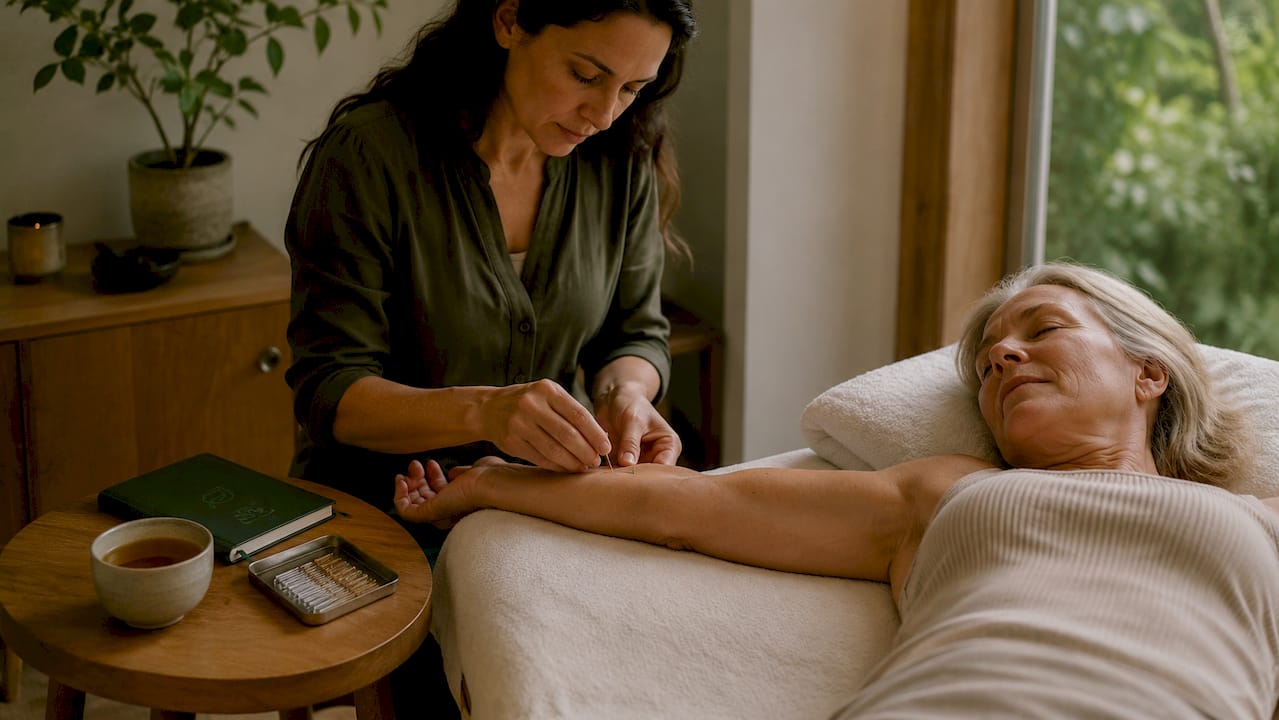
Acupuncture is one of the most studied complementary treatments. A meta-analysis of 38 randomized controlled trials covering 3,349 participants found that acupuncture combined with conventional medication produced better symptom scores and quality of life than medication alone in allergic rhinitis patients. That result matters because it shows acupuncture adding measurable value within a standard care framework, not replacing it.
Mind-body therapies show similarly specific results for people living with cancer. A meta-analysis of 40 trials with 3,238 survivors ranked therapies by their mental health impact. Qigong produced the broadest anxiety relief at 70.9%, Yoga reached 76.3% anxiety reduction specifically in breast cancer survivors, and Tai Chi achieved 91.8% effectiveness for depression. These are not vague wellness claims. They are population-specific findings that help you match a therapy to your actual situation.
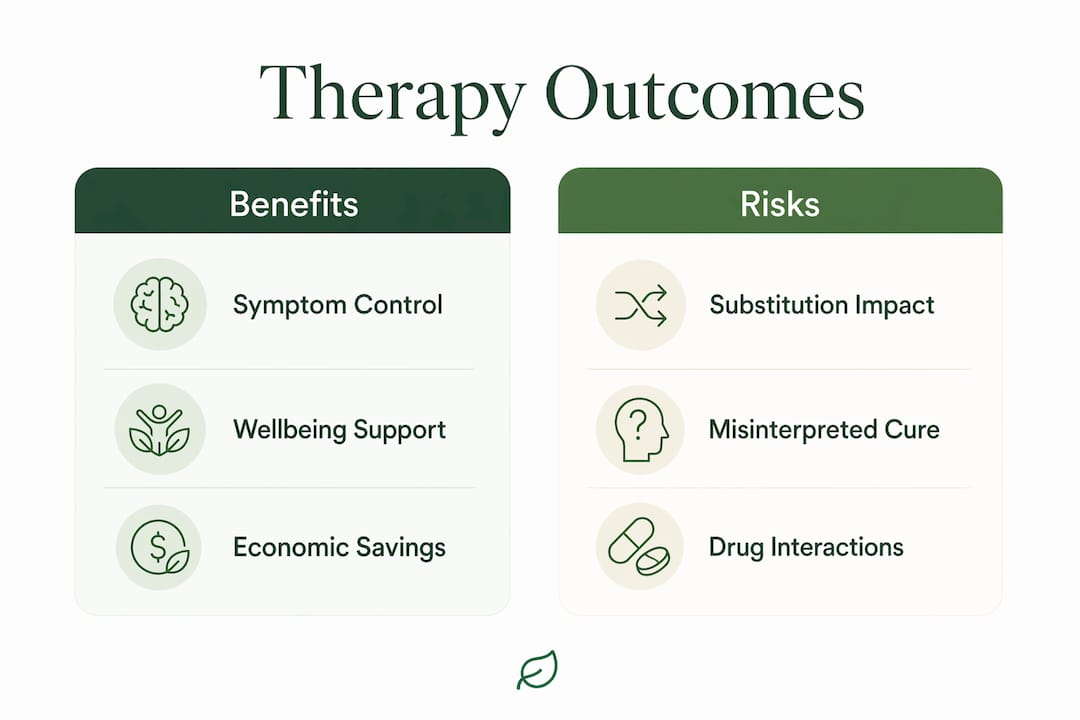
The economic side of holistic pain management also carries real weight. Studies found that integrating holistic care into pain management reduced hospital costs by 4% and saved an average of $898 per admission, with lower mortality risks after discharge. Cost savings at that scale reflect genuine clinical efficiency, not just patient preference.
The risks of substitution, however, are severe. Breast cancer patients who chose alternative medicine exclusively had a 3.7-fold higher mortality rate within five years compared to those receiving standard treatment. Even patients who combined complementary and alternative medicine with conventional care but skipped prescribed treatments still faced 40% higher mortality. That finding is the clearest signal in the entire field: alternative therapies support, they do not replace.
Here is a quick summary of what the evidence shows across major therapy types:
| Therapy | Best-supported outcome | Evidence base |
|---|---|---|
| Acupuncture | Symptom control in allergic rhinitis | 38 RCTs, 3,349 participants |
| Qigong | Anxiety reduction in cancer survivors | 40 trials, 3,238 survivors |
| Yoga | Anxiety relief in breast cancer survivors | Same meta-analysis |
| Tai Chi | Depression reduction in cancer survivors | Same meta-analysis |
| Holistic pain care | Hospital cost reduction and lower mortality | Economic outcome studies |
How do placebo effects shape therapy results?
Placebo effects account for 30–50% of the benefits seen in many alternative therapy treatments. That figure is not a reason to dismiss those therapies. It is a reason to understand them more carefully.
A placebo effect is not imaginary. Research confirms that placebo triggers biological changes including endorphin release and dopamine activity. These changes are driven by therapeutic rituals, the authority of the practitioner, and the patient's own expectations. The body responds to context, not just chemistry.
This is why the relationship between you and your practitioner matters so much. A warm, attentive consultation with a skilled acupuncturist or massage therapist creates conditions that amplify the biological response to treatment. Experts now view the placebo effect as an ethical, shared therapeutic resource that can be intentionally built into mind-body therapies. That framing shifts placebo from a confounding variable into a feature of good care.
"The placebo effect is not a trick. It is a biological process that skilled practitioners can ethically cultivate to improve patient outcomes." — Tufts University placebo research
Pro Tip: When choosing a practitioner, pay attention to how they communicate. Clear explanations, genuine attention, and realistic goal-setting all strengthen the therapeutic relationship and, with it, your outcomes.
The practical implication is straightforward. When you feel better after a session of Reiki or therapeutic massage, the benefit is real even if the mechanism involves psychosocial factors. What you should not do is assume that feeling better means the underlying condition has resolved. Symptom relief and disease remission are different things.
What are the real risks in interpreting therapy outcomes?
The biggest risk in evaluating alternative health methods is confusing symptom relief with cure. This confusion becomes dangerous when it leads people to delay or abandon conventional treatment for serious conditions.
The mortality data on cancer care makes this concrete. Patients who substituted alternative therapies for conventional cancer treatment faced mortality risks up to 3.7 times higher within five years. No alternative therapy currently available produces survival outcomes that match surgery, chemotherapy, or radiation for most cancers. Choosing one over the other is not a lifestyle preference. It is a clinical decision with life-or-death consequences.
Drug-herb interactions represent a second, often overlooked risk. Herbs like St. John's Wort interact dangerously with chemotherapy drugs and anticoagulants, altering how those medications work in the body. Many people assume that natural products are inherently safe. They are not. Natural origin does not equal clinical safety, especially when combined with prescription medications.
Key cautions to carry into any alternative therapy decision:
- Always tell your primary care provider about every supplement, herb, or complementary treatment you are using.
- Never stop a prescribed medication to try an alternative therapy without medical supervision.
- Verify that your practitioner holds recognized credentials in their specialty.
- Treat online testimonials as anecdotes, not evidence. Seek peer-reviewed research or guidance from evidence-based integrative health resources.
- Be especially cautious with unregulated supplements, which carry significant risk through drug interactions that can compromise conventional treatments.
The goal is not to avoid alternative therapies. The goal is to use them with clear eyes and good information.
How do you set realistic expectations for therapy results?
Realistic expectations start with understanding what alternative therapies are actually designed to do. Experts consistently emphasize that the primary aim of alternative therapies is to reduce suffering and build resilience, not to cure serious diseases. When you enter a therapy with that goal in mind, you are far more likely to find genuine value in it.
Outcomes also vary by individual. Your age, baseline health, the severity of your condition, and how consistently you engage with a therapy all shape your results. Two people with the same diagnosis can have very different responses to Yoga or acupuncture, and neither experience invalidates the other.
A practical approach to measuring your own results:
- Set a specific, measurable goal before you start. "I want to sleep better" is more useful than "I want to feel healthier." Specific goals let you track real change.
- Give the therapy enough time. Most mind-body practices require 6–8 weeks of consistent practice before meaningful changes appear. One session is not a trial.
- Keep a simple symptom log. Note your pain level, sleep quality, mood, or energy on a 1–10 scale each week. Patterns become visible over time.
- Share your log with your doctor. Integrating your alternative therapy results into your conventional care conversations helps your whole care team make better decisions.
- Reassess every 8–12 weeks. If a therapy is not producing any measurable benefit after a fair trial, it is reasonable to stop and try something else.
Pro Tip: Explore the role of alternative therapies in wellness to understand which therapy types align best with your specific health goals before committing to a course of treatment.
The integrative medicine model works best when you treat your conventional care team and your alternative practitioners as partners, not competitors. Open communication between all providers reduces risk and improves the quality of every decision you make.
Key Takeaways
Alternative therapy outcomes are most beneficial when therapies complement conventional care, with realistic goals and evidence-based selection guiding every decision you make.
| Point | Details |
|---|---|
| Complement, do not replace | Substituting alternative therapies for conventional cancer care raises mortality risk by up to 3.7 times. |
| Match therapy to evidence | Qigong, Yoga, and Tai Chi show specific, measurable mental health benefits in cancer survivors. |
| Placebo is real | 30–50% of alternative therapy benefits involve biological placebo mechanisms, not imagination. |
| Natural does not mean safe | Herbs like St. John's Wort can dangerously interact with chemotherapy and anticoagulants. |
| Set measurable goals | Track specific symptoms over 6–12 weeks to evaluate whether a therapy is genuinely helping you. |
What I have learned from years of watching people navigate this space
People who get the most from alternative therapies share one trait: they stay curious without becoming credulous. They ask their acupuncturist the same hard questions they ask their oncologist. They track their results. They do not stop their metformin because a wellness blog told them turmeric does the same thing.
What I find most underappreciated in this conversation is the legitimate power of the therapeutic relationship itself. The placebo research is not a footnote. It tells us that care delivered with warmth, attention, and clear communication produces measurable biological effects. That is not a reason to choose placebo over chemotherapy. It is a reason to demand both: rigorous treatment and genuine human care.
The people who struggle most are those who arrive at alternative therapies out of desperation, after conventional medicine has disappointed them. That desperation is completely understandable. But it also makes people vulnerable to overblown claims. The most protective thing you can do is get clear on what you are trying to achieve, find a practitioner with verifiable credentials, and keep your primary care provider in the loop.
Alternative therapies at their best reduce suffering, build resilience, and make the experience of illness more bearable. That is not a small thing. It is worth pursuing carefully, with good information and realistic expectations.
— Andrew
Goholistic makes finding safe, evidence-based care easier
Finding a qualified practitioner who practices evidence-based complementary care should not feel like a guessing game. Goholistic connects you with verified, credentialed practitioners across disciplines including acupuncture, Ayurveda, and massage therapy, all backed by research summaries so you can make informed decisions.
The platform's holistic treatment library covers over 200 therapy types, each with evidence summaries that help you understand what a therapy does and who it tends to help. You can also use the provider finder to locate qualified practitioners near you, filter by specialty, and book directly. Whether you are managing a chronic condition or supporting your recovery, Goholistic gives you the tools to choose wisely and safely.
FAQ
What does "alternative therapy outcome" actually mean?
An alternative therapy outcome is any measurable change in symptoms, quality of life, or wellbeing that results from a complementary treatment. Outcomes typically focus on symptom relief and resilience rather than disease cure.
Can alternative therapies replace conventional medical treatment?
No. Patients who substitute alternative therapies for conventional cancer treatment face mortality risks up to 3.7 times higher within five years. Alternative therapies are designed to complement, not replace, standard care.
How long does it take to see results from alternative therapies?
Most mind-body therapies require 6–8 weeks of consistent practice before measurable changes appear. Tracking specific symptoms weekly helps you evaluate real progress over time.
Are herbal supplements safe to use alongside prescription medications?
Not always. Herbs like St. John's Wort can interact with chemotherapy and anticoagulants, altering how those drugs work. Always tell your doctor about every supplement you take.
How much of an alternative therapy's benefit comes from the placebo effect?
Research shows that 30–50% of benefits in alternative therapies involve placebo mechanisms. These effects are biologically real, driven by endorphin release and dopamine activity, and are considered a legitimate part of the therapeutic process.