
Start with a short, multimodal plan: paced movement, a daily relaxation practice, and better sleep habits. These three moves, done consistently, do more for chronic pain than any single fix. Chronic pain management tips work best when you combine several small actions rather than searching for one cure, and you can start today.
Here's where to begin:
- Take a 10-minute walk at a pace you can hold comfortably.
- Try 5 minutes of slow breathing (in for 4 counts, out for 6).
- Set a consistent wake time, even after a rough night.
- Stretch gently for 5 minutes, focusing on areas that feel tight rather than painful.
- Write down your pain level (0 to 10) once in the morning and once at night.
- Step outside for 10 minutes of daylight to help reset your sleep clock.
- Text or call one supportive person just to check in.
Public health resources emphasize exercise, pacing, and psychological support as the core of proactive pain management, not passive waiting. Stop any new activity if you notice sudden severe pain, numbness, or weakness, and check with your provider before making major changes to medication or exercise routines.
Key Takeaways
Chronic pain management works best as a layered plan combining paced movement, mind-body practice, sleep habits, and, when needed, medical or complementary care, rather than any single fix.
| Point | Details |
|---|---|
| Start small and combine tactics | Pair gentle movement, daily breathing practice, and better sleep habits rather than relying on one method. |
| Pace activity carefully | Begin tasks at roughly one-third of perceived capacity and use timers to avoid the boom-bust cycle. |
| Treat medication as one piece | Use drugs alongside physical therapy and lifestyle change, and approach opioids with real caution. |
| Track pain to guide decisions | Log pain, sleep, and activity for two weeks and bring the record to your provider. |
| Build support and explore options | Lean on social connection and use a platform like Goholistic to find evidence-linked practitioners and book care. |
Table of Contents
- What Is Chronic Pain, and Why Do Quick Fixes Rarely Work?
- How Do You Build an Effective Self-Care Routine for Chronic Pain?
- What Medications Are Used for Chronic Pain, and What Are the Risks?
- Which Complementary Therapies Have Real Evidence Behind Them?
- Why Does a Multimodal, Active Self-Management Plan Work?
- How Do You Turn These Tips Into a Weekly Plan?
- Does Diet Actually Affect Chronic Pain?
- How Much Does Social Support Matter for Pain Management?
- Frequently Asked Questions
- Sources
What Is Chronic Pain, and Why Do Quick Fixes Rarely Work?
Chronic pain is pain that lasts longer than three months, often after the original injury or illness has healed. Over time, the nervous system can become more sensitive, a process called central sensitization, which means pain can persist or intensify even without ongoing tissue damage.
That's why chasing complete pain elimination usually backfires. Clinical guidance from the SIGN 173 guideline on chronic pain management shifts the goal toward improving function, participation, and quality of life instead. The Cleveland Clinic notes that combining medication, physical therapy, lifestyle changes, and psychological support produces better pain reduction than relying on any single treatment.
A few things worth remembering as you build your plan:
- Pain fluctuates. A bad day doesn't mean your plan has failed.
- Function and mood often improve before pain scores drop significantly.
- Multiple mild interventions stacked together tend to outperform one aggressive one.
How Do You Build an Effective Self-Care Routine for Chronic Pain?
This is where most of the day-to-day work happens, and it's also where you have the most control.
Gentle movement. Walking, water exercise, yoga, and tai chi are gentler starting points than high-intensity workouts. Try a simple two-week starter: week one, walk 10 minutes every other day; week two, add 2 to 3 minutes per session if it feels manageable. Stop increasing if pain spikes and lasts more than a day.

Physical therapy. A physical therapist can assess your movement patterns and build a program specific to your pain source. Ask about a home exercise plan you can do in under 15 minutes, and request modifications for flare days rather than skipping sessions entirely.
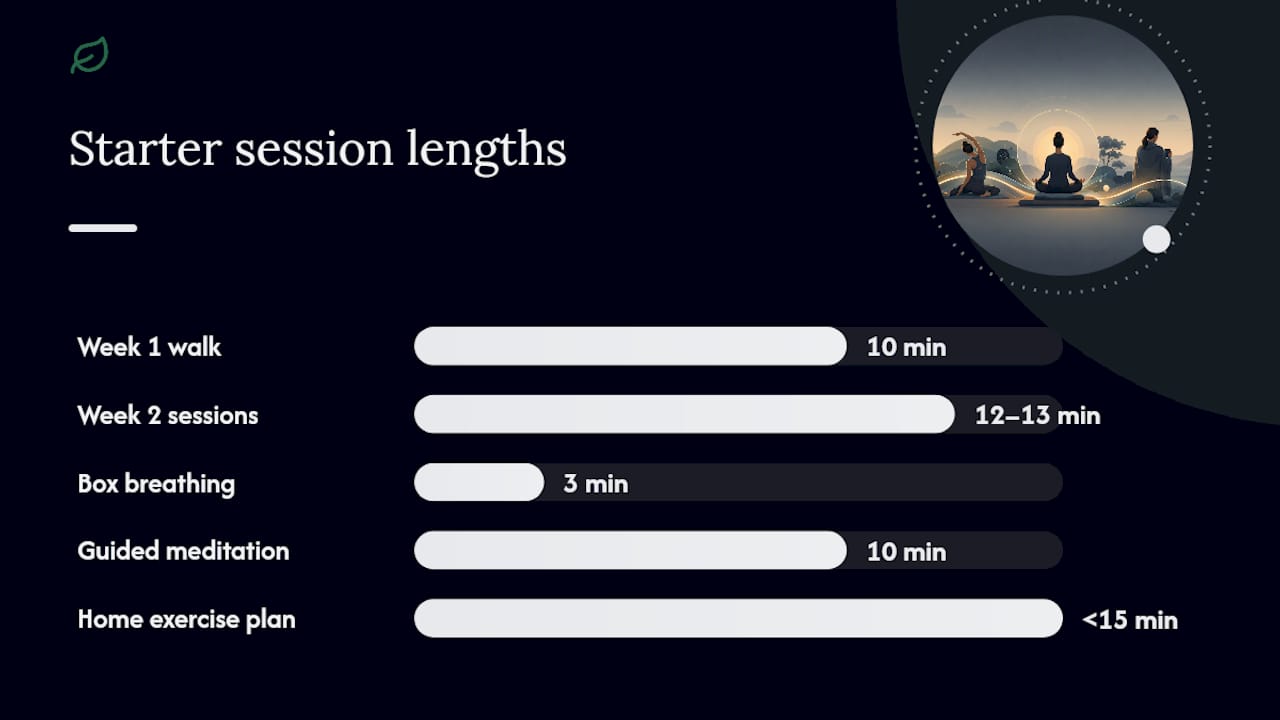
Mind-body practices. Breathing exercises and mindfulness meditation are two of the most accessible tools you have. Mayo Clinic Health System lists breathing, pacing, and mindfulness among its core coping tactics. Try box breathing (4 counts in, 4 hold, 4 out, 4 hold) for 3 minutes when pain flares, or a 10 minute guided meditation before bed.

Sleep and lifestyle. Keep a consistent sleep and wake time, limit screens an hour before bed, and reduce alcohol and smoking, both of which can worsen pain sensitivity over time. Anti-inflammatory eating patterns, covered more below, can also support better sleep.
Pacing. Start tasks at roughly one-third of your perceived capacity and use a timer to force breaks before pain builds. Overdoing it on a good day is the most common trigger for the boom-bust cycle, where a burst of activity leads to days of setback.
Tools worth using:
- A simple pain diary (paper or app) logging pain, activity, and sleep.
- A guided-meditation app for daily mind-body practice.
- A gentle-movement app or video series for structured pacing.
Pro Tip: Stack new habits onto ones you already do. Breathe for 2 minutes while your coffee brews, or stretch while waiting for the shower to warm up. Small, embedded practices stick far better than standalone "wellness time."
What Medications Are Used for Chronic Pain, and What Are the Risks?
Medications can ease symptoms, but they work best as one piece of a broader plan, not the whole plan. Common classes include NSAIDs and acetaminophen for general pain, antidepressants and anticonvulsants for nerve-related pain, muscle relaxants for spasm, and topical creams or patches for localized relief.
Opioids deserve extra caution. Long-term use carries real risks of dependence and overdose, and evidence for sustained benefit is limited. Guidance from the NCBI review on chronic pain management recommends starting with nonpharmacological and non-opioid options first, reserving higher-risk treatments for select cases after specialist review.
Safety steps that matter:
- Keep an updated medication list for every appointment.
- Ask your provider about deprescribing if a drug isn't helping.
- Check for interactions before adding a new supplement or prescription.
- Store and dispose of opioids securely, away from others in the household.
Which Complementary Therapies Have Real Evidence Behind Them?
Several nondrug therapies show genuine benefit for chronic pain, though evidence strength varies by condition. MedlinePlus notes that acupuncture, biofeedback, TENS, massage, and meditation can help manage pain and may allow lower medication doses.
- Acupuncture: moderate evidence for certain pain types, including low back and osteoarthritis pain.
- Massage therapy: short-term relief for muscle tension and stress-related pain.
- TENS units: low-cost, low-risk, and worth a trial for localized pain.
- Biofeedback: helps some people learn to control physical stress responses tied to pain.
Before committing, check a practitioner's credentials, ask about a realistic trial period (four to six sessions is common), and set one measurable goal, like walking distance or sleep quality, so you can judge whether it's working. Explore natural pain relief methods alongside your primary care plan rather than instead of it.
Why Does a Multimodal, Active Self-Management Plan Work?
The evidence keeps pointing the same direction: combined approaches beat single-treatment strategies.
- Mixing medication, physical therapy, lifestyle change, and psychological support produces larger pain reductions than any one treatment alone.
- CBT and related psychological tools reduce catastrophizing, the tendency to spiral into worst-case thinking about pain, and this can produce measurable changes in brain activity.
- Using coping tools throughout the day, not just during flares, appears to prevent the nervous system from staying in a heightened stress state.
Waiting until pain becomes unbearable to reach for a coping tool means getting less benefit from it. Regular, low-key use throughout the day helps regulate the nervous system before a flare takes hold.
None of this promises pain-free days. What the research on multimodal therapies supports is a realistic pattern: modest pain reduction paired with meaningful gains in function and daily participation.
How Do You Turn These Tips Into a Weekly Plan?
Build a simple plan you can actually follow:
- Track your pain, sleep, and activity for one week using a basic log.
- Prioritize one or two changes, not ten, based on what your log reveals.
- Start gentle movement, even 5 minutes daily, and build gradually.
- Add one mind-body practice, like breathing or brief meditation, at a consistent time each day.
Keep your tracking simple: record pain level, sleep hours, and one activity note each day for two weeks, then bring it to your next appointment. A step-by-step pain relief guide can help you build this out further.
Watch for red flags that need prompt attention:
- Sudden, severe pain unlike your usual pattern
- Fever accompanying new or worsening pain
- New weakness, numbness, or loss of bladder or bowel control
- Progressive neurological symptoms
Any of these warrant contacting your provider promptly, or emergency care if symptoms are severe.
Does Diet Actually Affect Chronic Pain?
What you eat influences inflammation, and inflammation influences pain sensitivity. That's the short version, and it's worth taking seriously even though food alone won't resolve chronic pain.
Diets heavy in processed foods, added sugar, and refined carbohydrates are linked to higher inflammatory markers in the body. Shifting toward more vegetables, fruits, fatty fish, nuts, and olive oil, a pattern often called anti-inflammatory eating, may help reduce that inflammatory load over time.
Weight matters too, particularly for joint-related pain. Extra weight increases mechanical stress on joints like knees and hips, and fat tissue itself can produce inflammatory compounds that circulate throughout the body. Modest weight loss, even 5 to 10 pounds, can ease pressure on weight-bearing joints.
Hydration plays a smaller but real role. Dehydration can worsen muscle cramping and headache-related pain, so steady water intake throughout the day is a simple habit worth keeping.
None of this means overhauling your diet overnight. Start with one swap, like replacing a sugary snack with fruit and nuts, and build from there. Pair dietary changes with the movement and sleep habits covered earlier, since they reinforce each other rather than working in isolation. A nutritionist or your primary care provider can help tailor this further if you have other health conditions like diabetes or kidney disease to consider.
How Much Does Social Support Matter for Pain Management?
More than most people expect. Chronic pain is isolating by nature. It can shrink your world to appointments, medication schedules, and days spent managing symptoms alone, and that isolation itself tends to worsen pain perception.
Social connection works in the other direction. People with strong support networks generally report better coping, lower stress hormone levels, and greater adherence to self-management routines like exercise and pacing. Part of this is practical: a friend who checks in can help you stick with a walking routine or remind you to use your breathing practice before pain builds rather than after.
Part of it is psychological. Feeling understood reduces the sense of catastrophizing that amplifies pain signals, similar to how CBT works but through relationship rather than therapy. Isolation, by contrast, feeds rumination, and rumination feeds pain sensitivity.
Practical ways to build this in:
- Join a chronic pain support group, in person or online, where people understand the daily reality.
- Ask one trusted person to be your "accountability partner" for movement or relaxation goals.
- Talk to family about pacing so they understand why you might decline an activity on a flare day.
- Consider a therapist experienced in chronic pain if isolation or mood changes feel overwhelming.
You don't need a large circle. One or two people who consistently check in can shift how manageable your pain feels day to day.
A Note From Andrew
I write about holistic health strategies for Goholistic, where our mission is helping people find safe, evidence-informed paths to relief. Our treatment library and verified practitioner directory exist for exactly this kind of research. Results vary person to person, so coordinate any new approach with your care team.
Finding the Right Support for Your Pain Plan
Sorting through practitioner options on your own eats up time you'd rather spend actually managing your pain. Goholistic matches you to certified holistic practitioners, acupuncturists, massage therapists, Ayurvedic specialists, and more, based on your specific symptoms, and pairs each option with evidence summaries so you're not guessing about what actually has research behind it.

Two ways to use it right now: search the holistic health treatments library to see which therapies have real evidence for your type of pain, or browse verified practitioners near you and book a consultation directly through the platform. If you'd rather see the full picture of how personalized matching works first, the Go Holistic home page walks through it. Either way, the next step is simple: pick one therapy from the library and book a first conversation with a practitioner this week.
Frequently Asked Questions
What are the most effective chronic pain management tips to start with? Paced movement, daily relaxation practice, and consistent sleep habits give the fastest, safest returns. Add one mind-body practice like breathing or meditation before layering in other strategies.
Can home remedies for chronic pain actually reduce symptoms? Yes, to a degree. Heat, gentle stretching, breathing exercises, and pacing are low-cost, low-risk tools that many people find genuinely helpful alongside medical care, not as a replacement for it.
How long before self-management strategies show results? Most people notice function and mood improvements within two to four weeks of consistent practice, though pain score changes can take longer. Tracking helps you spot progress you might otherwise miss.
When should chronic pain prompt a doctor's visit rather than home care? Seek prompt care for sudden severe pain, fever with pain, new weakness, numbness, or any loss of bladder or bowel control. These are not situations for self-management alone.
Are complementary therapies like acupuncture worth trying? For many pain types, yes, particularly alongside conventional care. Evidence strength varies by condition, so set a measurable goal and a defined trial period before committing further.
This article is general information, not a substitute for advice from a qualified doctor. Consult a qualified healthcare professional about your own circumstances before acting on anything here.
Sources
- Chronic Pain: What It Is, Symptoms, Treatment & Management
- Non-Drug Pain Management: MedlinePlus
- How to manage chronic pain: 5 expert-backed strategies for lasting relief | UC Davis Health
- SIGN 173 Management of chronic pain (part 1)
- Chronic Pain Management - NCBI Bookshelf