

TL;DR:
- Acupressure points are specific body spots that stimulate the nervous system and energy flow to promote wellness naturally. Using targeted pressure on these points can relieve stress, headaches, nausea, and support sleep without medication, when applied correctly and consistently. Incorporating acupressure into daily self-care enhances overall health and complements other holistic therapies.
Acupressure points are specific spots on the body that, when gently pressed, stimulate the nervous system and energy flow to promote overall wellness and manage common health concerns naturally. In Traditional Chinese Medicine, these points sit along meridians, or energy channels, that connect organs and systems throughout the body. Modern research confirms that acupressure stimulates nerves, improves circulation, and modulates neurotransmitters like dopamine and serotonin. Using acupressure points for wellness gives you a practical, drug-free tool you can apply anywhere, at any time.
1. li4 (hegu): the go-to point for stress and headaches
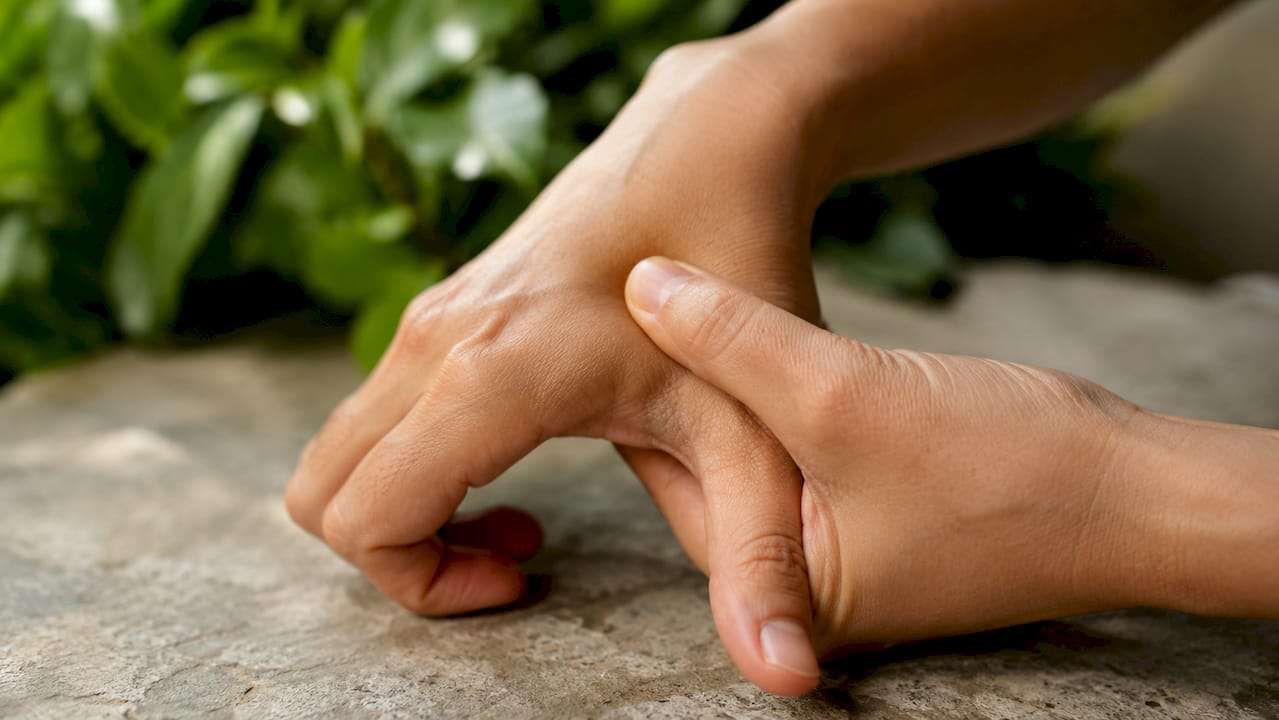
LI4, called Hegu in Traditional Chinese Medicine, sits in the webbing between your thumb and index finger. It is one of the most studied and widely used pressure points for health, known for relieving headaches, upper body tension, and stress. Press firmly into the webbing with the opposite thumb, angling slightly toward the bone. Hold for 1–3 minutes while breathing slowly.
Caution: LI4 is contraindicated during pregnancy because it can stimulate uterine contractions.
2. pc6 (neiguan): nausea, anxiety, and digestion
PC6, or Neiguan, sits three finger-widths above the inner wrist crease, between the two central tendons. It is the point most commonly recommended for nausea, including motion sickness and post-operative nausea. Research shows acupressure reduces post-operative nausea and may outperform physical therapy for certain pain conditions. PC6 also calms anxiety and supports healthy digestion, making it one of the most versatile points in any wellness routine.
Press with your opposite thumb, applying steady downward pressure. You should feel a mild dull ache, which practitioners call deqi. That sensation signals correct activation.
3. yintang (third eye point): calm, focus, and sleep
Yintang sits exactly between your eyebrows, at the center of your forehead. It is widely used for calming the mind, relieving sinus pressure, and improving sleep quality. Key points like LI4, PC6, and Yintang cover the majority of common stress and wellness concerns, which is why practitioners recommend them as a starting trio for beginners. Use your middle finger to apply gentle circular pressure for 1–2 minutes before bed or during stressful moments.
4. sp6 (sanyinjiao): hormonal balance and sleep support
SP6, known as Sanyinjiao, is located four finger-widths above the inner ankle bone, just behind the shinbone. It is the primary point for hormonal balance, menstrual discomfort, digestive issues, and sleep disturbances. SP6 intersects three major meridians, which gives it an unusually broad range of effects on the body.
Caution: Like LI4, SP6 is contraindicated during pregnancy.
Apply firm pressure with your thumb for 1–3 minutes on each leg. Many people notice a calming effect within minutes of stimulation.
5. k1 (yongquan): grounding and deep sleep
K1, or Yongquan, translates to "Gushing Spring" and sits on the sole of the foot, in the depression just below the ball of the foot. It is the lowest acupressure point on the body and is used for grounding, reducing anxiety, and improving sleep quality. Because the foot location can be hard to reach, massage balls for foot points improve adherence and effectiveness, especially for people with hand limitations. Roll a firm massage ball under your foot for 2–3 minutes each evening as part of a wind-down routine.
6. ht7 (shen men): emotional calm and insomnia relief
HT7, called Shen Men or "Spirit Gate," sits at the wrist crease on the little-finger side of the hand. It directly supports the heart meridian and is the go-to point for emotional distress, insomnia, and racing thoughts. Press gently with your opposite thumb and hold for 1–2 minutes. This point responds well to lighter pressure than points like LI4, so ease off if you feel sharp discomfort.
Pro Tip: Pair HT7 with Yintang before sleep for a calming two-point routine that takes under five minutes and addresses both mental and emotional tension simultaneously.
7. st36 (zusanli): energy and immune support
ST36, or Zusanli, sits four finger-widths below the kneecap, just outside the shinbone. It is one of the most important points in Traditional Chinese Medicine for building energy, supporting immune function, and improving digestion. Athletes and practitioners alike use ST36 to combat fatigue and support recovery. Apply firm pressure with your thumb for 2–3 minutes on each leg, ideally in the morning to set a strong energetic tone for the day.
8. gb20 (fengchi): neck tension and headache relief
GB20, called Fengchi or "Wind Pool," sits at the base of the skull, in the hollows on either side of the neck muscles. It is the most effective point for tension headaches, neck stiffness, and eye strain from screen use. Interlace your fingers behind your head and use both thumbs to press upward into the hollows simultaneously. Hold for 1–2 minutes while dropping your chin slightly toward your chest.
For people dealing with chronic tension headaches, chiropractic care for tension headaches can complement GB20 stimulation for longer-lasting relief.
9. ex-hn3 (yin tang): stress reduction and concentration
EX-HN3 is the formal acupuncture designation for the Yin Tang point, which overlaps with the Yintang location described above. In clinical practice, EX-HN3 is specifically used for reducing psychological stress and sharpening concentration during mentally demanding tasks. Gentle circular pressure for 60–90 seconds before a work session or exam can noticeably settle a scattered mind. Think of it as a reset button for your focus.
10. ear shen men: ongoing anxiety relief
Ear Shen Men is a point located in the upper triangular fossa of the ear, used extensively in auricular (ear) acupressure and acupuncture. It is one of the most accessible points for ongoing anxiety relief because you can stimulate it discreetly anywhere. Pinch the upper inner fold of your ear between your thumb and index finger and apply gentle pressure for 1–2 minutes. Auricular points like Ear Shen Men are frequently used in clinical settings for stress management and addiction support.
How to safely perform self-acupressure
Applying acupressure correctly makes the difference between real relief and wasted effort. Follow these steps to get the most from each session:
- Find a comfortable position. Sit or lie down so your body is relaxed. Tension from poor posture reduces the effects of stimulation.
- Use your thumb or middle finger. Apply firm, steady pressure perpendicular to the skin. Avoid pressing at an angle, which misses the point.
- Look for the deqi sensation. A mild dull ache signals correct activation. Discomfort that feels sharp or painful means you are pressing too hard or in the wrong spot.
- Hold for 1–3 minutes per point. Standard practice is 1–3 minutes, several times daily. Do not exceed 3–5 minutes on a single point, as overpressure risks bruising or irritation.
- Breathe slowly and deliberately. Slow exhales deepen the relaxation response and help your nervous system shift out of a stress state.
- Avoid injured or swollen areas. Never apply pressure to broken skin, bruises, varicose veins, or areas of active inflammation.
Beginners often apply too much pressure or misidentify points, which leads to ineffective practice and frustration. Learning point locations from a qualified practitioner at least once before practicing solo saves a lot of guesswork.
Pro Tip: Start with just 3–5 points rather than attempting all ten at once. Mastering a small set of high-impact points like PC6, LI4, and Yintang produces better results than using many points sporadically.
Which points work best for your wellness goals?
Different points serve different needs. This table helps you match your primary concern to the right starting points.
| Wellness Goal | Best Points to Start With | Notes |
|---|---|---|
| Stress and anxiety relief | PC6, HT7, Ear Shen Men | Gentle pressure; safe for daily use |
| Headache and neck tension | LI4, GB20, EX-HN3 | Avoid LI4 during pregnancy |
| Sleep improvement | Yintang, SP6, K1 | Best used 30 minutes before bed |
| Digestion and nausea | PC6, ST36, SP6 | Apply after meals for best effect |
| Energy and immune support | ST36, LI4 | Morning sessions recommended |
For beginners, the safe non-invasive treatments that pair well with acupressure include massage therapy and mindful breathing, both of which amplify the calming effects of point stimulation. You do not need to work every category at once. Pick one wellness goal, choose two or three points from that row, and practice consistently for two weeks before adding more.
Integrating acupressure into a holistic wellness lifestyle
Acupressure works best as part of a broader self-care practice, not as a standalone fix. Chronic systemic relief requires consistent daily practice over 2–4 weeks, not instant results. Setting that expectation from the start keeps you motivated when progress feels gradual.
Here are practical ways to weave acupressure into your daily life:
- Combine point stimulation with slow, diaphragmatic breathing to deepen the nervous system response.
- Follow a session with herbal teas like chamomile or ashwagandha to extend the calming effect.
- Pair acupressure with massage therapy or chiropractic care for musculoskeletal concerns, since these therapies address the physical structures that acupressure works alongside.
- Use the top holistic therapies available in 2026 as a reference for building a multi-modal wellness routine.
- Schedule a consultation with a licensed acupuncturist or Traditional Chinese Medicine practitioner to get a personalized point protocol for your specific health pattern.
Acupressure is a body communication tool. It shifts your nervous system toward balance and supports self-healing. It works best when you treat it as a daily conversation with your body, not a one-time intervention.
Key takeaways
Consistent, gentle stimulation of a small set of well-chosen acupressure points produces measurable wellness benefits across stress, sleep, digestion, and pain within 2–4 weeks of daily practice.
| Point | Details |
|---|---|
| Start with 3–5 core points | Focus on LI4, PC6, and Yintang to address most common stress and wellness concerns. |
| Apply correct pressure | Aim for a mild dull ache (deqi), not sharp pain, and hold each point for 1–3 minutes. |
| Consistency drives results | Acute relief can come quickly, but chronic conditions need 2–4 weeks of daily practice. |
| Match points to your goals | Use the comparison table to select points aligned with sleep, stress, digestion, or energy. |
| Combine with other therapies | Acupressure paired with massage, breathing, or herbal support produces stronger outcomes. |
What fifteen years of watching people practice acupressure taught me
The most common mistake I see is treating acupressure like a vending machine. People press a point twice, feel nothing dramatic, and conclude it does not work. That misses the entire point of the practice.
Acupressure works through the nervous system, not through mechanical force. More pressure does not mean more benefit. I have watched people bruise themselves pressing LI4 and then wonder why their headache got worse. The deqi sensation is your signal. When you feel that mild, satisfying ache, you have found the right spot and the right depth. Stop there.
The second thing I would tell anyone starting out: symptoms are signals, not the problem itself. A headache at GB20 is your body flagging tension that has been building for days. Pressing the point gives relief, but understanding the underlying imbalance is what creates lasting change. If you keep needing to press the same point every single day just to function, that is a sign to work with a practitioner who can help you address the root pattern.
Finally, learn your point locations properly before you practice solo. Spending one session with a qualified acupuncturist or Traditional Chinese Medicine practitioner to confirm your landmarks is worth more than a month of guessing. Once you know where the points actually are, the practice becomes intuitive and genuinely rewarding.
— Andrew
Take your wellness practice further with Goholistic
Acupressure is a powerful starting point, and the right professional support can take your results much further. Goholistic connects you with certified holistic practitioners across acupuncture, massage therapy, Ayurveda, and more, all verified and bookable through one platform.
Whether you want to deepen your acupressure practice with a licensed acupuncturist or explore complementary therapies, Goholistic makes it easy to find the right fit. Browse the full holistic health treatments library to discover over 200 therapy types backed by evidence-based research. You can also find a practitioner near you and book a consultation at your own pace. Your wellness path is personal, and Goholistic is here to support every step of it.
FAQ
What are the best acupressure points for stress relief?
PC6 (Neiguan), HT7 (Shen Men), and Ear Shen Men are the most effective starting points for stress relief. These points calm the nervous system and can be stimulated discreetly at any time of day.
How long does it take for acupressure to work?
Acute symptoms like nausea or a tension headache can ease within minutes of correct stimulation. Chronic conditions such as ongoing anxiety or insomnia require consistent daily practice over 2–4 weeks for sustained results.
Is acupressure safe to practice at home?
Acupressure is safe for most people when applied with gentle, steady pressure. Avoid points like LI4 and SP6 during pregnancy, and never press on broken skin, swollen tissue, or areas of active inflammation.
How do i know i am pressing the right spot?
A mild dull ache, called deqi in Traditional Chinese Medicine, confirms correct point activation. Sharp pain or no sensation at all usually means the location or pressure angle needs adjustment.
Can acupressure replace medical treatment?
Acupressure is a complementary practice, not a replacement for medical care. It works best alongside conventional treatment and other natural therapies for a well-rounded approach to health management.