
TL;DR:
- Massage therapy involves systematically manipulating soft tissues to ease muscle tension, reduce stress, and promote overall well-being. Setting up a calm environment, gathering essential supplies, and communicating effectively are crucial for safe, effective at-home massage sessions. Learning basic strokes like effleurage and petrissage, following a proper sequence, and respecting safety precautions ensure a relaxing and beneficial experience.
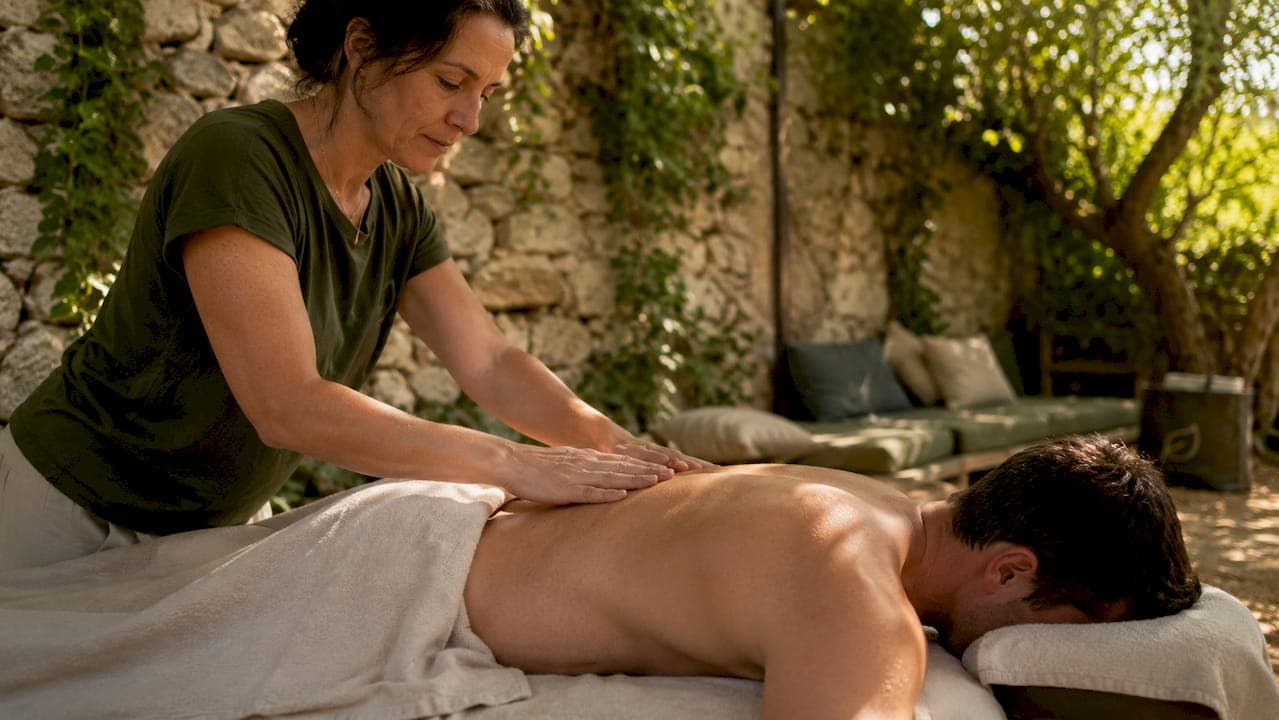
Massage therapy is defined as the systematic manipulation of soft tissue to relieve muscle tension, reduce stress, and support overall well-being. This step by step massage therapy guide gives you the tools to do exactly that, safely and confidently, whether you're working on yourself or helping someone you care about. You don't need professional training to get started. What you need is the right preparation, a clear technique sequence, and a solid understanding of safety. The foundational strokes used in Swedish massage, including effleurage, petrissage, and tapotement, form the backbone of nearly every beginner massage tutorial worth following.
What do you need to set up before starting massage therapy at home?
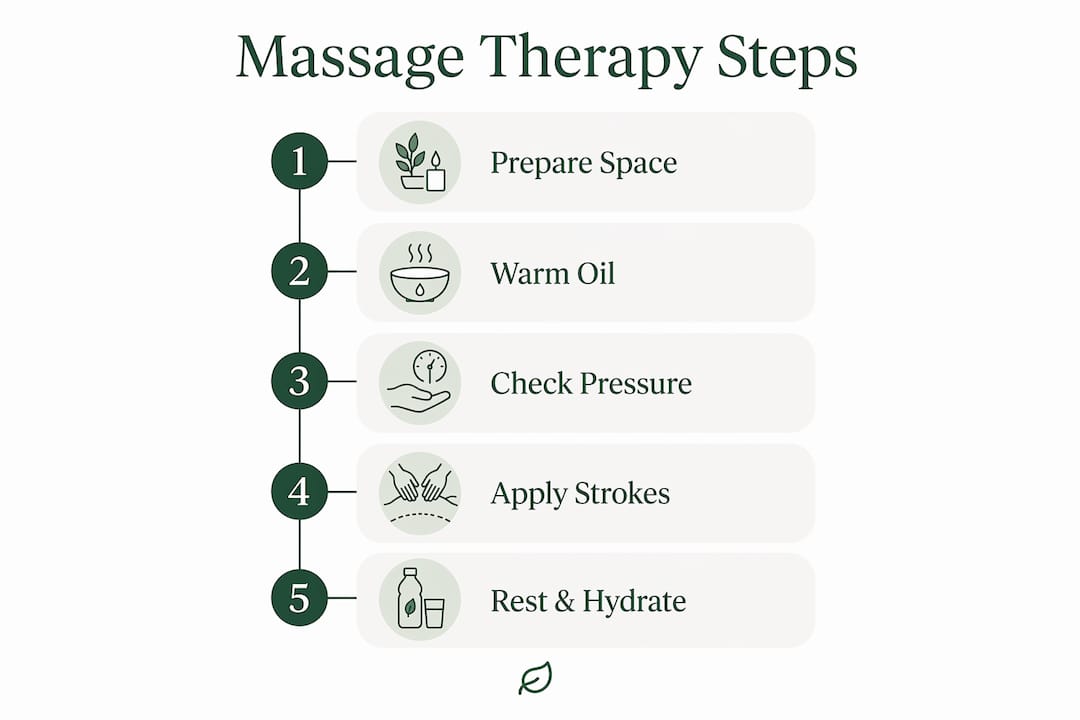
The right environment makes a real difference in how effective your session feels. A clean, quiet room with soft lighting sets a calm tone before you even touch anyone. Lay a firm surface like a yoga mat or folded blankets on the floor, or use a bed if a massage table isn't available. Gather your supplies before you begin so nothing interrupts the flow.
Your basic setup checklist:
- Massage oil or lotion: Jojoba, sweet almond, or coconut oil all work well. Avoid anything with strong synthetic fragrances.
- Towels and sheets: Use these for draping and warmth. Keep the receiver covered except for the area you're actively working on.
- Supportive pillows: Place one under the knees when lying face up, and one under the ankles when face down.
- Warm hands: Rub your palms together briskly for 10–15 seconds before making contact. Cold hands cause the muscles to tighten immediately.
- A quiet space: Turn off notifications. Soft background music at a low volume helps the receiver relax.
Before the session starts, have a brief conversation. Ask about any areas of pain, recent injuries, or health conditions. This mirrors the intake process used in professional settings, where consultation, goal setting, and privacy through draping are standard first steps. Even at home, that conversation matters.
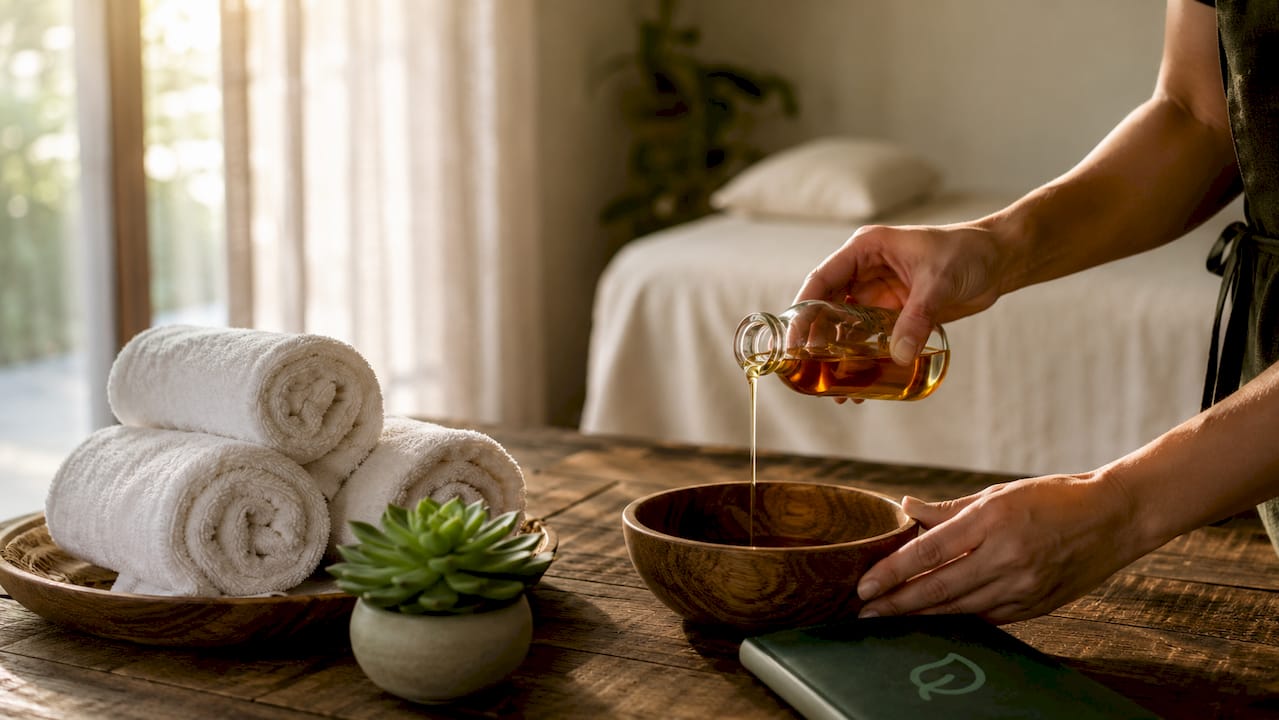
Pro Tip: Warm your massage oil by placing the bottle in a bowl of warm water for five minutes. Cold oil on skin breaks the relaxation response instantly.
Check in about pressure preferences before you begin. Agree on a simple signal, like a tap or a word, that means "ease up." This removes any awkwardness during the session and keeps communication open throughout.
What are the core massage therapy techniques to learn first?
Swedish massage techniques include five foundational strokes: effleurage, petrissage, friction, tapotement, and vibration. Each one serves a different purpose, and layering them in order creates a session that moves from relaxation to release and back to calm.
The five core strokes
- Effleurage (gliding): Long, smooth strokes that follow the direction of muscle fibers. Use your whole palm. This is always your opening and closing stroke. It warms the tissue and signals to the nervous system that touch is safe.
- Petrissage (kneading): Lift, squeeze, and roll the muscle between your fingers and thumb. Think of kneading bread dough. This stroke breaks up surface tension and improves circulation.
- Friction: Small, circular movements using your fingertips or thumbs. Apply these to tight spots or areas around joints. Friction works deeper than effleurage without requiring heavy pressure.
- Tapotement (percussion): Light rhythmic tapping or cupping with the edges of your hands. This stimulates the muscles and nervous system. Use it in the middle of a session, never at the start or end.
- Vibration: Fine trembling movements applied through your fingertips or palm. This soothes nerve endings and works well on the scalp, face, and along the spine.
Pro Tip: Start with gentle contact before increasing pressure. Jumping straight to deep work causes the muscles to brace, which is the opposite of what you want.
The most common beginner mistake is applying too much pressure too soon. Moderate pressure provides the best pain relief through neurological pathways. Starting gently and building gradually is not just more comfortable. It's more effective. Another frequent error is rushing through strokes. Slow, deliberate movements communicate safety to the nervous system and produce deeper relaxation than fast, choppy ones.
For key body areas: use effleurage along the length of the back, petrissage on the shoulders and calves, and friction around the shoulder blades and base of the skull. Avoid pressing directly on the spine or any bony prominences.
How do you perform a safe full-body massage step by step?
A full-body massage sequence follows a predictable order: neck and shoulders first, then the back, then arms, then legs, and finally the feet. This order is not arbitrary. It follows the body's natural drainage pathways and allows tension to release progressively.
Full-body session plan
- Consultation (2–3 minutes): Confirm comfort, goals, and any areas to avoid. Agree on a pressure signal.
- Neck and shoulders (5–7 minutes): Begin face down. Apply oil with long effleurage strokes from the base of the skull to the tops of the shoulders. Follow with petrissage on the trapezius muscle. Use friction along the sides of the neck with light fingertip pressure.
- Back (8–10 minutes): Long gliding strokes from the lower back up to the shoulders. Kneading along the muscles beside the spine (never on the spine itself). Tapotement across the mid-back to stimulate circulation.
- Arms (3–4 minutes per arm): Effleurage from wrist to shoulder. Petrissage on the forearm and upper arm. Gentle range of motion at the wrist and elbow if the receiver is comfortable.
- Legs (5–6 minutes per leg): Long strokes from ankle to thigh. Kneading on the calves and hamstrings. Avoid the back of the knee.
- Feet (3–4 minutes per foot): Thumb circles along the arch. Gentle toe stretches. Finish with slow effleurage strokes from toes to ankle.
- Closing (2 minutes): Return to long, slow effleurage across the whole back. Reduce pressure gradually. Rest your hands still for a moment before lifting them. This signals the end of the session clearly.
| Session Phase | Technique Used | Duration |
|---|---|---|
| Neck and shoulders | Effleurage, petrissage, friction | 5–7 minutes |
| Back | Effleurage, kneading, tapotement | 8–10 minutes |
| Arms | Effleurage, petrissage | 3–4 minutes each |
| Legs | Effleurage, kneading | 5–6 minutes each |
| Feet | Thumb circles, effleurage | 3–4 minutes each |
After the session, offer a glass of water and encourage the receiver to rest for a few minutes. Muscles that have been worked release metabolic byproducts, and hydration supports that process.
What safety precautions should you know before massaging at home?
Massage contraindications include bleeding disorders, thrombocytopenia, active infections, osteoporosis, and metastatic conditions. Applying pressure in these situations can cause real harm. Even at home, a basic screening mindset protects everyone involved.
Situations where you should not massage:
- Open wounds, rashes, or skin infections in the area
- Recent fractures or sprains
- Blood clots or known clotting disorders
- Fever or acute illness
- Undiagnosed lumps or swelling
For anyone with fragile bones or osteoporosis, light effleurage with very gentle pressure is the only appropriate approach. Even then, consulting a healthcare provider first is the right call.
Use a 1–10 pressure scale during the session. A score of 1–3 means the pressure is too light to be effective. A score of 7–8 is the therapeutic sweet spot. A score of 9–10 means you need to ease off immediately.
For self-massage, keep sessions short and gentle. Clinical recommendations suggest 5–10 minutes daily, with 30–60 seconds on any single sore spot. That limit exists to prevent irritation and to build skill gradually without overdoing it. You can find a useful safety reference for at-home massage and holistic treatments to keep your practice grounded in good habits.
How can beginners build better massage skills over time?
Consistent short practice sessions build skill faster than occasional long ones. A 2026 randomized controlled trial confirmed that daily self-massage protocols improve both technique adherence and tension relief outcomes. Treat each session as a micro-practice, not a performance.
Common challenges and how to handle them:
- Applying too much pressure: If the receiver tenses up or holds their breath, ease off. Tension is the body's signal that the pressure is too high.
- Rushing through strokes: Set a slow internal rhythm. Count to three on each gliding stroke. Speed is the enemy of relaxation.
- Losing track of sequence: Keep the session plan visible until the order becomes second nature. Consistency in sequence builds receiver trust.
- Sore hands and thumbs: Beginners often overuse their thumbs. Use your forearm or the heel of your hand for broader pressure instead.
- Not reading feedback: Watch the receiver's breathing. Slow, deep breaths mean you're on the right track. Shallow or held breath means adjust.
Pro Tip: Approach self-massage as micro-dosing. Short, focused holds of 30–60 seconds on sore spots within a 5–10 minute session build self-awareness and consistency far better than occasional long sessions.
When you notice that a previously tight area releases more quickly, that's real progress. Keep a simple log of what worked and what didn't after each session. Over time, you'll develop an intuitive sense of where tension lives in the people you work with most. If you want to go deeper, exploring muscle tension relief resources can sharpen your technique further. And if a receiver reports persistent pain that massage isn't improving, that's a clear signal to refer them to a licensed practitioner.
Key takeaways
Effective home massage therapy depends on proper preparation, correct technique sequencing, and consistent safety screening before every session.
| Point | Details |
|---|---|
| Prepare the environment first | Gather oil, towels, and pillows before starting, and warm your hands to prevent muscle bracing. |
| Learn the five core strokes | Effleurage, petrissage, friction, tapotement, and vibration form the foundation of every effective session. |
| Follow the full-body sequence | Work neck to feet in order, keeping covered areas warm and using a pressure scale throughout. |
| Screen for contraindications | Never massage over infections, fractures, or clotting conditions, and always ask before you begin. |
| Practice daily in short sessions | Five to ten minutes of consistent daily practice builds skill and tension relief faster than occasional long sessions. |
What learning massage at home actually taught me
I used to think you needed years of training before you could do anything useful with your hands. That belief kept a lot of people, including me early on, from even trying. The truth is that the basics of massage therapy are genuinely learnable, and the gap between "no idea what I'm doing" and "this actually helps" is smaller than most people expect.
What I've found is that the biggest shift isn't technical. It's attentional. The moment you start paying close attention to how a muscle responds under your hands, whether it softens, tightens, or stays neutral, you stop following a script and start actually listening. That's when the skill becomes real.
The safety piece is where I see beginners get overconfident. Knowing when not to massage is just as important as knowing how. A screening mindset isn't about being overly cautious. It's about being genuinely responsible for someone else's body.
The benefits that surprised me most weren't physical. Regular massage between people who care about each other builds a kind of trust and attunement that's hard to describe. It's quiet, focused, and deeply connective. That's worth more than any technique.
— Andrew
Take your wellness practice further with Goholistic
If this beginner massage guide has sparked your interest in holistic self-care, Goholistic makes it easy to go further. The platform connects you with certified, verified practitioners across massage therapy, acupuncture, Ayurveda, and more than 200 other treatment types.
Whether you want to deepen your home practice or book a session with a licensed professional, Goholistic gives you the tools to make informed decisions. Browse the full holistic health treatments library to explore evidence-backed therapies that complement everything you've learned here. You can also read more about therapeutic massage benefits to understand the clinical evidence behind the techniques in this guide. Your next step in wellness is closer than you think.
FAQ
What is the best stroke to start a massage with?
Effleurage, the long gliding stroke, is always the right opening move. It warms the tissue, spreads the oil, and signals safety to the nervous system before any deeper work begins.
How much pressure should i use during a home massage?
Use a 1–10 pressure scale and aim for a receiver score of 7–8, which is firm but not painful. Scores of 9–10 mean you need to reduce pressure immediately to avoid discomfort or injury.
How long should a beginner massage session last?
For self-massage, 5–10 minutes daily is the clinically recommended range. For partner massage, a full-body session typically runs 45–60 minutes depending on the areas covered.
When should you not give a massage?
Avoid massaging over open wounds, active infections, recent fractures, or areas affected by blood clots. Conditions like osteoporosis and bleeding disorders require medical clearance before any massage is appropriate.
Do i need special equipment to practice massage at home?
No specialized equipment is required to start. A firm surface, a quality massage oil like jojoba or sweet almond oil, supportive pillows, and clean towels are all you need for a safe and effective home session.