

St. John's wort tops the list of herbs with clear, clinically documented drug interactions, followed by blood-thinning herbs like ginkgo and garlic, plus enzyme disruptors like goldenseal. If you take any prescription medication, especially a blood thinner, immunosuppressant, or heart medication, tell your clinician about every supplement you use and check a resource like NCCIH before combining anything new.
TL;DR:
- St. John's wort significantly induces key liver enzymes and transporters, reducing blood levels of oral contraceptives, immunosuppressants, and certain heart drugs.
- Ginkgo and garlic mainly increase bleeding risks by affecting platelet function, especially when combined with anticoagulants like warfarin or aspirin.
- The strength and risk of herb-drug interactions depend heavily on dosage, formulation, and use frequency, with concentrated extracts posing higher risks than culinary use.
- Patients taking narrow therapeutic index drugs or undergoing transplant or cancer treatments face the highest danger from unmonitored herb interactions.
- Clinicians should prioritize detailed disclosure, ongoing monitoring, and risk stratification rather than blanket caution when managing herb use with medications.
Table of Contents
- What Are Herb-Drug Interactions, Exactly?
- The Enzyme and Transporter Map Behind Every Interaction
- Which Herbs Carry the Highest Documented Risk?
- Who Faces the Highest Stakes From These Interactions?
- How Should Clinicians Screen for and Manage Suspected Interactions?
- What Should Go on a Herb Safety Checklist?
- How Go Holistic Supports Safer Herbal Care
- Why Dosage Changes the Interaction Equation Entirely
- What Real Cases Reveal About Unexpected Interactions
- How Should Clinicians Counsel Patients Starting New Medications?
- How Should Clinical Practice Keep Pace With New Research?
- What the Evidence Actually Tells Us to Prioritize
- Find Herbal Care That Takes Your Medications Seriously
- Where to Verify Herb-Drug Interaction Information
- Sources
What Are Herb-Drug Interactions, Exactly?
Herb-drug interactions fall into two clinically distinct buckets, and knowing which one you're dealing with changes how you respond to it.
A pharmacokinetic interaction happens when an herb changes how your body absorbs, distributes, breaks down, or clears a drug. St. John's wort is the textbook case: it revs up liver enzymes and gut transporters so aggressively that it can quietly drop blood levels of oral contraceptives, certain antiretrovirals, and the transplant drug cyclosporine below the threshold needed to work. Nobody feels this happening. The pill simply stops doing its job.
A pharmacodynamic interaction works differently. The herb and the drug both act on the same physiological process, and their effects stack. Ginkgo biloba and garlic both interfere with platelet function, so pairing either one with warfarin or a prescription blood thinner does not change how much drug is in your system. It changes how your blood clots, and that can turn a minor cut into a bleeding emergency.
This distinction matters most with narrow therapeutic index drugs, medications where the gap between "not enough" and "too much" is razor thin:
- Warfarin — small shifts in metabolism or clotting factors can cause bleeding or clot formation.
- Digoxin — a modest rise in blood levels can trigger cardiac toxicity.
- Cyclosporine and tacrolimus — subtherapeutic levels risk organ transplant rejection.
- Many chemotherapy agents — altered clearance changes both efficacy and toxicity in the same breath.
With drugs like these, there's no room for a supplement to quietly move the needle in either direction.
The Enzyme and Transporter Map Behind Every Interaction
Almost every clinically meaningful herb-drug interaction traces back to a small set of biological gatekeepers, and learning to recognize them lets you predict risk before it becomes a problem.
The cytochrome P450 (CYP) enzyme family does most of the heavy lifting in drug metabolism. The enzymes that matter most for herb interactions are:
- CYP3A4 — metabolizes roughly half of all prescription drugs, including statins, calcium channel blockers, and many antiretrovirals.
- CYP2C9 — central to warfarin metabolism.
- CYP2D6 — affects many antidepressants and pain medications.
- CYP1A2, CYP2C19, CYP2E1 — involved in a wide swath of psychiatric, cardiovascular, and pain drugs.
When an herb induces one of these enzymes, it speeds up drug breakdown, and blood levels fall. When an herb inhibits an enzyme, drug levels rise, sometimes into toxic territory. St. John's wort is a potent inducer; grapefruit-like compounds in some botanicals act as inhibitors.
Beyond enzymes, transporters move drugs across cell membranes, and herbs can jam this machinery too. P-glycoprotein (P-gp) pumps drugs out of cells and across the blood-brain barrier; St. John's wort also induces P-gp, compounding its enzyme effects. OATP and BCRP transporters influence how drugs move into the liver and gut, and disruption here can swing drug exposure in either direction.
Timeline check: Enzyme induction typically takes two to three weeks to reach full effect and a similar span to wear off after stopping the herb, while enzyme inhibition can appear within days. That lag is exactly why a patient who "just started" St. John's wort last month may only now be showing signs of a failing medication.
Dosage, formulation, and even the harvest batch of a raw herb all shift how strongly these mechanisms play out, which is one reason predicting risk from a lab study alone is never straightforward.
Which Herbs Carry the Highest Documented Risk?
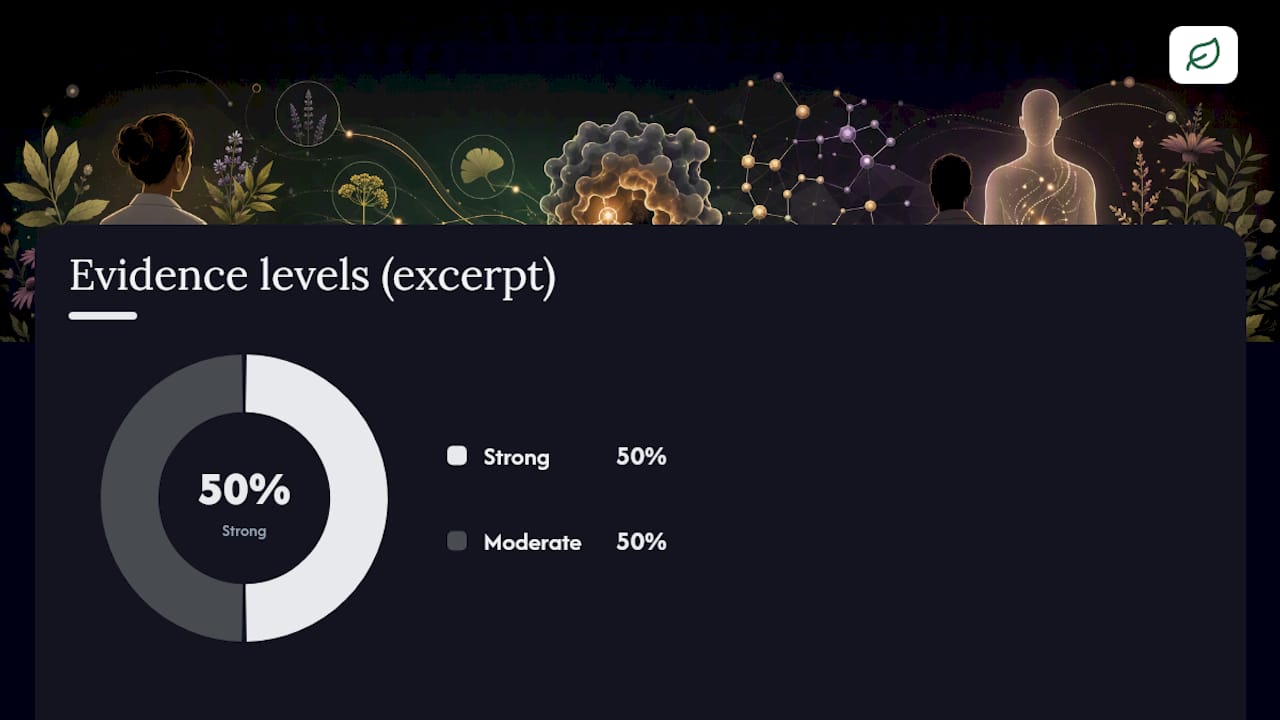
Evidence quality varies enormously across these ten herbs. Some have interactions confirmed in human trials; others rest mostly on mechanistic plausibility or case reports. Both matter, but they don't carry equal weight in a clinical decision.
A significant proportion of U.S. adults who take prescription drugs also use dietary supplements concurrently, according to American Family Physician, which makes this list less theoretical and more everyday reality.
-
St. John's wort. The most consequential herb on this list. It induces CYP3A4, CYP2C9, and P-gp, cutting blood levels of oral contraceptives, cyclosporine, certain antiretrovirals, warfarin, digoxin, and benzodiazepines. Evidence level: strong, from human clinical data. Action: avoid combining with any of these drug classes; if a patient is already taking it, do not stop abruptly without a monitoring plan, since drug levels can spike as enzyme induction fades.
-
Ginkgo biloba. Inhibits platelet-activating factor, adding to the bleeding risk of anticoagulants and antiplatelet drugs. Evidence level: moderate, largely from case reports and pharmacodynamic studies. Action: use caution with warfarin, aspirin, and NSAIDs; watch for unusual bruising or bleeding.
-
Garlic (Allium sativum) supplements. Concentrated garlic extracts inhibit platelet aggregation and may modestly affect CYP enzymes. Evidence level: moderate. Action: flag before surgery and with any anticoagulant regimen; culinary garlic in food amounts is not the concern here.
-
Goldenseal. A notable CYP3A4 and CYP2D6 inhibitor, capable of raising blood levels of drugs metabolized through those pathways. Evidence level: strong for the mechanism, based on human pharmacokinetic studies. Action: treat as high risk with any narrow therapeutic index drug metabolized by CYP3A4.
-
Green tea and green tea extract. High-dose extracts can inhibit certain drug transporters and, in some documented cases, have been linked to reduced efficacy of the chemotherapy drug bortezomib and interference with beta-blockers. Evidence level: moderate for concentrated extracts, low for beverage-strength tea. Action: distinguish supplement-dose extract from a cup of tea when counseling patients.
-
Ginseng (Panax species). May lower warfarin's anticoagulant effect and has shown interactions with certain antidepressants (serotonin syndrome risk with MAOIs). Evidence level: mixed, mostly case reports. Action: ask specifically about ginseng in patients on anticoagulants or psychiatric medications.
-
Echinacea. Limited but real concerns around CYP3A4 modulation with short-term use; more relevant for immunosuppressed patients where any immune-stimulating effect is unwelcome. Evidence level: low to moderate. Action: caution in transplant patients and anyone on immunosuppressants.
-
Milk thistle (Silybum marianum). Generally reassuring. Human trials show minimal CYP interference despite in vitro signals suggesting otherwise, per the PMC review on pharmacokinetic herb-drug interactions. Evidence level: low risk, well studied. Action: lower priority for intensive monitoring.
-
Black cohosh. Similarly reassuring in human data despite theoretical liver enzyme concerns; rare case reports of liver toxicity exist independent of interaction risk. Evidence level: low interaction risk, but monitor liver function in long-term users. Action: routine caution, not high alert.
-
Saw palmetto. Minimal documented interaction with CYP enzymes in human studies; theoretical additive bleeding risk with anticoagulants has not been strongly borne out clinically. Evidence level: low. Action: standard supplement counseling, no special monitoring typically needed.
Who Faces the Highest Stakes From These Interactions?
The same interaction that's a nonissue for a healthy thirty-year-old can be dangerous for someone else entirely, and the risk factors are predictable enough to plan around.
- Anticoagulant and antiplatelet users, where even a small pharmacodynamic push toward bleeding matters.
- Transplant and oncology patients, where drug levels sit on a knife's edge between efficacy and toxicity or rejection.
- Elderly patients on multiple medications, where reduced kidney and liver function slows clearance of everything, herbs included.
- Pregnant patients, where herb safety data is often absent entirely, not just limited.
- Anyone starting a new interacting drug while already on a supplement, since that's when unrecognized enzyme effects surface.
Certain moments deserve extra caution regardless of the patient: the weeks before elective surgery, the start of chemotherapy, and any stretch where medication adherence has been inconsistent, since erratic dosing plus a supplement's variable effect on enzymes is a hard combination to predict.
Pro Tip: If a patient can't recall exact supplement names or doses, ask them to bring the bottles to the next visit. Brand formulations vary enough in concentration that "St. John's wort" on a label doesn't guarantee a consistent dose from one product to the next.
In these higher-stakes settings, the safer default is avoidance or close monitoring rather than assuming a theoretical interaction won't materialize.
How Should Clinicians Screen for and Manage Suspected Interactions?
A reliable workflow beats memorizing every possible combination, because new supplements enter the market faster than any list can track.
- Ask directly and specifically. Open-ended questions about "any supplements" under-report use; naming categories (sleep aids, immune boosters, joint supplements) surfaces more accurate answers.
- Document brand, dose, and form. A capsule and a tincture of the same herb are not interchangeable, and neither are two brands with different standardization.
- Record start and stop dates. This matters most for enzyme induction, where effects linger for weeks after discontinuation.
- Cross-check against a trusted interaction database before adding or adjusting a prescription.
- Weigh the drug's therapeutic index. A narrow-margin drug justifies a lower threshold for pausing the supplement.
- Order monitoring where appropriate. INR checks for anticoagulant patients, drug-level checks for cyclosporine or digoxin, and symptom tracking for everything else.
For elective surgery, a common and reasonable practice is discontinuing higher-risk supplements a few weeks beforehand, giving enzyme induction time to fully resolve before anesthesia and surgical bleeding risk come into play. If a patient starts or stops a clotting-relevant herb while on warfarin, checking INR within about a week and repeating until stable is a sound approach, with a lower threshold to intervene in frail or elderly patients.
Medication reconciliation done well, with full disclosure and clear documentation, catches most problems before they become emergencies. A safe herbal supplement guide can help patients understand which products carry more reliable safety data before they even bring the conversation to their clinician.
What Should Go on a Herb Safety Checklist?
A short intake form does more to prevent interactions than any amount of clinician memory. Patients should be ready to list:
- Every supplement by brand name, dose, and how it's taken (capsule, tincture, tea).
- The reason for taking it and how long they've used it.
- Where it was purchased, since sourcing affects quality and standardization.
- Any noticed side effects or changes in how their prescription medications seem to be working.
On the clinician side, the goal is to fold this straight into the medication list, not into a separate note nobody revisits. Flag anything from the high-risk category above, note any monitoring or hold decision, and set a specific follow-up. A screening approach that treats supplement use as seriously as prescription history closes a gap that standard intake forms routinely miss. One reliable question that reliably increases disclosure: "What have you tried on your own to help with this before coming in today?"
How Go Holistic Supports Safer Herbal Care
Go Holistic's treatment library pairs evidence summaries with a directory of verified practitioners, so patients exploring herbal options can see the research behind a remedy before booking anyone. Practitioners listed on the platform, including those specializing in Western herbalism, are encouraged to review current medications as part of intake. That doesn't replace a prescribing clinician's judgment. It does mean patients have a place to start that treats disclosure as standard practice rather than an afterthought, with booking prompts designed to surface medication use before a consultation begins.
Why Dosage Changes the Interaction Equation Entirely
A "high risk" herb at a low, occasional dose and the same herb at a concentrated therapeutic dose are not the same clinical situation, and treating them as identical leads to either needless alarm or dangerous complacency.
Enzyme induction and inhibition are generally dose-dependent processes. St. John's wort taken as an occasional tea poses far less enzyme-induction risk than a standardized extract taken daily at doses used in depression trials, because the compound driving the effect (hyperforin) needs to reach a meaningful concentration to meaningfully induce CYP3A4 and P-gp. This is why NCCIH's clinical guidance treats hyperforin content as a variable worth asking about, not just the herb's name.
The same logic applies to garlic and ginkgo's effects on platelets. Culinary garlic in a normal diet has never been shown to cause clinically significant bleeding; concentrated garlic capsules taken for cholesterol management are a different exposure entirely. Green tea extract capsules marketed for weight loss deliver catechin concentrations far beyond what anyone gets from drinking the beverage, which is exactly why liver toxicity case reports cluster around extracts, not tea drinkers.
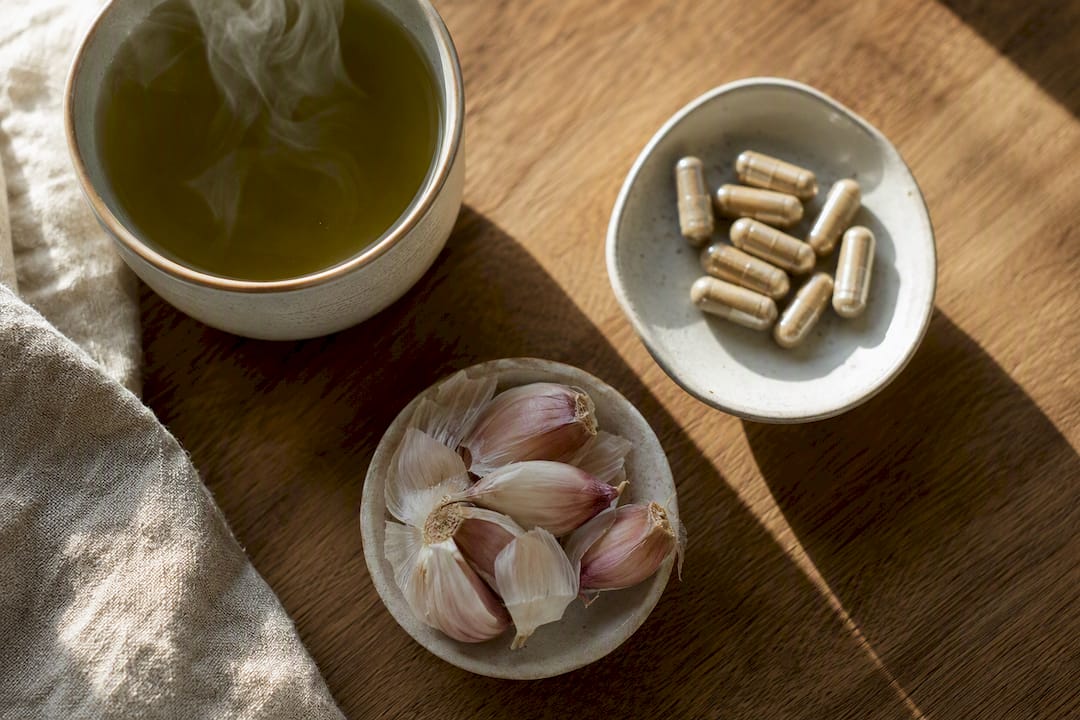
The practical takeaway for counseling patients: ask not just "do you take this herb" but "how much, how often, and in what form." A dose-blind interaction check is only half a check.
What Real Cases Reveal About Unexpected Interactions
The clearest illustration of how these mechanisms play out clinically involves transplant patients on cyclosporine who started St. John's wort for mood support without mentioning it. Cyclosporine levels dropped enough in some documented cases to risk organ rejection, a consequence with no room for a "wait and see" approach once discovered. The enzyme induction responsible for the drop had likely been building for weeks before anyone connected the dots.
A comparable pattern shows up with oral contraceptives. Women taking St. John's wort alongside hormonal birth control have experienced breakthrough bleeding and, more seriously, unintended pregnancy, because induced metabolism pushed hormone levels below the threshold needed for reliable contraception. Nothing about that failure announces itself; it looks like ordinary contraceptive failure until the supplement history comes out.
On the bleeding side, patients combining warfarin with ginkgo or concentrated garlic have presented with elevated INR and unexplained bruising that resolved only after the supplement was identified and stopped. These cases share a pattern worth remembering: the herb was rarely the first thing anyone suspected, because supplement use gets left off medication histories far more often than prescription drugs do.
How Should Clinicians Counsel Patients Starting New Medications?
The moment a new prescription is written is the single best opportunity to catch a brewing interaction, and it's routinely missed because the supplement conversation happens, if at all, as an afterthought.
Frame the question as routine, not suspicious. Something like, "Before we start this, are you taking anything else, including anything from a health food store, herbalist, or online retailer?" tends to surface more honest answers than a checkbox on an intake form, because it signals genuine curiosity rather than judgment.
Counsel patients that "natural" does not mean "inert." Many people assume herbal products are inherently gentler than pharmaceuticals, and that assumption is exactly what leads them to withhold the information a clinician needs most. Explaining the mechanism in plain terms, that some herbs speed up or slow down how the body processes medication, tends to land better than a blanket warning.
Set a specific follow-up point. If a patient is starting a narrow therapeutic index drug and continuing a supplement with any interaction potential, schedule the check-in before symptoms would reasonably appear, not after. And document the conversation itself, not just the supplement list. A note that says "counseled on herb-drug interaction risk, patient agreed to disclose changes" protects both the patient and the record.
How Should Clinical Practice Keep Pace With New Research?
Herb-drug interaction evidence shifts faster than most clinicians have time to track, and a static mental list from training years ago is going to miss real developments.
Set a habit of checking NCCIH's clinical digest and FDA safety communications on a recurring basis rather than only when a specific question comes up. Both update as new case reports and trial data emerge, and both are free.
Treat mechanistic reviews with appropriate skepticism until human data catches up. A 2021 review in Food and Chemical Toxicology makes the point plainly: many proposed interactions are built on in vitro or computational models, and translating that into real clinical risk takes further study. That's not a reason to dismiss a mechanistic warning, but it is a reason to weigh it differently than a documented human case series.
Standardization variability is another moving target. Because herbal products differ by batch, harvest, and manufacturer, a study on one formulation doesn't automatically apply to every product with the same name on the label, a point underscored in the PMC pharmacokinetic review. Practices that build in periodic review of supplement guidance, rather than treating it as fixed knowledge, catch these shifts before a patient does.
What the Evidence Actually Tells Us to Prioritize
The conventional advice on this topic tends to lump all herbal supplements into one cautionary paragraph, and that's the biggest disservice to patients. St. John's wort and goldenseal have real, mechanistically clear, human-documented interaction risk. Milk thistle and black cohosh, despite living on the same "consult your doctor" warning labels, have shown remarkably little interaction risk in actual trials. Treating those as equivalent threats wastes clinical attention on low-risk products while the genuinely dangerous ones slip through on the assumption that "herbal" means "harmless."
What the research actually supports is risk stratification, not blanket suspicion. Ask specifically, weigh the drug's therapeutic index, and reserve the hardest line for narrow-margin medications and the herbs with documented enzyme or platelet effects. Everything else deserves awareness, not alarm.
Where guided herbal care fits into this picture is as a supplement to good prescribing, not a replacement for it. A verified practitioner who reviews medications before recommending anything botanical closes a gap that a rushed fifteen-minute visit often can't. That's a genuinely useful role, provided it never substitutes for the disclosure conversation between a patient and the clinician managing their prescriptions.
— Andrew
Find Herbal Care That Takes Your Medications Seriously
Choosing an herbalist without medication screening is a gamble most patients don't realize they're taking, so exploring best adaptogen combinations can provide safer, informed herbal options. Go Holistic's herbal medicine directory connects you with verified practitioners who ask about your prescriptions before recommending anything botanical, backed by evidence summaries you can review before you ever book a consultation.
Provider listings include background on training and specialty, indicating who reviews medication history as part of their standard intake before appointments. If you're managing a chronic condition on prescription medication and want guided support around herbal use, start by exploring holistic health coaching to find a practitioner who will factor your full medication list into any recommendation. Whatever you choose, disclose every supplement you take, including the ones bought online or recommended by a friend, so nothing gets missed.
Where to Verify Herb-Drug Interaction Information
Checking more than one source catches what a single database might miss, especially for newer supplements without much published history.
- NCCIH's herb-drug interactions clinical digest — the most clinician-oriented overview, updated with current evidence summaries by drug class.
- FDA consumer and safety updates — best for regulatory alerts and real-world safety warnings, including recalls.
- Office of Dietary Supplements at NIH — herb-specific fact sheets with links to primary research for deeper reading.
- PubMed and PMC — the source for primary trial data and systematic reviews when a database summary raises more questions than it answers.
- American Family Physician's interaction tables — a practical, risk-stratified reference that separates well-studied low-risk herbs from those with documented clinical concern.
No single resource covers everything, and human clinical data should always outweigh an in vitro finding when the two disagree. When in doubt, the safer move is treating an unclear interaction as a real one until proven otherwise.
This article is general information, not a substitute for advice from a qualified doctor. Consult a qualified healthcare professional about your own circumstances before acting on anything here.
Sources
- Herb-Drug Interactions | NCCIH
- Mixing medications and dietary supplements can endanger your health | FDA
- Common Herbal Dietary Supplement–Drug Interactions | American Family Physician
- Pharmacokinetic drug–drug interactions and herb–drug interactions (review) | PMC