
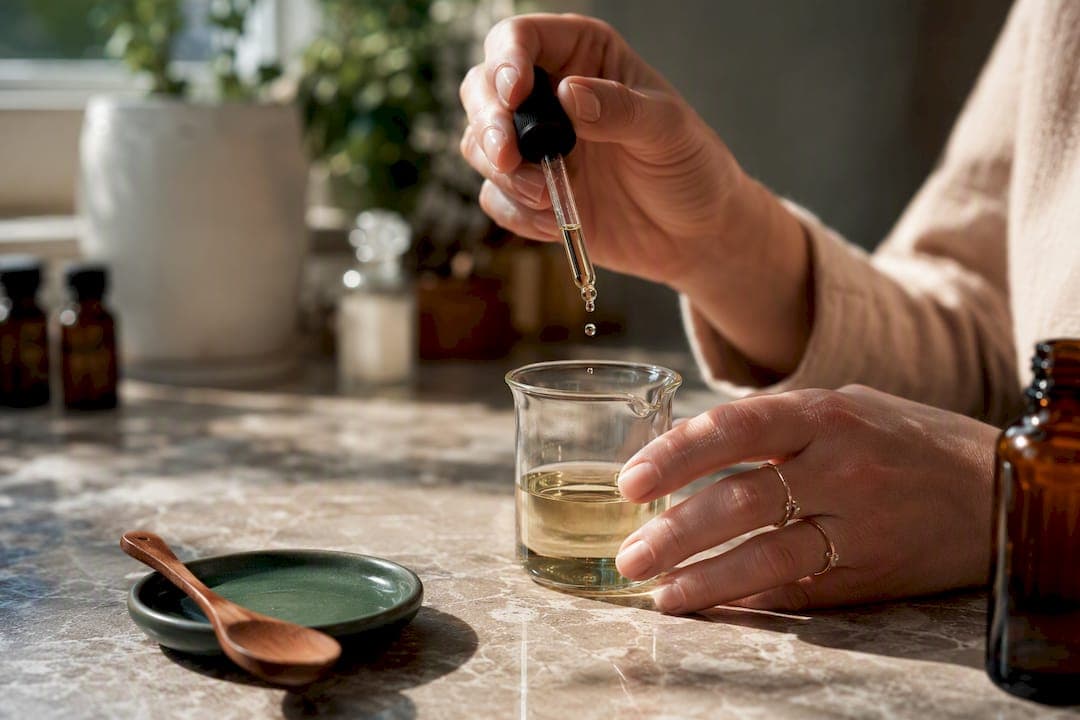
Essential oils can be safe when you treat them the way a pharmacist treats concentrated compounds: dilute properly, respect age and health limits, and never assume "natural" means risk-free. The one rule that covers most of what goes wrong is this: dilute before skin contact, and never ingest without a qualified professional guiding you. If a reaction happens, stop use immediately and call your clinician or poison control.
TL;DR:
- Dilute essential oils thoroughly before skin contact, especially for children, to prevent skin reactions and toxicity.
- Diffuse oils intermittently with proper ventilation, avoiding prolonged exposure in unventilated or small spaces, especially around pets and vulnerable individuals.
- Avoid ingesting essential oils unless guided by a qualified professional, and seek immediate help from poison control if ingestion occurs.
- Use only high-quality oils with clear botanical names, batch testing, and proper packaging to reduce risks associated with adulteration and oxidation.
- Be cautious with high-risk oils like wintergreen, camphor, and citrus, especially around children, pets, pregnant women, and sensitive health conditions.
Table of Contents
- Essential Oils Safety: A Quick Dos-and-Don'ts Checklist
- How to Use Essential Oils Safely: Dilution, Patch Tests, and Diffusion
- Vulnerable Groups: Children, Pregnancy, Asthma, and Pets
- High-Risk Oils That Deserve Extra Caution
- What to Do If Something Goes Wrong
- Choosing Quality Oils: What the Label Should Tell You
- What the Research and Expert Guidance Actually Say
- Trusted Resources for Essential Oil Safety
- Ready to Use Essential Oils With Real Confidence?
- The Real Gap in Essential Oil Safety Advice
- Sources
Essential Oils Safety: A Quick Dos-and-Don'ts Checklist
Most essential oil injuries trace back to skipping one of a handful of basic precautions. Keep this list somewhere you'll actually see it, like taped inside a cabinet door.
- Do dilute before skin contact. Adults generally tolerate low dilution percentages for topical use, but children need far lower concentrations.
- Don't apply oils neat (undiluted) to skin, even "gentle" ones like lavender.
- Do patch test on a small area of skin and wait before applying more broadly.
- Don't ingest essential oils unless a qualified practitioner has specifically directed you to, in a measured dose.
- Do diffuse intermittently. Running a diffuser nonstop in a closed room raises exposure without adding benefit; intermittent diffusion cycles reduce habituation while keeping the room pleasant, according to the Tisserand Institute's safety guidelines.
- Don't diffuse in unventilated spaces for long stretches, especially around babies, pets, or anyone with breathing issues.
- Do store oils in a locked cabinet or high shelf, away from heat, sunlight, and curious hands.
- Don't leave bottles within reach of children or pets, since even a teaspoon of some oils can cause serious harm to a small body.
Pro Tip: Write the date you opened each bottle on the label. Oxidized oils, especially citrus ones, are more likely to irritate skin, so a bottle that's been open for a year deserves extra caution.
If someone swallows an essential oil, don't wait to see what happens. Misuse causes real poisonings every year, and the appropriate response is immediate: contact webPOISONCONTROL or call 1-800-222-1222 for guidance before symptoms escalate.
How to Use Essential Oils Safely: Dilution, Patch Tests, and Diffusion
Getting the dose right is the difference between a pleasant, calming ritual and a trip to urgent care. Here's how the numbers and steps actually work.
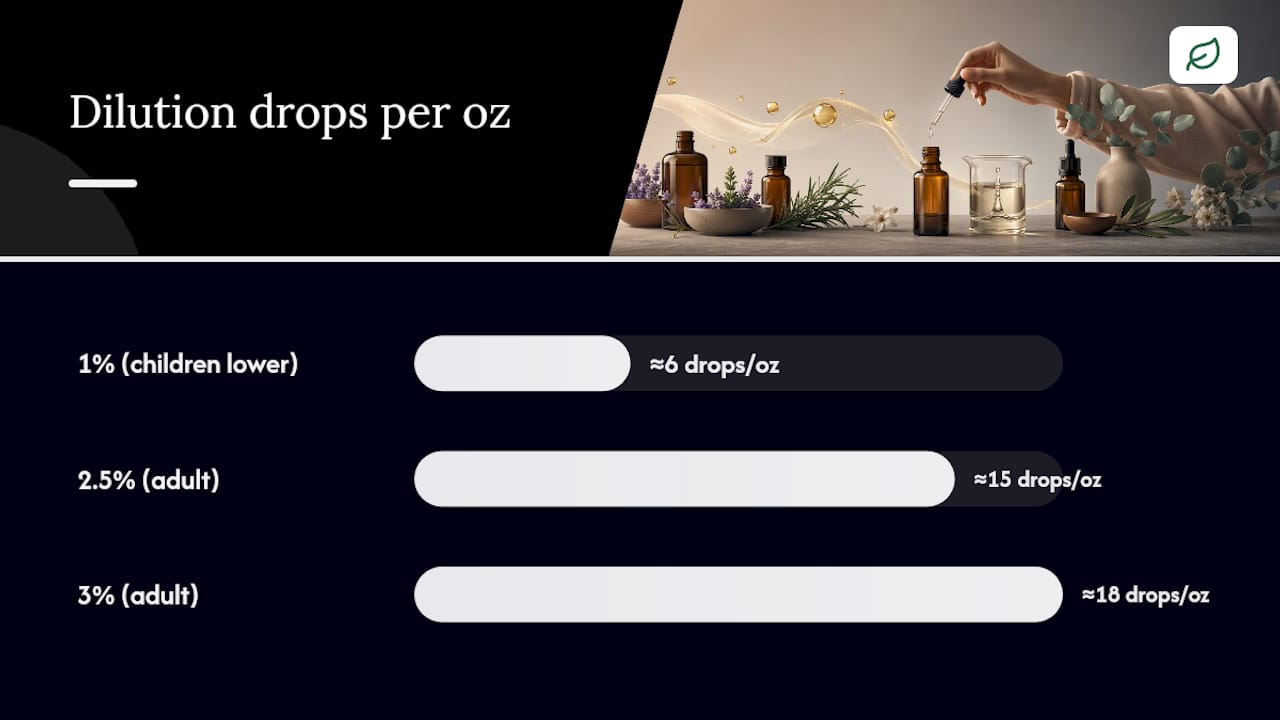
1. Understand dilution percentages. A 1% dilution means roughly 6 drops of essential oil per ounce (30 ml) of carrier oil, like jojoba or sweet almond oil. A 2.5% dilution runs about 15 drops per ounce, and 3% is roughly 18 drops. Adults using oils for general skin application should stay in the 1 to 3% range; anything higher is reserved for short-term, targeted use and only with guidance from someone trained in aromatherapy. Kaiser Permanente's guidance recommends noticeably lower concentrations for children, often a quarter to half the adult dilution.
2. Run a proper patch test. Mix your diluted oil and apply a small amount to the inner forearm or behind the ear. Cover it lightly and wait. Immediate stinging or redness means stop right away, but the more important window is 24 to 72 hours later, since allergic contact dermatitis often shows up as a delayed reaction rather than an instant one, according to a dermatology review published in PMC. If nothing happens in that window, you can move to broader use, but stay alert for the first several applications.

3. Disperse oils properly in baths. Undiluted drops floating on bathwater sit directly on skin at full strength, which is exactly the concentrated exposure you're trying to avoid. Mix drops into a dispersant first, unscented liquid soap, whole milk, or a bath carrier product, then add that mixture to running water so the oil spreads evenly instead of pooling.

4. Set diffuser cycles, not constant streams. A reasonable pattern is 30 to 60 minutes on, followed by 30 to 60 minutes off, in a room with some air movement. This keeps ambient concentration from building up over hours, which matters most in smaller bedrooms or nurseries. Crack a window or door periodically rather than sealing the room shut.
5. Keep oils away from eyes, ears, and mucous membranes entirely. If oil gets in the eye, flush with a carrier oil (not water, which can spread it) or milk, then rinse with water and seek care if irritation persists. For nasal or oral discomfort, a drop of carrier oil on a tissue for gentle inhalation is a safer substitute for direct application near those tissues.
Vulnerable Groups: Children, Pregnancy, Asthma, and Pets
Standard adult guidelines don't automatically transfer to everyone in your household, and this is where most avoidable incidents happen.
Children and infants need dilution far below adult standards, often half or less, and some oils, including eucalyptus and peppermint, are commonly advised against for children under 2 due to respiratory effects. Never apply oils near an infant's face, and never leave a diffuser running in a room where a baby sleeps unattended.
Pregnancy and breastfeeding call for extra caution because several commonly used oils are advised against during these periods. A clinician or a certified prenatal aromatherapist should weigh in before you continue any routine you had pre-pregnancy, since hormonal and fetal sensitivities aren't always intuitive.
Asthma and COPD patients should treat inhalation and diffusion with real skepticism. Strong scents, even pleasant ones, can trigger airway irritation and bronchospasm in sensitive lungs. If you notice tightness, coughing, or wheezing near diffused oils, that's your answer, and it means avoiding that oil and that delivery method going forward.
Medication interactions are underappreciated. Some essential oil constituents affect liver enzymes involved in drug metabolism, which can intensify or blunt the effect of prescription medications. If you're on blood thinners, sedatives, or anything with a narrow safety margin, ask a pharmacist before adding regular essential oil use to your routine.
Pets, especially birds, are highly sensitive to diffused oils. Microdroplets released into the air can affect their respiratory systems even at concentrations humans barely notice, according to the Merck Veterinary Manual. Keep diffusers out of rooms where birds live, avoid applying oils to your pet's fur or paws, and store bottles somewhere a curious cat or dog can't knock them over.
High-Risk Oils That Deserve Extra Caution
Not every oil carries equal risk, and a few deserve specific warnings rather than a blanket "use carefully" label.
- Wintergreen contains methyl salicylate, chemically related to aspirin. A teaspoon ingested by a small child can produce toxicity comparable to a serious aspirin overdose, including rapid breathing and metabolic disturbance.
- Camphor is dangerous even in small amounts. Swallowed or heavily over-applied, it can trigger seizures, particularly in young children, and has no safe margin for ingestion.
- Eucalyptus and certain sage varieties pose both ingestion and respiratory risks. Young children are especially vulnerable to airway spasm from concentrated vapors.
- Citrus oils like bergamot and cold-pressed lemon are phototoxic. Applying them topically and then heading into sunlight can cause burns or dark discoloration that lasts weeks, so plan sun avoidance for at least 12 hours after use.
- Lavender and tea tree carry a more nuanced concern. NIEHS research found some of their chemical components showed hormone-like activity in laboratory testing, and case reports have linked prolonged topical exposure to prepubertal gynecomastia in boys. Increasing dilution reduced that endocrine-disrupting activity in the same research, which reinforces why lower concentrations and limited, monitored use matter most for children.
What to Do If Something Goes Wrong
Fast, correct action in the first few minutes matters more than any home remedy you might try afterward.
- Skin irritation or rash: Remove the product with a carrier oil or mild soap, not water alone, since water can spread oil-based irritants. Apply a cool compress and monitor. If redness spreads, blisters form, or the rash doesn't improve within a day, see a doctor.
- Breathing difficulty: Stop exposure immediately and move to fresh air. If wheezing, breathlessness, or chest tightness continues after a few minutes, call emergency services. Don't wait to see if it passes on its own.
- Ingestion: Do not induce vomiting. Contact poison control right away or head to an emergency department if symptoms are severe.
- Ongoing sensitivity: If you've had a reaction once, see a dermatologist or allergist about formal patch testing before trying that oil again, because sensitization tends to persist and worsen with repeat exposure rather than fade.
If someone swallows an essential oil, the appropriate first step is contacting webPOISONCONTROL or calling 1-800-222-1222 immediately rather than waiting for symptoms to appear or trying a home remedy first.
Breathing difficulty of any kind following essential oil exposure counts as an emergency, not a "wait and see" situation, according to dermatology guidance on essential oil reactions.
Choosing Quality Oils: What the Label Should Tell You
A cheap oil that's cut with synthetic fillers or improperly extracted plant material carries risks that have nothing to do with dosage. Quality starts before you ever open the bottle.
- Check for the botanical name. A label reading "Lavandula angustifolia" alongside "lavender" signals a supplier that takes species identification seriously, since related plants can have very different safety profiles.
- Look for batch numbers and GC/MS test reports. Gas chromatography and mass spectrometry testing reveals the actual chemical makeup of a batch, and reputable suppliers make these reports available on request.
- Understand the regulatory reality. Essential oils in the U.S. are largely regulated as cosmetics, not medicines, meaning there's no federal requirement for purity testing before an oil reaches store shelves.
- Check packaging. Amber or cobalt glass protects against light degradation, and childproof caps matter more than most buyers realize once oils are in a home with kids.
- Note expiration guidance. Citrus oils oxidize faster than woodsy ones like cedarwood, and oxidized oils are more likely to trigger skin irritation.
What the Research and Expert Guidance Actually Say
The strongest safety guidance on essential oils comes from a handful of consistent sources, not scattered opinion. NIEHS laboratory research found that certain compounds in lavender and tea tree oils exhibit hormone-like activity, and that dilution measurably reduced that effect, which is precisely why dilution guidelines aren't arbitrary. Dermatology literature reinforces the same theme from a different angle: allergic contact dermatitis from essential oils frequently shows up 24 to 72 hours after exposure rather than immediately, and once sensitization sets in, it tends to be lasting rather than temporary.
Poison control data adds the urgency piece. Ingestion cases involving essential oils are treated as genuine poisonings, not minor stomach upset, which is why immediate contact with a poison center matters more than waiting to assess symptoms at home.
The treatment library and practitioner-verification system are built around an evidence-first approach. The treatment library includes entries drawing on research summaries rather than marketing claims, and the directory connects users with holistic practitioners who can assist with dosage, interactions, and personal risk factors specific to health history.
Trusted Resources for Essential Oil Safety
Keep these on hand, ideally saved somewhere you can find quickly:
- Poison Control (webPOISONCONTROL or 1-800-222-1222) for ingestion or severe reactions
- NIEHS essential oils summary for endocrine research findings
- Tisserand Institute safety guidelines for dilution charts and diffusion practices
- PMC dermatology review on allergic contact dermatitis from essential oils
For broader guidance on lower-risk self-care alternatives, Goholistic's guide to safe herbal supplements covers similar dilution and sensitization principles.
Ready to Use Essential Oils With Real Confidence?
The safety habits in this guide work, but they work best paired with someone who knows your specific health picture. If you're managing a chronic condition, taking medication, or just want a second opinion before adding oils to your routine, Goholistic's directory of verified holistic practitioners makes it simple to book a consultation with someone trained in aromatherapy and integrative care. Browse the full range of holistic health treatments to see how essential oils fit alongside other evidence-based options, and let a certified practitioner help you build a routine that actually matches your body's needs.
The Real Gap in Essential Oil Safety Advice
Most essential oil guidance online treats safety as a checklist you complete once and move past. That's backwards. Sensitization builds over time, which means the bottle of lavender that felt fine for six months can trigger a reaction in month seven. The conventional advice undersells this cumulative risk almost entirely, focusing instead on one-time patch tests and generic dilution charts.
What actually matters is treating essential oils the way you'd treat any active compound you put on or near your body repeatedly: watching for change, not just checking a box at the start. The NIEHS findings on dilution-dependent hormonal activity back this up. Concentration and frequency both drive risk, not just the initial exposure.
If you take one thing from this guide, prioritize this: talk to a practitioner who can look at your actual health history before you build a daily oil routine, especially if children, pregnancy, or chronic conditions are involved. Labels can't account for your specifics. A trained person can.
— Andrew
Sources
- Essential oils: Poisonous when misused | Poison Control
- Essential oils | NIEHS
- Art of Prevention: Essential Oils - Natural Products Not Necessarily Safe | PMC
- Are essential oils: Are they safe? | Kaiser Permanente
- Safety guidelines - Tisserand Institute