

TL;DR:
- Alternative medicine careers involve using non-conventional, whole-person approaches to promote health and healing in various clinical and wellness settings. As demand and job growth increase across modalities like massage therapy, acupuncture, and naturopathy, combining clinical expertise with business and research skills becomes crucial for long-term sustainability. The evolving field is increasingly integrated into mainstream healthcare, offering diverse opportunities in research, education, and patient-centered care.
Alternative medicine careers are defined as professional roles in which practitioners use non-conventional, whole-person approaches to support health and healing. From licensed acupuncturists and naturopathic doctors to integrative health coaches and herbalists, these natural health professions span a wide range of disciplines, training levels, and work settings. Massage therapy alone is projected to grow 15% from 2024 to 2034, nearly five times the average growth rate for all occupations. That kind of momentum reflects a broader cultural shift toward integrative, patient-centered care. Institutions like Bastyr University and the National University of Natural Medicine (NUNM) have spent decades building the educational infrastructure that makes these careers credible, licensable, and financially sustainable.
1. What are the top alternative medicine careers?
The ten careers below represent the most established and fastest-growing paths in complementary therapy careers today. Each one offers a distinct blend of clinical skill, personal connection, and professional flexibility.
2. Naturopathic doctor
Naturopathic doctors (NDs) complete a four-year graduate program covering clinical nutrition, botanical medicine, homeopathy, and physical medicine. Some states authorize NDs to serve as primary care providers, which significantly expands their scope of practice and earning potential. Work settings include private clinics, integrative health centers, and academic institutions. Building a private practice demands managing staffing, scheduling, and patient expectations from day one, so business skills matter as much as clinical training.
3. Licensed acupuncturist
Acupuncture is one of the most recognized and regulated complementary therapy careers in the United States. NUNM's Master of Acupuncture with Chinese Herbal Medicine program is a 3 to 4 year graduate degree that includes over 890 clinical hours, preparing graduates for state licensure exams. Acupuncturists work in private practice, pain management clinics, cancer care centers, and integrative hospitals. The clinical hour requirement is substantial, and students who underestimate the scheduling demands often face funding and timeline challenges mid-program.
Pro Tip: Before enrolling in any acupuncture or herbal medicine program, map out your full financial plan for all four years. Clinical rotations reduce your availability for part-time work more than most students expect.
4. Massage therapist
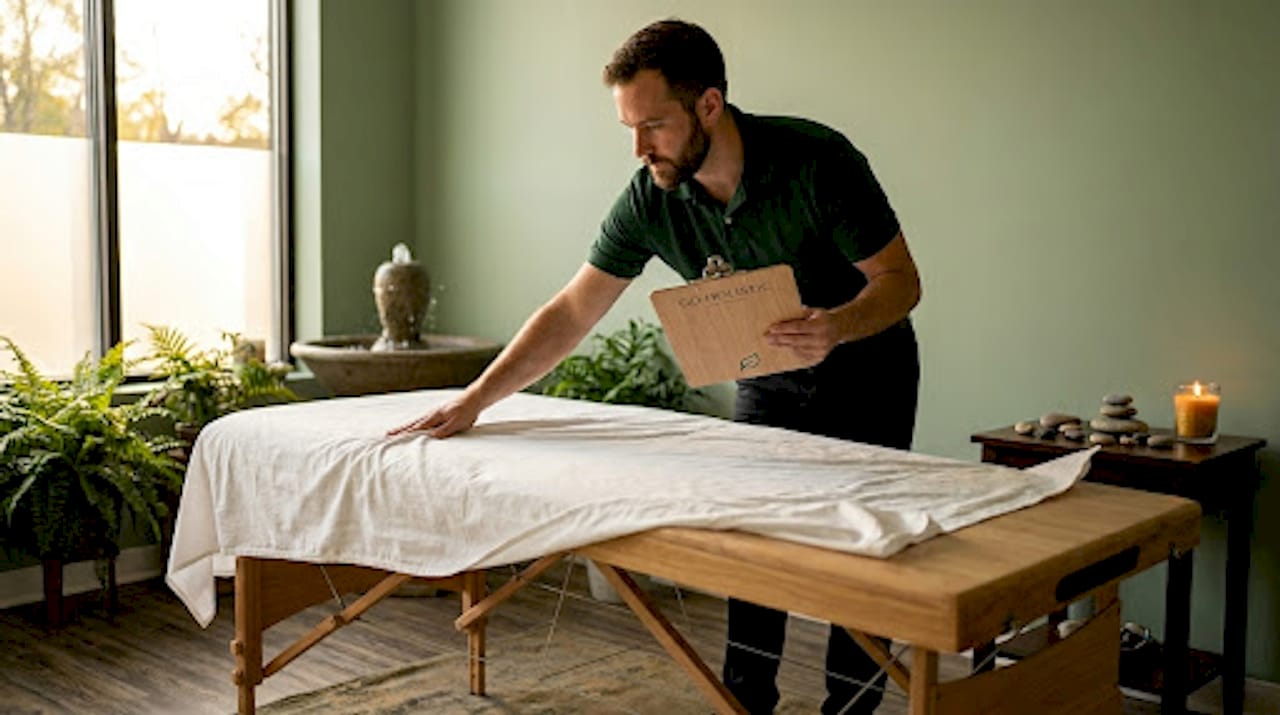
Massage therapy is the most accessible entry point into holistic health jobs, typically requiring 500 to 1,000 hours of training through a state-approved program. The 15% projected job growth through 2034 makes it one of the most promising natural health professions for new practitioners in 2026. Massage therapists work in spas, chiropractic offices, sports medicine facilities, and hospitals. Physical strain is a real occupational risk, and practitioners who do not develop proper body mechanics early in their careers often face injury within the first five years.
5. Integrative health coach
Integrative health coaching sits at the intersection of wellness consulting and behavioral change. Health coaches work with clients on nutrition, stress management, sleep, and lifestyle habits, often within functional medicine or corporate wellness programs. The scope of practice for health coaches varies by state and certification body, so choosing a nationally recognized credential like those from the National Board for Health and Wellness Coaching matters for professional credibility. This role suits practitioners who prefer a non-clinical setting and want flexible, remote-friendly work arrangements.
6. Herbalist
A career in herbal medicine blends traditional plant knowledge with modern nutritional science. Herbalists work as consultants, product formulators, educators, and clinical practitioners, depending on their training level. There is no single national license for herbalists in the United States, which means your credibility rests heavily on your training program, your professional affiliations, and your ability to communicate evidence-based reasoning to clients. Organizations like the American Herbalists Guild offer a peer-reviewed registration process that functions as the field's most recognized professional credential.
7. Chiropractor
Chiropractic is one of the most regulated and financially established paths in alternative therapy training. Doctors of Chiropractic (DCs) complete a four-year graduate program and must pass national board exams before licensure. The profession sits firmly within the healthcare mainstream, with chiropractors working alongside orthopedic surgeons, physical therapists, and sports medicine physicians. Chiropractic also offers one of the clearest private practice models in the field, with well-established billing and insurance frameworks.
8. Reiki practitioner and energy healing specialist
Energy healing occupations like Reiki, therapeutic touch, and healing touch represent some of the most accessible entry points in terms of training time, but they also carry the most credibility challenges. Reiki practitioners typically complete a series of attunement levels over weeks or months rather than years. Most successful Reiki practitioners build their practice as a complement to another licensed modality, such as massage therapy or nursing, rather than as a standalone career. Hospitals including Cleveland Clinic and Memorial Sloan Kettering have integrated Reiki into their supportive care programs, which signals growing institutional acceptance.
9. Midwife
Certified Nurse Midwives (CNMs) and Certified Midwives (CMs) represent one of the most demanding yet deeply rewarding paths in mind-body practice jobs. Midwives regularly work nights and weekends, and on-call schedules are the norm rather than the exception. CNMs complete a master's or doctoral program in nursing and midwifery, while CMs follow a direct-entry pathway. The emotional rewards of this work are significant, but the irregular hours require a lifestyle and family structure that can genuinely accommodate unpredictable scheduling.
10. Functional medicine practitioner
Functional medicine practitioners identify and address the root causes of disease using systems biology and personalized care. Most functional medicine practitioners are already licensed in a clinical field such as medicine, nursing, or naturopathy, and they add functional medicine training through programs like the Institute for Functional Medicine's Certified Practitioner credential. This career path suits clinicians who feel constrained by conventional medicine's symptom-focused model and want to spend more time with patients on complex, chronic conditions. The evidence-based integrative approach used in functional medicine also strengthens professional credibility within hospital and research settings.
11. Clinical researcher in integrative health
Not every alternative medicine career involves direct patient care. NUNM's Master of Science in Clinical Research prepares graduates for roles as clinical research coordinators and data managers in academia, hospitals, and healthcare organizations. This path suits practitioners who want to advance the evidence base for complementary therapies without the demands of clinical practice. Research degrees expand employability into clinical trials, data analysis, and science communication, which are areas where the integrative health field genuinely needs more qualified professionals.
How education and training requirements differ across careers
The range of educational commitment across alternative medicine careers is wider than most people expect. Here is a clear breakdown of what different paths require:
- Doctoral level (4+ years): Naturopathic medicine (ND), chiropractic (DC), and Certified Nurse Midwifery (CNM/DNP) all require graduate-level programs with extensive clinical hours and national board exams.
- Master's level (2 to 4 years): Acupuncture programs like NUNM's MAcCHM include over 890 clinical hours and prepare students for state licensure. NUNM's MSCR targets non-clinical research roles.
- Certificate and diploma programs (6 months to 2 years): Massage therapy, Reiki, and many health coaching credentials fall here. These programs vary widely in rigor, so accreditation status matters.
- Online doctoral options: The University of Lynchburg's Doctor of Medical Science is a fully online program for licensed physician assistants covering healthcare law, global health, and administration. It illustrates how advanced credentials are becoming more accessible to working practitioners.
- Continuing education: Most licensed professions require ongoing CE credits to maintain licensure, typically 20 to 50 hours per renewal cycle depending on the state and modality.
Choosing a program with strong clinical placement networks and accreditation from bodies like the Accreditation Commission for Acupuncture and Herbal Medicine (ACAHM) or the Council on Naturopathic Medical Education (CNME) directly affects your licensure eligibility and career readiness.
What work conditions and lifestyle actually look like
Understanding the daily reality of these careers is as important as knowing the income potential. Long and irregular hours are common, particularly for new practitioners building a client base and for modalities like midwifery that follow biological rather than business schedules.
"Many practitioners mistakenly expect a traditional 9-to-5 schedule, but long and irregular hours are common, especially early in practice development." — Bastyr University
Several realities shape the lifestyle of practitioners across this field:
- Physical demands: Massage therapists and acupuncturists perform hands-on work for multiple hours daily. Repetitive strain injuries are an occupational hazard without proper technique and self-care routines.
- Emotional labor: Practitioners in all modalities report deep fulfillment from client relationships, but managing client expectations, emotional boundaries, and complex health situations requires ongoing professional development.
- Administrative burden: Private practice owners handle billing, scheduling, marketing, and compliance alongside clinical work. Many practitioners underestimate this load until they are already in it.
- Group vs. solo practice: Working within an integrative clinic or hospital system reduces administrative pressure but limits autonomy. Solo practice offers freedom but demands stronger business skills.
Pro Tip: Join a professional association like the American Association of Naturopathic Physicians or the American Massage Therapy Association before you graduate. Mentorship connections made through these networks often lead to your first stable client base.
How integrative medicine is reshaping career opportunities
Integrative medicine, as defined by the Andrew Weil Center for Integrative Medicine at the University of Arizona, combines conventional and evidence-informed healing-oriented approaches with a focus on whole-person health. This framework has moved from academic theory into mainstream clinical practice, and it is opening new career paths that did not exist a decade ago.
At The Christie cancer center in the UK, integrative therapies evolved from optional extras into essential components of supportive cancer care over 34 years. That shift reflects what is happening across healthcare globally. Complementary therapies have moved from the margins to the center of patient care, elevating the professional standing of everyone working in this field.
| Career area | Emerging opportunity |
|---|---|
| Research and academia | Clinical trial coordination, evidence synthesis, and publication roles |
| Education and training | Program development, faculty positions, and CE course creation |
| Corporate wellness | Wellness consultant roles in HR, insurance, and employee health programs |
| Integrative oncology | Supportive care roles in cancer centers combining multiple modalities |
| Telehealth and digital health | Remote coaching, virtual consultations, and AI-assisted wellness platforms |
The integrative mental health space is also expanding rapidly, with practitioners combining psychotherapy, somatic work, and mind-body practices in ways that create genuinely new professional roles.
Key takeaways
Alternative medicine careers offer the strongest outcomes when practitioners combine clinical excellence with business skills, evidence-based credibility, and a realistic understanding of work-life demands.
| Point | Details |
|---|---|
| Job growth is real | Massage therapy alone projects 15% growth through 2034, signaling broad demand across modalities. |
| Education depth varies widely | Programs range from 500-hour certificates to four-year doctoral degrees; accreditation determines licensure eligibility. |
| Business skills are non-negotiable | Private practice success requires managing scheduling, billing, and client expectations from day one. |
| Research paths are underutilized | NUNM's MSCR and similar degrees open roles in clinical trials and data management for non-clinical practitioners. |
| Integrative medicine is mainstream | Institutions like The Christie and the Andrew Weil Center have made integrative care a standard part of healthcare delivery. |
What I've learned about building a sustainable career in this field
I've spent years watching practitioners enter this field with genuine passion and leave within five years because they were unprepared for the operational side of the work. The clinical training at programs like Bastyr and NUNM is genuinely excellent. What it does not always prepare you for is the reality that your healing skills and your business skills need to grow at the same pace.
The practitioners I've seen thrive are the ones who treat their professional development as a two-track investment. They get the clinical hours, pass the boards, and build their modality expertise. But they also learn how to price their services, communicate their value, and build referral networks before they graduate. That combination is rare, and it is exactly what separates a sustainable practice from a burnout story.
My other strong observation is about evidence. The practitioners who integrate research literacy into their work, who can explain why a therapy works and point to the studies that support it, earn more trust from both clients and referring physicians. In a field where credibility is still being established, that matters more than most people realize. Embracing the evidence-based approaches championed by institutions like the Andrew Weil Center is not a compromise of your values. It is how you build a career that lasts.
This field rewards patience, curiosity, and a willingness to keep learning. If you bring those qualities alongside your clinical training, the work is genuinely fulfilling in ways that few other careers can match.
— Andrew
Explore your path with Goholistic
Whether you are researching career options or ready to connect with practitioners in your area, Goholistic makes it easier to understand the full scope of holistic health professions.
Goholistic's practitioner directory connects you with verified professionals across acupuncture, massage therapy, Ayurveda, functional medicine, and more than 200 other therapy types. Browsing practitioner profiles gives you a real-world view of how these careers are structured, what specialties look like in practice, and where demand is strongest in your region. You can also explore the full treatment library to understand the scope of modalities you might train in or refer clients to. Get started today and let Goholistic support your next step.
FAQ
What degree do you need for alternative medicine careers?
It depends on the modality. Naturopathic doctors and chiropractors complete four-year doctoral programs, while massage therapists typically need 500 to 1,000 hours of state-approved training. Acupuncture programs like NUNM's MAcCHM require a master's degree with over 890 clinical hours.
How fast is the job market growing for holistic health jobs?
Massage therapy employment is projected to grow 15% from 2024 to 2034, far exceeding the 3% average for all occupations. Demand for integrative and complementary care practitioners is rising across clinical, corporate, and research settings.
Can you work in alternative medicine without a clinical license?
Yes. Roles in clinical research, health coaching, wellness consulting, and education do not always require a clinical license. NUNM's Master of Science in Clinical Research prepares graduates for research coordinator and data management roles within healthcare organizations.
Are alternative medicine careers financially sustainable?
Many are, particularly in licensed professions like chiropractic, naturopathic medicine, and acupuncture. Financial sustainability depends heavily on business skills, location, and whether you work in private practice or an institutional setting.
What is the difference between integrative and alternative medicine careers?
Alternative medicine refers to therapies used in place of conventional treatment, while integrative medicine combines both approaches within a whole-person framework. The Andrew Weil Center for Integrative Medicine defines integrative medicine as evidence-informed care that addresses the full range of physical, emotional, and lifestyle factors affecting health.