
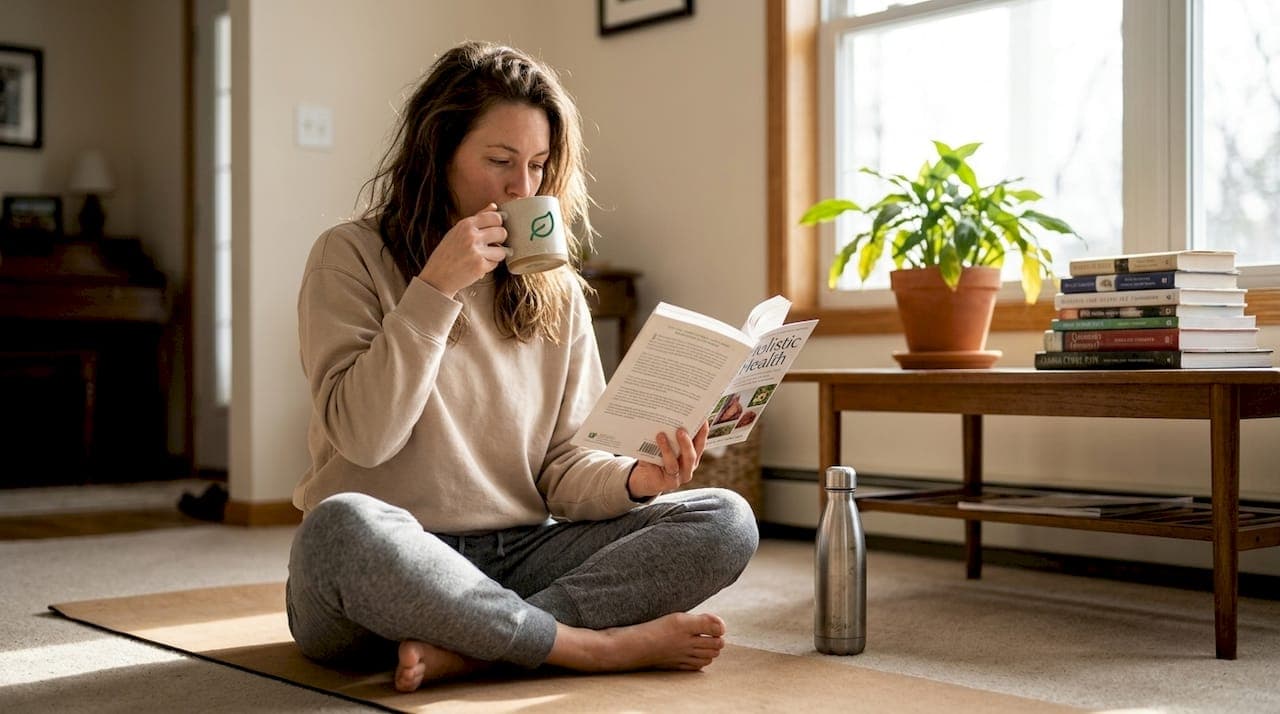
The wellness world moves fast. New protocols, gadgets, and rituals appear every season, and it can feel overwhelming to figure out what actually works. The global wellness economy is poised to reach $10 trillion by 2029, which tells you just how much energy and money is flowing into this space. But bigger doesn't always mean better. This guide cuts through the noise and walks you through the most influential, evidence-supported holistic wellness trends shaping 2026, so you can make choices that genuinely serve your health.
Table of Contents
- How to spot real wellness trends: Criteria for 2026
- Return to pleasure and nervous system repair
- Personalization 2.0: Female longevity comes first
- Biohacking meets home life: Longevity residences
- Skin longevity: From anti-aging to biotech beauty
- Festivalization: Group wellness goes mainstream
- Crisis-ready: Wellness for uncertain times
- Microplastics and the rise of detox innovation
- Where do traditional therapies stand? Evidence for herbal medicine
- Explore 2026 wellness with Go Holistic
- Frequently asked questions
Key Takeaways
| Point | Details |
|---|---|
| Human-centered wellness leads | Prioritizing pleasure, emotional repair, and nervous system health is the biggest shift in 2026. |
| Personalized solutions matter | Women-specific protocols and at-home innovations make holistic care more effective. |
| Detox and crisis prep | Microplastic detox and readiness planning are essential elements of modern holistic care. |
| Evidence is essential | Honest evaluation of therapies, like herbal medicine, empowers better health decisions. |
| Group wellness rises | Social events and community connection now play a critical role in overall wellness. |
How to spot real wellness trends: Criteria for 2026
Before you invest time, money, or energy into any new wellness practice, it helps to have a simple filter. Not every trend deserves your attention, and knowing what separates a credible approach from a passing fad gives you real power.
A trustworthy holistic wellness trend usually checks these boxes:
- Evidence-based: Supported by clinical studies, systematic reviews, or peer-reviewed research
- Person-centric: Designed to adapt to your unique biology, history, and goals
- Integrative: Combines multiple modalities rather than relying on a single fix
- Practical: Translatable into daily habits, not just retreat experiences
When integrative care is applied thoughtfully, 80% of clinicians report better patient outcomes. That's a compelling reason to look for approaches that blend modalities rather than isolate them. If you're exploring alternative therapies in 2026, use these criteria as your compass.
Pro Tip: When trying a new holistic modality, always look for certified and verified practitioners. Trusted directories make it easy to find professionals who meet rigorous standards.
Now that you're primed to sort hype from genuine impact, let's break down this year's key trends.
Return to pleasure and nervous system repair
Having set the stage with selection criteria, let's start with arguably the biggest shift in 2026: making pleasure and emotional repair the heart of wellness.
For years, wellness culture pushed optimization. Track everything. Biohack your sleep. Quantify your stress. But a powerful backlash is underway. People are exhausted by the pressure to perform their health, and they're returning to something simpler: joy.
The shift from high-tech wellness to human-centered approaches emphasizing pleasure, joy, emotional repair, and nervous system regulation is now one of the defining movements of 2026. This isn't about abandoning science. It's about recognizing that rest, laughter, and genuine enjoyment are therapeutic in their own right.
Nervous system regulation is now considered foundational, with neurowellness practices using both somatic techniques and technology to build emotional resilience.
Practices gaining traction include:
- Yoga nidra: A guided meditation that induces deep rest without sleep
- Somatic movement: Body-based practices that release stored tension
- Joyful movement: Exercise chosen for pleasure, not performance metrics
- Guided emotional repair sessions: Facilitated experiences for processing stress and grief
"Wellness in 2026 is less about doing more and more about feeling better. The nervous system is the new frontier."
Personalization 2.0: Female longevity comes first
As we broaden wellness to focus on the nervous system and emotional health, the field is also finally making room for true personalization, especially for women.
For decades, longevity medicine was built on data from male subjects. That's changing fast. There's now a clear recognition that women age differently, shifting the field from male-centric protocols to female-focused diagnostics and interventions.
What does women-specific longevity actually look like in practice?
- Hormone profiling that tracks estrogen, progesterone, and cortisol across life stages
- Menopause care that goes beyond symptom management to address long-term cardiovascular and bone health
- Personalized nutrition plans calibrated to female metabolic patterns
- Preventive screenings designed around female biology, not adapted from male studies
This is genuinely exciting territory. If you're a woman navigating midlife health, ask your provider about personalized wellness protocols that reflect your specific biology.
Pro Tip: Women should ask providers directly about diagnostic or preventive options tailored for female physiology. Many cutting-edge options exist but aren't routinely offered unless you request them.
Biohacking meets home life: Longevity residences
Personalized wellness isn't just individual. It's transforming living environments.
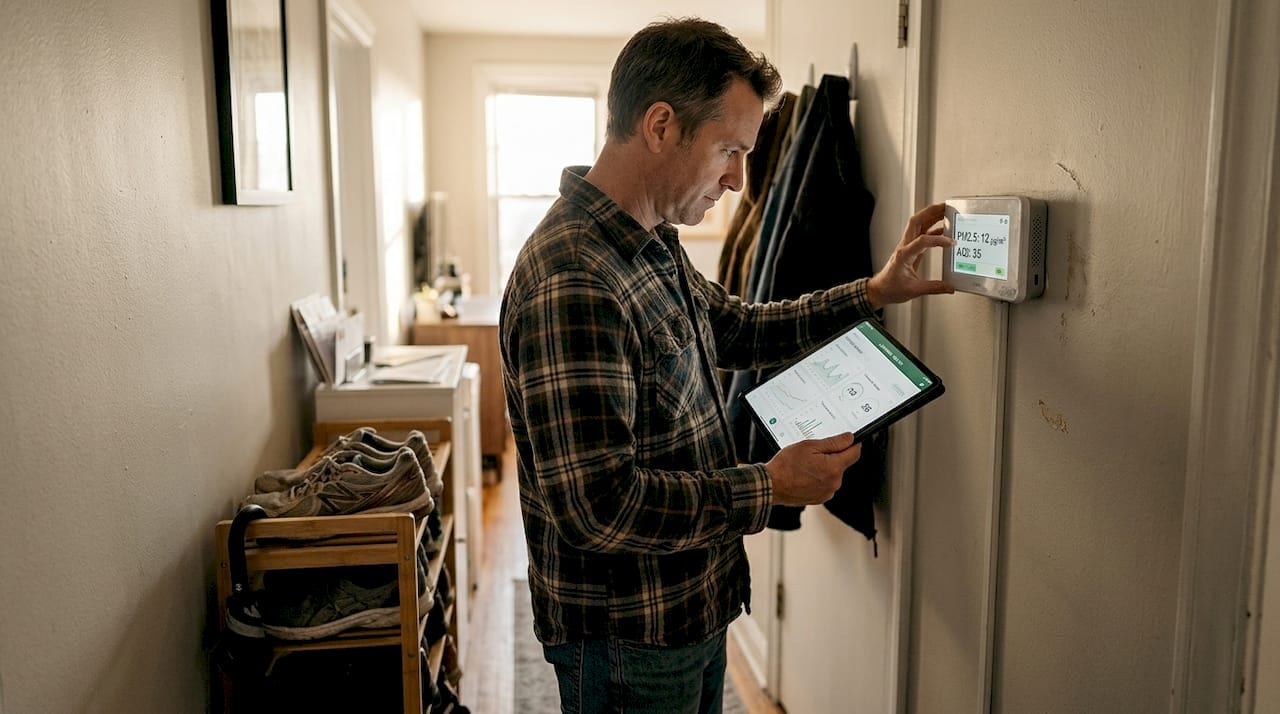
Wellness real estate is integrating preventive medicine, diagnostics, biohacking, and AI tracking into homes to support healthspan extension. Think of it as your home becoming an active participant in your health, not just a backdrop.
| Feature | Purpose | Example |
|---|---|---|
| Air and water purification | Reduce toxin exposure daily | HEPA systems, filtered taps |
| In-home diagnostics | Track biomarkers without clinic visits | Blood glucose monitors, HRV trackers |
| Fitness AI | Personalize movement and recovery | Smart mirrors, adaptive workout apps |
| Real-time lifestyle feedback | Adjust habits based on live data | Sleep trackers, stress monitors |
You don't need to buy a purpose-built longevity home to benefit. Even small upgrades, like a quality air filter or a wearable that tracks heart rate variability, bring integrative wellness into your daily environment.
Skin longevity: From anti-aging to biotech beauty
While homes themselves are becoming wellness tools, your skin's health is now seen as the ultimate window into holistic well-being.
Skin longevity is redefining beauty: moving from anti-aging as a cosmetic goal to biotech-driven skin regeneration as a marker of overall health. Your skin reflects your sleep quality, stress levels, gut health, and inflammation status. Treating it as a health organ rather than just a surface changes everything.
Emerging approaches in this space include:
- Peptide-based topicals: Compounds that signal skin cells to repair and regenerate
- Stem cell-inspired serums: Formulas that support cellular renewal
- Holistic skin diagnostics: Assessments that connect skin patterns to internal health markers
- Microbiome-friendly skincare: Products that support the skin's natural bacterial balance
The shift here is meaningful. When you care for your holistic skin health, you're not chasing youth. You're investing in resilience.
Festivalization: Group wellness goes mainstream
Not all wellness magic happens solo. Group connection is now science-based medicine for many.
The festivalization of wellness describes the rise of healthy, cathartic group events like wellness raves featuring breathwork, sound healing, and alcohol-free social connection. These aren't just fun. They're therapeutic.
Group wellness events typically include:
- Guided breathwork sessions that activate the parasympathetic nervous system
- Sound baths using instruments like singing bowls and gongs
- Ecstatic dance or free movement in a supported environment
- Community sharing circles for emotional processing
"Shared experience amplifies healing. When we regulate together, we regulate better."
Research consistently shows that social connection reduces cortisol, supports immune function, and improves mood. Attending a group wellness event isn't indulgent. It's a legitimate health strategy.
Crisis-ready: Wellness for uncertain times
Community and joy matter, but holistic health in 2026 also means being ready for anything.
A striking new trend is emerging: wellness for crisis preparedness, where disaster plans sit alongside fitness routines and mental health tools. "Ready is the new well" captures this shift perfectly.
Building a holistic crisis-preparedness plan looks like this:
- Assemble a medical go-bag with essentials: medications, first aid, and key health records
- Create a mental health support network you can activate during high-stress periods
- Develop climate-adaptive habits, like heat management routines and air quality monitoring
- Practice grounding techniques that reduce anxiety during uncertainty
- Review your wellness crisis planning annually and update it as your life changes
"Preparedness isn't fear-based. It's one of the most loving things you can do for yourself and your community."
Knowing you have a plan genuinely reduces anxiety. That's not a soft benefit. It's measurable stress reduction.
Microplastics and the rise of detox innovation
Being prepared isn't just about big events. The invisible toxins in our environment are now front and center in self-care.
Microplastics as a health issue have moved from awareness to action, with detox therapies and consumer innovations now targeting the reduction of body burden. Microplastics have been found in human blood, lungs, and even placentas. The wellness world is responding.
| Detox approach | How it works | Accessibility |
|---|---|---|
| Dietary fiber | Binds toxins in the gut for elimination | High, everyday foods |
| Activated charcoal | Adsorbs certain compounds in the digestive tract | Moderate, supplement form |
| Infrared sauna | Supports elimination through sweat | Moderate, wellness centers |
| Filtered water systems | Reduces ongoing microplastic intake | High, home installation |
You can explore detox therapies for microplastics through verified practitioners who specialize in environmental health.
Pro Tip: Start by reducing exposure before focusing on elimination. Swap plastic food containers for glass or stainless steel, and install a quality water filter. Small changes compound quickly.
Where do traditional therapies stand? Evidence for herbal medicine
With all-new trends sometimes overshadowing the classics, let's look at where traditional therapies like herbal medicine actually deliver.
Herbal medicine has a long history, but 2026 demands honest evidence. A major review found moderate certainty evidence that Western herbal medicine reduces menstrual pain, drawn from 7 randomized controlled trials involving 601 participants. That's meaningful and worth knowing.
| Condition | Evidence strength | Notes |
|---|---|---|
| Menstrual pain | Moderate | 7 RCTs, 601 participants |
| Anxiety | Limited | Small studies, mixed results |
| Digestive complaints | Limited | Some positive signals, needs more research |
| Immune support | Insufficient | Promising but not yet conclusive |
Herbal medicine works best when it's part of a broader, evidence-informed holistic approach rather than a standalone cure. Knowing where the evidence is strong helps you use these therapies wisely and skip the ones that aren't ready for prime time.
Explore 2026 wellness with Go Holistic
Navigating this many trends at once can feel like a lot. That's exactly why Go Holistic exists: to be your trusted guide through the evolving world of holistic health.
On Go Holistic, you can access an AI-powered health analysis that matches your unique concerns to evidence-backed treatments from a library of over 200 therapy types. Browse and book verified practitioners across disciplines like acupuncture, Ayurveda, somatic therapy, and more. Whether you're curious about nervous system repair, personalized longevity protocols, or microplastic detox strategies, our platform connects you with the right support. Get Started today and take your 2026 wellness journey somewhere meaningful.
Frequently asked questions
What is the biggest holistic wellness trend for 2026?
A human-centered return to pleasure and nervous system regulation is the dominant trend, marking a clear shift away from over-optimization culture toward emotional repair and joy.
How are microplastics being addressed in 2026 holistic health?
The shift to action includes innovative detox therapies, consumer product innovations, and practical exposure-reduction strategies that are now considered mainstream wellness tools.
Are herbal medicines still recommended for holistic care?
Yes, selectively. Herbal medicine has moderate evidence for menstrual pain relief, but proof remains limited for most other conditions, so it works best as part of a broader integrative plan.
What is a longevity residence?
A home designed with integrated health technology, diagnostics, and biohacking features to promote peak wellness. Wellness real estate is one of the fastest-growing sectors in the 2026 health landscape.
How is group wellness evolving?
Wellness events like raves, group breathwork, and recovery-focused gatherings now play a central role in holistic care, supported by research on the health benefits of social connection and co-regulation.
Recommended
- Role of alternative therapies in 2026 for wellness
- Go Holistic - Your Path to Holistic Wellness | Alternative Medicine Platform
- Why use personalized wellness for better health outcomes | Go Holistic Blog
- Holistic Health Treatments | goholistic
- Holistic Wellness Trends 2026: Technology and Root Healing