

Building a healthier lifestyle often feels confusing when you have countless wellness tips and trends competing for your attention. You want real progress, but it can be tough to figure out which steps actually work for your physical and emotional well-being. The good news is that proven approaches exist, and you can start making changes without feeling overwhelmed.
This list is packed with actionable strategies you can trust, drawn from respected sources like MedlinePlus, the CDC, and the NIH. From assessing your physical health to embracing mindful eating, you’ll discover practical methods that support lasting change. Get ready to uncover straightforward actions that can help you feel stronger, more energized, and more balanced every day.
Table of Contents
- 1. Assess Your Current Physical Health
- 2. Establish Mindful Nutrition Habits
- 3. Prioritize Restorative Sleep Patterns
- 4. Integrate Stress Management Techniques
- 5. Adopt Regular Movement and Exercise
- 6. Explore Evidence-Based Alternative Therapies
- 7. Build a Supportive Wellness Network
Quick Summary
| Key Insight | Clarification |
|---|---|
| 1. Assess Your Physical Health Baseline | Regularly evaluate critical health metrics to understand your current condition and track improvements over time. |
| 2. Practice Mindful Nutrition | Engage in conscious eating habits that promote awareness of your body’s nutritional needs and improve your relationship with food. |
| 3. Prioritize Restful Sleep | Ensure quality sleep through consistent schedules and a conducive environment to enhance overall physical and mental health. |
| 4. Manage Stress Effectively | Incorporate holistic stress management techniques to navigate daily challenges and enhance emotional wellness. |
| 5. Stay Physically Active | Commit to at least 150 minutes of moderate exercise weekly to improve physical health and combat chronic diseases. |
1. Assess Your Current Physical Health
Knowing your baseline health is the foundation of any successful wellness journey. Understanding your current physical condition helps you create targeted strategies for improvement and prevents potential health complications before they arise.
Physical health assessment isn't just about stepping on a scale or checking your blood pressure. It's a comprehensive evaluation that involves multiple aspects of your body's functioning. The NIH Physical Wellness Toolkit recommends a holistic approach to tracking your health status.
Key areas to evaluate include:
- Body Mass Index (BMI)
- Cardiovascular fitness
- Muscle strength and flexibility
- Nutritional status
- Sleep quality
- Energy levels
To get started, consider using comprehensive health check tools that provide interactive assessments. These digital resources can help you:
- Calculate your current health metrics
- Identify potential risk factors
- Establish baseline measurements
- Track progress over time
Your physical health is not a destination but a continuous journey of understanding and improvement.
Pro tip: Schedule a comprehensive annual physical examination with your healthcare provider to get professional insights into your current health status and potential areas for improvement.
2. Establish Mindful Nutrition Habits
Nutrition is more than just what you eat its about how you eat. Mindful eating transforms your relationship with food from a purely mechanical process to a conscious experience of nourishment and self-care.
The Centers for Disease Control recommends a strategic approach to developing healthier eating habits through three fundamental stages:
- Reflect on current eating patterns
- Replace unhealthy behaviors with nutritious alternatives
- Reinforce positive dietary changes
Mindful eating goes beyond simple meal planning. It involves developing a deep awareness of your body's nutritional needs and emotional connections to food. Mindful eating practices help you:
- Recognize genuine hunger signals
- Reduce emotional eating
- Improve digestion
- Create a more balanced relationship with food
True nutrition isn't about restriction its about understanding and respecting your body's needs.
Key strategies for practicing mindful nutrition include:
- Eating slowly and without distractions
- Paying attention to food's taste and texture
- Listening to your body's hunger and fullness cues
- Choosing whole foods with nutritional value
- Avoiding judgment about your eating habits
Pro tip: Before each meal, take three deep breaths and set an intention to eat with awareness and appreciation for the nourishment you are providing your body.
3. Prioritize Restorative Sleep Patterns
Sleep isn't just a luxury its a critical component of your overall wellness. Restorative sleep is the foundation of physical and mental health that recharges your body and mind.
The National Heart Lung and Blood Institute highlights the profound impact of sleep on our entire physiological system. Sleep deficiency can lead to serious consequences including:
- Impaired cognitive function
- Mood disturbances
- Increased chronic disease risk
- Weakened immune response
- Reduced emotional regulation
The Centers for Disease Control recommends specific sleep strategies to support healthy sleep patterns:
- Maintain a consistent sleep schedule
- Create a quiet and dark sleep environment
- Avoid stimulating activities before bedtime
- Establish a relaxing pre-sleep routine
Quality sleep is not about quantity but about creating the right conditions for deep restoration.
Key elements of creating an optimal sleep environment include:
- Keeping bedroom temperature between 60-67 degrees
- Using blackout curtains
- Minimizing electronic device exposure
- Investing in a comfortable mattress and pillows
- Practicing relaxation techniques before bed
Pro tip: Set a digital sunset one hour before bedtime by turning off all electronic devices and creating a calm transition ritual to signal your body it's time to rest.
4. Integrate Stress Management Techniques
Stress is an inevitable part of modern life but it doesn't have to control you. Effective stress management transforms how you experience and respond to life's challenges.
The Centers for Disease Control recommends proactive stress management through a variety of holistic techniques. Identifying personal stress triggers is the first step in developing a customized approach to emotional wellness.
Key stress management strategies include:
- Deep breathing exercises
- Regular meditation practice
- Consistent physical activity
- Maintaining social connections
- Practicing healthy eating habits
Relaxation techniques can significantly reduce stress responses by triggering the body's natural relaxation mechanism. These methods can help:
- Lower blood pressure
- Reduce heart rate
- Decrease muscle tension
- Improve emotional regulation
Stress management is not about eliminating stress but learning to navigate it with grace and resilience.
Practical approaches to integrating stress reduction include:
- Creating a daily meditation routine
- Scheduling regular exercise
- Practicing mindful breathing during challenging moments
- Establishing clear work-life boundaries
- Developing a supportive social network
Pro tip: Implement a 5-minute daily mindfulness practice by setting a specific time each day for deep breathing or meditation to build consistent stress resilience.
5. Adopt Regular Movement and Exercise
Movement is the language of your body's vitality. Regular physical activity transforms your health from the inside out creating a foundation for long-term wellness.
The Centers for Disease Control recommends strategic physical activity for adults of all health backgrounds. The goal is simple yet powerful: engage in at least 150 minutes of moderate aerobic exercise weekly.
Exercise benefits extend far beyond physical fitness:
- Prevents chronic diseases
- Enhances cardiovascular health
- Supports mental well-being
- Improves muscle strength
- Increases flexibility and balance
Exercise types contribute differently to overall health:
- Aerobic activities for heart health
- Resistance training for muscle strength
- Balance exercises for stability
- Flexibility work for mobility
Movement is not punishment. It's a celebration of what your body can do.
Practical strategies for incorporating exercise include:
- Start with short 10-minute sessions
- Choose activities you genuinely enjoy
- Mix different exercise types
- Listen to your body's signals
- Progress gradually and consistently
Pro tip: Schedule your workout like an important meeting by blocking time in your calendar and treating it as a non-negotiable commitment to your health.
6. Explore Evidence-Based Alternative Therapies
Alternative therapies are more than trendy wellness practices. Evidence-based holistic treatments offer scientifically supported approaches to complement traditional medical care.
The National Center for Complementary and Integrative Health provides rigorous research into therapies that support whole-person health. Understanding these approaches can help you make informed decisions about your wellness journey.
Promising alternative therapies include:
- Acupuncture
- Meditation practices
- Herbal supplements
- Mind-body interventions
- Traditional healing techniques
Complementary medicine research reveals potential benefits across various health conditions:
- Symptom management
- Stress reduction
- Enhanced quality of life
- Supportive care alongside conventional treatments
Alternative therapies are not replacements for medical care but powerful complementary approaches to holistic wellness.
Key considerations when exploring alternative therapies:
- Consult with healthcare professionals
- Review scientific research
- Understand potential interactions
- Start with low-risk interventions
- Monitor your body's response
Pro tip: Request evidence-based research summaries from practitioners and verify their credentials before beginning any alternative therapy program.
7. Build a Supportive Wellness Network
Your health journey is not a solitary path. Social connections are fundamental to achieving holistic wellness and maintaining long-term health and happiness.
The National Institutes of Health Social Wellness Toolkit emphasizes the critical role of supportive relationships in personal well-being. Building a strong wellness network involves intentional strategies and genuine connections.
Key components of a supportive wellness network include:
- Trusted healthcare professionals
- Like-minded wellness enthusiasts
- Supportive family members
- Accountability partners
- Community support groups
Community engagement strategies can help you develop meaningful connections:
- Attend wellness workshops
- Join local health-focused groups
- Participate in group fitness classes
- Engage in volunteer activities
- Connect with online wellness communities
A strong wellness network transforms individual health goals into shared journeys of growth and support.
Effective network-building approaches:
- Practice active listening
- Share your wellness goals
- Offer support to others
- Be open to learning
- Maintain consistent communication
Pro tip: Schedule regular check-ins with your wellness network and create a shared accountability system to maintain motivation and mutual support.
Below is a comprehensive table summarizing the strategies and recommendations discussed in the article for achieving holistic wellness through physical health assessment, nutrition, sleep, stress management, exercise, alternative therapies, and social support.
| Topic | Description | Practical Strategies |
|---|---|---|
| Assess Your Physical Health | Evaluating current health establishes a foundation for improvement. | Use digital tools to track key metrics such as BMI and cardiovascular fitness. |
| Mindful Nutrition Habits | Focus on conscious eating to enhance well-being. | Reflect, replace, and reinforce healthier eating behaviors. |
| Restorative Sleep Patterns | Quality sleep supports physical and mental health. | Maintain consistent sleep schedules and optimize your sleeping environment. |
| Stress Management Techniques | Effective techniques improve coping and resilience under stress. | Practice regular meditation, physical activity, and social connection. |
| Regular Movement and Exercise | Incorporate physical activity for long-term health benefits. | Engage in 150 minutes of aerobic exercise weekly complemented by strength and balance exercises. |
| Evidence-Based Alternative Therapies | Integrate complementary practices for holistic health enhancement. | Consult professionals and consider options like acupuncture and meditation. |
| Building a Wellness Network | Strong relationships support sustained health and happiness. | Develop connections with healthcare professionals and community groups. |
Take Your Holistic Wellness Journey Further with Expert Support
The journey outlined in "7 Essential Steps for a Holistic Wellness Checklist" shows just how important it is to evaluate every aspect of your health—from physical assessments to stress management and alternative therapies. If you are looking to overcome the challenges of building a personalized and balanced wellness routine, including integrating evidence-based alternative treatments and finding trustworthy practitioners, Go Holistic offers a tailored solution designed just for you.
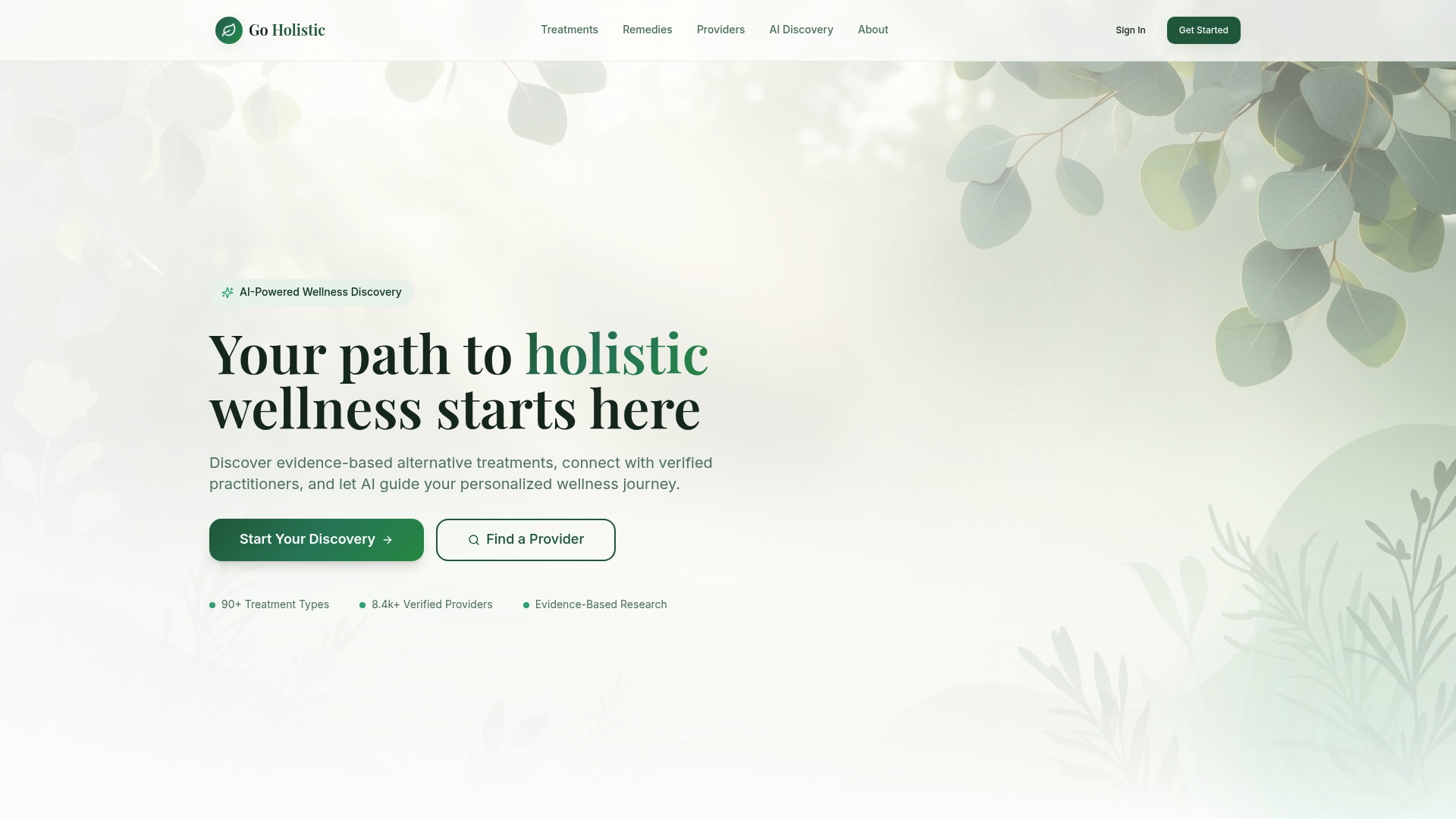
Discover how Go Holistic empowers you to connect with certified holistic health experts in acupuncture, massage therapy, Ayurveda, and more. With cutting-edge AI technology analyzing your unique health needs, you get personalized treatment recommendations backed by scientific research. Don't wait to embrace natural and non-invasive therapies that complement your lifestyle. Visit Go Holistic today to explore our curated provider directory, access our extensive treatment library, and start your path to lasting wellness with flexible subscription plans.
Take control now and transform your health journey into a confident and supportive experience.
Frequently Asked Questions
What are the key areas to evaluate for my physical health?
To assess your physical health, focus on Body Mass Index (BMI), cardiovascular fitness, muscle strength, flexibility, nutritional status, sleep quality, and energy levels. Start by gathering data on these metrics to create a more comprehensive picture of your overall health.
How can I practice mindful eating effectively?
To practice mindful eating, focus on eating slowly, paying attention to food's taste and texture, and listening to your body's hunger and fullness cues. Begin by taking three deep breaths before each meal to set an intention of awareness during your eating experience.
What steps can I take to improve my sleep patterns?
To create restorative sleep patterns, maintain a consistent sleep schedule, establish a relaxing pre-sleep routine, and create a quiet, dark sleep environment. Implement these changes within a week to experience more restful nights and increased alertness during the day.
How do I identify my stress triggers?
To identify stress triggers, start by reflecting on situations or activities that increase your stress levels. Keep a journal for a couple of weeks noting when you feel stressed, which can help you pinpoint common patterns and develop targeted stress management strategies.
What are some practical ways to incorporate regular exercise into my routine?
To integrate regular exercise, commit to at least 150 minutes of moderate aerobic activity each week. Start by scheduling short 10-minute workout sessions into your daily calendar to make it a manageable aspect of your lifestyle.
How can I build a supportive wellness network?
To build a supportive wellness network, connect with trusted healthcare professionals, join wellness groups, and engage in community activities. Schedule regular check-ins with your network to maintain motivation and foster mutual support.