
Sleep is the foundation of your body's ability to heal, regulate, and thrive. Adults need 7–9 hours nightly to reduce the risk of chronic conditions like obesity, diabetes, and hypertension, and sleeping less than 6 hours or more than 9 hours each night raises health risks across the board. The role of sleep in holistic health goes far beyond feeling rested. It actively supports every major body system, from immune defense and hormonal balance to memory consolidation and emotional resilience.
Here is what sleep does for your whole-person health:
- Repairs and restores tissues, muscles, and organs during deep NREM sleep stages
- Consolidates memories and clears metabolic waste from the brain during REM sleep
- Regulates hormones that control hunger, stress, growth, and reproductive function
- Strengthens immunity by producing cytokines that help your body fight infection
- Stabilizes mood and supports mental-emotional balance throughout the day
- Controls inflammation, reducing the risk of cardiovascular disease and metabolic disorders
Sleep quality matters just as much as quantity. You can spend eight hours in bed and still wake up depleted if your sleep is fragmented or your circadian rhythm is misaligned. The sections below break down exactly how sleep shapes your health, what happens when it falls short, and the most effective integrative strategies to get it right.
How sleep shapes your mind-body systems
Sleep is not passive rest. It is an active biological process that orchestrates a complex sequence of physiological maintenance your body cannot accomplish any other way. Every night, your brain and body cycle through distinct stages, each with a specific job.
Sleep stages and what they do
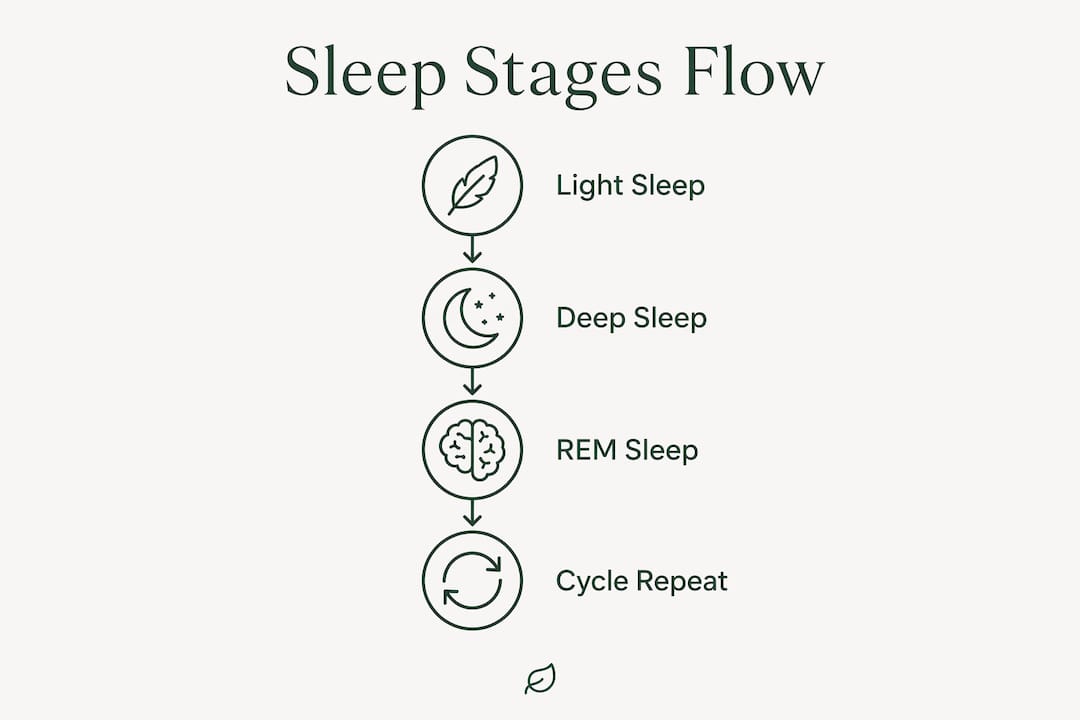
Non-REM sleep has three stages, moving from light sleep into deep, slow-wave sleep. REM sleep follows, cycling back roughly every 90 minutes. REM and deep NREM stages play vital roles in cognitive function and physical restoration that cannot be compensated by simply sleeping longer on an irregular schedule.
During deep NREM sleep, your body releases growth hormone, repairs muscle tissue, and consolidates physical energy. The brain's glymphatic system, a waste-clearance network, becomes highly active during this stage, flushing out metabolic byproducts including amyloid proteins linked to Alzheimer's disease. REM sleep, meanwhile, drives memory consolidation, emotional processing, and creative problem-solving.
Key physiological effects of sleep on your body systems:
- Nervous system: Sleep restores cognitive function, reaction time, and emotional regulation; chronic deprivation impairs all three
- Immune system: Immune cells become more active during sleep, producing cytokines that strengthen your defenses against infection and inflammation
- Endocrine system: Growth hormone, cortisol, leptin, ghrelin, and reproductive hormones all follow sleep-dependent rhythms
- Cardiovascular system: Blood pressure and heart rate drop during non-REM sleep, giving your heart essential recovery time
- Metabolic system: Your liver, fat tissue, and muscle all operate on circadian clocks that regulate how your body processes and stores energy
Circadian rhythm and systemic balance
Your circadian rhythm is your body's internal 24-hour clock, and it governs far more than when you feel sleepy. It coordinates hormone release, immune activity, digestion, and cell repair. Irregular sleep schedules, even when total sleep hours are adequate, correlate with metabolic dysfunction and anxiety disorders. Consistency of sleep timing predicts health outcomes better than duration alone, which means going to bed and waking at the same time every day is not just a good habit. It is a biological necessity for systemic balance.

What happens to your health when sleep falls short
Poor sleep does not just leave you tired. It sets off a cascade of physical and mental health consequences that compound over time.
Chronic disease risk
Sleeping fewer than seven hours a night raises the risk of high blood pressure, with the association especially strong among women and younger adults. A 2022 study in Scientific Reports found that middle-aged people with a combination of sleep issues, including sleeping less than six hours per night, may have nearly three times the risk of heart disease. Sleeping just five to six hours daily doubles the risk of being diagnosed with prediabetes and type 2 diabetes compared to sleeping seven to eight hours, according to a 2021 review in the Journal of Endocrinology.
The metabolic disruption runs deeper than most people realize. Poor sleep disrupts ghrelin and leptin, the hormones that signal hunger and fullness, leading to increased appetite and weight gain. Shortened sleep also decreases insulin sensitivity and increases cravings for fatty, sweet, and salty foods. A 2020 study in JAMA Internal Medicine analyzing two years of activity data from more than 120,000 people found that shorter sleep duration was associated with higher body mass index.
Mental health and cognitive decline
The connection between sleep and mental health runs in both directions. A study of about 1,000 adults ages 21 to 30 found that people with a history of insomnia were four times as likely to develop major depression within the next three years. Research in teenagers found that sleep problems preceded depression 69% of the time and anxiety disorders 27% of the time. These are not small margins.
Dementia risk also climbs with chronic poor sleep. A review of 18 studies, covering nearly a quarter-million people followed for an average of 9.5 years, found a link between insufficient sleep and higher dementia risk. The mechanism likely involves the glymphatic clearance of amyloid proteins described earlier. When sleep is consistently disrupted, that clearance process fails to keep up.
Sleep disorders and their wider effects
Insomnia affects roughly one-third of the global population, while obstructive sleep apnea affects 2%–4%. Sleep apnea is particularly dangerous for cardiovascular health. The low oxygen and high carbon dioxide levels it causes raise stress hormones, elevate blood pressure and heart rate, and increase the risk of heart attack, atrial fibrillation, and stroke. People with moderate to severe sleep apnea have three times the risk of stroke compared to those without the condition.
The vicious cycle is worth naming directly. Poor sleep impairs self-regulation and cognitive function, making it harder to exercise, eat well, or manage stress. Those failures then worsen sleep quality further. Sleep deprivation creates a self-reinforcing loop that degrades metabolic health and perpetuates future sleep problems. Breaking it requires addressing sleep as a primary health priority, not an afterthought.
Integrative strategies that genuinely improve sleep quality
The good news is that sleep quality responds well to consistent, evidence-based lifestyle changes. You do not need a prescription to make meaningful progress.
Lifestyle foundations
- Consistent sleep schedule: Go to bed and wake at the same time every day, including weekends. This single habit does more for circadian alignment than almost any supplement or device.
- Regular physical activity: Exercise improves sleep depth and reduces the time it takes to fall asleep. Morning or afternoon workouts tend to work better than late-evening sessions for most people.
- Dietary timing: Avoid large meals, caffeine, and alcohol within two to three hours of bedtime. Caffeine has a half-life of about five to six hours, meaning an afternoon coffee is still active in your system at midnight.
- Screen reduction: Blue light from phones and laptops suppresses melatonin production. Dimming screens or using blue-light filters in the hour before bed supports your body's natural wind-down.
Mind-body techniques
Cognitive behavioral therapy for insomnia (CBT-I) is the first-line, evidence-based treatment for chronic insomnia, and it outperforms sleep medication in long-term outcomes. It works by identifying and changing the thought patterns and behaviors that perpetuate poor sleep. Mindfulness meditation is another well-supported tool. Regular practice reduces the physiological stress response, lowers cortisol, and helps quiet the mental activity that keeps many people awake at night.
Progressive muscle relaxation, a technique where you systematically tense and release muscle groups from feet to face, activates the parasympathetic nervous system and signals your body that it is safe to rest. Diaphragmatic breathing exercises work through a similar mechanism.
Environmental adjustments
- Keep your bedroom cool (most adults sleep best between 65°F and 68°F)
- Use blackout curtains or a sleep mask to block light
- Reduce noise with earplugs or a white noise machine
- Reserve your bed for sleep only, so your brain associates the space with rest
Pro Tip: Try "sleep restriction therapy," a core component of CBT-I that most people overlook. By temporarily limiting your time in bed to match your actual sleep time, you build up sleep pressure that makes falling and staying asleep much easier. It feels counterintuitive, but it is one of the fastest ways to break a cycle of fragmented sleep. A certified sleep therapist or integrative health practitioner can guide you through it safely.
Music therapy and aromatherapy with lavender essential oil also show promising results for relaxation and sleep onset, particularly for people dealing with mild to moderate insomnia. You can explore evidence-based natural treatments that complement these approaches as part of a broader wellness plan.
Complementary approaches for sleep disorders
Complementary therapies offer a meaningful layer of support for sleep disorders, particularly when used alongside conventional care rather than as a replacement for it.
Common complementary approaches:
- Acupuncture: Several studies suggest acupuncture can reduce insomnia severity and improve sleep quality, likely through its effects on the autonomic nervous system and stress hormone regulation
- Massage therapy: Regular therapeutic massage lowers cortisol and raises serotonin levels, creating a physiological environment more conducive to sleep
- Herbal supplements: Valerian root, passionflower, and chamomile have traditional use for sleep support; evidence is mixed but generally favorable for mild sleep difficulties
- Aromatherapy: Lavender inhalation before bed has shown measurable effects on sleep quality in multiple small trials
- Music therapy: Slow-tempo music (around 60 beats per minute) activates the relaxation response and has been used effectively in clinical settings for insomnia
Complementary approaches like aromatherapy, acupuncture, and music therapy show promising support for sleep disorder management, though researchers note that larger, standardized studies are still needed to establish definitive care protocols. That caveat does not mean these approaches lack value. It means they work best when integrated thoughtfully into a personalized care plan.
Safety and integration with conventional care
Most complementary sleep therapies carry low risk when used appropriately. Herbal supplements are the main exception, since some interact with medications or are contraindicated in certain health conditions. Always discuss supplements with your healthcare provider before starting them, especially if you take prescription medications.
The most effective approach combines the structural benefits of CBT-I with the calming, body-centered support of complementary therapies. Acupuncture and massage, for example, can reduce the anxiety and physical tension that make it hard to fall asleep, creating a better foundation for the cognitive work CBT-I requires. Goholistic connects you with certified holistic practitioners across disciplines including acupuncture and massage therapy, so you can find the right combination of support for your specific needs.
Nutrition also plays a supporting role. Research on whether specific nutrients directly influence sleep quality is ongoing, and resources like this guide on collagen and sleep offer a useful starting point for understanding how dietary choices intersect with rest.
What emerging research tells us about sleep as a wellness pillar
The science of sleep has shifted considerably in recent years. Sleep is no longer viewed as a passive recovery state. Researchers and clinicians increasingly recognize it as a primary pillar of wellness, equivalent in importance to nutrition and exercise.
A landmark study published in Nature Medicine found that poor sleep patterns, including insufficient duration, irregularity, and disrupted stages, are associated with increased incidence of obesity, atrial fibrillation, hypertension, major depressive disorder, and generalized anxiety disorder. What makes this finding particularly significant is that it links not just duration but the full architecture of sleep to chronic disease risk.
Sleep regularity as a health metric
Longitudinal research now shows that the consistency of your sleep timing predicts health outcomes better than total hours alone. Two people sleeping the same number of hours can have vastly different health trajectories depending on whether their sleep schedule is regular or erratic. This reframes sleep health as something you practice daily, not something you catch up on during weekends.
The role of AI and wearable technology
AI and wearable devices are transforming how sleep disorders are diagnosed and managed. Where polysomnography once required an overnight stay in a lab, wearable sensors can now capture detailed sleep stage data at home. Machine learning algorithms analyze this data to identify patterns and suggest personalized interventions. The trajectory points toward a future where sleep care is proactive, individualized, and integrated with your broader health record.
For people exploring integrative health approaches, this convergence of technology and natural medicine represents a meaningful shift. You no longer have to choose between evidence-based clinical care and a whole-person wellness approach. The two are converging, and sleep is at the center of that integration.
Key Takeaways
Sleep is the single most foundational pillar of whole-person health, and improving its quality and consistency produces measurable benefits across every major body system.
| Point | Details |
|---|---|
| Optimal sleep duration | Adults need 7–9 hours of sleep nightly; sleeping less than 6 or more than 9 hours increases chronic disease risk. |
| Sleep timing matters as much as duration | Irregular schedules, even with sufficient total hours, correlate with metabolic dysfunction and anxiety disorders. |
| Deprivation compounds health risks | Middle-aged adults with multiple sleep issues may face nearly three times the risk of heart disease. |
| CBT-I is the first-line treatment | Cognitive behavioral therapy for insomnia outperforms sleep medication in long-term outcomes for chronic insomnia. |
| Complementary therapies add real support | Acupuncture, massage, aromatherapy, and music therapy show promising results when integrated with conventional sleep care. |
Ready to support your sleep with whole-person care?

Sleep is where your body does its most important work, and you deserve support that treats it that way. Goholistic brings together certified practitioners across acupuncture, massage therapy, Ayurveda, and more, all verified and ready to help you build a sleep and wellness plan that fits your life. Browse holistic treatments for better sleep and find a practitioner who meets you where you are. Your path to deeper, more restorative rest starts with one step.
Find a holistic wellness provider near you and take that step today.