

Many people assume that if someone calls themselves a holistic practitioner, they must be qualified. That assumption can lead you down a path that feels wellness-focused but carries real risks. The truth is that credentials in holistic health vary dramatically, from rigorous state-regulated licensure to self-issued certificates with no oversight. Understanding what certification actually means, which therapies have solid research behind them, and how to spot a trustworthy provider is one of the most empowering steps you can take on your wellness journey.
Table of Contents
- What does certification mean in holistic health?
- Overview of certification and licensure: Common modalities
- Certification, evidence, and safety: What does the research actually show?
- When and why to choose a certified practitioner
- Integrative care vs. alternative-only: Finding the safest balance
- Find your certified holistic practitioner and get started
- Frequently asked questions
Key Takeaways
| Point | Details |
|---|---|
| Certification varies widely | Holistic practitioner credentials differ dramatically by specialty, from strict state licensure for some to voluntary certificates for others. |
| Evidence matters most | Choose certified modalities with strong research support, especially for chronic pain or serious health concerns. |
| Safety relies on verification | Always verify credentials, licensure, and ethical standards before starting care. |
| Integrative care is safest | Certified practitioners should complement, not replace, your conventional care for holistic health. |
| Empower your wellness journey | With knowledge and the right provider, you can personalize your path to well-being safely and confidently. |
What does certification mean in holistic health?
Certification in holistic health is not a single, universal standard. It is a broad term that covers everything from nationally recognized credentials to weekend workshop certificates. The word itself simply means that a person has met a defined set of requirements, but those requirements differ enormously depending on the therapy.
Some modalities are tightly regulated. Acupuncturists, for example, must pass exams through the NCCAOM certification board and hold a state license in most states. Naturopathic doctors are licensed in 22 states through the NABNE. Massage therapists face state-level licensing requirements in most of the country. These are not optional extras. They are legal requirements tied to public safety.
Other modalities sit in a much grayer area. General holistic health coaches and wellness practitioners are largely unregulated at the federal level. Many pursue voluntary certifications through organizations like the American Association of Drugless Practitioners (AADP), which signals commitment but does not carry the same legal weight as a state license. You can learn more about the scope of holistic practice to understand where different therapies fall on this spectrum.
Here is why this matters for you:
- Regulated therapies carry legal accountability and defined scopes of practice
- Voluntary certifications show professional commitment but vary in rigor
- Unlicensed practice in regulated modalities is illegal and potentially dangerous
- No credential at all is a serious red flag, especially for hands-on or clinical therapies
"The difference between a licensed acupuncturist and an uncertified energy healer is not just a piece of paper. It is years of clinical training, supervised practice, and ongoing education requirements."
When you find certified practitioners through a verified directory, you skip the guesswork and connect with professionals who have met real standards.
Overview of certification and licensure: Common modalities
With the meaning of certification clear, let's compare how requirements differ by modality and what that means for your choices.
| Modality | Certification/licensure type | Governing body | State regulation |
|---|---|---|---|
| Acupuncture | State license required | NCCAOM | Most states |
| Naturopathy | State license required | NABNE | 22 states |
| Massage therapy | State license required | MBLEx/state boards | Most states |
| Holistic health coaching | Voluntary certification | AADP, IIN | None (federal) |
| Reiki | Voluntary certification | Various schools | None |
| Yoga instruction | Voluntary certification | Yoga Alliance | None |
| Ayurvedic practitioner | Voluntary certification | NAMA | None (federal) |
As you can see, types of holistic treatments span a wide range of regulatory environments. Clinical therapies like acupuncture and naturopathy carry the strictest standards, which also means better-controlled risks and outcomes. Coaching and energy-based practices rely on the practitioner's personal commitment to quality.
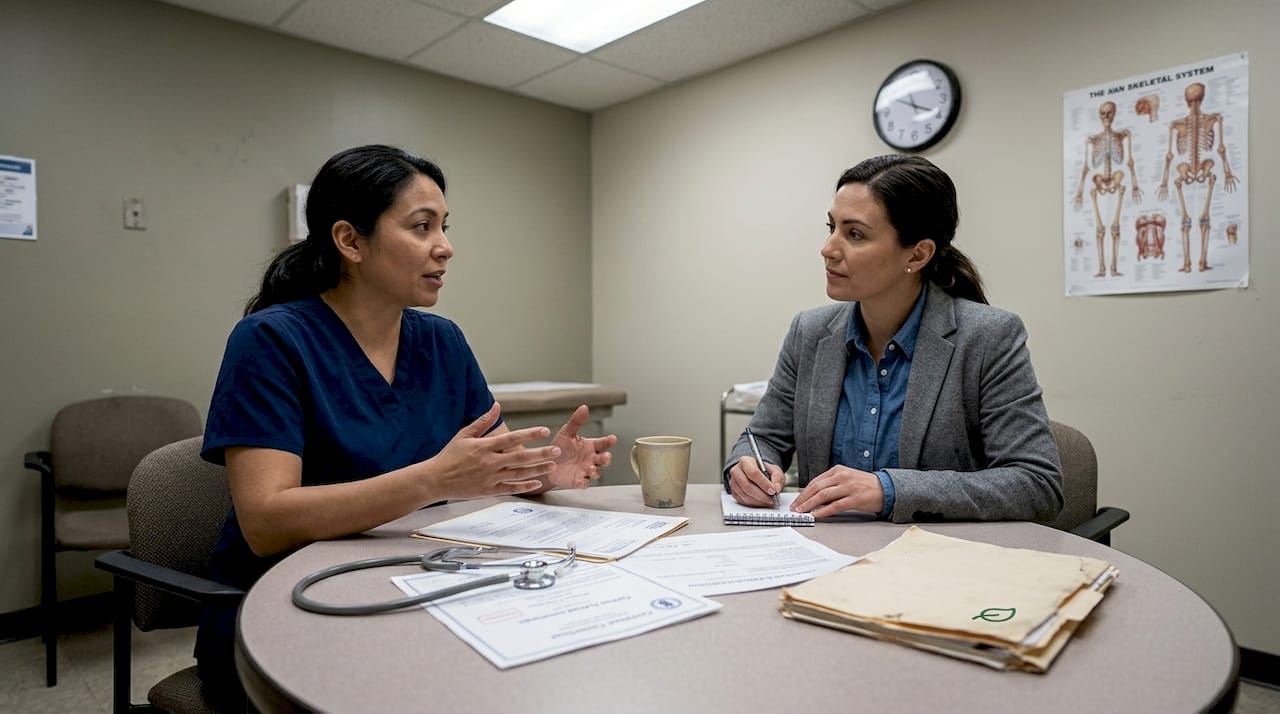
State-by-state variation adds another layer of complexity. A naturopathic doctor licensed in Oregon holds a credential recognized by law. The same title used in a state without naturopathic licensing laws means something very different. Using holistic directories that filter by verified credentials helps you navigate this patchwork landscape with confidence.
Holistic approaches also show up in unexpected places. Holistic recovery in addiction treatment is one growing area where certified practitioners are making a measurable difference alongside conventional care.
Pro Tip: Before booking any holistic appointment, ask the practitioner directly: "What is your credential, who issued it, and is it a state license or a voluntary certification?" A qualified professional will answer clearly and without hesitation.
Certification, evidence, and safety: What does the research actually show?
Understanding the credentials is only part of the story. Let's connect those to clinical outcomes and evidence from the latest research.
Not every certified therapy carries the same weight of scientific evidence. Some have robust randomized controlled trial (RCT) data. Others have promising early findings. A few have very little evidence at all. Knowing the difference helps you prioritize wisely.
| Modality | Evidence level | Key finding |
|---|---|---|
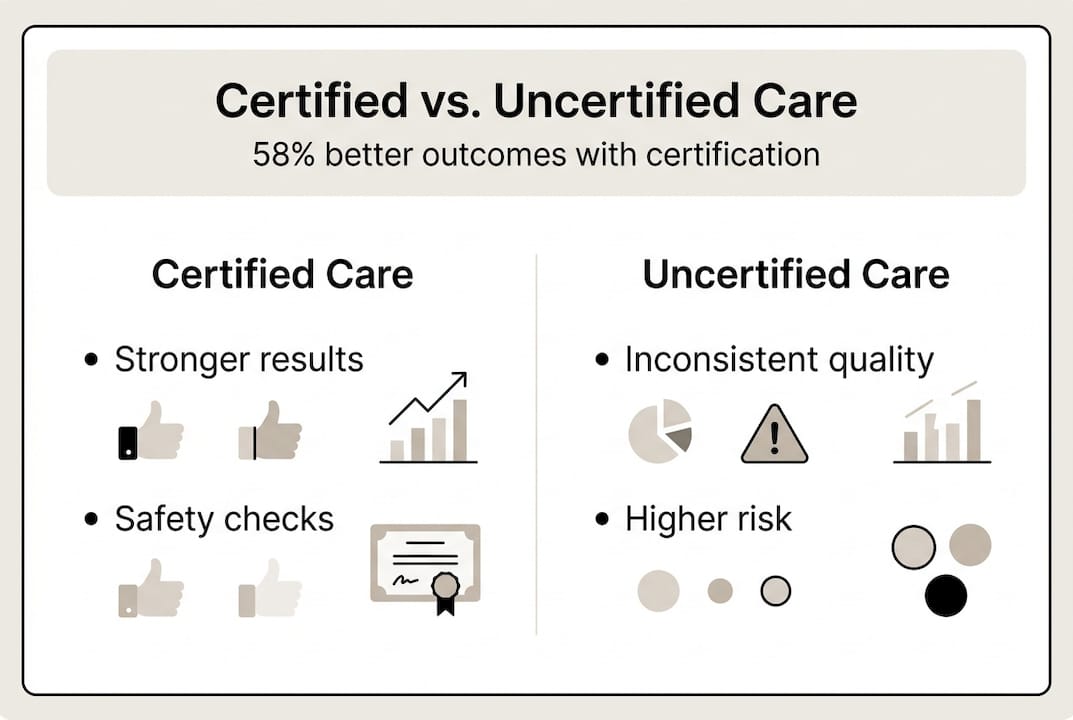
| Acupuncture (pain) | Strong | 58% complete cure rate in treatment-resistant chronic pain after 12 months |
| Tuina massage | Strong | Comparable to physiotherapy for chronic low back pain |
| Naturopathy (integrative) | Moderate | Improved early survival in colorectal cancer (HR=0.45) |
| Reiki | Moderate | Reduced pain, anxiety, and stress in cancer patients long-term |
| Homeopathy | Weak | Limited reproducible evidence |
| General energy healing | Weak | Insufficient RCT data |
The numbers tell a compelling story. Real-world acupuncture produced a 56 to 70% pain response in cancer symptom management. Tuina was shown comparable to physiotherapy for chronic low back pain in RCT settings. These are not anecdotal wins. They are peer-reviewed outcomes.
Here is what the evidence landscape means practically:
- Prioritize RCT-backed therapies when managing chronic pain, anxiety, or serious symptoms
- Treat low-evidence therapies as supportive additions, not primary treatments
- Ask your practitioner what research supports their approach
- Be cautious of any therapy claiming to cure disease without clinical trial support
You can explore alternative therapies in wellness to see how evidence-based modalities are shaping modern integrative care. For a broader view, the integrative medicine evidence resource from the American Cancer Society is a trustworthy starting point. If pain management is your focus, nutrition and pain management is another evidence-informed area worth exploring alongside certified therapies.
When and why to choose a certified practitioner
It's clear that evidence and licensing matter. Here's how to apply that knowledge to your own wellness journey.
Vetting a holistic provider does not need to feel overwhelming. A simple, step-by-step approach protects you and helps you find someone genuinely qualified.
- Ask for credentials upfront. Request the name of their certification or license, the issuing body, and the date of issue.
- Verify state licensure. For regulated modalities like acupuncture or massage, check your state's licensing board website directly.
- Look for professional memberships. Membership in organizations like NCCAOM, NABNE, or AADP signals ongoing professional engagement.
- Read patient reviews carefully. Look for patterns in feedback about safety, communication, and outcomes, not just general satisfaction.
- Ask about their approach to conventional care. A trustworthy practitioner welcomes collaboration with your medical team.
Certification becomes especially critical in certain situations. Certified practitioners are best suited to support chronic health issues when working alongside conventional care, with a focus on prevention and lifestyle. If you are managing a serious illness, dealing with a pediatric health concern, or considering any invasive treatment, a licensed and verified provider is non-negotiable.
You can find guidance on verifying provider safety to make sure your chosen practitioner meets current standards.
Pro Tip: Watch for these red flags. Any practitioner who promises a cure, discourages you from seeing a medical doctor, or refuses to share their credentials clearly is operating outside ethical boundaries. Trust your instincts and walk away.
Integrative care vs. alternative-only: Finding the safest balance
Once you know how to select a qualified practitioner, it's important to understand how to build a safe, effective health plan with them.
The debate between integrative care and alternative-only approaches is not just philosophical. It has real consequences for your health outcomes. Integrative care means using certified holistic therapies alongside conventional medicine. Alternative-only means replacing standard treatments entirely. The research is clear on which approach is safer.
"Complementary and integrative approaches work best when they support, not substitute, evidence-based medical care. Replacing proven treatments with unproven alternatives can cause serious harm." — American Cancer Society
Here is how to think about the balance:
- Integrative approach: Acupuncture for chemotherapy-related nausea, massage for post-surgical recovery, mindfulness for chronic stress alongside medication
- Alternative-only risk: Delaying or refusing surgery, chemotherapy, or antibiotics in favor of unproven therapies
- Best outcomes consistently come from combining the strengths of both systems
- Ethical certified practitioners will always refer you back to conventional care when needed
The evidence for integrative medicine is strongest when holistic therapies are used as adjuncts. Strong evidence exists for some therapies, but warnings apply when unproven claims replace standard care. Exploring evidence-based holistic treatments gives you a clear picture of where the science stands today.
The goal is not to choose between natural and conventional. It is to build a health plan that draws on the best of both, guided by qualified professionals who respect each other's roles.
Find your certified holistic practitioner and get started
Armed with the facts on certification and safety, you're ready to move forward with confidence. Taking the next step toward a personalized wellness journey is easier than you might think.
At Go Holistic, we've built a platform specifically designed to take the uncertainty out of finding qualified care. Every practitioner in our holistic provider directory is verified, so you can filter by specialty, location, certification type, and more without second-guessing credentials.
Whether you're looking to search for certified practitioners for chronic pain, stress, or a broader wellness goal, our AI-powered tools match your health concerns to evidence-backed therapies and qualified professionals. You can also browse holistic treatments across more than 200 therapy types to discover options you may not have considered. Your wellness journey deserves a trusted foundation. Start exploring today.
Frequently asked questions
How can I verify if a holistic practitioner is certified?
Ask to see their credentials directly, confirm current state licensure for regulated modalities through your state's licensing board, and check for membership in recognized bodies like NCCAOM or NABNE.
Are all alternative therapies supported by scientific evidence?
No. Strong evidence supports therapies like acupuncture and tuina for pain management, but many others have limited or mixed research. Always check for current peer-reviewed studies before committing to a treatment plan, using resources like the integrative medicine evidence database.
Should holistic care replace my standard medical treatments?
Holistic therapies work best as an addition to conventional medicine, not a replacement. Replacing proven treatments with unproven alternatives carries serious risks to standard care outcomes, especially for chronic or serious conditions.
What are red flags when choosing a practitioner?
Red flags include vague or unverifiable credentials, promises of a cure, pressure to stop conventional treatment, and refusal to collaborate with your medical team. These behaviors fall outside the scope of ethical practice for any certified holistic professional.