

Most people think healthcare begins in the doctor's office after symptoms appear. That reactive mindset misses the entire foundation of preventive wellness, a proactive approach that focuses on maintaining health before illness takes hold. Preventive wellness integrates lifestyle changes, holistic treatments, and evidence-based strategies to reduce chronic disease risk and enhance longevity. This guide breaks down what preventive wellness truly means, why it matters, and how you can weave these practices into your daily routine to take control of your health journey before problems arise.
Table of Contents
- Key Takeaways
- Understanding preventive wellness: Concepts and importance
- Holistic and evidence-based approaches in preventive wellness
- How to incorporate preventive wellness into your daily routine
- Measuring success and adjusting your preventive wellness plan
- Explore holistic treatments and practitioners for preventive wellness
- Frequently asked questions about preventive wellness
Key Takeaways
| Point | Details |
|---|---|
| Proactive health focus | Preventive wellness emphasizes acting before illness to reduce chronic disease risk and improve overall wellbeing. |
| Lifestyle plus evidence | It blends lifestyle changes with evidence based strategies to strengthen health foundations. |
| Personalized wellness plans | Personalized plans tailor preventive care to individual risk factors, preferences, and goals. |
| Holistic science blend | Holistic treatments complement science driven prevention by addressing root causes and whole person health. |
Understanding preventive wellness: Concepts and importance
Preventive wellness represents a fundamental shift in how we think about health. Rather than waiting for symptoms to emerge, preventive wellness aims to reduce chronic illness through proactive health strategies that address risk factors before they manifest as disease. This approach encompasses lifestyle modifications, regular health assessments, stress management, nutritional optimization, and integrative therapies that work together to maintain optimal function.
The distinction between preventive and reactive care is straightforward yet profound. Reactive healthcare responds to existing conditions with medications, surgeries, or acute interventions. Preventive wellness, by contrast, builds resilience through daily habits that support your body's natural defenses. Think of it as maintaining your car with regular oil changes rather than waiting for the engine to fail.
The impact on chronic disease is substantial. Conditions like heart disease, diabetes, and certain cancers often develop over years through accumulated lifestyle factors. By addressing nutrition, physical activity, sleep quality, and emotional health early, you create a foundation that significantly lowers disease risk. This proactive stance also improves quality of life, energy levels, and mental clarity long before any diagnosis appears.
Common misconceptions cloud understanding of preventive wellness. Many assume it requires expensive supplements or extreme lifestyle overhauls. In reality, preventive wellness starts with sustainable changes like adding more whole foods to your diet, moving your body consistently, and managing stress through practices like meditation or yoga. Another myth suggests preventive care only matters for those with family health histories. Everyone benefits from proactive health management, regardless of genetic background.
Pro Tip: Start small with one preventive habit, like a 10 minute morning walk or swapping processed snacks for whole fruits. Build momentum gradually rather than attempting a complete lifestyle transformation overnight.
Examples of preventive wellness approaches include:
- Regular physical activity tailored to your fitness level and preferences
- Balanced nutrition emphasizing whole foods, vegetables, lean proteins, and healthy fats
- Stress reduction techniques such as mindfulness, breathwork, or tai chi
- Adequate sleep hygiene with consistent schedules and restful environments
- Holistic therapies like acupuncture, massage, or herbal medicine
- Routine health screenings and preventive checkups
"Preventive wellness is not about perfection. It's about progress, consistency, and making choices today that your future self will thank you for."
For more insights on integrating these principles, explore the health and wellness blog for evidence-based guidance and practical tips.
Holistic and evidence-based approaches in preventive wellness
The power of preventive wellness lies in blending holistic health treatments with scientific evidence. Holistic practitioners view health as an interconnected system where physical, mental, and emotional factors influence each other. Holistic health practitioners offer alternative treatments that complement evidence-based preventive strategies, creating a comprehensive approach that addresses root causes rather than isolated symptoms.

Evidence-based preventive methods draw from clinical research demonstrating effectiveness. Nutritional interventions, exercise protocols, and behavioral therapies have robust scientific backing. When combined with holistic modalities like acupuncture for pain management, massage for stress reduction, or Ayurveda for metabolic balance, you get a personalized wellness plan that leverages both ancient wisdom and modern science.
| Approach | Focus | Key methods | Best for |
|---|---|---|---|
| Holistic preventive care | Whole person wellness, root cause | Acupuncture, herbal medicine, energy work, mind-body practices | Chronic stress, pain management, digestive issues |
| Conventional preventive care | Disease screening, risk reduction | Vaccinations, blood tests, imaging, medication | Identifying early disease markers, genetic risks |
| Integrative preventive care | Combined holistic and conventional | Personalized plans using both approaches | Comprehensive wellness optimization |
The emerging role of data-driven wellness is transforming precision health outcomes in preventive care. Wearable devices track sleep patterns, heart rate variability, and activity levels. Lab work monitors biomarkers like inflammation, hormone balance, and nutrient status. This quantitative feedback allows you to see which interventions move the needle on your health metrics, making preventive wellness less guesswork and more strategic optimization.
Combining approaches leads to truly personalized wellness plans. Your unique health profile, genetic predispositions, lifestyle constraints, and personal preferences all inform which preventive strategies will work best. Some people thrive with vigorous exercise and intermittent fasting, while others need gentle movement and frequent small meals. A holistic wellness platform can help match you with practitioners and treatments suited to your individual needs.
Pro Tip: Schedule a comprehensive wellness assessment that includes both conventional lab work and a consultation with a holistic practitioner. The combined insights reveal a fuller picture of your health status and preventive opportunities.
Key benefits of integrative preventive wellness include:
- Reduced reliance on pharmaceutical interventions for chronic conditions
- Enhanced body awareness and ability to recognize early warning signs
- Improved stress resilience and emotional regulation
- Better sleep quality and energy throughout the day
- Stronger immune function and faster recovery from illness
Explore the full range of holistic health treatments available to support your preventive wellness journey, from traditional Chinese medicine to modern biofeedback techniques.
How to incorporate preventive wellness into your daily routine
Transforming preventive wellness from concept to practice requires clear, actionable steps. Daily habits form the backbone of proactive health, and small consistent actions compound into significant long-term benefits. Wellness tips and lifestyle adjustments are essential for effective preventive health, providing practical frameworks you can implement immediately.
Nutrition serves as your body's raw material for repair and function. Prioritize whole foods over processed options, emphasizing colorful vegetables, quality proteins, healthy fats from nuts and fish, and complex carbohydrates. Hydration matters too; aim for half your body weight in ounces of water daily. Meal timing and portion control also influence metabolic health and inflammation levels.
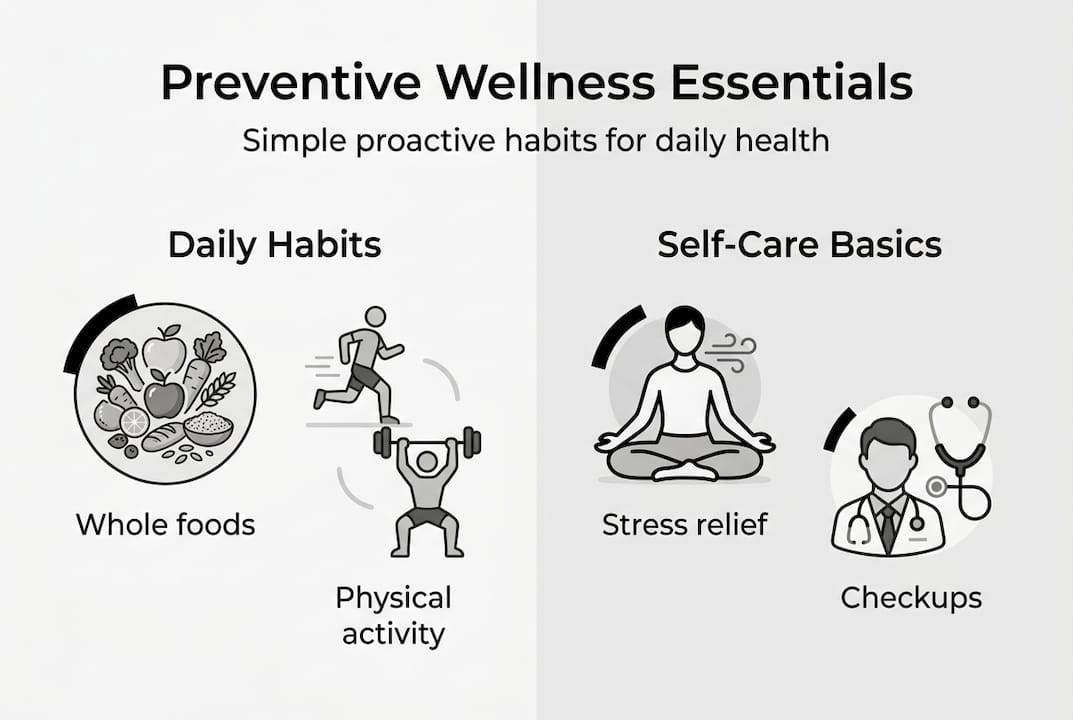
Physical activity doesn't require gym memberships or extreme workouts. Movement throughout the day, whether walking, stretching, gardening, or dancing, keeps your cardiovascular system strong and maintains muscle mass. Find activities you genuinely enjoy so exercise becomes something you look forward to rather than dread. Consistency beats intensity for long-term preventive benefits.
Stress management is non-negotiable in preventive wellness. Chronic stress elevates cortisol, disrupts sleep, weakens immunity, and accelerates aging. Incorporate daily practices that activate your parasympathetic nervous system: deep breathing, meditation, journaling, time in nature, or creative hobbies. Even five minutes of intentional relaxation can shift your physiology toward healing.
Regular checkups and screenings catch potential issues early when they're easiest to address. Schedule annual physicals, dental cleanings, vision exams, and age-appropriate cancer screenings. Don't wait for symptoms to prompt a doctor visit. Preventive appointments establish baseline health metrics and identify subtle changes over time.
Consulting holistic health practitioners adds another dimension to your preventive strategy. These professionals offer treatments like acupuncture for hormonal balance, massage for lymphatic drainage, or nutritional counseling for gut health. Their expertise complements conventional medical care, filling gaps that standard healthcare often overlooks.
Step-by-step preventive wellness routine:
- Morning foundation: Start with 10 minutes of movement (yoga, walking, stretching) and a nutrient-dense breakfast with protein and healthy fats.
- Midday check-in: Take short breaks every hour to stand, stretch, and reset posture. Eat a balanced lunch with vegetables and whole grains.
- Afternoon stress buffer: Practice five minutes of deep breathing or a brief meditation to manage work stress and maintain focus.
- Evening wind-down: Finish eating three hours before bed. Dim lights, limit screens, and engage in relaxing activities like reading or gentle stretching.
- Sleep optimization: Maintain consistent sleep and wake times. Keep your bedroom cool, dark, and quiet for restorative rest.
- Weekly wellness: Schedule one holistic treatment session (massage, acupuncture) and meal prep nutritious foods for the week ahead.
- Monthly review: Track key health metrics, assess energy levels, and adjust habits based on what's working or needs refinement.
Pro Tip: Link new preventive habits to existing routines. If you already make coffee each morning, add a two-minute stretching sequence right after. Habit stacking makes new behaviors stick faster.
Additional daily preventive practices:
- Prioritize seven to nine hours of quality sleep nightly
- Limit alcohol and avoid smoking or recreational drugs
- Cultivate social connections and meaningful relationships
- Spend time outdoors for vitamin D and mental health benefits
- Practice gratitude or positive psychology exercises
Discover more holistic health treatments that align with your lifestyle and health goals to create a comprehensive preventive wellness routine.
Measuring success and adjusting your preventive wellness plan
Preventive wellness requires ongoing assessment to ensure your strategies deliver results. Unlike reactive healthcare where success means symptom relief, preventive success shows up as sustained energy, stable mood, healthy biomarkers, and absence of disease progression. Tracking the right metrics helps you understand what's working and where adjustments are needed.
Key wellness metrics provide objective feedback on your health trajectory. These include resting heart rate, blood pressure, fasting glucose, cholesterol panels, inflammatory markers like C-reactive protein, hormone levels, body composition, and sleep quality scores. Precision health tools help track wellness metrics to tailor preventive strategies based on your unique physiological responses.
| Metric category | What to track | Ideal frequency | Why it matters |
|---|---|---|---|
| Cardiovascular | Blood pressure, resting heart rate, HRV | Weekly to monthly | Early indicator of heart health and stress levels |
| Metabolic | Fasting glucose, HbA1c, lipid panel | Quarterly to annually | Monitors diabetes and cardiovascular disease risk |
| Inflammatory | CRP, homocysteine | Annually | Reveals systemic inflammation driving chronic disease |
| Body composition | Weight, body fat percentage, muscle mass | Monthly | Tracks effectiveness of nutrition and exercise |
| Sleep | Total hours, deep sleep percentage, wake frequency | Daily via wearables | Foundation for recovery and immune function |
Using data and technology makes monitoring seamless. Wearable devices track activity, heart rate variability, and sleep architecture automatically. Apps log food intake, mood, and symptoms to identify patterns. Regular lab work from your healthcare provider adds clinical precision. Together, these tools create a comprehensive picture of your preventive wellness progress.
Signs it's time to adjust your plan include:
- Persistent fatigue despite adequate sleep and nutrition
- Plateaus in fitness progress or weight management
- Worsening biomarkers on lab tests
- Increased stress, anxiety, or mood disruptions
- New or recurring symptoms that don't resolve
- Lack of enjoyment or sustainability in current habits
Collaboration with health providers ensures your adjustments are strategic rather than random. Share your tracking data with both conventional doctors and holistic practitioners. They can interpret trends, suggest targeted interventions, and help you understand whether changes reflect normal fluctuations or meaningful shifts. The research hub offers evidence-based insights to inform these discussions.
Iterative personalized wellness strategies recognize that your needs evolve. What works in your 30s may need modification in your 50s. Seasonal changes, life transitions, and new health information all warrant plan adjustments. Approach preventive wellness as an ongoing experiment where you continuously refine based on results rather than following a rigid protocol forever.
Pro Tip: Keep a simple wellness journal noting daily habits, energy levels, mood, and any symptoms. Review monthly to spot patterns that quantitative data might miss. Subjective experience matters as much as objective metrics.
Benefits of data-informed preventive wellness:
- Earlier detection of health trends before they become problems
- More efficient use of time and resources on effective interventions
- Greater motivation from seeing tangible progress
- Reduced healthcare costs by preventing expensive treatments
- Empowerment through understanding your body's unique responses
Regular reassessment keeps your preventive wellness plan aligned with your current health status and life circumstances, maximizing long-term success and vitality.
Explore holistic treatments and practitioners for preventive wellness
You've learned the principles and practices of preventive wellness. Now it's time to connect with professionals who can guide your journey. The right practitioner brings expertise, accountability, and personalized insights that accelerate your progress beyond what self-directed efforts alone can achieve.

Our platform connects you with verified holistic health practitioners specializing in preventive care across disciplines like acupuncture, nutritional therapy, massage, Ayurveda, and more. Browse our directory of holistic health providers to find certified professionals in your area who align with your health goals and preferences. Explore over 200 holistic health treatments backed by research summaries, helping you make informed decisions about which modalities best support your preventive wellness plan. Take the next step toward proactive health with professional guidance tailored to your unique needs.
Frequently asked questions about preventive wellness
What are the main benefits of preventive wellness?
Preventive wellness reduces chronic disease risk, enhances energy and mental clarity, improves quality of life, and lowers long-term healthcare costs. By addressing health proactively, you maintain optimal function and catch potential issues early when they're easiest to manage.
How is preventive wellness different from regular healthcare?
Regular healthcare typically responds to existing symptoms or diseases with treatments like medications or surgery. Preventive wellness focuses on maintaining health before problems arise through lifestyle optimization, holistic therapies, and regular monitoring. It's proactive rather than reactive.
Can preventive wellness help manage chronic diseases?
Yes, preventive wellness strategies can slow progression, reduce symptoms, and sometimes reverse certain chronic conditions. Nutrition, exercise, stress management, and holistic treatments address root causes and support your body's natural healing capacity alongside conventional medical care.
What types of practitioners specialize in preventive wellness?
Holistic health practitioners including acupuncturists, naturopathic doctors, nutritionists, massage therapists, Ayurvedic practitioners, and functional medicine physicians specialize in preventive wellness. Many work collaboratively with conventional doctors to provide comprehensive integrative care.
How quickly can I expect results from preventive wellness practices?
Some benefits like improved energy and sleep quality appear within weeks. Metabolic changes and biomarker improvements typically take two to three months. Long-term benefits like reduced disease risk accumulate over years of consistent practice. Patience and persistence are essential.
Do I need expensive supplements or equipment for preventive wellness?
No, the foundation of preventive wellness relies on accessible habits like whole food nutrition, regular movement, stress management, and adequate sleep. While some people benefit from targeted supplements or fitness tools, these are enhancements rather than requirements for effective preventive care.