
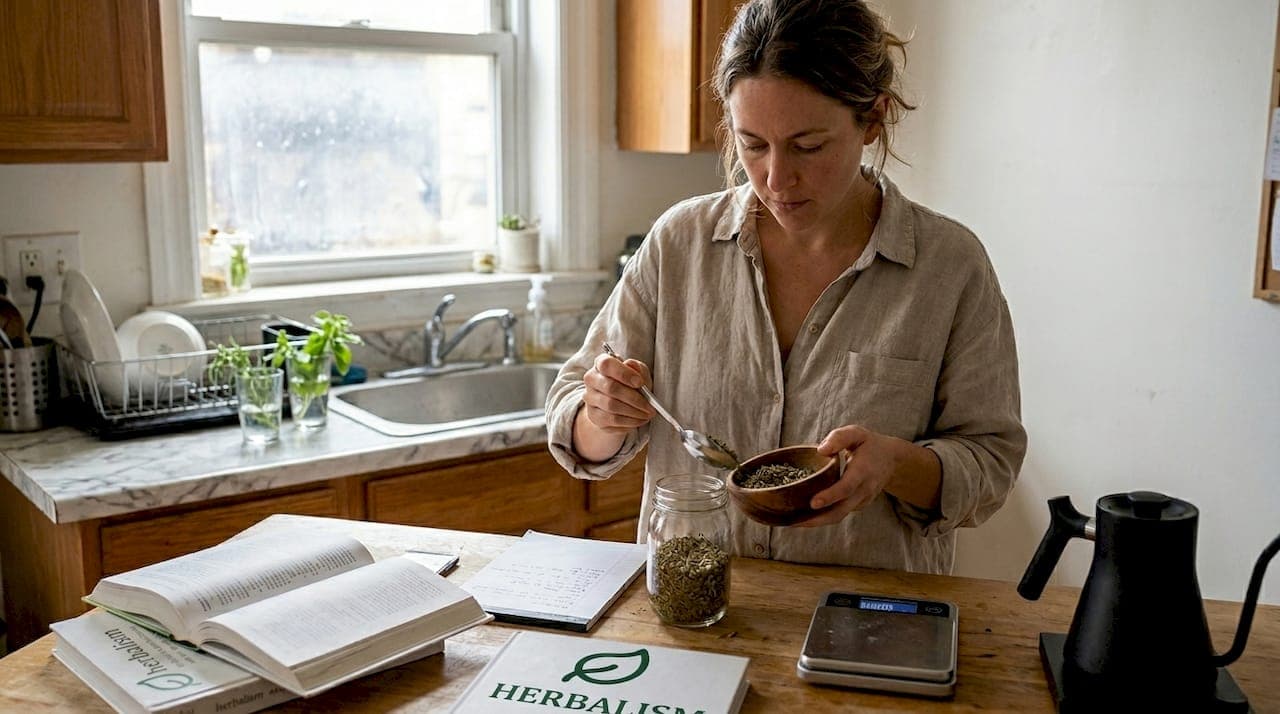
Many people believe effective healing requires pharmaceutical intervention, but plants have offered potent therapeutic solutions for millennia. Plant-based healing harnesses the natural compounds found in herbs, roots, and botanicals to support health and treat various conditions. This ancient practice, validated by modern science, spans cultures from Ayurveda to Traditional Chinese Medicine. Understanding what plant-based healing truly involves, how it works at a biochemical level, and how you can safely incorporate it into your wellness routine empowers you to make informed decisions about your health journey.
Table of Contents
- Key Takeaways
- Understanding plant based healing: definition and science
- Roots of plant based healing: Ayurveda, traditional Chinese medicine, and indigenous knowledge
- Modern phytotherapy: personalization and integration in holistic health
- Applying plant based healing: practical tips and precautions for beginners
- Explore holistic health solutions with Go Holistic
- Frequently asked questions
Key Takeaways
| Point | Details |
|---|---|
| Plant based healing basics | Plant based healing uses herbs and plant extracts to support health and treat conditions. |
| Bioactive compounds and actions | Bioactive compounds like flavonoids alkaloids and antioxidants interact with body systems to reduce inflammation protect cells and support immune function. |
| Personalized phytotherapy | Modern phytotherapy tailors plant treatments to individual health histories conditions and safety profiles. |
| Ancient roots and traditions | Ayurveda traditional Chinese medicine and indigenous healing traditions have long used botanical remedies that modern science increasingly validates. |
| Safe practical integration | Start with well researched plants such as turmeric or ginger and consult with a professional to safely integrate plant therapies with conventional medicine. |
Understanding plant based healing: definition and science
Plant-based healing, also known as phytotherapy or herbal medicine, involves using plants and their extracts to promote health and treat illness. This therapeutic approach taps into the bioactive compounds naturally present in botanical sources. Bioactive compounds like flavonoids, alkaloids, and antioxidants interact with your body's systems to produce healing effects.
These plant compounds work through multiple mechanisms. Flavonoids reduce inflammation and protect cells from oxidative damage. Alkaloids can influence nervous system function and pain perception. Antioxidants neutralize harmful free radicals that contribute to chronic disease. Terpenes offer antimicrobial properties while supporting immune function. Each plant contains a unique combination of these compounds, creating distinct therapeutic profiles.
The scientific understanding of plant medicine has evolved significantly. Researchers now identify specific molecules responsible for healing effects and understand how they interact with cellular receptors. This knowledge allows practitioners to predict therapeutic outcomes more accurately. Modern phytotherapy customizes treatments for individual needs rather than applying one-size-fits-all remedies.
Plant-based healing addresses conditions through several therapeutic actions:
- Anti-inflammatory effects reduce swelling and pain in joints and tissues
- Antioxidant properties protect against cellular damage and aging
- Antimicrobial actions fight bacterial, viral, and fungal infections
- Adaptogenic qualities help your body manage stress responses
- Immunomodulating compounds strengthen or balance immune function
Contemporary practitioners integrate plant medicine with evidence-based alternative treatments to create comprehensive healing protocols. They assess your health history, current medications, and specific conditions before recommending botanical interventions. This personalized approach maximizes therapeutic benefits while minimizing risks.
Pro Tip: Start with well-researched plants like turmeric or ginger that have extensive safety profiles before exploring more specialized botanicals.
Plant-based healing complements conventional medicine rather than replacing it entirely. Many people use botanical therapies alongside standard treatments to enhance outcomes and reduce side effects. Understanding the principles of phytotherapy helps you make informed choices about integrating plant medicine into your health strategy.
Roots of plant based healing: Ayurveda, traditional Chinese medicine, and indigenous knowledge
Plant-based healing traditions stretch back thousands of years across diverse cultures. These ancient systems developed sophisticated understandings of botanical medicine long before modern science validated their approaches. Each tradition offers unique perspectives on how plants support health and treat disease.

Ayurveda, originating in India over 5,000 years ago, views health as balance among three doshas or life energies. Practitioners use herbs like turmeric, ashwagandha, and holy basil to restore equilibrium. Turmeric's curcumin compound reduces inflammation throughout the body. Ashwagandha acts as an adaptogen, helping you manage stress and anxiety. These remedies target root causes rather than just symptoms.
Traditional Chinese Medicine developed parallel wisdom about plant healing. This system emphasizes Qi, or vital energy, flowing through meridian pathways. Practitioners prescribe herbal formulas containing multiple plants that work synergistically. Ginseng boosts energy and cognitive function. Ginger warms the body and aids digestion. Licorice root harmonizes other herbs in formulas while soothing inflammation. The combination approach creates effects greater than individual plants alone.
Indigenous healing traditions worldwide developed deep knowledge of local flora. Native American healers used echinacea to support immune function and fight infections. African traditional medicine employed moringa for nutrition and healing. Australian Aboriginal practices utilized tea tree oil for its powerful antimicrobial properties. These systems recognized that plants growing in specific environments offer targeted solutions for local health challenges.
"Traditional healing systems understood that plants contain intelligence and healing power that modern science is only beginning to fully appreciate and validate through research."
Cultural transmission of botanical knowledge occurred through oral traditions and apprenticeships. Elders taught younger generations which plants to harvest, when to collect them, and how to prepare remedies. This wisdom included sustainable harvesting practices that protected plant populations. Modern holistic health practitioners honor these traditions while adapting them for contemporary use.
Key principles shared across traditional systems include:
- Treating the whole person rather than isolated symptoms
- Using plants that grow naturally in your environment
- Combining multiple herbs for synergistic effects
- Considering individual constitution and health patterns
- Respecting the spiritual and energetic aspects of healing
These ancient approaches inform current phytotherapy practices. Practitioners study traditional healing sources to understand time-tested applications while applying modern safety standards. This integration of old wisdom and new science creates effective, personalized healing protocols.
Modern phytotherapy: personalization and integration in holistic health
Contemporary phytotherapy transforms traditional plant medicine into personalized therapeutic protocols. Practitioners assess your unique health profile, genetic factors, lifestyle patterns, and specific conditions before recommending botanical treatments. Modern phytotherapy tailors treatments individually to optimize effects and minimize adverse reactions.
The personalization process begins with comprehensive evaluation. Practitioners review your medical history, current medications, allergies, and health goals. They consider how your body metabolizes compounds based on genetic variations. Some people process certain plant compounds rapidly while others metabolize them slowly. This information determines appropriate dosages and timing.
Integration with broader wellness strategies amplifies plant medicine benefits. Integrative health approaches combine botanical therapies with nutrition, exercise, stress management, and mind-body practices. A practitioner might recommend adaptogenic herbs alongside meditation for anxiety management. They could suggest anti-inflammatory botanicals with dietary changes for joint pain. This comprehensive approach addresses multiple factors contributing to health challenges.
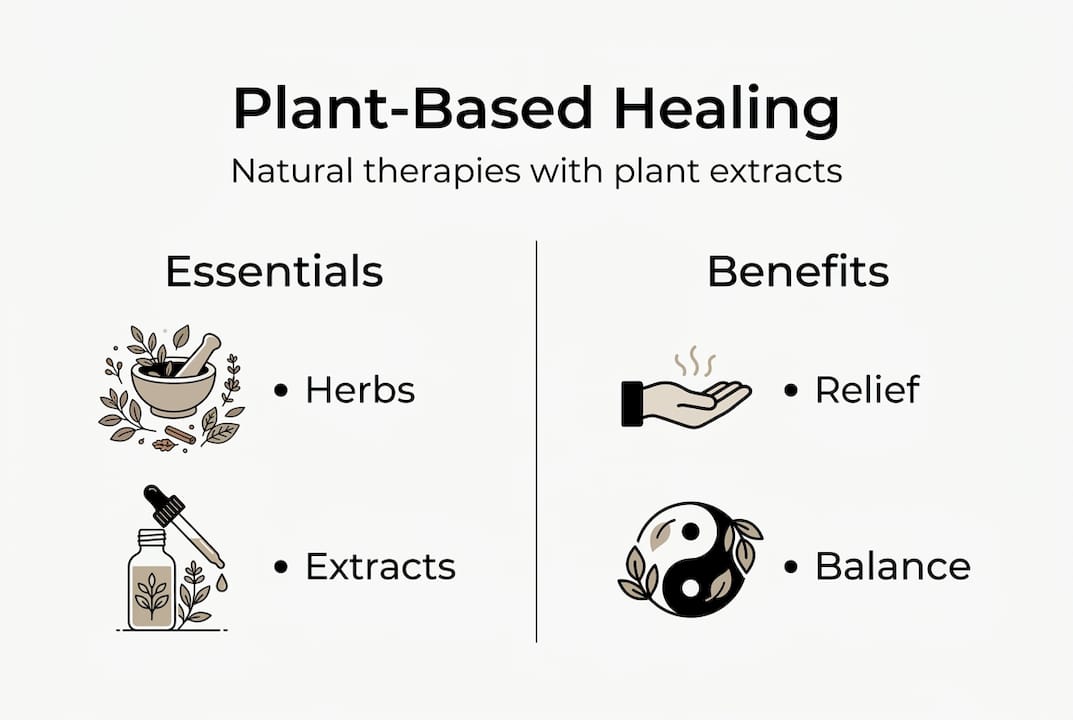
| Traditional Herbal Medicine | Modern Phytotherapy |
|---|---|
| Standardized formulas passed down through generations | Customized protocols based on individual assessment |
| Empirical knowledge from centuries of use | Evidence-based research validating mechanisms |
| Whole plant preparations in traditional forms | Standardized extracts with known compound concentrations |
| General constitutional typing | Genetic and metabolic profiling |
| Limited consideration of drug interactions | Comprehensive interaction screening |
Safety considerations guide modern phytotherapy practice. Practitioners screen for potential herb-drug interactions that could enhance or diminish medication effects. St. John's wort, for example, affects how your liver processes many pharmaceuticals. Ginkgo biloba can increase bleeding risk when combined with blood thinners. Professional guidance prevents these complications.
Dosage precision distinguishes contemporary practice from traditional use. Standardized extracts contain consistent amounts of active compounds, allowing predictable therapeutic effects. A turmeric supplement might specify 500mg of curcumin per dose rather than simply "turmeric root." This standardization enables practitioners to fine-tune protocols based on your response.
Pro Tip: Keep a symptom journal when starting plant-based treatments to track changes and identify what works best for your body.
Certified practitioners play essential roles in guiding your phytotherapy journey. They possess training in botanical medicine, pharmacology, and potential interactions. These professionals monitor your progress and adjust protocols as needed. Working with qualified practitioners ensures you receive safe, effective care aligned with your health objectives.
The holistic wellness checklist approach integrates plant medicine with other wellness dimensions. Physical health improvements from botanicals combine with emotional wellness practices and spiritual growth activities. This multidimensional strategy creates sustainable, lasting health transformations rather than temporary symptom relief.
Applying plant based healing: practical tips and precautions for beginners
Starting your plant-based healing journey requires thoughtful preparation and professional guidance. Plants and extracts treat conditions through bioactive compounds, but proper application ensures safety and effectiveness. These practical steps help you explore botanical medicine responsibly.
Begin with thoroughly researched, widely used plants that have extensive safety data. Chamomile tea for relaxation, ginger for digestive support, and peppermint for headaches offer gentle introductions. These common botanicals have minimal side effects and well-documented benefits. Start with single herbs rather than complex formulas so you can identify how each affects you.
Consulting qualified holistic health providers before starting any botanical protocol prevents complications. These professionals assess whether plant medicine suits your health situation. They identify potential interactions with medications you currently take. A practitioner can determine appropriate dosages based on your age, weight, and health status. This professional guidance proves especially important for people with chronic conditions, pregnant women, or those taking multiple medications.
Common plants used in home remedies include:
- Turmeric for inflammation and joint discomfort
- Echinacea to support immune function during cold season
- Valerian root for sleep difficulties and anxiety
- Milk thistle for liver support and detoxification
- Hawthorn for cardiovascular health
Understanding possible side effects and interactions protects your wellbeing. Even natural substances can cause adverse reactions in some people. Echinacea may trigger allergies in those sensitive to ragweed. Valerian can cause morning grogginess if taken in high doses. Some herbs affect blood clotting, blood pressure, or blood sugar levels. Always disclose botanical use to all your healthcare providers.
Steps to safely integrate plant-based healing:
- Research the specific plant and its traditional uses thoroughly
- Consult a qualified practitioner before starting any new botanical
- Begin with the lowest effective dose and increase gradually
- Monitor your response and document any changes or reactions
- Purchase from reputable suppliers who test for purity and potency
- Avoid combining multiple new herbs simultaneously
- Give each botanical adequate time to work, typically 4-6 weeks
- Reassess regularly with your practitioner to adjust protocols
Quality matters significantly in plant medicine. Reputable suppliers provide third-party testing results showing purity and compound concentrations. They verify products contain no contaminants like heavy metals or pesticides. Organic certification ensures plants grew without harmful chemicals. These quality markers indicate products that deliver intended therapeutic effects.
Integrating botanicals into your wellness routine works best with consistency. Take herbs at the same time daily to maintain steady compound levels in your system. Pair botanical supplements with meals if they cause stomach upset. Create reminders to ensure you don't miss doses. Track your experience in a journal, noting improvements and any concerns.
Recognize that plant medicine works differently than pharmaceutical drugs. Botanical effects often develop gradually over weeks rather than providing immediate relief. This slower action reflects how plant compounds gently shift your body's systems toward balance. Patience allows herbs to demonstrate their full therapeutic potential. Some conditions respond quickly while others require months of consistent use.
Explore holistic health solutions with Go Holistic
Your journey into plant-based healing opens doors to comprehensive wellness transformation. Go Holistic connects you with certified practitioners who specialize in botanical medicine and holistic health treatments tailored to your unique needs. Our platform simplifies finding qualified professionals who understand both traditional plant wisdom and modern phytotherapy science.
Discover over 200 therapy types in our treatment library, each backed by research summaries explaining mechanisms and benefits. Our AI-powered assessment analyzes your health concerns and recommends personalized treatment options. Browse verified holistic health providers in your area who can guide your plant medicine journey safely and effectively. Whether you're exploring Ayurvedic herbs, Traditional Chinese Medicine formulas, or Western botanical protocols, our directory helps you find practitioners with relevant expertise.
Take the next step toward natural healing by exploring our holistic wellness resources. Book consultations directly through our platform and begin integrating evidence-based plant therapies into your health routine with professional support.
Frequently asked questions
What common plants are used in plant based healing?
Turmeric, ginger, echinacea, and ginseng rank among the most widely used healing plants globally. These botanicals offer anti-inflammatory, immune-supportive, and adaptogenic properties backed by centuries of traditional use and modern research. Each provides distinct therapeutic benefits while maintaining strong safety profiles for most people.
Is plant based healing safe for everyone?
Plant-based healing proves generally safe when practiced under qualified practitioner guidance. However, people with plant allergies, pregnant or nursing women, children, and those taking medications should consult healthcare providers before use. Individual responses vary based on genetics, health status, and potential interactions with existing treatments.
Can plant based healing replace conventional medical treatment?
Plant medicine typically complements rather than replaces conventional treatments for most health conditions. Botanical therapies work effectively alongside standard care to enhance outcomes and reduce side effects. Always discuss any treatment changes with your healthcare professional before modifying prescribed protocols or discontinuing medications.
How long does plant based healing take to work?
Most botanical treatments require 4-6 weeks of consistent use before producing noticeable effects. Unlike pharmaceutical drugs that often work rapidly, plant compounds gently shift body systems toward balance over time. Acute conditions may respond faster while chronic issues typically need several months of sustained botanical therapy for optimal results.
Where can I find qualified plant based healing practitioners?
Certified herbalists, naturopathic doctors, Traditional Chinese Medicine practitioners, and Ayurvedic specialists provide qualified plant-based healing guidance. Verify credentials through professional organizations and state licensing boards. Platforms like Go Holistic connect you with verified practitioners who specialize in botanical medicine and can create personalized treatment protocols.