

The assumption that natural equals safe is one of the most dangerous misconceptions in holistic wellness. While many holistic treatments offer genuine benefits for chronic health conditions, they vary widely in safety profiles, evidence quality, and potential risks. Understanding how safety functions across different holistic modalities empowers you to make informed decisions that protect your health while exploring alternative approaches. This article clarifies the critical role of safety evaluation in holistic practices and provides practical guidance for integrating evidence-based treatments into your wellness journey.
Table of Contents
- Key Takeaways
- Why safety matters in holistic wellness
- Evidence-supported holistic practices and their safety profiles
- Navigating risks in herbal and natural remedies
- Best practices for safe holistic health integration
- Discover safe holistic health options with Go Holistic
- Frequently asked questions
Key Takeaways
| Point | Details |
|---|---|
| Evidence backed modalities | Acupuncture and Tai Chi have been shown in quality studies to reduce chronic pain with few or no serious adverse events. |
| Herbal remedies safety risks | Herbal remedies carry risks including drug interactions and inconsistent quality across products. |
| Integration with conventional medicine | Informed consent and transparent communication with healthcare providers are essential for safety. |
| Vulnerable groups data limits | Safety information for older adults, pregnant people, and those with chronic conditions is limited, so caution is advised. |
Why safety matters in holistic wellness
The natural label creates a false sense of security that puts many wellness seekers at risk. Not all natural remedies are safe, with documented cases of liver damage, dangerous drug interactions, and contamination with heavy metals or prescription medications. These risks become especially critical when managing chronic conditions that require sustained treatment over months or years.
A startling reality complicates safety assessments: over 50% of people using herbal supplements never inform their doctors. This silence creates blind spots in medical care, where practitioners cannot identify potential interactions between prescribed medications and herbal products. The consequences range from reduced drug effectiveness to life-threatening complications.
The lack of standardization in herbal supplements adds another layer of risk. Unlike pharmaceutical drugs, herbal products often vary dramatically in potency, purity, and active ingredient content between brands and even between batches from the same manufacturer. You might consume ten times the expected dose or encounter contaminated products without any indication on the label.
For chronic health conditions, these safety concerns multiply. Long-term use increases exposure to potential toxins, cumulative side effects, and the likelihood of interactions as your health needs and medications evolve. What seems harmless for a few weeks can become problematic over extended periods.
Critical safety considerations include:
- Hepatotoxicity from certain herbs that damage liver function
- Drug-herb interactions that alter medication effectiveness
- Quality control failures leading to contaminated or mislabeled products
- Undisclosed pharmaceutical adulterants in herbal supplements
- Allergic reactions to plant compounds
Pro Tip: Create a comprehensive list of all supplements, herbs, and holistic health treatments you use and share it with every healthcare provider you see. Update this list whenever you start or stop any product.
Safety in holistic wellness is not about avoiding all alternative treatments but about making informed choices based on evidence, professional guidance, and transparent communication with your healthcare team.
The health and wellness blog at Go Holistic provides research-backed information to help you navigate these safety considerations with confidence.
Evidence-supported holistic practices and their safety profiles
Some holistic modalities have earned strong safety credentials through rigorous research. Acupuncture and Tai Chi show significant reduction in chronic pain with no serious adverse events reported in quality studies. These practices exemplify what evidence-based holistic care looks like when safety and efficacy align.
Acupuncture demonstrates standardized mean reductions in osteoarthritis pain and chronic back pain across multiple high-quality trials. The safety profile is remarkably clean, with the most common adverse events being minor bruising or temporary soreness at needle sites. When performed by qualified practitioners using sterile needles, serious complications are extraordinarily rare.

Tai Chi offers similarly impressive results for both physical and mental health conditions. Studies show strong PTSD symptom reduction alongside improvements in chronic pain, balance, and overall quality of life. The gentle, low-impact nature of Tai Chi makes it accessible to people with mobility limitations or those who cannot tolerate more intense physical therapies.
| Modality | Condition | Effect Size | Safety Profile |
|---|---|---|---|
| Acupuncture | Osteoarthritis pain | Moderate to large reduction | Minimal adverse events |
| Acupuncture | Chronic back pain | Significant improvement | No serious complications |
| Tai Chi | PTSD symptoms | Strong reduction | Extremely safe |
| Tai Chi | Chronic pain | Moderate improvement | No significant risks |
These safety profiles emerge from several factors. Both practices have standardized training protocols for practitioners, established professional organizations that maintain quality standards, and decades of clinical use that have identified and addressed potential risks. The mechanisms of action, while not fully understood, do not involve introducing foreign substances into the body or manipulating biochemistry in unpredictable ways.
Safety monitoring remains important even with these well-established modalities. You should work with holistic health practitioners who maintain proper credentials, follow hygiene protocols, and conduct thorough health assessments before beginning treatment. Professional acupuncturists should use single-use, sterile needles and follow clean needle technique standards.
Key safety advantages of evidence-based modalities:
- Extensive research documenting both benefits and risks
- Professional licensing and training requirements
- Standardized treatment protocols
- Low risk of serious adverse events
- Compatible with conventional medical care
Pro Tip: Verify that your acupuncturist is licensed in your state and certified by the National Certification Commission for Acupuncture and Oriental Medicine. For Tai Chi, seek instructors with formal training and experience working with your specific health conditions.
The holistic treatments directory helps you find qualified practitioners who prioritize safety alongside effectiveness, giving you confidence in your holistic health choices.
Navigating risks in herbal and natural remedies
Herbal supplements present a far more complex safety landscape than practices like acupuncture or Tai Chi. Herbal remedies carry risks like hepatotoxicity, drug interactions, contamination, and have limited safety testing for vulnerable groups. Even products labeled as non-toxic or natural can cause serious liver injury, especially with prolonged use or in combination with other medications.
The disconnect between herbal use and medical disclosure creates dangerous blind spots. When you do not inform your doctor about herbal supplements, they cannot assess potential interactions with prescribed medications. Some herbs dramatically alter how your body metabolizes drugs, either reducing their effectiveness or causing toxic accumulation. St. John's wort, for example, interferes with dozens of medications, including birth control pills, antidepressants, and blood thinners.
Quality control issues plague the herbal supplement industry. Studies repeatedly find products that contain different herbs than labeled, varying concentrations of active ingredients, contamination with heavy metals or pesticides, and undisclosed pharmaceutical drugs added to boost apparent effectiveness. Without rigorous manufacturing standards, you cannot be certain what you are actually consuming.
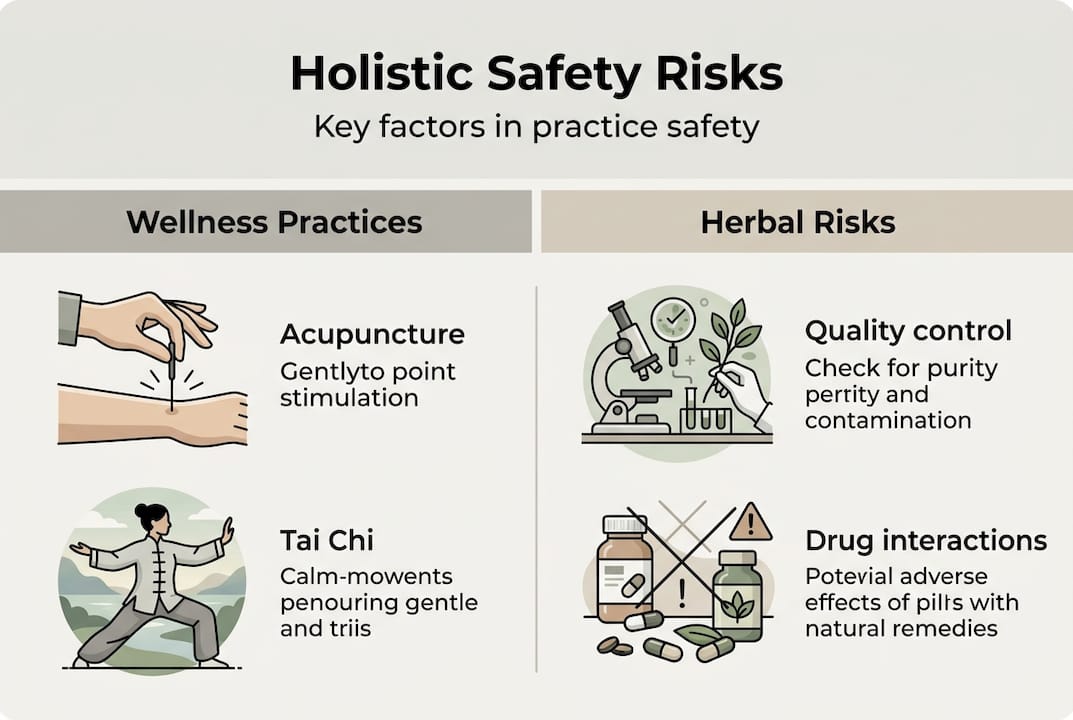
Vulnerable populations face amplified risks. Pregnant women, elderly individuals, children, and cancer patients often have altered metabolism, compromised organ function, or greater sensitivity to bioactive compounds. Yet safety testing for herbal products in these populations is severely limited. What appears safe for healthy adults may pose serious risks to those with underlying health conditions or physiological vulnerabilities.
Common herbal safety concerns:
- Liver damage from kava, comfrey, and certain traditional Chinese medicine formulas
- Bleeding risks with ginkgo biloba, garlic supplements, and ginger in high doses
- Blood pressure changes from licorice root and ephedra
- Hormonal effects from black cohosh and red clover
- Kidney damage from aristolochic acid found in some herbal products
| Risk Category | Examples | Prevention Strategy |
|---|---|---|
| Drug interactions | St. John's wort, grapefruit | Disclose all herbs to doctors |
| Organ toxicity | Kava, comfrey | Avoid herbs with toxicity reports |
| Contamination | Imported supplements | Choose third-party tested products |
| Mislabeling | Generic herbal blends | Buy from reputable manufacturers |
Pro Tip: Look for herbal supplements that carry USP Verified or NSF Certified for Sport marks, indicating third-party testing for purity and accurate labeling. These certifications do not guarantee safety but do confirm you are getting what the label claims.
Pharmaceutical supervision becomes essential when using herbal remedies alongside conventional treatments. Work with holistic health providers who understand both herbal medicine and conventional pharmacology, and maintain open communication with your prescribing physicians. The holistic wellness practitioners in the Go Holistic network prioritize this integrated approach to minimize risks.
Best practices for safe holistic health integration
Safe integration of holistic treatments requires a strategic approach that respects both alternative and conventional medicine. Guidelines emphasize integration with conventional care, informed consent, evidence-based scope of practice, and avoiding unproven claims. Holistic treatments work best as complementary approaches that enhance rather than replace standard medical care.
Qualified practitioners make all the difference in safety outcomes. Seek professionals who maintain appropriate licenses, stay within their scope of practice, and provide genuine informed consent that includes discussing potential risks and limitations. Be wary of practitioners who promise cures, discourage conventional treatment, or pressure you to purchase expensive supplement regimens.
Evidence-based decision making protects you from unsafe or ineffective treatments. Avoid therapies that lack safety data, make extraordinary claims without supporting research, or rely solely on testimonials rather than clinical evidence. The absence of evidence is not evidence of safety, particularly for treatments that have not been adequately studied.
Steps for safe holistic integration:
- Discuss all holistic treatments with your primary care physician before starting
- Research the evidence base and safety profile of any treatment you consider
- Verify practitioner credentials and professional standing
- Start with well-studied modalities that have established safety records
- Monitor for side effects and report any concerns to all your healthcare providers
- Maintain detailed records of all treatments, supplements, and responses
Open communication forms the foundation of safe integrative care. Create a healthcare team that knows about all aspects of your treatment plan, including conventional medications, holistic therapies, supplements, and lifestyle interventions. This transparency allows providers to identify potential interactions, coordinate care effectively, and adjust treatments as needed.
Trauma-informed approaches to safety can enhance treatment efficacy but require careful application to avoid overpathologizing normal experiences. A sense of safety, both physical and emotional, supports healing and improves outcomes across many holistic modalities. However, excessive focus on safety can paradoxically increase anxiety and limit therapeutic progress.
Red flags that indicate unsafe practices:
- Practitioners who discourage conventional medical care
- Claims of curing serious diseases without evidence
- Pressure to purchase expensive products or commit to lengthy treatment plans upfront
- Reluctance to communicate with your other healthcare providers
- Dismissal of potential risks or side effects
- Lack of informed consent or discussion of treatment alternatives
Pro Tip: Before your first appointment with any holistic practitioner, ask how they coordinate care with conventional providers and what their policy is on medical record sharing. Practitioners committed to safety will welcome collaboration.
Safe holistic health integration is not about choosing between conventional and alternative medicine but about thoughtfully combining approaches based on evidence, professional guidance, and your individual health needs and values.
The holistic research hub provides access to current evidence on treatment safety and efficacy, helping you make informed decisions. Explore holistic health treatments that align with your health goals while maintaining the highest safety standards.
Discover safe holistic health options with Go Holistic
Navigating the complex landscape of holistic wellness becomes simpler when you have access to vetted, evidence-based resources and qualified practitioners. Go Holistic connects you with professionals who prioritize safety, maintain proper credentials, and practice within evidence-based frameworks. Our platform helps you explore over 200 holistic treatment modalities, each supported by research summaries that clarify both benefits and risks.
Whether you are seeking relief from chronic pain, managing a long-term health condition, or exploring preventive wellness strategies, Go Holistic provides the tools and guidance you need. Our AI-powered recommendation system analyzes your specific health concerns and matches you with appropriate holistic health treatments that have established safety profiles. Browse our directory of verified holistic health providers who understand the importance of integrative care and open communication with your medical team. Start your journey toward safer, more effective holistic wellness at Go Holistic today.
Frequently asked questions
What safety precautions should I take when using herbal remedies?
Always disclose all herbal supplements to your doctor, as many herbs interact with prescription medications in ways that reduce drug effectiveness or cause harmful side effects. Avoid mixing herbal products with prescription drugs without explicit approval from a healthcare professional who understands both conventional pharmacology and herbal medicine. Choose supplements from reputable manufacturers that undergo third-party testing for purity and accurate labeling, and avoid imported products with unclear ingredient sourcing. Work with holistic health providers who can guide you toward safer herbal options and monitor for potential adverse effects.
Are acupuncture and Tai Chi safe for managing chronic pain?
Meta-analyses confirm acupuncture and Tai Chi have significant pain reduction benefits with negligible adverse effects when performed by qualified practitioners. Both modalities demonstrate excellent safety profiles across diverse patient populations, including elderly individuals and those with multiple health conditions. The most common side effects are minor and temporary, such as slight soreness after acupuncture or mild muscle fatigue following Tai Chi practice. Ensure your practitioner maintains proper credentials and follows established safety protocols for optimal outcomes.
How can I ensure holistic treatments won't interfere with my conventional care?
Inform all your healthcare providers about any holistic treatments, supplements, or alternative therapies you use or plan to start, creating transparency that allows them to identify potential interactions or contraindications. Guidelines recommend open communication and informed consent to prevent treatment conflicts. Work with holistic wellness practitioners who respect your full medical history and are willing to coordinate with your conventional providers. Seek treatments with proven safety profiles and avoid practitioners who make unsupported claims or discourage you from continuing necessary conventional care.
What makes some holistic practices safer than others?
Practices with extensive research documentation, standardized training requirements, professional licensing, and decades of clinical use typically demonstrate better safety profiles than newer or less-studied modalities. Treatments that do not introduce foreign substances into your body or dramatically alter biochemistry generally carry lower risks than herbal supplements or invasive procedures. The presence of professional organizations that maintain quality standards, require continuing education, and enforce ethical guidelines also correlates with safer practice. Always evaluate both the inherent risks of a treatment modality and the qualifications of the specific practitioner providing care.
Recommended
- Holistic Health Treatments | goholistic
- Find Holistic Health Practitioners Near You | GoHolistic
- Go Holistic - Your Path to Holistic Wellness | Alternative Medicine Platform
- Find Holistic Health Providers | Go Holistic
- Why Holistic Recovery Matters for Addiction Treatment | Glendora Recovery Center
- Safety in elderly care: essential guide for families