
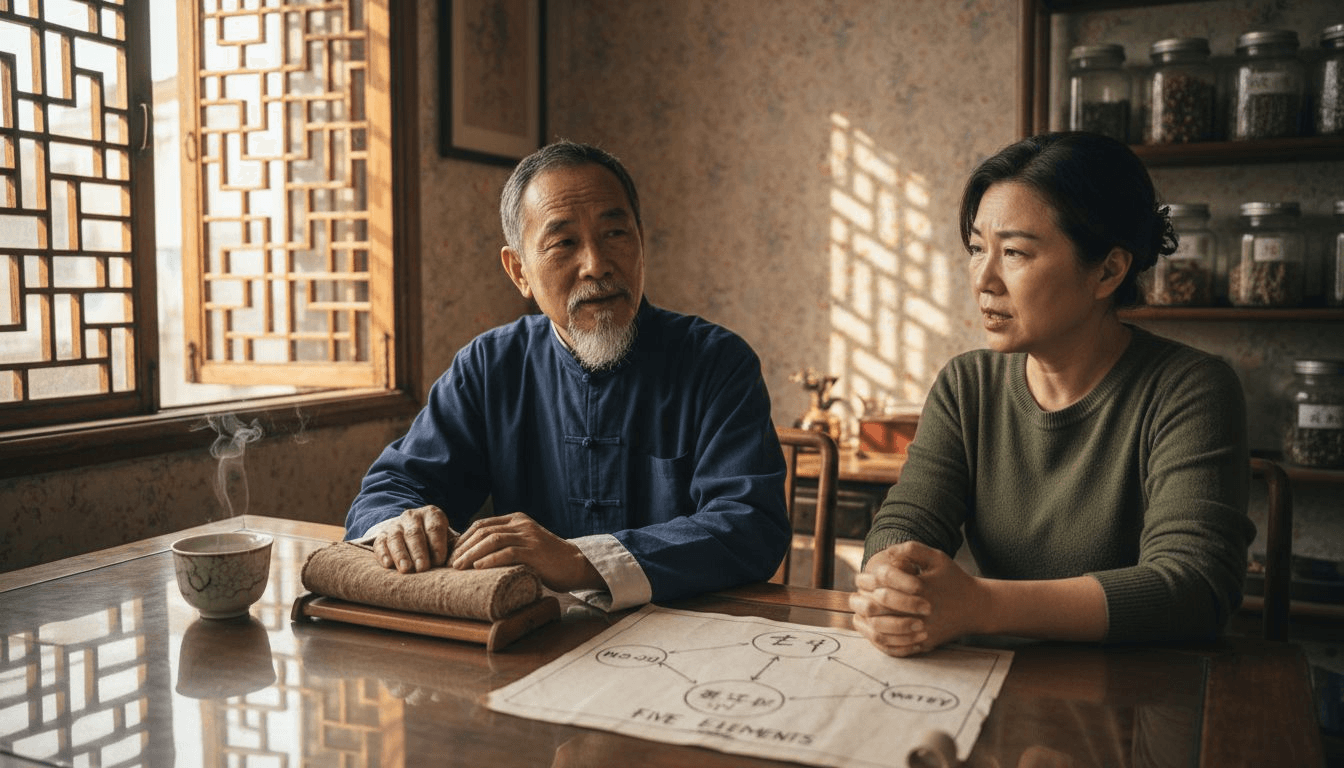
Searching for relief from stubborn pain or lingering health issues often leads people beyond conventional medicine. Traditional Chinese Medicine offers a holistic system focused on restoring balance and supporting wellness through concepts like Qi circulation, Yin and Yang, and the Five Elements. With a foundation built on evaluating energetic imbalances using observation and pulse analysis, TCM provides a natural path to address chronic conditions while enhancing your overall vitality.
Table of Contents
- Traditional Chinese Medicine Core Principles
- Major Types and Treatment Modalities
- How TCM Diagnosis and Healing Work
- Common Applications for Chronic Wellness
- Risks, Safety, and Practitioner Qualifications
Key Takeaways
| Point | Details |
|---|---|
| Core Principles of TCM | TCM emphasizes Qi, Yin and Yang, and the Five Elements as foundational concepts influencing health. |
| Treatment Modalities | TCM employs various holistic approaches like Acupuncture, Herbal Medicine, and Cupping Therapy to promote overall wellness. |
| Diagnostic Techniques | TCM utilizes unique methods such as Pulse Diagnosis and Tongue Examination to assess the body's energetic state. |
| Safety and Qualifications | Ensuring safety in TCM involves verifying practitioner credentials and the quality of herbal products used in treatments. |
Traditional Chinese Medicine Core Principles
Traditional Chinese Medicine (TCM) represents an ancient holistic healing system with profound philosophical foundations that have guided health practices for thousands of years. Unlike modern Western medicine's reductionist approach, TCM views human beings as interconnected energy systems where physical, emotional, and spiritual dimensions dynamically interact.
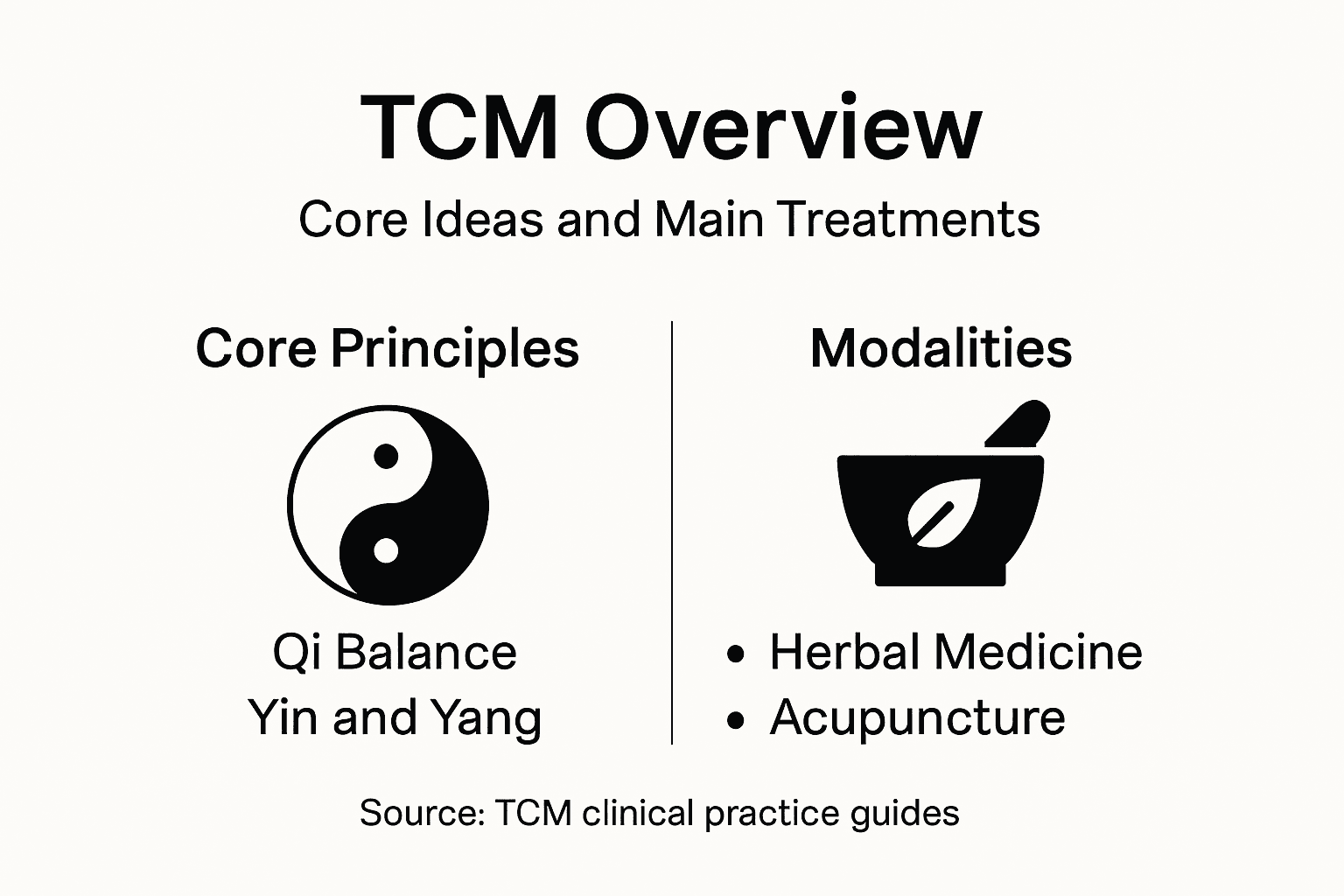
The core principles of TCM revolve around three fundamental concepts that shape its unique perspective on health and wellness:
- Qi (Life Energy): The fundamental energy flow that circulates through living systems
- Yin and Yang: Complementary forces representing balance and dynamic equilibrium
- Five Elements: Natural elements describing physiological and energetic interactions
TCM's philosophical framework explores systemic health regulation through intricate theories of energetic balance. Unlike Western medical models that often target specific symptoms, TCM seeks to understand and restore overall systemic harmony. This approach recognizes that health emerges from balanced energy circulation, not merely the absence of disease.
Each principle works synergistically to create a comprehensive understanding of human wellness. Qi represents the vital life force animating all biological processes, flowing through meridian pathways and connecting different bodily systems. Yin and Yang principles describe how seemingly opposite energetic qualities actually complement and generate each other - representing health as a dynamic, fluid state of equilibrium.
TCM views health not as a static condition, but as a continuous process of energetic adaptation and balance.
The Five Elements theory further elaborates this holistic perspective by mapping relationships between natural phenomena and human physiological systems. Wood, fire, earth, metal, and water represent different energetic qualities that interact and influence each other, providing a sophisticated framework for understanding bodily functions and potential imbalances.
Here is a summary of TCM's core principles and how they influence holistic health:
| Principle | Core Focus | Impact on Wellness |
|---|---|---|
| Qi | Energy flow regulation | Drives vitality and system balance |
| Yin and Yang | Dynamic equilibrium and harmony | Maintains adaptive health states |
| Five Elements | Systemic interrelationships | Explains organ and energy shifts |
Pro tip: Start exploring TCM principles by observing your body's subtle energy signals and considering how different lifestyle factors might influence your overall energetic balance.
Major Types and Treatment Modalities
Traditional Chinese Medicine (TCM) encompasses a diverse array of therapeutic approaches and healing modalities that address health holistically. Unlike Western medical practices that often focus on treating specific symptoms, TCM aims to restore overall bodily balance and support natural healing mechanisms.
The primary treatment modalities in TCM include:
- Acupuncture: Precise needle insertion at specific body points to regulate energy flow
- Herbal Medicine: Complex plant-based formulations targeting systemic health
- Tuina Massage: Manual therapy technique manipulating soft tissues and energy channels
- Cupping Therapy: Suction-based treatment to stimulate blood circulation and remove stagnant energy
- Moxibustion: Heated herb application to stimulate specific acupuncture points
Acupuncture represents one of the most recognized TCM practices globally. By strategically inserting ultrathin needles into specific meridian points, practitioners aim to unblock energy pathways and restore balanced Qi circulation. This technique is particularly effective for pain management, stress reduction, and addressing chronic conditions.
TCM treatment modalities are not isolated interventions but interconnected approaches designed to support holistic wellness.
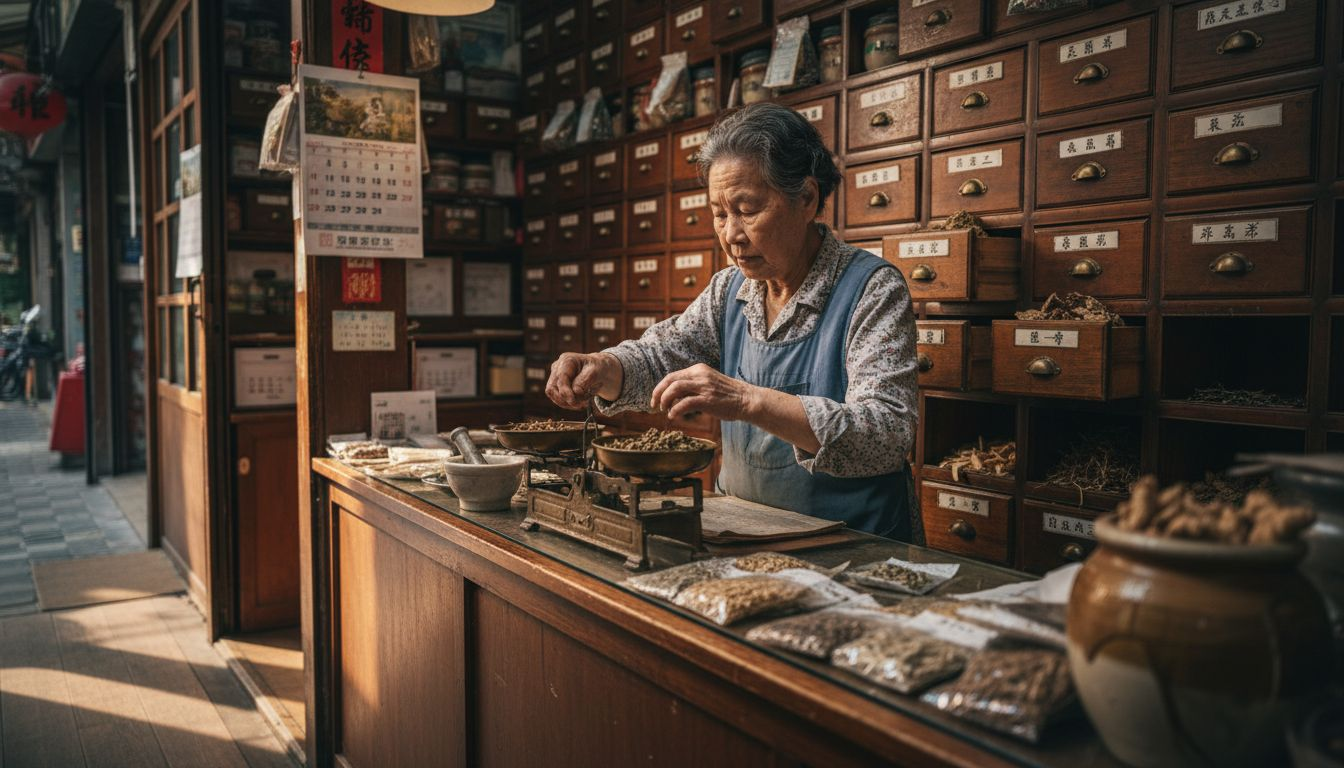
Herbal medicine in TCM involves intricate multi-targeted health interventions utilizing sophisticated plant-based formulations. Practitioners carefully combine herbs to create personalized treatment protocols addressing individual energetic imbalances, considering factors like body constitution, emotional state, and specific health challenges.
See how common TCM modalities differ in their primary approach and practical benefit:
| Modality | Primary Approach | Key Benefit |
|---|---|---|
| Acupuncture | Physical intervention | Relieves pain and stress |
| Herbal Medicine | Plant-based compounds | Supports multi-system healing |
| Tuina Massage | Manual manipulation | Promotes energy circulation |
| Cupping Therapy | Suction technique | Reduces stagnation and tension |
| Moxibustion | Heat stimulation | Enhances circulation and warmth |
Pro tip: Consult a licensed TCM practitioner to develop a personalized treatment plan that integrates multiple modalities for comprehensive wellness.
How TCM Diagnosis and Healing Work
Traditional Chinese Medicine employs a unique and holistic approach to diagnostic evaluation and healing processes. Unlike conventional Western medical practices that often focus on isolated symptoms, TCM practitioners view the human body as an interconnected system of energy and physiological functions.
The diagnostic process in TCM involves several comprehensive assessment techniques:
- Visual Observation: Analyzing overall body language, skin color, and physical demeanor
- Pulse Diagnosis: Evaluating subtle variations in pulse rhythm and quality
- Tongue Examination: Assessing tongue color, coating, and structural characteristics
- Patient History: Detailed contextual inquiry about lifestyle, emotional state, and environmental influences
- Symptom Correlation: Mapping individual symptoms to broader energetic imbalances
Pulse diagnosis represents one of the most sophisticated diagnostic techniques in TCM. Practitioners carefully assess the pulse's depth, rhythm, and strength across multiple positions on the wrist, each corresponding to different organ systems and energetic pathways. These nuanced observations help identify subtle imbalances long before they manifest as overt medical conditions.
In TCM, diagnosis is not about identifying a disease, but understanding the patient's entire energetic ecosystem.
Healing in TCM is fundamentally about restoring balance and supporting the body's natural self-regulation mechanisms. Practitioners design personalized treatment protocols that may combine acupuncture, herbal medicine, dietary recommendations, and lifestyle modifications to address the root cause of energetic disruptions.
Pro tip: Approach your first TCM consultation with an open mind, and be prepared to provide comprehensive information about your physical, emotional, and environmental health.
Common Applications for Chronic Wellness
Traditional Chinese Medicine (TCM) offers a comprehensive approach to managing chronic health conditions, addressing complex health challenges beyond conventional medical treatments. Its holistic methodology focuses on treating the root causes of chronic disorders while simultaneously supporting overall systemic wellness.
TCM demonstrates significant potential in addressing various chronic health conditions, including:
- Metabolic Disorders: Regulating blood sugar and supporting insulin sensitivity
- Chronic Pain Management: Reducing inflammation and improving pain perception
- Cardiovascular Health: Supporting heart function and circulation
- Autoimmune Conditions: Balancing immune system responses
- Stress-Related Disorders: Modulating nervous system and hormonal interactions
Acupuncture and herbal interventions play crucial roles in TCM's approach to chronic wellness. Practitioners develop personalized treatment protocols that target specific physiological imbalances, utilizing techniques designed to restore natural bodily harmonies and enhance self-healing mechanisms.
TCM views chronic conditions not as isolated symptoms, but as complex interactions between physical, emotional, and environmental factors.
Clinical research increasingly validates TCM's effectiveness in integrative chronic disease management. By combining traditional healing techniques with contemporary medical insights, TCM offers a nuanced approach that goes beyond symptom suppression, focusing on comprehensive health restoration and long-term wellness strategies.
Pro tip: Consult a licensed TCM practitioner to develop a personalized wellness plan that addresses your specific chronic health challenges through holistic, integrative approaches.
Risks, Safety, and Practitioner Qualifications
Traditional Chinese Medicine (TCM) prioritizes patient safety through rigorous regulatory frameworks and quality control measures. Understanding potential risks and ensuring practitioner competence are critical components of responsible TCM practice, protecting patients while maintaining the integrity of this ancient healing tradition.
Key safety considerations in TCM include:
- Herbal Product Quality: Verifying ingredient purity and potential interactions
- Treatment Standardization: Ensuring consistent therapeutic approaches
- Practitioner Credentials: Confirming proper training and certification
- Patient Medical History: Comprehensive screening for contraindications
- Potential Side Effects: Understanding possible adverse reactions
Practitioner qualifications have become increasingly sophisticated, with modern educational standards integrating classical theories and clinical skills. Professional TCM practitioners now undergo extensive training that combines traditional knowledge with contemporary medical understanding, ensuring a comprehensive approach to patient care.
Safety in TCM is not about eliminating risk, but about informed and responsible practice that prioritizes patient well-being.
Patients should approach TCM with a critical yet open mindset, recognizing that while the practice offers valuable holistic insights, it requires careful navigation. This means thoroughly vetting practitioners, discussing existing medical conditions, and maintaining open communication with both TCM and conventional healthcare providers.
Pro tip: Always request documentation of a TCM practitioner's professional credentials and verify their certification before beginning any treatment.
Discover Personalized Traditional Chinese Medicine Solutions for Lasting Wellness
If you are intrigued by how Traditional Chinese Medicine balances Qi, Yin and Yang, and the Five Elements to restore harmony and vitality you are ready to take the next step toward holistic health. Many people struggle with understanding complex energy systems and finding trustworthy practitioners who can tailor treatments like acupuncture or herbal medicine to their unique needs. At Go Holistic we eliminate that uncertainty by connecting you with certified professionals who specialize in these ancient healing modalities rooted in evidence and safety.
Explore our comprehensive wellness platform today to uncover personalized TCM therapies curated by AI technology designed just for you. Learn more about holistic approaches and book consultations with verified experts who will guide your journey to integrating Traditional Chinese Medicine into your daily wellness routine. Don’t wait to experience the profound impact of TCM on your chronic conditions stress management and overall vitality. Visit Go Holistic now and empower your health with natural, non-invasive solutions. Start your transformation with trusted professionals and a wealth of research-backed resources at your fingertips.
Frequently Asked Questions
What is Traditional Chinese Medicine (TCM)?
Traditional Chinese Medicine (TCM) is an ancient holistic healing system that views human beings as interconnected energy systems. It focuses on balancing physical, emotional, and spiritual dimensions rather than merely treating specific symptoms.
How does TCM diagnose health issues?
TCM uses a comprehensive diagnostic process that includes visual observation, pulse diagnosis, tongue examination, patient history, and symptom correlation to understand the overall energetic ecosystem of the patient.
What are the main treatment modalities in TCM?
The primary treatment modalities in TCM include acupuncture, herbal medicine, tuina massage, cupping therapy, and moxibustion. These approaches work together to restore balance and support the body's natural healing mechanisms.
Can TCM be effective for chronic health conditions?
Yes, TCM has shown potential in managing various chronic health conditions, including metabolic disorders, chronic pain, cardiovascular health, autoimmune conditions, and stress-related disorders. It addresses the root causes while promoting overall wellness.