

Many people dismiss holistic therapies as unproven or ineffective, yet robust scientific evidence demonstrates their value for managing chronic health conditions. Therapeutic modalities rooted in evidence-based practices offer natural, personalized pathways to improve symptoms and quality of life. This article explores proven holistic therapies, their mechanisms, safety considerations, and how to integrate them effectively into your wellness plan to address persistent health challenges.
Table of Contents
- Introduction to therapeutic modalities in holistic health
- Key holistic therapeutic modalities and their mechanisms
- Common misconceptions about holistic therapies
- Comparison framework for therapeutic modalities
- Personalizing holistic treatments for chronic conditions
- Safety, practitioner verification, and effective use
- Chronic health conditions suitable for holistic modalities
- Conclusion: empowered holistic health decisions
- Explore holistic treatments and trusted practitioners with Go Holistic
- FAQ
Key takeaways
| Point | Details |
|---|---|
| Therapeutic modalities defined | Evidence-based holistic treatment options including manual therapies, physical stimulation, herbal interventions, and mind-body practices designed for chronic condition management. |
| Research supports effectiveness | Studies confirm specific holistic therapies reduce chronic pain, inflammation, and stress with fewer side effects than conventional medications alone. |
| Personalization drives outcomes | Tailored treatment plans combining multiple modalities yield 30-40% better symptom management compared to standardized approaches. |
| Practitioner certification matters | Verified, licensed practitioners reduce adverse events by 40% and improve patient satisfaction significantly. |
| Framework aids decision-making | Comparing modalities by category, evidence strength, and application helps match treatments to individual conditions and goals. |
Introduction to therapeutic modalities in holistic health
Therapeutic modalities in holistic health refer to evidence-based treatment methods that address physical, emotional, and systemic aspects of chronic conditions through natural, non-invasive interventions. Unlike conventional approaches focusing narrowly on symptom suppression, holistic modalities aim to restore balance and support the body's innate healing capacity. Chronic health issues such as persistent pain, inflammatory disorders, autoimmune conditions, and stress-related illnesses benefit from these comprehensive strategies.
Holistic approaches encompass diverse therapy categories. Manual therapies like massage and chiropractic care address musculoskeletal tension and alignment. Physical stimulation methods such as acupuncture and light therapy modulate nervous system function and cellular processes. Herbal and nutritional interventions leverage plant-based compounds to reduce inflammation and support metabolic health. Mind-body practices including meditation, yoga, and biofeedback cultivate stress resilience and mental clarity.
Evidence-based holistic therapies undergo rigorous clinical testing to validate safety and effectiveness. Research shows personalized therapeutic approaches lead to better patient-reported outcomes in chronic conditions compared to standardized treatments. By selecting therapies backed by scientific data, you reduce risks and increase the likelihood of meaningful health improvements.
Integrating multiple evidence-backed modalities creates synergistic effects. Combining acupuncture with herbal medicine or pairing massage with mindfulness meditation addresses chronic conditions from multiple angles simultaneously. This holistic strategy often produces more substantial, lasting relief than single-intervention approaches. Explore comprehensive holistic health treatments to understand the breadth of options available for your specific needs.
Pro Tip: Start by identifying your primary health goal, whether pain reduction, inflammation control, or stress management, then research which modalities have the strongest evidence for that specific condition to build your personalized plan efficiently.
Key holistic therapeutic modalities and their mechanisms
Understanding how holistic therapies work at physiological and biochemical levels builds confidence in their legitimacy and guides informed treatment selection. Scientific research reveals specific mechanisms underlying the effectiveness of major holistic modalities for chronic conditions.
Acupuncture operates through neurological pathways, stimulating endogenous opioid release and improving pain tolerance in chronic lower back pain patients. Thin needles inserted at specific points modulate nerve signaling, reduce inflammatory markers, and enhance blood flow to affected tissues. Clinical trials demonstrate significant pain reduction and functional improvement in patients with chronic musculoskeletal conditions.
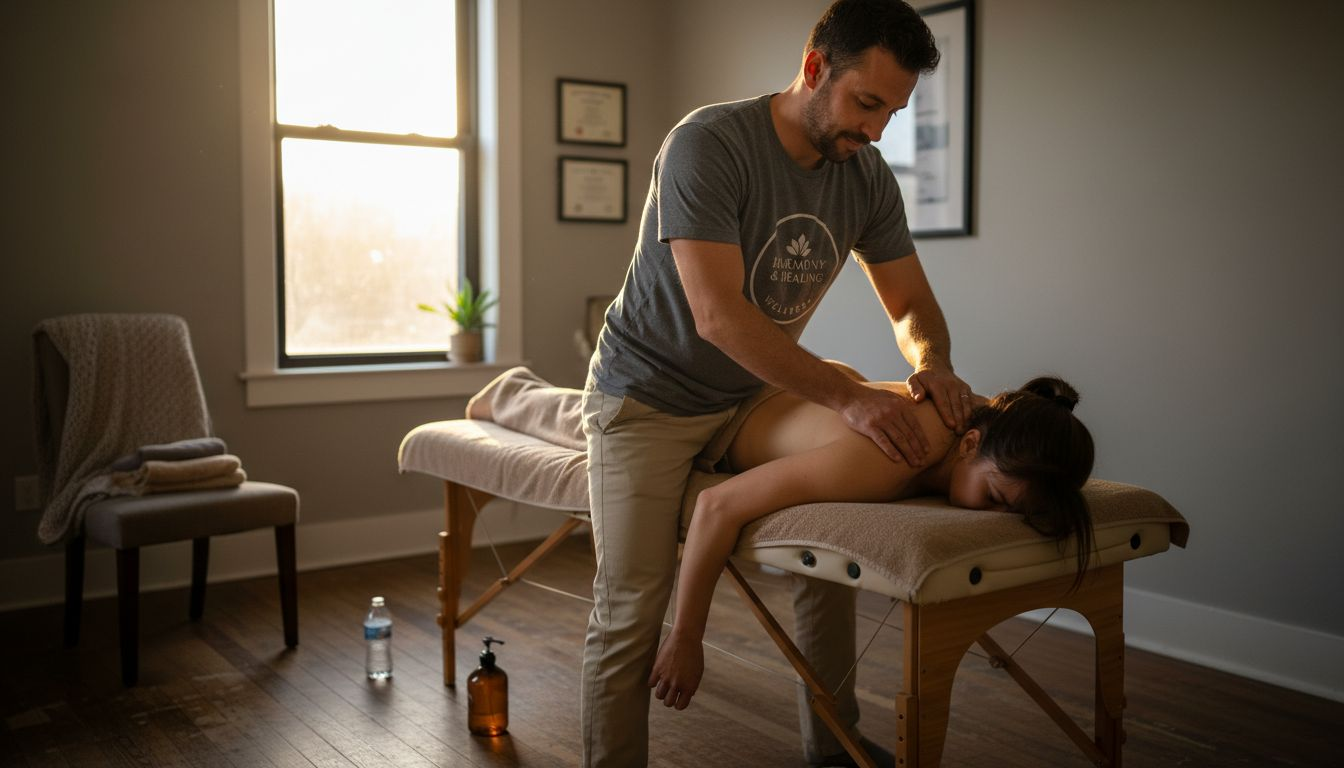
Massage therapy provides mechanical benefits by increasing circulation, releasing muscle adhesions, and promoting lymphatic drainage. Therapeutic touch reduces cortisol levels and activates parasympathetic nervous system responses that counteract chronic stress. Patients report decreased muscle tension, improved sleep quality, and enhanced mobility after regular massage sessions.
Herbal therapies deliver bioactive compounds with anti-inflammatory, antioxidant, and immune-modulating properties. Turmeric contains curcumin, which inhibits inflammatory cytokine production. Ginger compounds reduce oxidative stress and pain signaling. Adaptogens like ashwagandha help regulate cortisol and support adrenal function. Evidence shows herbal interventions can match pharmaceutical effectiveness for certain conditions with fewer adverse effects.
Mindfulness meditation induces neuroplasticity, strengthening brain regions associated with emotional regulation and pain perception. Regular practice reduces amygdala reactivity to stressors and increases prefrontal cortex activity linked to executive control. Studies document measurable improvements in chronic pain intensity, anxiety symptoms, and inflammatory biomarkers among meditation practitioners.
| Modality | Primary Mechanism | Evidence Strength | Common Applications |
|---|---|---|---|
| Acupuncture | Endogenous opioid release, nerve modulation | Strong | Chronic pain, headaches, nausea |
| Massage Therapy | Circulation enhancement, muscle tension release | Moderate to Strong | Musculoskeletal pain, stress, mobility |
| Herbal Medicine | Anti-inflammatory compounds, immune modulation | Moderate | Inflammation, digestive issues, immune support |
| Mindfulness Meditation | Neuroplasticity, stress response regulation | Strong | Chronic pain, anxiety, depression |
Pro Tip: Combine therapies with complementary mechanisms for enhanced results, such as pairing acupuncture's nervous system modulation with massage's physical tension release to address chronic pain comprehensively. Discover more about holistic therapy mechanisms to optimize your treatment strategy.
Common misconceptions about holistic therapies
Misunderstandings about holistic health persist despite growing scientific validation. Addressing these misconceptions directly helps you make informed decisions without being deterred by outdated beliefs or inaccurate information.
One prevalent myth suggests all holistic therapies lack scientific basis and rely solely on placebo effects. This misconception ignores extensive peer-reviewed research demonstrating measurable physiological changes from therapies like acupuncture, massage, and herbal medicine. Clinical trials using rigorous placebo controls consistently show treatment effects exceeding placebo responses. Dismissing holistic modalities as unscientific contradicts current evidence standards.
Another misconception involves practitioner qualifications and safety regulations. Many assume holistic practitioners operate without oversight or standardized training. In reality, most U.S. states require licensing or certification for acupuncturists, massage therapists, naturopathic doctors, and other holistic providers. These credentials mandate specific education hours, clinical training, and passing standardized examinations. Licensed practitioners adhere to scope-of-practice guidelines and ethical standards protecting patient safety.
Some believe holistic therapies aim to replace conventional medicine entirely. This either-or framing misrepresents the integrative philosophy underlying modern holistic health. Evidence-based holistic modalities complement conventional treatments, addressing aspects like chronic inflammation, stress management, and quality of life that pharmaceuticals alone may not fully resolve. Most holistic practitioners encourage collaboration with physicians and coordinate care to optimize outcomes.
Concerns about safety often exaggerate risks associated with holistic therapies. Data shows certified practitioners deliver treatments with low adverse event rates. Properly administered acupuncture, massage, and herbal medicine carry minimal risks when providers follow established protocols and screen for contraindications. Statistics indicate holistic therapies compare favorably to conventional treatments regarding safety profiles.
"The misconception that holistic therapies are inherently risky ignores evidence showing certified practitioners achieve excellent safety records when following professional standards and scope-of-practice guidelines."
Find qualified holistic health providers who meet certification and licensing requirements to ensure safe, effective care. Verify credentials, read patient reviews, and ask about training to make informed practitioner selections.
Comparison framework for therapeutic modalities
Organizing holistic therapies into distinct categories helps you understand their characteristics, compare options systematically, and select modalities aligned with your health goals and preferences. A functional framework classifies treatments by intervention type and mechanism.
The framework categorizes treatments into four types: manual therapies, physical stimulation methods, herbal and nutritional interventions, and mind-body practices. Each category offers unique advantages and considerations regarding evidence strength, accessibility, cost, and application scope.
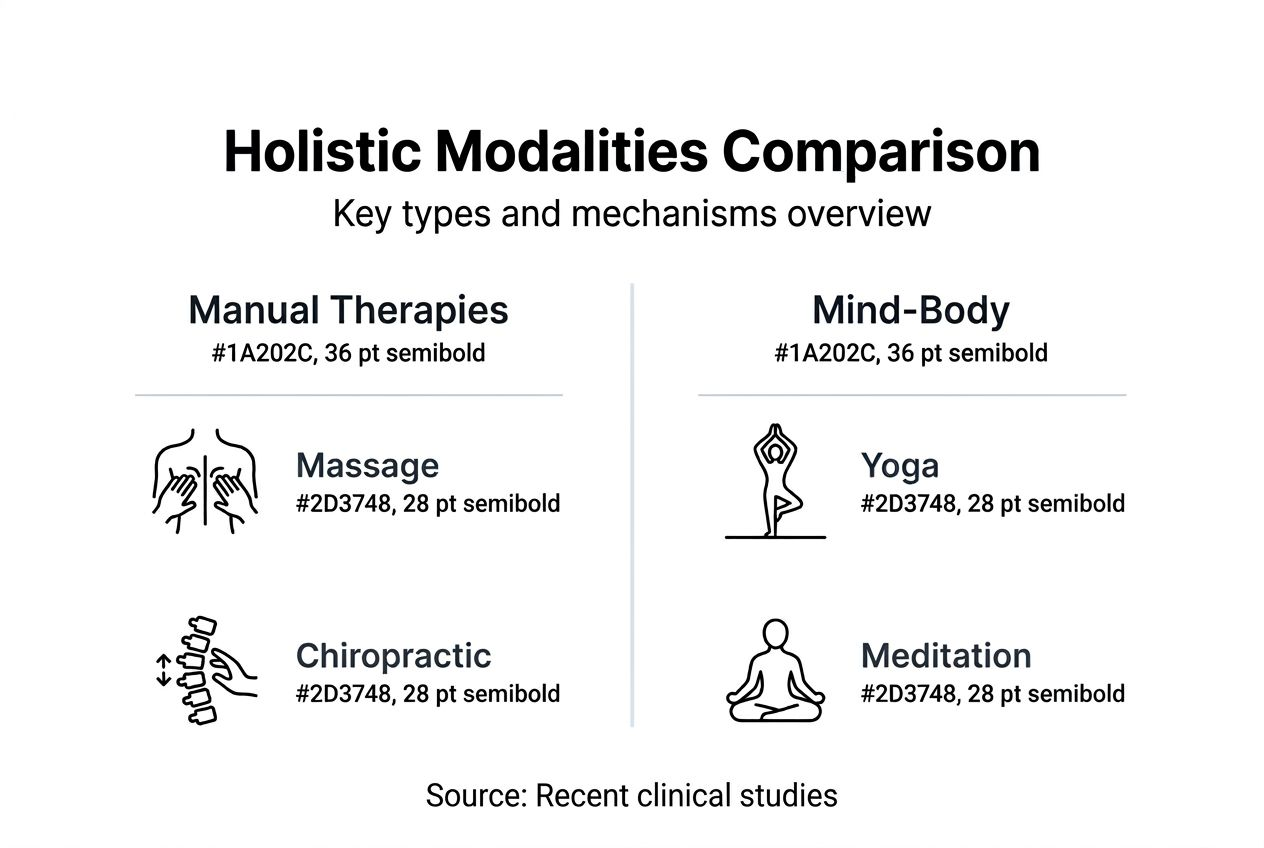
Manual therapies involve hands-on manipulation of soft tissues, joints, or skeletal structures. Massage therapy, chiropractic care, and osteopathy fall into this category. These modalities excel at addressing musculoskeletal issues, improving mobility, and relieving mechanical tension. Manual therapies provide immediate tactile feedback and often produce rapid symptomatic relief. Considerations include practitioner skill variability and the need for repeated sessions to maintain benefits.
Physical stimulation methods use external energy or mechanical forces to influence physiological processes. Acupuncture, light therapy, and electrical stimulation belong here. These approaches modulate nervous system activity, cellular function, and biochemical pathways. Physical stimulation therapies offer targeted intervention for specific conditions like chronic pain or seasonal affective disorder. They require specialized equipment or training and may involve variable response rates among individuals.
Herbal and nutritional interventions employ plant-based compounds, dietary modifications, or supplements to support healing and reduce inflammation. This category includes herbal medicine, functional nutrition, and nutraceutical protocols. Benefits include addressing systemic issues like inflammation, immune function, and metabolic health. Considerations involve potential herb-drug interactions, quality control of supplements, and slower onset of effects compared to pharmaceuticals.
Mind-body practices integrate mental focus, breath control, and movement to influence physical health through psychological and neurological pathways. Meditation, yoga, tai chi, and biofeedback exemplify this category. These modalities excel at stress management, pain perception modification, and emotional regulation. Mind-body practices empower self-care and require minimal equipment but demand consistent practice and patience to achieve results.
| Category | Pros | Cons | Evidence Strength | Examples |
|---|---|---|---|---|
| Manual Therapies | Immediate relief, addresses structural issues | Requires repeated sessions, practitioner-dependent | Moderate to Strong | Massage, chiropractic, osteopathy |
| Physical Stimulation | Targeted intervention, measurable effects | Equipment needs, variable response | Strong | Acupuncture, light therapy, TENS |
| Herbal/Nutritional | Systemic support, fewer side effects | Slower onset, potential interactions | Moderate | Herbal medicine, supplements, nutrition |
| Mind-Body | Empowering, low cost, broad benefits | Requires practice, patience needed | Strong | Meditation, yoga, biofeedback |
Matching modalities to your condition and goals requires considering symptom type, lifestyle constraints, and personal preferences. Acute musculoskeletal pain may respond best to manual therapies. Chronic stress and anxiety benefit from mind-body practices. Systemic inflammation calls for herbal and nutritional approaches. Browse diverse holistic therapy treatment options to identify modalities suited to your specific health challenges.
Personalizing holistic treatments for chronic conditions
Cookie-cutter treatment plans rarely address the complex, individual nature of chronic health issues. Personalization tailors therapy selection, dosing, timing, and combination to your unique health profile, producing superior outcomes compared to standardized protocols.
Personalized therapy plans consider your medical history, symptom patterns, lifestyle factors, genetic predispositions, and treatment preferences. This comprehensive assessment identifies which modalities will likely work best and how to sequence or combine them for maximum benefit. Research shows personalized holistic treatments achieve 30-40% improvement in symptom management over six months compared to controls receiving standard care.
Selecting and integrating multiple modalities follows a systematic process:
- Assess your primary health concerns and goals. Identify whether pain reduction, inflammation control, stress management, or energy improvement takes priority.
- Research evidence-backed modalities for your specific condition. Review clinical studies demonstrating effectiveness for conditions like yours.
- Consult qualified practitioners representing different disciplines. Seek input from acupuncturists, herbalists, massage therapists, or mind-body specialists to explore options.
- Design an integrated treatment schedule. Coordinate therapy sessions, herbal protocols, and mind-body practices to create synergistic effects without overwhelming your routine.
- Monitor symptoms and adjust regularly. Track changes using symptom diaries or validated questionnaires, then refine your plan based on response patterns.
Chronic disease cases illustrate personalization benefits. A patient with fibromyalgia might combine weekly acupuncture for pain modulation, daily turmeric supplementation for inflammation, and evening meditation for sleep quality. Another individual with inflammatory bowel disease could integrate dietary modifications, stress-reduction practices, and targeted herbal therapies addressing gut inflammation. These tailored approaches outperform single-modality interventions.
Ongoing monitoring and adaptation ensure your plan evolves with changing needs. Chronic conditions fluctuate over time, requiring periodic reassessment and treatment adjustments. Regular communication with practitioners facilitates timely modifications that maintain progress and prevent plateaus.
Pro Tip: Work with multidisciplinary practitioners who collaborate and communicate about your care to ensure treatments complement rather than conflict with each other, maximizing safety and effectiveness. Explore personalized holistic treatments designed for your unique health profile.
Safety, practitioner verification, and effective use
Maximizing benefits while minimizing risks requires selecting qualified practitioners, understanding safety protocols, and engaging actively in your care. Practitioner verification and informed participation protect your health and enhance treatment outcomes.
Licensed or certified practitioners complete standardized education, clinical training, and competency examinations ensuring baseline knowledge and skills. Licensing boards establish scope-of-practice guidelines and ethical standards that practitioners must follow. Statistics show verified holistic practitioners had 40% fewer adverse events and higher satisfaction ratings than unverified providers.
Verifying practitioner credentials involves several steps. Check state licensing boards or professional associations to confirm current licensure status. Review educational background and specialized certifications relevant to your condition. Read patient reviews and testimonials to assess communication style, treatment approach, and outcomes. Ask potential practitioners about their experience treating conditions like yours and their approach to safety and informed consent.
Trusted directories simplify the verification process by pre-screening providers for credentials and licensing. Platforms like holistic health providers directory curate listings of certified practitioners, allowing you to browse, filter by specialty, and book consultations confidently. Using verified directories saves time and reduces the risk of selecting unqualified providers.
Safety tips for starting holistic therapies include:
- Disclose your complete medical history and current medications. Practitioners need this information to identify contraindications and potential interactions.
- Start with one or two modalities before adding more. This approach helps you monitor individual therapy effects and avoid overwhelming your system.
- Communicate openly about symptoms and side effects. Prompt reporting allows practitioners to adjust treatments quickly if issues arise.
- Verify that practitioners coordinate with your physician. Integrated care ensures all providers understand your complete treatment plan.
- Research each therapy's evidence base and risks. Informed consent requires understanding what to expect, including potential adverse effects.
Effective use involves active participation in your care. Ask questions about treatment rationale, expected outcomes, and timeline. Follow practitioner recommendations regarding session frequency, home practices, and lifestyle modifications. Track your symptoms to provide practitioners with objective data informing treatment adjustments. Explore holistic health practitioners near you to begin building your verified care team.
Chronic health conditions suitable for holistic modalities
Holistic therapies demonstrate particular effectiveness for chronic conditions characterized by pain, inflammation, stress, or systemic dysfunction. Understanding which conditions respond well to specific modalities helps you identify relevant treatment options.
Chronic lower back pain ranks among the most researched applications for holistic therapies. Acupuncture combined with massage therapy addresses both nervous system dysregulation and muscular tension contributing to persistent pain. Studies show this combination produces significant functional improvement and pain reduction comparable to pharmaceutical interventions with fewer side effects.
Inflammatory diseases including rheumatoid arthritis, inflammatory bowel disease, and psoriasis benefit from herbal anti-inflammatory compounds and stress-reduction practices. Turmeric, ginger, and omega-3 fatty acids reduce inflammatory markers. Mind-body practices lower cortisol levels that exacerbate inflammation. Patients report decreased symptom severity and improved quality of life with these integrative approaches.
Chronic fatigue syndrome and fibromyalgia respond well to multi-modal holistic strategies addressing energy metabolism, sleep quality, and pain perception. Acupuncture improves energy levels and reduces widespread pain. Adaptogenic herbs support adrenal function and stress resilience. Gentle movement practices like yoga enhance physical function without triggering post-exertional malaise.
Stress-related conditions including anxiety, depression, and insomnia show robust responses to mind-body therapies. Mindfulness meditation reduces anxiety symptoms and improves emotional regulation. Yoga combines physical movement with breath control and mental focus, addressing multiple dimensions of stress. Research confirms non-invasive therapies improve quality of life comparably to pharmaceuticals with fewer side effects.
Suggested modality pairings by condition:
- Chronic lower back pain: Acupuncture plus massage therapy for nervous system and muscular benefits
- Inflammatory diseases: Herbal anti-inflammatories plus meditation for biochemical and stress-related inflammation
- Chronic fatigue: Adaptogens plus gentle yoga for energy support and physical conditioning
- Anxiety and depression: Mindfulness meditation plus omega-3 supplementation for mental health and neuroplasticity
Holistic therapies offer advantages over relying solely on medications by addressing root causes, supporting multiple body systems, and producing fewer adverse effects. Consultation with qualified practitioners helps develop tailored plans matching your specific condition and health goals. Discover holistic treatments for chronic pain and other persistent conditions to begin your personalized wellness journey.
Conclusion: empowered holistic health decisions
Understanding therapeutic modalities equips you to make informed, confident decisions about managing chronic health conditions through evidence-based holistic approaches. Key takeaways include recognizing that holistic therapies offer scientifically validated benefits, personalization enhances outcomes, and certified practitioners ensure safety.
Exploring holistic modalities empowers you to take an active role in your health journey. Evidence-based therapies provide natural, effective options for chronic pain, inflammation, stress, and systemic conditions. Combining modalities tailored to your unique needs produces synergistic effects exceeding single-intervention approaches.
Working with certified, licensed practitioners protects your safety and maximizes treatment effectiveness. Verification through trusted directories, credential checks, and patient reviews ensures you receive qualified care. Open communication with practitioners and physicians facilitates integrated treatment plans addressing all aspects of your health.
Next steps involve researching modalities relevant to your condition, consulting verified practitioners, and designing a personalized treatment plan. Start with one or two therapies, monitor your response, and adjust based on results. Empowerment comes from informed choices, active participation, and trusting the evidence supporting holistic health approaches.
Explore holistic treatments and trusted practitioners with Go Holistic
Ready to transform your health with evidence-based holistic therapies? Go Holistic connects you with verified, licensed practitioners specializing in treatments proven to address chronic conditions effectively and safely. Our platform offers comprehensive resources including detailed treatment guides, research summaries, and practitioner profiles to support your wellness journey.
Explore our extensive library of holistic health treatments covering over 200 therapy types backed by scientific evidence. Find qualified holistic health providers in your area through our curated directory featuring certified practitioners across acupuncture, massage, herbal medicine, and mind-body disciplines. Start your personalized wellness journey today by discovering holistic health practitioners near you who understand your unique health challenges and goals.
FAQ
What are therapeutic modalities in holistic health?
Therapeutic modalities are evidence-based holistic treatment options designed to improve chronic health conditions through natural, non-invasive interventions. Examples include manual therapies like massage, physical stimulation methods such as acupuncture, herbal and nutritional approaches, and mind-body practices including meditation and yoga. These modalities address physical, emotional, and systemic health aspects comprehensively.
How do I know if a holistic practitioner is safe and qualified?
Check for state licensure or recognized certification by contacting state licensing boards or professional associations to verify current credentials. Use trusted directories like the holistic health providers directory that pre-screen practitioners for qualifications. Read patient reviews, ask about training and experience, and ensure practitioners follow established safety protocols and ethical standards.
Can holistic therapies replace my current medical treatment?
Holistic therapies are evidence-based complements to conventional medicine, not replacements. They address aspects like chronic inflammation, stress management, and quality of life that medications alone may not fully resolve. Always consult your healthcare provider before changing or stopping prescribed treatments. The most effective approach integrates holistic modalities with conventional care under coordinated professional guidance.
Which chronic health issues benefit most from holistic therapies?
Chronic pain conditions, inflammatory diseases, stress-related disorders, and persistent fatigue commonly benefit from holistic therapies. Specific examples include chronic lower back pain, rheumatoid arthritis, anxiety, depression, fibromyalgia, and inflammatory bowel disease. Combination therapies tailored to your specific condition and health profile improve outcomes significantly. Explore holistic treatments for chronic issues to identify options suited to your needs.