
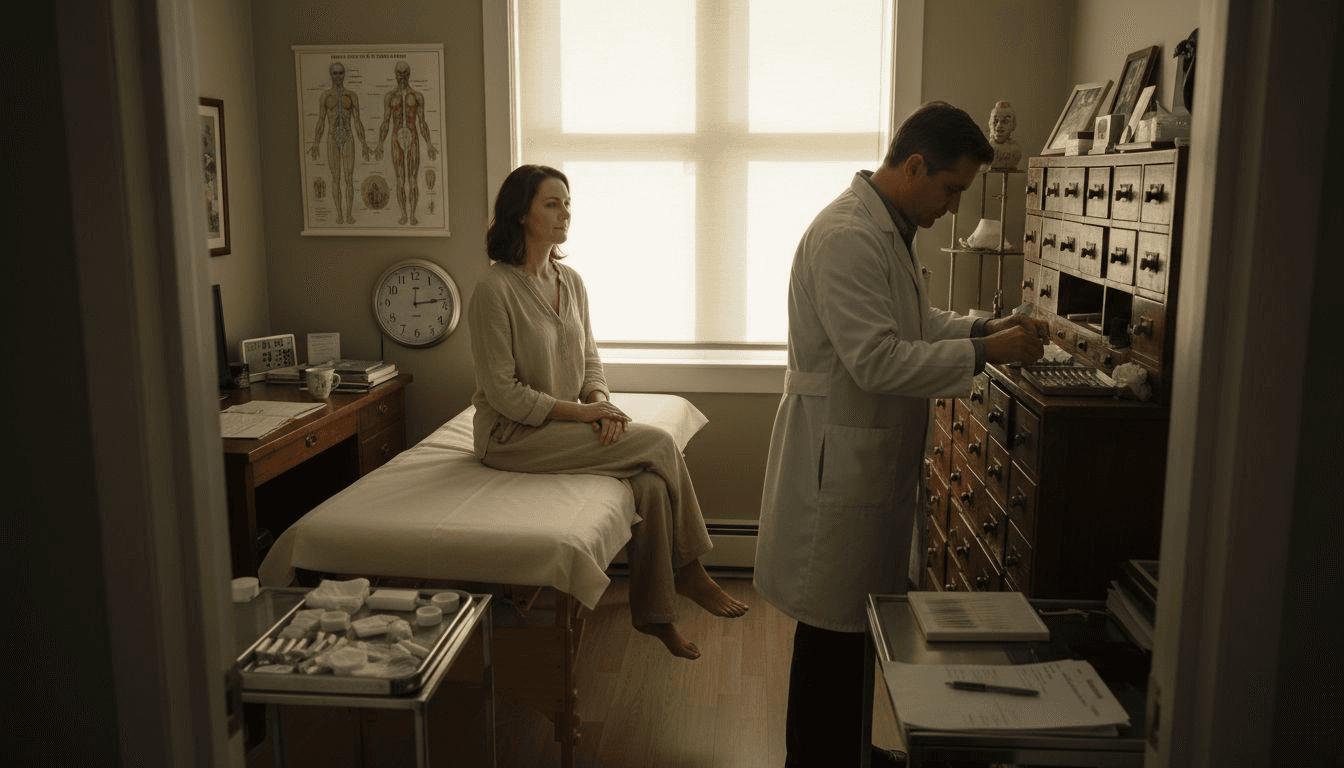
Living with chronic pain can feel relentless, making everyday routines a challenge rather than a comfort. For many North American and European adults seeking more than temporary relief, acupuncture stands out as a time-tested, science-backed therapy. With over 10,000 randomized controlled trials supporting its effects and recognition by the World Health Organization, acupuncture offers holistic healing that addresses more than just surface symptoms. This guide clears up common misconceptions and highlights how acupuncture can support your path to lasting wellness.
Table of Contents
- Acupuncture Defined and Common Misconceptions
- Types of Acupuncture and Distinct Practices
- How Acupuncture Works: Biological and Holistic View
- Evidence-Based Benefits and Real-World Uses
- Safety, Risks, and Choosing a Practitioner
Key Takeaways
| Point | Details |
|---|---|
| Acupuncture Validity | Acupuncture is supported by over 10,000 clinical trials and recognized by the World Health Organization for various health conditions. |
| Common Myths | Acupuncture is not a fad; it is a long-established practice that combines various techniques beyond just needle insertion. |
| Mechanisms of Action | Acupuncture works by stimulating nerves and regulating biological pathways, producing holistic health benefits beyond pain relief. |
| Safety and Practitioner Choice | Safety relies heavily on practitioner qualifications; always verify credentials and ensure proper hygiene practices before treatment. |
Acupuncture Defined and Common Misconceptions
Acupuncture is a therapeutic technique rooted in traditional Chinese medicine, with origins tracing back over 2,000 years. The practice involves inserting ultra-thin needles into specific points on the body called acupoints to stimulate healing and restore balance.
Traditional Chinese medicine explains acupuncture through the concept of qi (pronounced "chee"), described as vital energy flowing through pathways in your body called meridians. Modern science, however, reveals a different mechanism: acupuncture activates peripheral nerves that transmit sensory signals to your brain, which then modulates your body's physiological response to pain and stress.
How Modern Science Validates Acupuncture
The evidence supporting acupuncture has grown substantially. More than 10,000 randomized controlled trials examining acupuncture have been published since 1975, providing robust scientific backing. The World Health Organization recognizes acupuncture's effectiveness for numerous conditions, grounded in peer-reviewed research rather than tradition alone.
Common Misconceptions Debunked
Several myths persist about acupuncture despite its growing acceptance. Here's what the evidence actually shows:
- "It's just a trendy wellness fad" — Acupuncture has been practiced for millennia and is now integrated into mainstream healthcare systems across North America and Europe.
- "Acupuncture is extremely painful" — Modern needles are exceptionally fine, often causing little to no sensation during insertion or treatment.
- "It's only about needles" — Practitioners combine multiple techniques beyond needle insertion, including acupressure and moxibustion (heat therapy).
- "It's placebo or unscientific" — Acupuncture produces measurable biological changes in nerve function and immune response, independent of belief.
- "It only masks symptoms" — Acupuncture's holistic approach targets root causes, not merely surface-level pain relief.
What Makes It Different From Pain Medication
Unlike oral medications that travel through your bloodstream, acupuncture works locally and systemically by engaging your nervous system directly. Your brain receives signals from the needled acupoints and responds by releasing endorphins and reducing inflammatory markers. This biological process explains why acupuncture benefits extend beyond pain, addressing sleep quality, stress, digestion, and hormonal balance.
Acupuncture is backed by over 10,000 rigorous clinical trials and recognized by the World Health Organization—it's evidence-based medicine, not alternative guesswork.
Pro tip: When booking your first acupuncture appointment, ask your practitioner about their credentials, training hours, and experience with your specific condition—this ensures you're working with someone qualified to deliver results.
Types of Acupuncture and Distinct Practices
Acupuncture is not one-size-fits-all. Different styles have evolved across cultures and centuries, each offering unique approaches to healing. Understanding these variations helps you choose the method that best matches your health goals and personal preferences.
Traditional Chinese Medicine Acupuncture
Traditional Chinese Medicine (TCM) acupuncture is the most widely practiced form worldwide. It relies on pulse and tongue analysis to diagnose imbalances in your body's vital energy flow. Practitioners insert needles at specific depths and angles based on meridian theory, then may manipulate needles or add heat to enhance effectiveness.
TCM emphasizes treating the root cause rather than isolated symptoms. Your practitioner views your health holistically, considering emotional stress, dietary habits, and seasonal changes as interconnected factors.
Japanese Acupuncture
Japanese acupuncture takes a gentler approach with shallower needle insertion and lighter manipulation. If you have needle sensitivity or anxiety about treatment, this style feels less invasive. Practitioners often use palpation to locate acupoints with precision rather than relying solely on anatomical measurements.
Many North American and European patients prefer Japanese techniques for chronic pain conditions because the lighter touch reduces tissue trauma while maintaining effectiveness.
Specialized Acupuncture Techniques
Acupuncture encompasses multiple distinct practices beyond needle insertion alone. Here are key variations:
- Auricular acupuncture — Targets specific points on your ear to address addiction, stress, and chronic pain without full-body needle placement.
- Electroacupuncture — Applies gentle electrical stimulation to needles, amplifying nerve activation for conditions like arthritis and muscle tension.
- Korean acupuncture — Uses slightly thicker needles and different point locations based on Korean meridian theory.
- Moxibustion — Combines needles with burning mugwort herb to add warmth and enhance circulation.
How to Know Which Type Suits You
Your choice depends on your health condition, sensitivity level, and treatment philosophy. Someone recovering from sports injury might benefit from electroacupuncture's targeted stimulation, while someone managing addiction recovery could find auricular acupuncture particularly effective.
The best approach? Ask potential practitioners about their specific training, the techniques they use, and why they recommend certain methods for your situation.
Here is a comparison of popular acupuncture styles and their distinguishing features:
| Style | Diagnostic Approach | Needle Technique | Typical Patient Preference |
|---|---|---|---|
| Traditional Chinese | Pulse/tongue analysis | Medium depth, varied angles | Holistic focus, chronic conditions |
| Japanese | Palpation-based, gentle | Shallow, minimal insertion | Sensitive, anxious, pain-related use |
| Korean | Anatomical, unique locations | Thicker needles | Targeted issues, Korean tradition |
| Auricular | Ear mapping | Points on ear only | Addiction, anxiety, quick sessions |
| Electroacupuncture | Standard + electrical pulse | Needles with mild current | Sports injuries, nerve disorders |
| Moxibustion | Heat + acupuncture | Needles + heated mugwort | Circulation issues, cold sensitivity |
Different acupuncture styles share one goal: stimulate healing acupoints—but the path they take varies significantly based on tradition, philosophy, and patient needs.
Pro tip: Start by consulting with a practitioner trained in the style most relevant to your condition—many offer initial consultations to explain their approach before committing to full treatment.
How Acupuncture Works: Biological and Holistic View
Acupuncture works through both Western neurological mechanisms and holistic principles that address your whole body. Understanding both perspectives explains why the treatment produces such broad health benefits beyond simple pain relief.
The Neurological Mechanism
When a needle enters your skin at an acupoint, it triggers a cascade of nerve activity. Acupuncture stimulates reflexes through neurons in specific body regions, activating pathways that travel directly to your brain and central nervous system.

Your brain responds by releasing endorphins and other pain-relieving chemicals. This isn't placebo—it's measurable neurochemistry. Functional MRI studies show distinct brain activation patterns when needles are placed versus when they're not.
How Inflammation Gets Controlled
One of acupuncture's most powerful effects involves your immune system. Needle insertion triggers the vagal-adrenal axis, a direct communication pathway between your nervous system and stress-response hormones. This activation reduces inflammatory markers circulating through your bloodstream.
This mechanism explains why acupuncture helps conditions like arthritis, autoimmune disorders, and even recovery from viral infections. You're not masking inflammation—you're actually instructing your body to dial it down.
The Holistic Integration
Beyond nerve stimulation, acupuncture affects multiple interconnected systems simultaneously. Consider these biological pathways:
- Neurotransmitter modulation — Increases serotonin, dopamine, and GABA for mood and stress relief
- Connective tissue signaling — Fascia around needled areas releases healing compounds
- Immune regulation — Adjusts cytokine production to balance your inflammatory response
- Bioelectric signaling — Influences cellular communication at the tissue level
Why Results Extend Beyond Your Complaint
You may book acupuncture for chronic knee pain, yet discover your sleep improves, stress decreases, and digestion normalizes. This isn't coincidental. Acupuncture modulates multiple physiological mechanisms simultaneously, addressing root causes rather than isolated symptoms.
This integrated approach aligns with how your body actually functions—as an interconnected system, not isolated parts. Your nervous system, immune system, and endocrine system don't work independently; they communicate constantly. Acupuncture leverages these connections to restore balance.
Acupuncture combines measurable neurological effects with systemic healing—it's neither pure biomechanics nor pure tradition, but both working together.
Pro tip: Track changes across multiple health areas during your acupuncture course, not just your primary complaint—you may notice improvements in sleep, energy, or emotional resilience that reveal how deeply the treatment works.
Evidence-Based Benefits and Real-World Uses
Acupuncture has moved from alternative medicine fringe to mainstream clinical acceptance. Major health institutions now recognize its effectiveness for dozens of conditions, backed by rigorous scientific evidence rather than tradition alone.
Pain Management: The Primary Evidence Base
Acupuncture's strongest evidence centers on pain relief across multiple types. Acupuncture effectively treats back, neck, and joint pain, including osteoarthritis and postoperative discomfort. If you've struggled with chronic pain for years, acupuncture offers a non-pharmaceutical alternative with measurable results.
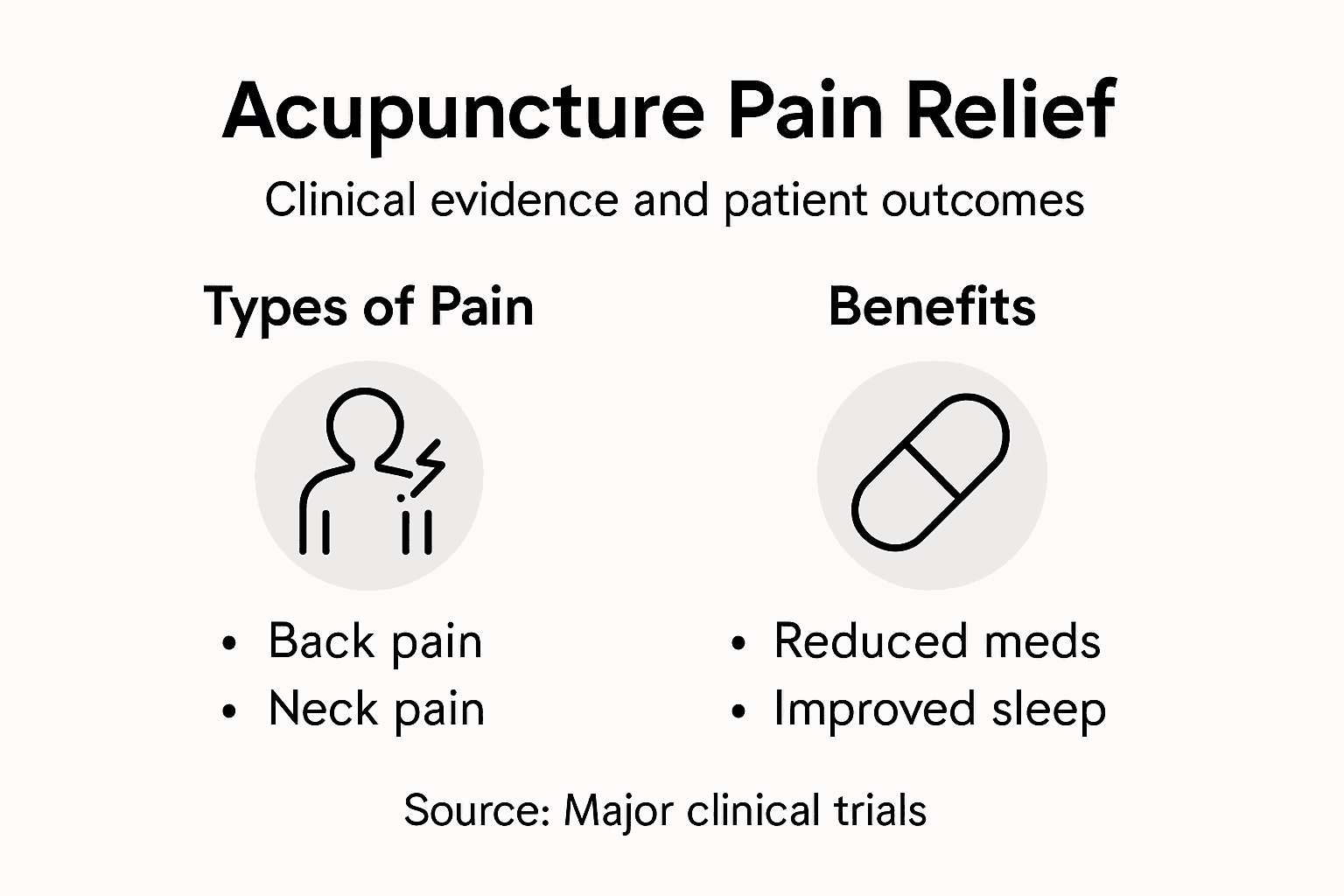
Many North American patients turn to acupuncture specifically to reduce opioid dependence. Rather than masking pain signals, acupuncture addresses underlying inflammation and nervous system sensitization that perpetuates chronic pain cycles.
Conditions With High-Quality Evidence
Comprehensive research reviews have identified conditions where acupuncture demonstrates clear clinical benefit:
- Musculoskeletal disorders — Lower back pain, arthritis, repetitive strain injuries
- Neurological conditions — Migraines, headaches, neuropathy, post-stroke recovery
- Cancer-related symptoms — Chemotherapy nausea, pain, hot flashes
- Cardiovascular issues — Hypertension, palpitations, post-heart attack recovery
- Gastrointestinal problems — Nausea, IBS symptoms, digestive dysfunction
Why Acupuncture Gets Underutilized
Despite strong evidence, acupuncture remains underused in clinical practice worldwide. Insurance coverage varies significantly, and many conventional doctors lack familiarity with acupuncture's mechanisms. This creates a knowledge gap where patients and providers don't connect despite proven efficacy.
GoHolistic bridges this gap by connecting you with verified acupuncture practitioners and providing research-backed guidance on which conditions respond best to treatment.
Real-World Outcomes Beyond Research
Clinical trials measure specific outcomes, but real patients often experience broader improvements. Someone treating knee pain may discover their sleep quality improves, anxiety decreases, and energy levels stabilize. These interconnected benefits reflect acupuncture's whole-body effects that isolated symptom measurement misses.
Integrative medicine programs increasingly incorporate acupuncture alongside conventional care. This combination approach—using acupuncture with physical therapy, medication, or other treatments—produces superior outcomes compared to either alone.
Clinical guidelines now endorse acupuncture for pain management, nausea, migraines, and osteoarthritis—it's evidence-based medicine, not experimental therapy.
Pro tip: Document your baseline symptoms before starting acupuncture treatment, then track changes weekly—this helps you identify which benefits matter most to you and informs whether to continue or adjust your treatment plan.
Safety, Risks, and Choosing a Practitioner
Acupuncture is remarkably safe when performed by qualified practitioners using proper sterile technique. However, like any medical intervention, it carries minimal risks—and your choice of practitioner significantly influences your experience and outcomes.
The Safety Profile
Serious adverse events from acupuncture are rare. Most complications arise from untrained practitioners or inadequate hygiene protocols. When acupuncture causes problems, they're typically minor: bruising, soreness, or temporary dizziness. Serious infections or organ damage occur almost exclusively with practitioners lacking proper training.
The risk level is substantially lower than many conventional treatments, including prescription medications and surgery. This safety record makes acupuncture an attractive option for people seeking effective treatment with minimal downside.
Actual Risks to Know About
While serious complications are uncommon, understanding potential risks helps you make informed decisions:
- Infection — From non-sterile needles or unsanitary facilities
- Pneumothorax — Rare lung collapse from improper needle placement near the chest
- Nerve or blood vessel damage — From needles inserted too deeply or in wrong locations
- Bleeding — If you take blood thinners or have bleeding disorders
- Fainting or dizziness — Vasovagal response in sensitive individuals
- Muscle soreness — Expected mild tenderness lasting hours to days
What WHO Standards Require
Safe acupuncture practice requires standardized hygiene protocols, proper training, and facility standards. The World Health Organization establishes benchmarks covering needle sterilization, practitioner competencies, and infection control measures. Accredited facilities meeting these standards dramatically reduce risk.
When evaluating practitioners, verify they follow WHO guidelines and use sterile, disposable needles exclusively. Any facility reusing needles should be immediately disqualified.
Below is a summary of rigorous safety standards for acupuncture and why practitioner choice matters:
| Safety Aspect | WHO Standard Requirement | Why It Matters |
|---|---|---|
| Needle Sterility | Single-use, disposable needles only | Prevents infections and complications |
| Practitioner Training | Minimum 1,500 supervised hours | Ensures skilled and safe procedures |
| Facility Hygiene | Clean treatment rooms, infection control | Reduces all patient safety risks |
| Licensing & Credentials | Verified with national/state authority | Confirms professional accountability |
Red Flags When Choosing a Practitioner
Protect yourself by avoiding practitioners who:
- Cannot provide credentials or licensing verification
- Use non-sterile or reused needles
- Make unrealistic health promises ("acupuncture cures cancer")
- Practice in unsanitary environments
- Lack liability insurance or professional affiliations
- Discourage communication with your primary care doctor
- Pressure you into expensive treatment packages
How to Vet Your Practitioner
Before booking your first appointment, confirm these essentials:
1. Verify state licensure and credentials through your state's health board.
2. Ask about training hours—minimum 1,500 hours is standard for licensed acupuncturists.
3. Inquire about their specific experience with your condition.
4. Confirm they use sterile, single-use needles exclusively.
5. Check if they're affiliated with professional organizations like the National Certification Commission for Acupuncture and Oriental Medicine.
GoHolistic simplifies this vetting process by verifying credentials and displaying only certified, qualified practitioners in your area.
Safety in acupuncture depends entirely on practitioner training and facility standards—verify credentials before your first appointment.
Pro tip: Call potential practitioners and ask specific questions about their sterilization protocols, training hours, and experience with your condition before booking—their responsiveness and thoroughness reveal their professionalism.
Discover Evidence-Based Acupuncture Solutions for Your Wellness Journey
If you are seeking safe and effective alternatives to manage chronic pain, inflammation, or stress but feel overwhelmed by misconceptions or unsure about how to find qualified practitioners, you are not alone. This article highlights how acupuncture works through measurable neurological and immune pathways while emphasizing the importance of selecting accredited providers following stringent safety protocols.
Connect with certified acupuncture experts on Go Holistic and explore personalized, evidence-based treatment plans tailored to your unique health needs. Our AI-driven platform helps you find verified practitioners who meet rigorous standards and support your holistic wellness goals. Take the first step today by visiting Go Holistic to unlock access to trusted acupuncture care and begin your journey toward balanced health and lasting relief.
Frequently Asked Questions
What is acupuncture and how does it work?
Acupuncture is a therapeutic technique from traditional Chinese medicine that involves inserting ultra-thin needles into specific points on the body to stimulate healing. It activates peripheral nerves, which sends signals to the brain, modulating the body's physiological response to pain and stress.
Is acupuncture safe for everyone?
Acupuncture is generally safe when performed by a qualified practitioner using sterile techniques. Most complications are minor, such as bruising or soreness. However, individuals with bleeding disorders or those on blood thinners should consult their healthcare provider before undergoing treatment.
What conditions can acupuncture help treat?
Acupuncture is effective for various conditions, particularly musculoskeletal disorders like back and neck pain, headaches, arthritis, and even cancer-related symptoms like chemotherapy nausea. It can also improve stress levels, sleep quality, and digestion.
How does acupuncture differ from pain medication?
Unlike pain medications that work systemically, acupuncture engages the body's nervous system directly through localized treatment. It stimulates the release of endorphins and reduces inflammatory markers, providing a holistic approach to pain management and overall health improvement.
Recommended
- Holistic Health Treatments | goholistic
- Health & Wellness Blog | GoHolistic
- Go Holistic - Your Path to Holistic Wellness | Alternative Medicine Platform
- Research Hub - Coming Soon | Go Holistic
- Our Research and development - TMRG Solutions
- Role of Aural Care Specialist – Impact on Safe Ear Health
- Cost-Effectiveness in Fertility Treatments Today