

Navigating the landscape of holistic health can feel overwhelming when you encounter contradictory claims and unverified promises about natural therapies. Research serves as your compass, cutting through confusion to reveal which treatments actually work and why. This guide equips you with the tools to evaluate scientific evidence, distinguish credible studies from weak claims, and confidently integrate proven holistic practices into your wellness journey for managing chronic health conditions.
Table of Contents
- Understanding research in holistic health
- Scientific validation of holistic therapies
- Common misconceptions about research in holistic health
- Assessing and integrating research into holistic health practice
- Case studies demonstrating research-driven holistic health success
- Bridging research with personalized holistic wellness
- Explore holistic health solutions tailored for you
- Frequently asked questions
Key takeaways
| Point | Details |
|---|---|
| Research validates holistic therapies | Scientific studies rigorously test safety, effectiveness, and biological mechanisms of natural treatments for chronic conditions. |
| Critical appraisal skills matter | Not all studies are equal; evaluating design, sample size, and bias helps you identify high-quality evidence. |
| Integration requires personalization | Evidence-based frameworks guide safe combination of therapies matched to individual health profiles and needs. |
| Real outcomes demonstrate value | Case studies show measurable improvements when research-guided holistic approaches address chronic health issues. |
| Professional guidance enhances safety | Certified practitioners help navigate herb-drug interactions and customize evidence-backed treatment plans. |
Understanding research in holistic health
Holistic health research encompasses multidisciplinary scientific studies examining natural, integrative, and complementary therapies. These investigations range from analyzing herbal compounds in laboratory settings to conducting large-scale clinical trials testing acupuncture's effectiveness for chronic pain. The goal is to systematically evaluate whether traditional and alternative practices deliver measurable health benefits.
Anecdotal evidence, like a friend's success story with essential oils, differs fundamentally from rigorous scientific methods. Randomized controlled trials assign participants randomly to treatment or control groups, eliminating bias and allowing researchers to attribute outcomes specifically to the intervention. This controlled approach reveals whether a therapy produces consistent, replicable results across diverse populations.
Research is essential because it confirms safety profiles, identifies optimal dosing protocols, and reveals biological mechanisms explaining how natural therapies work. Without this foundation, you're relying on guesswork rather than verified knowledge. Studies also uncover potential risks, such as herb-drug interactions that could cause serious harm if overlooked.
Challenges in holistic research include the inherent complexity of natural therapies. A single herbal formula may contain dozens of bioactive compounds, making it difficult to isolate which components drive therapeutic effects. Variability in preparation methods, dosing, and individual responses adds layers of complexity. Additionally, funding for alternative medicine research often lags behind conventional pharmaceutical studies, limiting the scope and scale of available evidence.
Key research methodologies include:
- Randomized controlled trials testing specific interventions against placebos or standard treatments
- Systematic reviews and meta-analyses pooling data from multiple studies to identify patterns
- Observational studies tracking health outcomes in populations using holistic therapies
- Laboratory research examining molecular mechanisms and bioactive compound properties
- Case studies documenting detailed individual treatment responses and long-term outcomes
Scientific validation of holistic therapies
Several holistic therapies have accumulated substantial research support demonstrating real clinical benefits. Acupuncture, holistic health treatments like herbal medicine, massage therapy, and mind-body practices such as Tai Chi stand out for their evidence base addressing chronic conditions.
Acupuncture activates endogenous opioid pathways in the brain, releasing natural pain-relieving compounds. Neuroimaging studies show needle insertion at specific points triggers measurable changes in brain regions processing pain signals. This mechanism explains why acupuncture demonstrates effectiveness for chronic low back pain, migraines, and osteoarthritis in rigorous trials.

Herbal medicine research using randomized controlled trials has identified bioactive compounds with anti-inflammatory and antioxidant properties relevant for chronic inflammatory conditions. Curcumin from turmeric, for example, inhibits specific inflammatory pathways at the molecular level. Polyphenols in green tea modulate cellular stress responses. These phytochemicals work through defined biological mechanisms, not mystical energy.
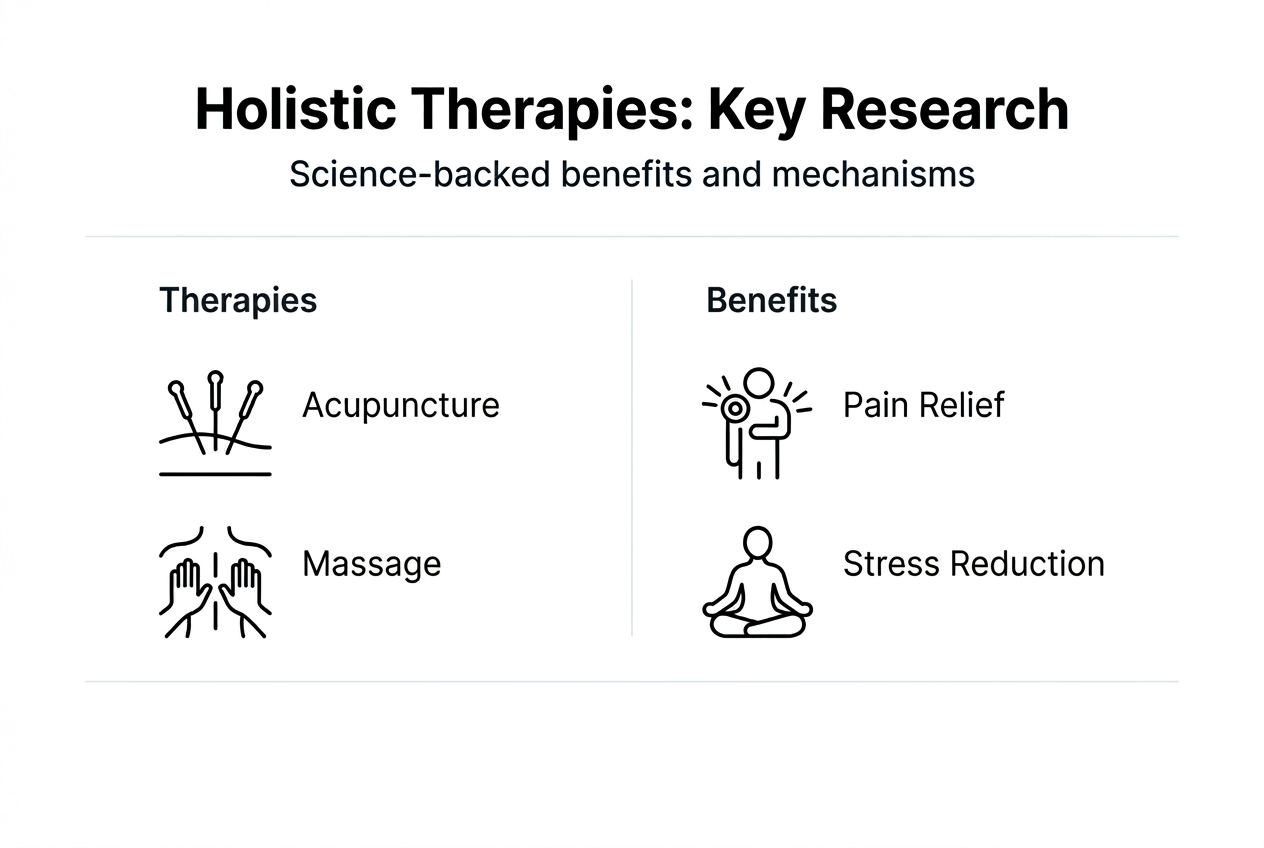
Massage therapy reduces anxiety by 34% and cortisol levels by 31%, revealing its stress-relieving neuroendocrine mechanism. Gentle pressure stimulates parasympathetic nervous system activation, shifting the body from fight-or-flight to rest-and-digest mode. This physiological shift improves sleep quality, reduces muscle tension, and supports immune function.
Mind-body interventions like Tai Chi show statistically significant improvements in balance, pain, and quality of life in elderly populations with chronic illnesses. Regular practice induces neuroplastic changes, strengthening neural connections supporting coordination and emotional regulation. Meditation similarly alters brain structure in regions governing attention and emotional processing.
| Therapy | Mechanism | Key Benefits | Safety Profile |
|---|---|---|---|
| Acupuncture | Opioid pathway activation | Pain reduction, inflammation control | Minimal side effects with trained practitioners |
| Herbal Medicine | Bioactive phytochemicals | Anti-inflammatory, antioxidant effects | Potential drug interactions require monitoring |
| Massage Therapy | Neuroendocrine modulation | Stress reduction, muscle relaxation | Safe with proper technique and health screening |
| Tai Chi/Meditation | Neuroplastic changes | Balance, mood, cognitive function | Universally safe, adaptable to ability levels |
Qualified holistic health practitioners understand these mechanisms and can explain how therapies address your specific condition. They review current research to inform treatment recommendations and adjust protocols based on emerging evidence.
Pro Tip: Combining complementary therapies shown to have synergistic effects can optimize results. For instance, pairing acupuncture's pain relief with meditation's stress reduction addresses both physical and psychological dimensions of chronic pain.
Reputable holistic health providers stay current with research developments, integrating new findings into practice protocols. This commitment to evidence-based care distinguishes qualified practitioners from those relying solely on tradition or anecdote.
Common misconceptions about research in holistic health
The myth that natural automatically means safe persists despite clear evidence to the contrary. Some herbal supplements interact negatively with pharmaceuticals, causing adverse effects ranging from reduced medication effectiveness to dangerous bleeding or liver damage. St. John's wort, widely used for depression, interferes with numerous prescription drugs including birth control pills and blood thinners.
Another misconception suggests all holistic health research is unreliable or poorly conducted. In reality, many high-quality randomized controlled trials, systematic reviews, and meta-analyses examine alternative therapies. Top-tier medical journals regularly publish rigorous studies on acupuncture, meditation, and herbal treatments. The challenge lies in distinguishing strong research from weak studies, not dismissing the entire field.
Critically evaluating study design, potential bias, and sample size determines validity and applicability. A study with 20 participants provides preliminary insights but cannot match the reliability of a trial enrolling 500 people across multiple sites. Similarly, research funded by supplement manufacturers may harbor conflicts of interest affecting objectivity.
Key quality indicators include:
- Randomization and blinding to minimize bias
- Adequate sample size for statistical power
- Clear outcome measures and standardized assessment tools
- Transparent reporting of conflicts of interest and funding sources
- Replication by independent research teams
Pro Tip: Use trusted sources like PubMed, Cochrane Database of Systematic Reviews, and reputable health organizations to verify safety and evidence strength. Consult healthcare professionals familiar with both conventional and holistic approaches for personalized guidance.
Some believe holistic therapies work purely through placebo effects. While placebo responses exist in all medical treatments, well-designed studies control for this factor by comparing active interventions against sham procedures or inactive pills. When acupuncture outperforms sham acupuncture in blinded trials, specific therapeutic effects beyond placebo become evident.
The assumption that holistic therapies lack standardization also deserves scrutiny. Many natural treatments follow rigorous preparation protocols, dosing guidelines, and quality control standards. Herbal pharmacopoeias specify exact plant species, harvest timing, and extraction methods. Acupuncture point locations are precisely mapped according to anatomical landmarks.
Assessing and integrating research into holistic health practice
Not all research carries equal weight. Study design, sample size, control methods, and outcome measures significantly impact reliability and applicability to your situation. A five-step framework guides effective research assessment and integration into your wellness routine.
First, identify relevant therapies addressing your specific health concerns. Search scientific databases using precise terms like "curcumin rheumatoid arthritis" rather than vague phrases. Focus on conditions matching your diagnosis and symptoms.
Second, review rigorous studies prioritizing randomized controlled trials, systematic reviews, and meta-analyses. These methodologies provide the strongest evidence hierarchy. Single case reports or observational studies offer weaker support but may suggest promising directions.
Third, critically appraise quality using structured criteria. Research quality varies extensively in holistic health studies, with many small-sample or non-randomized trials reducing generalizability and increasing bias. Consumer critical appraisal skills separate meaningful findings from noise.
| Quality Criterion | What to Look For | Red Flags |
|---|---|---|
| Randomization | Clear description of allocation methods | No control group or historical comparisons |
| Blinding | Participants and assessors unaware of treatment assignment | Open-label design where everyone knows the intervention |
| Sample Size | Hundreds of participants across multiple sites | Fewer than 30 participants total |
| Outcome Measures | Validated assessment tools, objective metrics | Subjective self-reports without standardization |
| Bias Risk | Independent funding, transparent conflicts of interest | Industry-sponsored with undisclosed financial ties |
Fourth, consult qualified practitioners who integrate evidence into clinical decision-making. Evidence-based holistic health evaluations include verifying practitioner credentials, reviewing scientific literature on recommended therapies, and using patient outcome data to guide personalized plans. These professionals interpret research within the context of your unique health profile.
Fifth, monitor outcomes regularly using objective measures. Track symptoms, functional capacity, and quality of life indicators. Adjust protocols as new research emerges or personal responses indicate need for modification.
Pro Tip: Keep a research journal documenting findings, practitioner recommendations, and personal responses. This record enables informed adjustments and facilitates productive discussions with your care team.
The holistic wellness platform connects you with evidence-based resources and practitioners committed to research-informed care. Their treatment library synthesizes current scientific understanding across 200+ therapy types, while the provider directory features certified professionals who prioritize safety and effectiveness.
Staying informed through the health and wellness blog helps you track emerging research developments and understand how new findings might impact your treatment choices.
Case studies demonstrating research-driven holistic health success
A case study on chronic low back pain demonstrated that a research-guided combination of yoga, acupuncture, and nutritional supplementation led to sustained symptom improvement over 12 months. The patient, a 52-year-old woman with 8 years of persistent pain, experienced 40% reduction in pain intensity scores and significantly improved mobility.
The integrated approach yielded better outcomes than single modality treatments she had previously tried. Yoga addressed muscle imbalances and flexibility limitations. Acupuncture targeted pain pathways and inflammation. Omega-3 supplementation and curcumin provided anti-inflammatory support at the cellular level. Each component was selected based on specific research evidence for chronic low back pain.
Multi-factorial improvements extended beyond pain scores. The patient reported enhanced sleep quality, reduced medication dependence, and better emotional wellbeing. Functional capacity increased, allowing return to recreational activities she had abandoned. These comprehensive benefits illustrate how research-guided holistic approaches address interconnected dimensions of chronic health conditions.
Other documented research-driven successes include:
- Type 2 diabetes management combining dietary modifications, stress reduction meditation, and herbal support achieving improved glycemic control
- Autoimmune arthritis patients using targeted anti-inflammatory herbs with mind-body practices reducing disease activity markers
- Chronic fatigue syndrome improvement through graded exercise therapy, adaptogenic herbs, and sleep hygiene protocols
- Anxiety disorder treatment with specific amino acid supplementation, acupuncture, and cognitive behavioral approaches
- Inflammatory bowel disease symptom control using probiotics, curcumin, and stress management techniques
The holistic health research hub provides access to summaries of key studies supporting these applications, helping you understand the evidence foundation for various therapeutic approaches.
Success depends on matching specific interventions to individual presentations rather than applying generic protocols. Research identifies which therapies work for particular conditions, but personalization ensures optimal fit with your unique biochemistry, preferences, and circumstances.
Bridging research with personalized holistic wellness
Verifying practitioner credentials and research alignment ensures you receive safe, evidence-based care. Look for professionals holding recognized certifications in their specialty areas who demonstrate familiarity with current scientific literature. Holistic health providers committed to research-informed practice regularly update their knowledge and adjust protocols based on new findings.
Customizing therapies requires matching research evidence with individual health profiles and preferences. A treatment showing average effectiveness in trials may work exceptionally well or poorly for you depending on genetic factors, concurrent conditions, and lifestyle variables. Personalization accounts for these individual differences.
Using research-backed guidelines helps avoid contraindications and manage potential interactions. Know which herbs interact with your medications, which therapies might exacerbate existing conditions, and which combinations pose risks. This knowledge protects you from preventable harm while maximizing therapeutic benefit.
Monitoring outcomes and adapting plans as new research emerges or personal responses shift ensures continued relevance and effectiveness. What works initially may need adjustment over time. Regular reassessment catches problems early and capitalizes on new evidence.
Key personalization strategies include:
- Genetic testing to identify herb metabolism variations affecting dosing and selection
- Detailed health history review revealing contraindications and relevant risk factors
- Preference assessment ensuring chosen therapies align with your values and lifestyle
- Gradual introduction of new interventions allowing clear attribution of effects
- Systematic outcome tracking using validated assessment tools and biomarkers
Pro Tip: Engage in open dialogue with providers about latest research and personalize therapy goals collaboratively. Your insights about responses and preferences combined with their clinical expertise and research knowledge creates optimal treatment plans.
Holistic wellness practitioners facilitate this collaborative process, translating complex research into actionable recommendations tailored to your situation. They serve as guides helping you navigate evidence, weigh options, and implement safe, effective protocols.
Personalized integration respects both scientific evidence and individual uniqueness. Research provides the foundation, but your specific circumstances determine the blueprint for your wellness journey.
Explore holistic health solutions tailored for you
Transforming research knowledge into real health improvements requires connecting with qualified professionals and evidence-backed resources. GoHolistic offers access to certified providers who prioritize scientific validation while honoring holistic principles. The platform's treatment library synthesizes current research across diverse natural therapies, helping you understand which approaches suit your needs.
Explore holistic health treatments supported by rigorous scientific evidence and clinical experience. The comprehensive database covers over 200 therapy types with research summaries explaining mechanisms, benefits, and safety considerations. Find holistic health providers in your area who combine traditional wisdom with modern research insights. Connect with holistic wellness practitioners committed to personalized, evidence-based care that addresses your unique health challenges.
Frequently asked questions
What is the role of research in holistic health?
Research validates the safety and efficacy of holistic therapies through rigorous scientific testing and clinical trials. It helps integrate natural treatments with conventional healthcare by identifying mechanisms, optimal protocols, and potential interactions. Critical appraisal of studies ensures practitioners and patients rely on high-quality evidence rather than unverified claims.
How can I tell if a holistic therapy is backed by good research?
Look for randomized controlled trials, large sample sizes, and systematic reviews or meta-analyses pooling multiple studies. Check whether findings appear in peer-reviewed journals and assess potential bias from funding sources or study design flaws. Consulting trusted medical databases and qualified practitioners helps verify evidence strength and applicability to your situation.
Are natural therapies always safe to use with other medicines?
Natural does not automatically mean safe, as herb-drug interactions can reduce medication effectiveness or cause serious adverse effects. Research-based guidance identifies which combinations pose risks and which work synergistically. Always disclose all treatments to healthcare providers and monitor responses carefully when combining conventional and holistic approaches.
How do I integrate research findings into my personal wellness routine?
Identify therapies with strong evidence addressing your specific health concerns through scientific database searches. Critically assess study quality focusing on design rigor, sample size, and bias risk. Consult qualified practitioners who interpret research within your unique health context and monitor outcomes regularly using objective measures to guide ongoing adjustments.
Recommended
- Holistic Health Treatments | goholistic
- Find Holistic Health Practitioners Near You | GoHolistic
- Go Holistic - Your Path to Holistic Wellness | Alternative Medicine Platform
- Find Holistic Health Providers | Go Holistic
- Why Holistic Recovery Matters for Addiction Treatment | Glendora Recovery Center
- What Is Integrative Health? 30% Better Outcomes Explained | Meelio Blog