

Chronic pain can leave even the most health-conscious American feeling overwhelmed by daily discomfort and uncertainty. Finding lasting relief means going beyond quick fixes and exploring what truly shapes your well-being. By taking a structured approach that includes a comprehensive wellness assessment and evaluating practitioner credentials from respected boards like the International Practitioners of Holistic Medicine, you can pinpoint the best certified holistic professionals and build a personalized plan for better health.
Table of Contents
- Step 1: Identify your specific wellness needs
- Step 2: Research certified holistic practitioners
- Step 3: Evaluate credentials and safety measures
- Step 4: Read reviews and compare experiences
- Step 5: Book a consultation for personalized fit
Quick Summary
| Key Insight | Explanation |
|---|---|
| 1. Identify your wellness needs | Conduct a thorough self-assessment of your physical, mental, and emotional health to clarify your health priorities. |
| 2. Research certified practitioners | Look for qualified holistic practitioners by verifying their certifications and professional backgrounds to ensure ethical standards. |
| 3. Evaluate credentials and safety | Thoroughly assess a practitioner's credentials and safety measures to ensure trust and professionalism in your healthcare. |
| 4. Read reviews and compare experiences | Analyze patient reviews to gain insights into a practitioner's communication style, treatment effectiveness, and overall care quality. |
| 5. Book a consultation | Schedule an initial consultation to verify that the practitioner's approach aligns with your wellness goals and to establish a supportive relationship. |
Step 1: Identify your specific wellness needs
Understanding your individual wellness requirements is the crucial first step toward finding the right holistic practitioner. This process involves conducting an honest and comprehensive self-assessment of your physical, mental, and emotional health landscape.
To effectively identify your wellness needs, start by creating a detailed personal health inventory. Wellness assessment strategies recommend examining multiple dimensions of your well-being, including:
- Physical symptoms or chronic conditions
- Energy levels and sleep patterns
- Stress management capabilities
- Emotional resilience
- Nutritional and dietary considerations
- Exercise and movement preferences
Holistic practitioners view health as an interconnected system, understanding that wellness extends beyond merely treating isolated symptoms. By holistically examining health patterns, you can uncover underlying factors contributing to your overall well-being.
Consider documenting your health history, current challenges, and wellness goals in a structured manner. This comprehensive approach will help potential practitioners understand your unique health context and develop personalized treatment strategies.
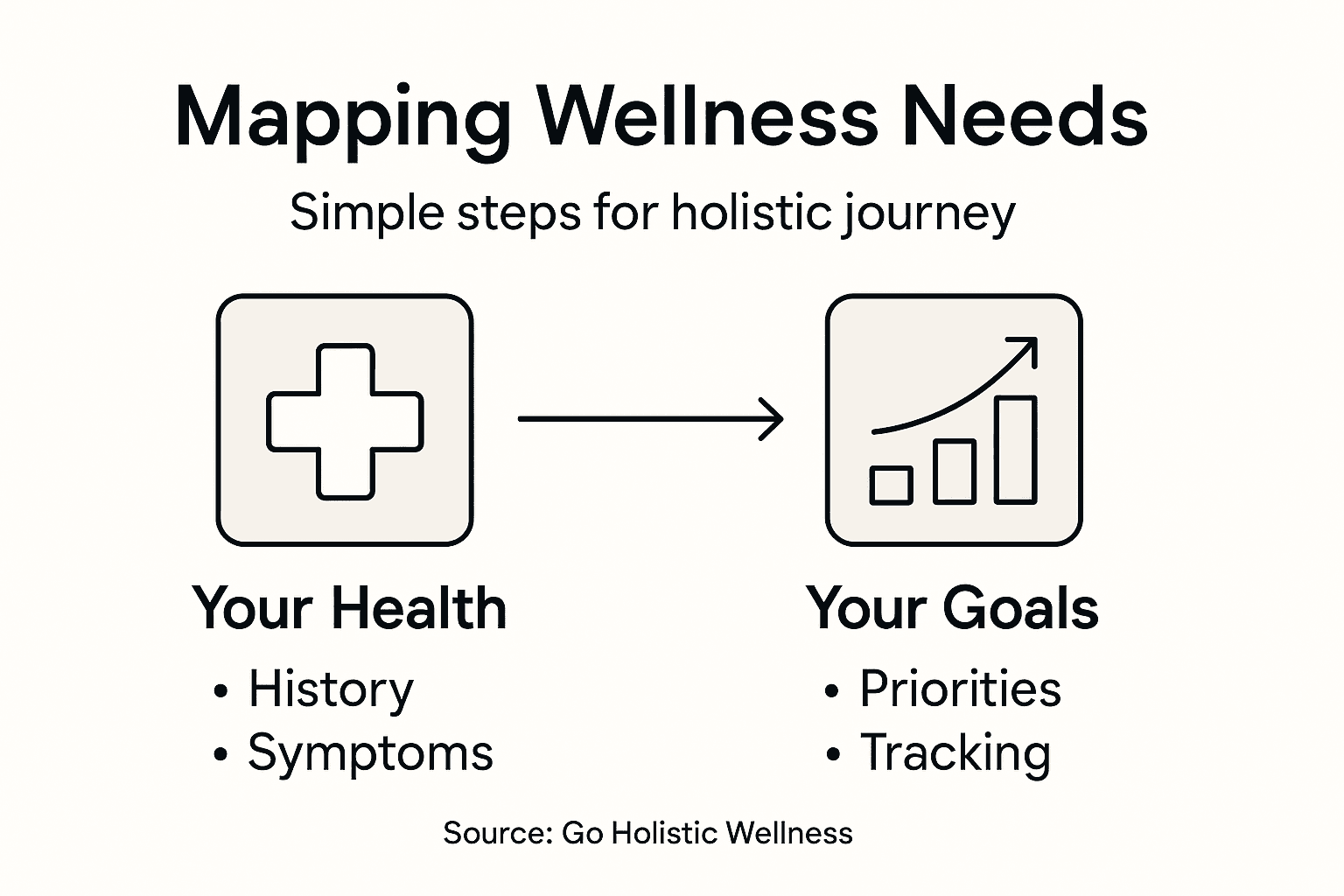
Pro tip: Create a digital or physical wellness journal to track your symptoms, lifestyle factors, and health goals systematically, providing a clear roadmap for your holistic health journey.
Step 2: Research certified holistic practitioners
Researching certified holistic practitioners requires a systematic and thorough approach to ensure you find a qualified professional who meets your specific wellness needs. This step is crucial in identifying practitioners who have demonstrated professional competence and ethical standards.
Begin by exploring accreditation standards for holistic practitioners, focusing on recognized certification bodies that validate professional credentials. Key aspects to investigate include:
- Professional certifications from reputable organizations
- Educational background and specialized training
- Years of practical experience
- Professional memberships and affiliations
- Specific areas of holistic health expertise
Verification of professional credentials is essential in selecting a trustworthy holistic practitioner.
Look for practitioners who have earned credentials from recognized international boards like the International Practitioners of Holistic Medicine (IPHM). Rigorous certification standards ensure that practitioners have undergone comprehensive training and adhere to strict professional guidelines.
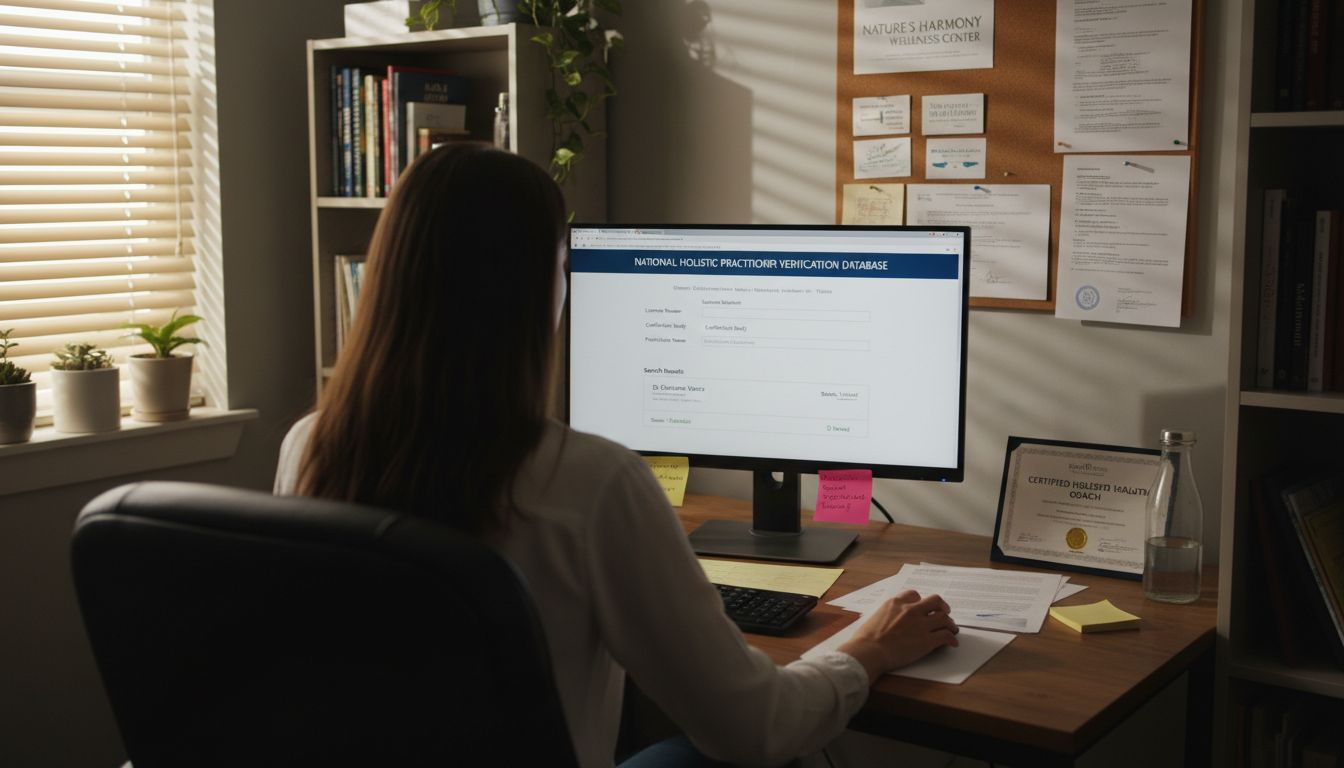
Utilize online directories, professional networks, and verified practitioner platforms to cross-reference credentials and read patient testimonials. Pay attention to practitioners who demonstrate a holistic approach that aligns with your identified wellness goals and personal health philosophy.
Pro tip: Cross-reference a practitioner's credentials across multiple professional databases and request documentation of their certifications to ensure complete transparency and legitimacy.
Step 3: Evaluate credentials and safety measures
Evaluating a holistic practitioner's credentials and safety protocols is a critical step in ensuring you receive high-quality, responsible healthcare. This comprehensive assessment goes beyond simply checking a diploma or certification and requires a thorough investigation of professional standards and ethical practices.
Credentialing requirements vary significantly across different regions and healthcare disciplines. Key aspects to examine include:
- State or national licensing status
- Professional certification from recognized bodies
- Continuing education credits
- Specialized training in specific holistic modalities
- Malpractice insurance coverage
- Adherence to professional codes of ethics
Safety and professional competence are paramount when selecting a holistic healthcare provider.
Examine the practitioner's professional background thoroughly. Accreditation standards from international organizations like ICAHP provide robust frameworks for evaluating practitioner qualifications. Look for evidence of comprehensive education, demonstrable professional experience, and a clear commitment to patient safety and informed consent.
Request and independently verify all professional credentials. Contact licensing boards, check online verification systems, and don't hesitate to ask direct questions about the practitioner's training, experience, and approach to patient care.
Pro tip: Request and personally verify all professional credentials, including cross-referencing certifications with multiple professional databases to ensure complete transparency and legitimacy.
Below is a comparison of common holistic practitioner credentials and what they indicate:
| Credential Type | What It Demonstrates | Typical Verifying Body |
|---|---|---|
| Board Certification | Advanced, specialized training | IPHM, national boards |
| State License | Legal authority to practice | State licensing boards |
| Continuing Education | Ongoing professional development | Accredited training organizations |
| Malpractice Insurance | Commitment to patient safety | Insurance providers or agencies |
Step 4: Read reviews and compare experiences
Reading patient reviews and comparing personal experiences provides critical insights into a holistic practitioner's approach, effectiveness, and patient care quality. This step helps you understand how different practitioners translate their professional credentials into actual patient outcomes.
Patient experiences reveal critical care dimensions that go beyond formal credentials. When reviewing feedback, focus on these key aspects:
- Patient communication and empathy
- Treatment approach and personalization
- Accessibility and responsiveness
- Demonstrated understanding of holistic health principles
- Long-term treatment effectiveness
- Patient comfort and trust
Authentic patient experiences offer the most transparent window into a practitioner's true professional capabilities.
Consider multiple review platforms to develop a comprehensive perspective. Look beyond star ratings and dig into detailed narratives that describe the patient's complete journey. Pay special attention to reviews that discuss the practitioner's ability to address complex health concerns, demonstrate compassion, and provide individualized treatment plans.
Cross-reference reviews across different platforms, including professional networks, health forums, and specialized holistic wellness directories. Be cautious of potentially biased or fabricated reviews, and seek out balanced, nuanced feedback that provides genuine insight into the practitioner's approach.
Pro tip: Create a comparison spreadsheet to systematically track and evaluate different practitioners' reviews, allowing for a more objective and comprehensive assessment of their patient care quality.
Step 5: Book a consultation for personalized fit
Booking a consultation is your opportunity to establish a meaningful connection with a potential holistic practitioner and determine whether their approach aligns with your wellness goals. This critical step transforms your research into a tangible pathway toward personalized healthcare.
Holistic consultation strategies emphasize a comprehensive approach to understanding your unique health needs. When scheduling your initial consultation, prepare by considering these essential elements:
- Initial consultation duration and pricing
- Practitioner's availability and scheduling flexibility
- Telehealth or in-person consultation options
- Required medical documentation or health history forms
- Insurance coverage or payment plans
- Follow-up consultation possibilities
A well-prepared consultation lays the foundation for a successful holistic wellness journey.
Prepare a detailed health background summary before your consultation. Compile relevant medical records, current symptoms, past treatments, and specific wellness objectives. This preparation demonstrates your commitment and helps the practitioner develop a more targeted, personalized approach to your health.
During the initial consultation, ask targeted questions about the practitioner's treatment philosophy, experience with your specific health concerns, and expected outcomes. Pay attention to their communication style, level of empathy, and willingness to create a collaborative treatment plan that respects your individual wellness goals.
Pro tip: Create a comprehensive health portfolio with medical records, symptom journals, and wellness goals to maximize the effectiveness of your initial holistic consultation.
Here's a summary of how each step in the process supports your holistic practitioner search:
| Step Number | Main Focus | Practical Outcome |
|---|---|---|
| Step 1 | Self-assess wellness needs | Clarifies personal health priorities |
| Step 2 | Research certified practitioners | Identifies qualified candidates |
| Step 3 | Check credentials & safety | Ensures trust and professionalism |
| Step 4 | Compare patient experiences | Reveals care quality and style |
| Step 5 | Book a consultation | Confirms personalized practitioner fit |
Find Your Trusted Holistic Practitioner With Confidence
Choosing the right holistic practitioner can feel overwhelming when you want to ensure safety, personalized care, and true wellness success. The challenges of verifying credentials, understanding holistic philosophies, and reading real patient experiences are key pain points when starting a holistic health journey. At Go Holistic, we understand your need for transparency and expert guidance as you navigate making informed decisions based on clear evidence and verified practitioner profiles.
Discover a stress-free path to wellness by exploring our curated directory of certified practitioners across acupuncture, Ayurveda, massage therapy, and more. Our AI-powered platform analyzes your unique health concerns and links you to recommendations grounded in research-backed treatment options. You can easily browse licenses, certifications, patient reviews, and book consultations directly with the right fit for your needs.
Unlock a personalized wellness journey now by visiting Go Holistic. Explore our extensive treatment library to understand natural solutions and confidently connect to trusted practitioners ready to support your holistic health goals. Take control of your well-being today with expert insights and transparent guidance at your fingertips.
Frequently Asked Questions
How do I identify my specific wellness needs before choosing a holistic practitioner?
Understanding your wellness needs involves conducting a self-assessment of your physical, mental, and emotional health. Start by creating a detailed personal health inventory to clarify your priorities, such as chronic conditions, energy levels, and stress management capabilities.
What should I look for when researching certified holistic practitioners?
When researching holistic practitioners, focus on their professional certifications, educational background, and areas of expertise. Make sure to verify their credentials through recognized certification bodies to ensure they meet professional standards.
How can I evaluate the credentials and safety measures of a holistic practitioner?
Evaluate a practitioner's credentials by checking their state or national licensing status, professional certifications, and adherence to ethical standards. Request documentation of their training and experience to ensure they prioritize patient safety and informed consent.
What aspects should I consider when reading reviews about holistic practitioners?
When reading reviews, pay attention to the practitioner's communication style, empathy, and effectiveness of treatment. Look for detailed patient experiences that provide insights into their holistic approach and the personalization of care.
How can I prepare for an initial consultation with a holistic practitioner?
Prepare for your initial consultation by compiling a detailed health background summary, including medical records and specific wellness goals. This preparation helps the practitioner understand your unique health context and tailor their approach accordingly.
What steps can I take to ensure a good fit with a holistic practitioner during a consultation?
Ask targeted questions about the practitioner's treatment philosophy and their experience with your specific health concerns during the consultation. Pay attention to their willingness to collaborate on a personalized treatment plan that respects your wellness goals.