

You're skilled at what you do, yet new clients aren't coming through the door consistently. Many holistic practitioners face this exact challenge, not because of their expertise, but due to unclear marketing strategies. A focused marketing plan designed specifically for holistic health can transform your visibility, build trust with ideal clients, and create sustainable growth. This guide walks you through proven steps including SEO optimization, content creation, niche definition, local outreach, and patient engagement strategies that work in 2026.
Table of Contents
- Understanding the problem and preparing your marketing foundation
- Executing your holistic practitioner marketing plan step-by-step
- Avoiding common pitfalls and optimizing for long-term growth
- How Go Holistic supports your marketing and client growth
Key takeaways
| Point | Details |
|---|---|
| SEO and web design drive visibility | Patient-first website optimization increases client inquiries and revenue significantly. |
| Niche definition attracts qualified clients | Specializing helps you stand out and connect with patients seeking your specific expertise. |
| Content marketing builds authority | Consistent, educational content improves SEO rankings and establishes long-term trust with your audience. |
| Reviews and relationships boost referrals | Managing online reviews and networking with professionals enhances credibility and client acquisition. |
| Social media expands reach | Authentic engagement on platforms your ideal clients use grows your practice organically. |
Understanding the problem and preparing your marketing foundation
Most holistic practitioners struggle with visibility because they market too broadly or maintain weak online presences. You might be an exceptional acupuncturist or massage therapist, but if potential clients can't find you online or understand what makes you different, they'll book with competitors instead. The problem isn't your skills. It's the lack of a targeted strategy that speaks directly to the people who need your specific approach to healing.
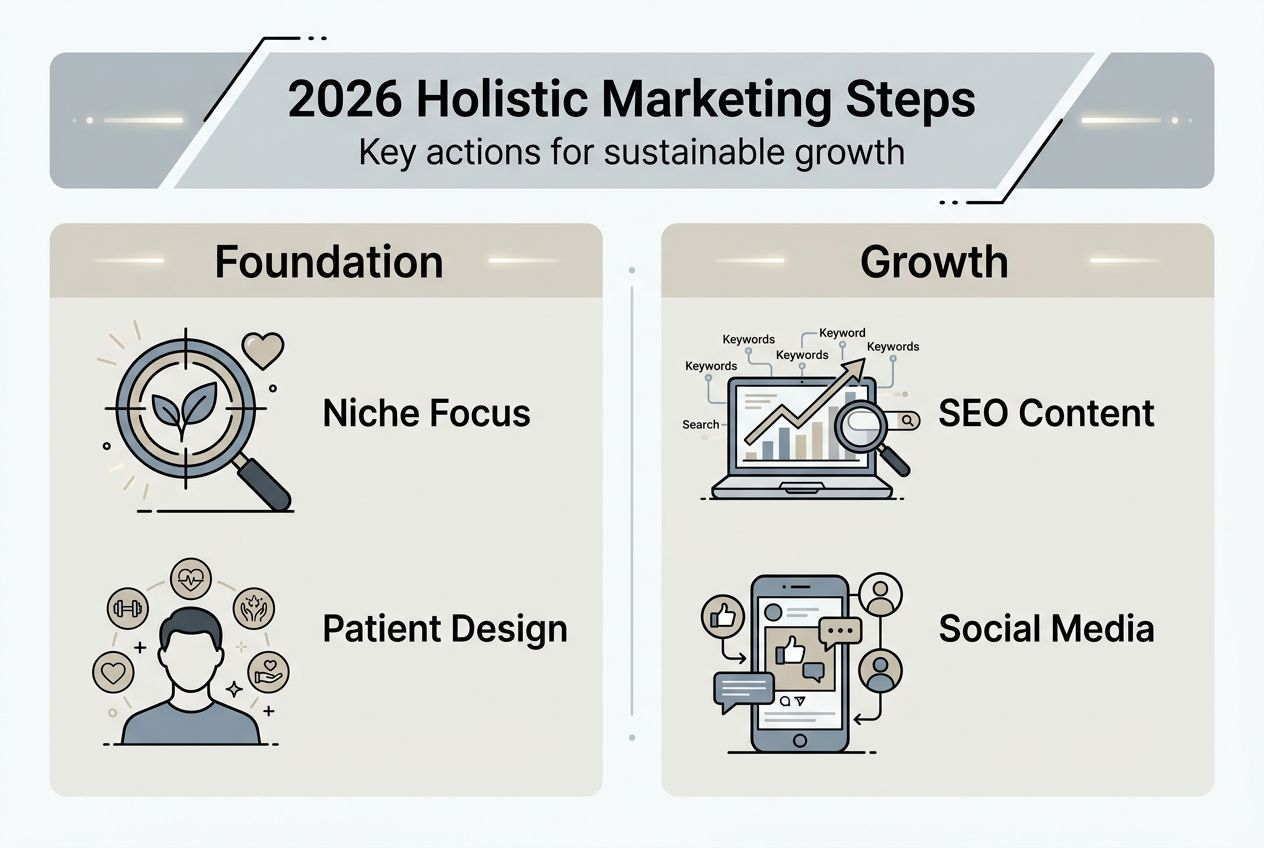
Defining your niche solves this immediately. Instead of marketing yourself as a general wellness practitioner, identify the specific conditions you treat best and the clients you serve most effectively. Are you focused on chronic pain management for athletes? Stress reduction for corporate professionals? Fertility support through acupuncture? Patients prefer specialists over generalists, making niche definition critical for attracting qualified clients who are ready to commit.
Two technical areas often get neglected: mobile optimization and local SEO. Over 60% of health-related searches happen on mobile devices, yet many practitioner websites load slowly or display poorly on phones. Practitioners in competitive areas must focus on niche keywords and ensure their sites work flawlessly on all devices. Local SEO matters because most clients search for practitioners within a specific geographic area.
Before launching any marketing tactics, complete these preparation steps:
- Audit your current online presence including website speed, mobile usability, and search rankings
- Identify your ideal patient avatar with specific demographics, health concerns, and values
- Set measurable goals such as 20 new client inquiries per month or 50% increase in website traffic
- Review competitor websites and holistic healthcare marketing approaches to identify gaps
- Ensure your website design prioritizes patient experience with clear calls to action and easy booking
Patient-first website design means organizing information the way clients think, not the way you think. Your homepage should immediately answer three questions: What do you treat? Who do you help? How do they book? Navigation should be intuitive, contact information prominent, and testimonials visible. This foundation sets up everything else for success.
Executing your holistic practitioner marketing plan step-by-step
Now that your foundation is solid, follow this execution framework to build visibility and attract ideal clients systematically.
1. Conduct comprehensive keyword research
Start with niche and local terms your ideal clients actually search. Tools like Google Keyword Planner or Ubersuggest reveal search volumes and competition levels. Focus on long-tail keywords like "acupuncture for migraines in Portland" rather than generic terms like "acupuncture." Include treatment-specific phrases, condition-focused terms, and location modifiers. Document 20 to 30 primary keywords to target across your website and content.
2. Optimize your website with patient-first design
Targeted SEO and patient-first website design lead to measurable increases in revenue and patient inquiries. Ensure every page loads in under three seconds, includes your target keywords naturally in headings and body text, and features clear calls to action. Add schema markup to help search engines understand your services, location, and credentials. Mobile usability isn't optional anymore.

3. Create SEO-optimized educational content
Publish blog posts that answer questions your ideal clients are asking. Write about specific conditions you treat, explain how your modalities work, and share success stories without making unrealistic promises. Aim for 1,500 to 2,000 words per post, published consistently every two weeks. Each piece should target one primary keyword and include internal links to your service pages. Educational content builds trust faster than promotional material.
Pro Tip: Create a content calendar three months in advance with topics tied to seasonal health concerns your clients face, ensuring consistent publishing without last-minute stress.
4. Claim and optimize your Google Business Profile
Your Google Business Profile is often the first impression potential clients get. Complete every section including services offered, hours, photos of your space, and a keyword-rich business description. Post weekly updates about health tips, new services, or seasonal offerings. Respond to every review within 24 hours, thanking positive reviewers and addressing concerns professionally. This signals active engagement to both Google and potential clients.
5. Build an active social media presence
Choose platforms where your ideal clients spend time. Instagram works well for visual content about treatments and wellness tips. Facebook groups connect you with local community discussions. LinkedIn builds professional credibility if you target corporate wellness clients. Post three to five times weekly with a mix of educational content, behind-the-scenes glimpses, and client success stories. Authenticity matters more than polish.
6. Develop your elevator pitch
You need a clear 30-second explanation of what you do and who you help. Practice until it feels natural: "I'm a licensed acupuncturist specializing in chronic pain relief for active adults who want to stay mobile without relying on medication." This clarity helps in networking situations and ensures your messaging stays consistent across all regional search optimization strategies.
7. Network and build professional relationships
Connect with complementary practitioners like chiropractors, physical therapists, nutritionists, and mental health counselors. These relationships generate quality referrals because you serve similar client bases with different modalities. Attend local health fairs, join professional associations, and offer to guest speak at community events. Building a referral network takes time but creates sustainable client flow.
8. Monitor performance and adjust tactics
Track key metrics monthly including website traffic, keyword rankings, conversion rates, and client acquisition costs. Google Analytics and Search Console provide free data on how people find and interact with your site. If certain digital marketing approaches for holistic practitioners aren't working after 90 days, adjust your strategy rather than waiting longer.
| Marketing Tactic | Timeline to Results | Effort Level | Cost |
|---|---|---|---|
| SEO optimization | 3 to 6 months | High initially, moderate ongoing | Low to moderate |
| Content marketing | 4 to 8 months | High ongoing | Low |
| Google Business Profile | 1 to 2 months | Moderate initially, low ongoing | Free |
| Social media | 2 to 4 months | Moderate to high ongoing | Low to moderate |
| Networking and referrals | 3 to 6 months | Moderate ongoing | Low |
Avoiding common pitfalls and optimizing for long-term growth
Even with a solid plan, certain mistakes can derail your marketing efforts and waste resources you don't have to spare.
The biggest pitfall is ignoring mobile users. If your website doesn't load quickly or display properly on phones, you're losing more than half your potential clients before they even read about your services. Test your site on multiple devices and fix issues immediately. Page speed impacts both user experience and search rankings.
Inconsistent content creation kills SEO momentum. Search engines reward websites that publish regularly and demonstrate expertise over time. If you post three articles one month then nothing for six months, you lose ranking progress and audience trust. Set a realistic publishing schedule you can maintain, even if it's just one quality post monthly.
Managing online reviews directly impacts conversion rates and credibility. Potential clients read reviews before booking, and practices with higher ratings and more reviews convert significantly better. Request reviews from satisfied clients through email follow-ups or during checkout. Respond to negative reviews professionally, showing you care about client experience and are willing to make things right.
Another mistake is leading with hard sells instead of education. Holistic health clients want to understand how treatments work and why they're effective before committing. Your marketing should educate first, building trust through valuable information. Sales conversations happen naturally once trust is established. Think of your content marketing strategies as long-term relationship building, not immediate transaction seeking.
Pro Tip: Schedule quarterly reviews of your marketing performance, adjusting tactics based on what's actually working rather than what you think should work.
Compare paid advertising versus organic SEO carefully. Paid ads on Google or Facebook deliver immediate visibility but stop working the moment you stop paying. SEO takes longer to build but creates sustainable traffic that doesn't require ongoing ad spend. Most practitioners benefit from focusing on SEO first, then adding targeted paid campaigns once organic traffic is established.
"The best marketing doesn't feel like marketing. It feels like education, connection, and genuine care for the people you serve. When you lead with value, clients naturally want to work with you."
Common mistakes to avoid:
- Trying to target everyone instead of your ideal niche client
- Neglecting to track metrics and adjust based on performance data
- Copying competitor strategies without adapting to your unique strengths
- Expecting overnight results instead of committing to consistent effort
- Failing to integrate online and offline marketing efforts
- Ignoring the patient journey from first search to booked appointment
Long-term growth comes from systems, not sporadic efforts. Automate what you can, like email follow-ups and social media scheduling. Delegate tasks that don't require your expertise. Focus your energy on high-impact activities like creating exceptional client experiences and building strategic relationships. Your marketing should work for you even when you're focused on treating clients.
How Go Holistic supports your marketing and client growth
Building and executing a comprehensive marketing plan takes significant time and expertise. Go Holistic offers a platform designed specifically to connect holistic practitioners with clients actively seeking natural health solutions. By joining the holistic health providers directory, you gain visibility among an audience already interested in alternative treatments, reducing your client acquisition effort.
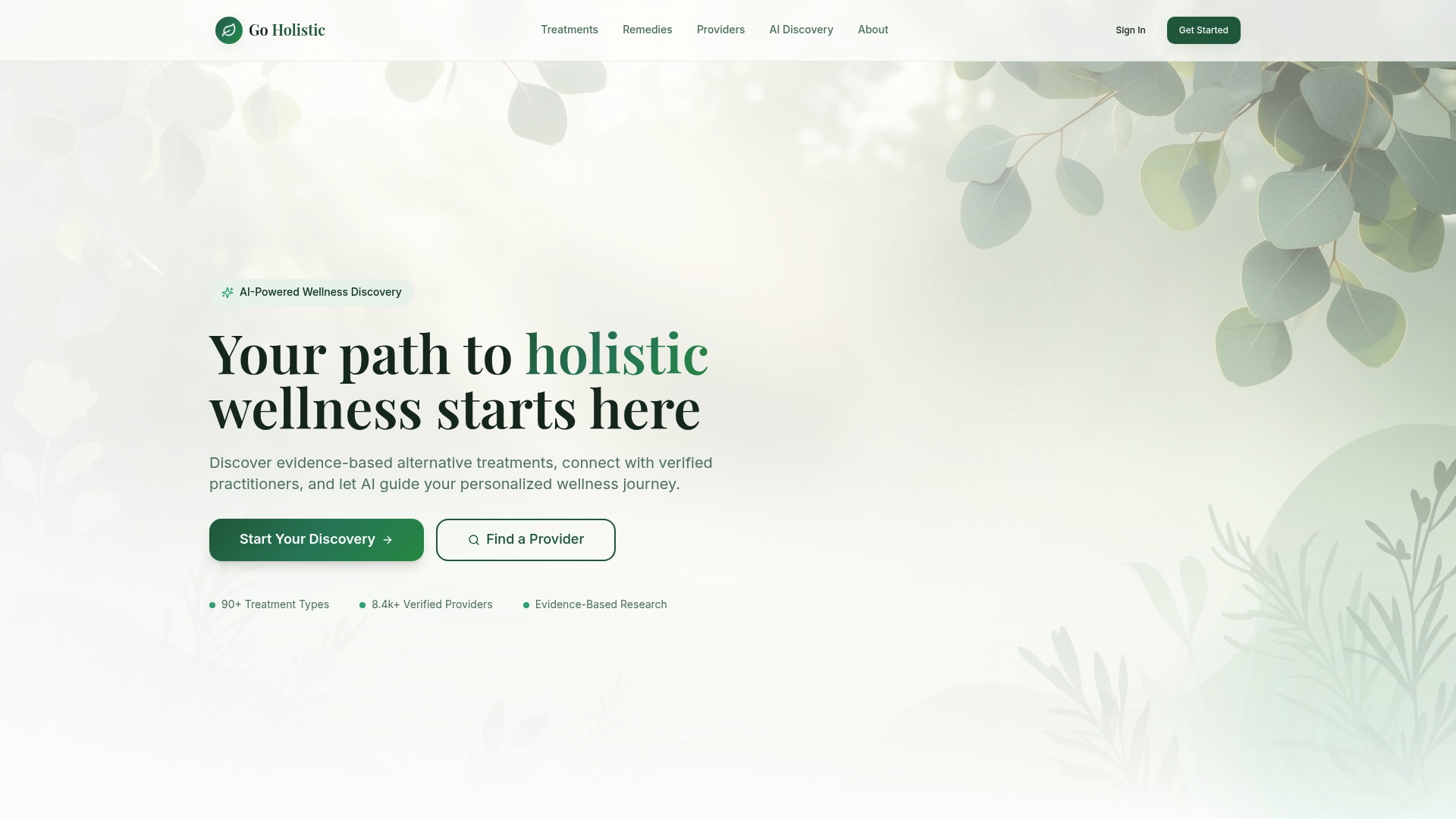
The platform features a comprehensive treatments library covering over 200 therapy types, helping potential clients discover your specific modalities through evidence-based information. This educational approach aligns perfectly with the trust-building strategies outlined in this guide. You can leverage Go Holistic's platform to amplify your existing marketing efforts, accessing tools and community support that enhance your visibility naturally while you focus on delivering exceptional care to your clients.
FAQ
What is a holistic practitioner marketing plan?
A holistic practitioner marketing plan is a strategic framework specifically designed to help alternative health professionals attract and retain ideal clients. It combines digital tactics like SEO and content marketing with relationship-building approaches such as networking and community engagement. The plan focuses on education-first marketing that builds trust with potential clients seeking natural health solutions.
How long does it take to see results from SEO in holistic marketing?
SEO strategies typically show noticeable results within three to six months of consistent implementation. Initial improvements in search rankings may appear sooner, but meaningful increases in website traffic and client inquiries usually take a full quarter. The timeline depends on your competition level, content quality, and how well you optimize technical elements. Patience and consistency matter more than quick fixes.
What is the importance of defining a niche for holistic practitioners?
Defining a niche highlights your specialized expertise, making it significantly easier to attract clients seeking specific solutions rather than general wellness support. Patients prefer specialists over generalists when dealing with particular health concerns, enhancing your client acquisition effectiveness. A clear niche also focuses your marketing efforts, allowing you to create more targeted content and build stronger authority in your chosen area.
How can social media boost my holistic practice?
Social media expands your reach beyond your immediate geographic area and builds authentic relationships with potential clients before they book. Engaging on platforms your ideal clients use can increase customer acquisition by 20% when done consistently and authentically. Focus on educational content, behind-the-scenes glimpses of your practice, and genuine interactions rather than constant promotional posts. The key is showing up regularly and providing value that makes people want to learn more about your services.
Recommended
- Find Holistic Health Providers | Go Holistic
- Find Holistic Health Practitioners Near You | GoHolistic
- Go Holistic - Your Path to Holistic Wellness | Alternative Medicine Platform
- Holistic Health Treatments | goholistic
- Mushroom Supplement Trends 2026: What Matters – LongevityBotanicals
- 7 Effective Client Engagement Strategies for Better Outcomes - Mastering Conflict