

Choosing alternative treatments can feel overwhelming when faced with countless natural health options and conflicting advice. Evidence-based selection is crucial for safe, effective outcomes. This guide covers popular holistic modalities supported by clinical research, helping you make informed decisions that align with your unique wellness goals and health needs.
Table of Contents
- Selection criteria for choosing evidence-based alternative treatments
- Acupuncture: mechanisms, benefits, and best use cases
- Massage therapy: emotional and physical wellness benefits
- Ayurveda: personalized natural healing approach
- Phytotherapy: benefits, risks, and evidence
- Comparative overview of alternative treatments
- Accessibility and cost considerations
- Situational recommendations: choosing the right treatment for you
- Enhance your holistic wellness journey with Go Holistic
- Frequently asked questions
Key takeaways
| Point | Details |
|---|---|
| Certification matters | Verified practitioners reduce adverse events by 30-50% and ensure proper treatment protocols. |
| Personalization boosts outcomes | Tailored treatment plans can improve efficacy by up to 40% compared to generic approaches. |
| Treatment specialties vary | Acupuncture excels for pain, massage for anxiety, Ayurveda for metabolic health, phytotherapy for inflammation. |
| Cost impacts sustainability | Sessions range from $50 to $300, and insurance coverage varies widely by region. |
| Safety requires vigilance | Herb-drug interactions affect 20% of users without medical supervision. |
Selection criteria for choosing evidence-based alternative treatments
Evaluating alternative treatments systematically protects your health and maximizes potential benefits. Evidence strength should be your top priority. Look for treatments supported by peer-reviewed clinical trials rather than anecdotal claims.
Practitioner credentials matter significantly. Certification reduces adverse events by 30-50%, making verification essential before booking consultations. Licensed professionals follow standardized protocols and safety guidelines that protect you from common risks.
Personalization dramatically improves outcomes. Personalized treatment plans increase efficacy by up to 40% compared to one-size-fits-all approaches. Effective practitioners assess your specific health history, current conditions, and wellness goals before recommending interventions.
Consider these practical factors when selecting treatments:
- Evidence quality from clinical studies and systematic reviews
- Practitioner licensing, certification, and professional experience
- Treatment personalization based on your health profile
- Cost per session and total treatment duration required
- Accessibility including location, scheduling, and insurance coverage
- Potential interactions with current medications or conditions
Risk management deserves careful attention, especially with herbal supplements. Some herbs interact with common medications, creating safety concerns that require medical oversight.
Pro Tip: Request credentials and ask about continuing education before booking with any holistic health practitioner. Reputable professionals welcome transparency about their qualifications.
Start by matching your primary health goal to treatment strengths, then narrow options based on accessibility and budget. Explore the full range of holistic health treatments to understand which modalities align best with your needs.
Acupuncture: mechanisms, benefits, and best use cases
Acupuncture stimulates specific body points to modulate pain pathways and physiological responses. This ancient practice has robust modern clinical support, particularly for chronic pain management.
Research demonstrates impressive results. Studies show 40-50% improvement in chronic pain scores, with many patients experiencing relief after just one or two sessions. The rapid onset makes acupuncture appealing for those seeking alternatives to pharmaceutical pain management.
Conditions with strongest evidence include:
- Osteoarthritis, especially knee and hip pain
- Migraine prevention and tension headaches
- Lower back pain, both acute and chronic
- Neck pain and shoulder tension
- Post-surgical pain management
Treatment typically involves inserting thin needles at strategic points along meridian pathways. Sessions last 20 to 40 minutes, with most protocols recommending six to twelve treatments for optimal results.

Ideal candidates are adults with chronic pain conditions who have tried conventional treatments with limited success. Acupuncture works well as complementary care alongside physical therapy or medical management. Safety is excellent when performed by licensed professionals.
Pro Tip: Schedule your initial acupuncture sessions close together, then space them further apart as symptoms improve. This approach maximizes early relief while maintaining long-term benefits.
Cost averages $75 to $120 per session in most regions. Some insurance plans now cover alternative acupuncture therapy for specific diagnoses, making it more accessible than in previous years.
Massage therapy: emotional and physical wellness benefits
Massage therapy offers powerful benefits beyond physical relaxation, with growing evidence for mental health support. Clinical trials demonstrate meaningful improvements in anxiety and depression symptoms.
Research reveals 20-30% improvement in anxiety and depression, with effect sizes between 0.5 and 0.8 in randomized controlled trials. These results position massage as a valuable complementary treatment for emotional wellness.
Physical benefits include improved circulation, reduced muscle tension, and enhanced recovery from physical activity. Regular sessions can decrease cortisol levels and boost serotonin production, supporting both mood and immune function.
Best applications for massage therapy:
- Mild to moderate anxiety disorders
- Depressive symptoms and mood regulation
- Chronic muscle tension and myofascial pain
- Stress management and relaxation
- Sleep quality improvement
Techniques vary from Swedish and deep tissue to trigger point and myofascial release. Sessions typically last 60 to 90 minutes, with therapeutic protocols often recommending weekly or biweekly treatments initially.
Cost is moderate, ranging from $60 to $100 per hour with certified therapists. This makes massage more accessible than some alternative treatments while maintaining strong safety profiles.
Pro Tip: Communicate clearly with your therapist about pressure preferences and problem areas. Effective massage requires partnership between practitioner and client.
Find qualified massage therapy practitioners who specialize in therapeutic applications rather than spa relaxation. Therapeutic focus ensures you receive clinical benefits backed by proper training. You can also explore various massage therapy techniques to understand which approach suits your needs.
Ayurveda: personalized natural healing approach
Ayurveda provides a comprehensive health system based on individualized constitutional types called doshas. This 5,000-year-old practice combines dietary guidance, herbal remedies, and lifestyle modifications tailored to your unique profile.
Clinical research supports Ayurvedic interventions for metabolic and inflammatory conditions. Studies show 15-30% improvement in metabolic and inflammatory markers when patients follow personalized Ayurvedic protocols including diet and herbal supplements.
The system categorizes individuals into three primary doshas: Vata, Pitta, and Kapha. Practitioners assess your dominant dosha through detailed consultations, then recommend specific foods, herbs, and practices to restore balance.
Key Ayurvedic applications:
- Metabolic syndrome and blood sugar regulation
- Chronic inflammatory conditions
- Digestive disorders and gut health
- Stress-related imbalances
- Preventive wellness and longevity
Treatments may include specific dietary patterns, herbal formulations, oil massage (abhyanga), and detoxification practices (panchakarma). The holistic approach addresses root causes rather than isolated symptoms.
Cost varies significantly based on consultation depth and recommended treatments, ranging from $50 to $300 for initial assessments. Ongoing herbal supplements and follow-up visits add to total investment.
Certified Ayurvedic practitioners complete rigorous training in traditional principles and modern safety protocols. Verification is crucial because improper herb combinations or dosing can cause adverse effects. Learn more about Ayurveda healing principles to understand this comprehensive approach.
Phytotherapy: benefits, risks, and evidence
Herbal medicine offers therapeutic options for mild to moderate inflammatory and autoimmune conditions. However, safety considerations require careful attention and medical supervision.
Clinical evidence supports specific herbs for targeted conditions. Turmeric extract reduces symptoms by 30-40% in inflammatory disorders when used at standardized doses. Other well-studied herbs include ginger for nausea, St. John's wort for mild depression, and echinacea for immune support.
The critical safety concern involves herb-drug interactions. Research shows 20% of users experience adverse interactions when using herbal supplements without medical guidance. Common medications affected include blood thinners, antidepressants, and diabetes drugs.
Best practices for safe phytotherapy:
- Always inform healthcare providers about all supplements
- Use only verified, standardized herbal products
- Avoid self-prescribing for serious conditions
- Start with single herbs before combining formulas
- Monitor for unexpected symptoms or medication changes
Quality varies dramatically among herbal supplements. Choose products with third-party testing, clear ingredient labels, and standardized active compound levels. Reputable manufacturers provide certificates of analysis.
Phytotherapy works best for chronic inflammatory conditions, digestive issues, and immune support when conventional treatments cause unwanted side effects. It can complement, but should not replace, essential medical care for serious conditions.
Medical supervision becomes essential when using herbs alongside prescription medications or for complex health issues. Certified herbalists or naturopathic doctors provide expertise in safe herbal protocols.
Comparative overview of alternative treatments
Understanding treatment differences helps you select the best option for your situation. This comparison highlights key factors across the four major evidence-based modalities.
| Treatment | Best For | Onset Time | Cost Range | Certification Critical | Personalization |
|---|---|---|---|---|---|
| Acupuncture | Chronic pain, migraines | 1-2 sessions | $75-$120/session | Licensed acupuncturist | Moderate |
| Massage Therapy | Anxiety, depression, muscle tension | 3-6 sessions | $60-$100/hour | Certified massage therapist | Low to moderate |
| Ayurveda | Metabolic, inflammatory conditions | 4-8 weeks | $50-$300/consultation | Certified Ayurvedic practitioner | High |
| Phytotherapy | Mild inflammation, immune support | 2-4 weeks | $20-$80/month | Medical supervision recommended | Moderate to high |
Acupuncture provides faster pain relief than other modalities, making it ideal when quick symptom reduction is needed. Massage therapy excels for mental health applications but requires more sessions to achieve cumulative benefits.
Ayurveda demands the highest personalization, with treatments tailored to individual constitutional types and imbalances. This customization takes time but addresses root causes comprehensively. Phytotherapy offers flexibility and lower costs but carries interaction risks that necessitate professional guidance.
Certification importance varies by treatment complexity. Acupuncture and Ayurveda require extensive training for safe practice, while massage therapy benefits from certification but poses fewer risks when performed by less experienced practitioners.
Consider your timeline when selecting treatments. Acute pain responds quickly to acupuncture, while chronic metabolic issues need Ayurveda's long-term approach. Budget constraints may favor phytotherapy or massage over acupuncture or Ayurveda consultations.
Accessibility and cost considerations
Financial and practical factors significantly influence which treatments you can pursue consistently. Real-world constraints often determine success as much as clinical effectiveness.
Cost varies substantially across treatments and regions. Acupuncture averages $75-$120 per session, massage therapy $60-$100, and Ayurvedic consultations $50-$300. Urban areas typically charge higher rates than rural regions. Herbal supplements add $20-$80 monthly for ongoing phytotherapy.
Insurance coverage remains inconsistent for alternative treatments. Some plans now cover acupuncture for chronic pain or massage for specific diagnoses, but coverage varies widely by insurer and state. Ayurveda and phytotherapy rarely receive insurance reimbursement.
Accessibility challenges include:
- Limited practitioner availability in rural areas
- Waiting times of several weeks for popular providers
- Transportation requirements for in-person sessions
- Scheduling conflicts with work or family obligations
- Language barriers with some traditional practitioners
Cost influences treatment continuity. Effective protocols often require multiple sessions over weeks or months. Calculate total investment before committing, not just single-session costs. Discontinuing treatment prematurely limits potential benefits.
Budget-friendly options exist but require careful vetting. Community acupuncture clinics offer reduced rates through group settings. Massage therapy schools provide supervised student sessions at lower prices. Always verify practitioner credentials and safety protocols regardless of cost.
Location affects both price and quality. Research multiple providers, read reviews, and ask about sliding scale fees or package discounts. Some practitioners offer telehealth consultations for ongoing Ayurvedic or herbal guidance, reducing travel costs.
Situational recommendations: choosing the right treatment for you
Matching your specific health needs to appropriate treatments improves outcomes and satisfaction. Use these practical guidelines to narrow your options.
-
For chronic pain conditions like arthritis or migraines, prioritize acupuncture. Its rapid onset and strong evidence base make it the first-line alternative choice. Expect relief within two sessions and plan for six to twelve total treatments.
-
For anxiety, depression, or stress management, choose massage therapy. The integrative holistic wellness approach through regular bodywork supports emotional regulation effectively. Schedule weekly sessions initially, then reduce frequency as symptoms improve.
-
For metabolic issues, inflammatory conditions, or comprehensive wellness optimization, pursue Ayurveda. The personalized assessment identifies root imbalances requiring long-term dietary and lifestyle changes. Commit to at least three months for meaningful results.
-
For mild autoimmune symptoms or chronic inflammation with medication concerns, consider phytotherapy under medical supervision. Use verified supplements and monitor closely for interactions. Start with single herbs before trying complex formulas.
-
For general wellness and prevention, combine approaches strategically. Monthly massage supports stress management while seasonal Ayurvedic consultations optimize diet and lifestyle. Add targeted herbs as needed for specific concerns.
Consult certified providers through reputable directories to ensure proper credentials. Find holistic health providers who match your condition and location preferences. Book initial consultations to assess compatibility before committing to full treatment protocols.
Monitor your progress objectively using symptom journals or standardized questionnaires. Share results with both conventional doctors and alternative practitioners for integrated care. Adjust treatments based on outcomes rather than assumptions.
Stay informed through reliable sources. The holistic health blog provides ongoing education about evidence-based natural treatments. Continuous learning empowers better decisions as your health needs evolve. Explore wellness coaching for additional support in implementing holistic lifestyle changes.
Enhance your holistic wellness journey with Go Holistic
Ready to transform your wellness with evidence-based alternative treatments? Go Holistic connects you with certified practitioners across acupuncture, massage therapy, Ayurveda, and more.
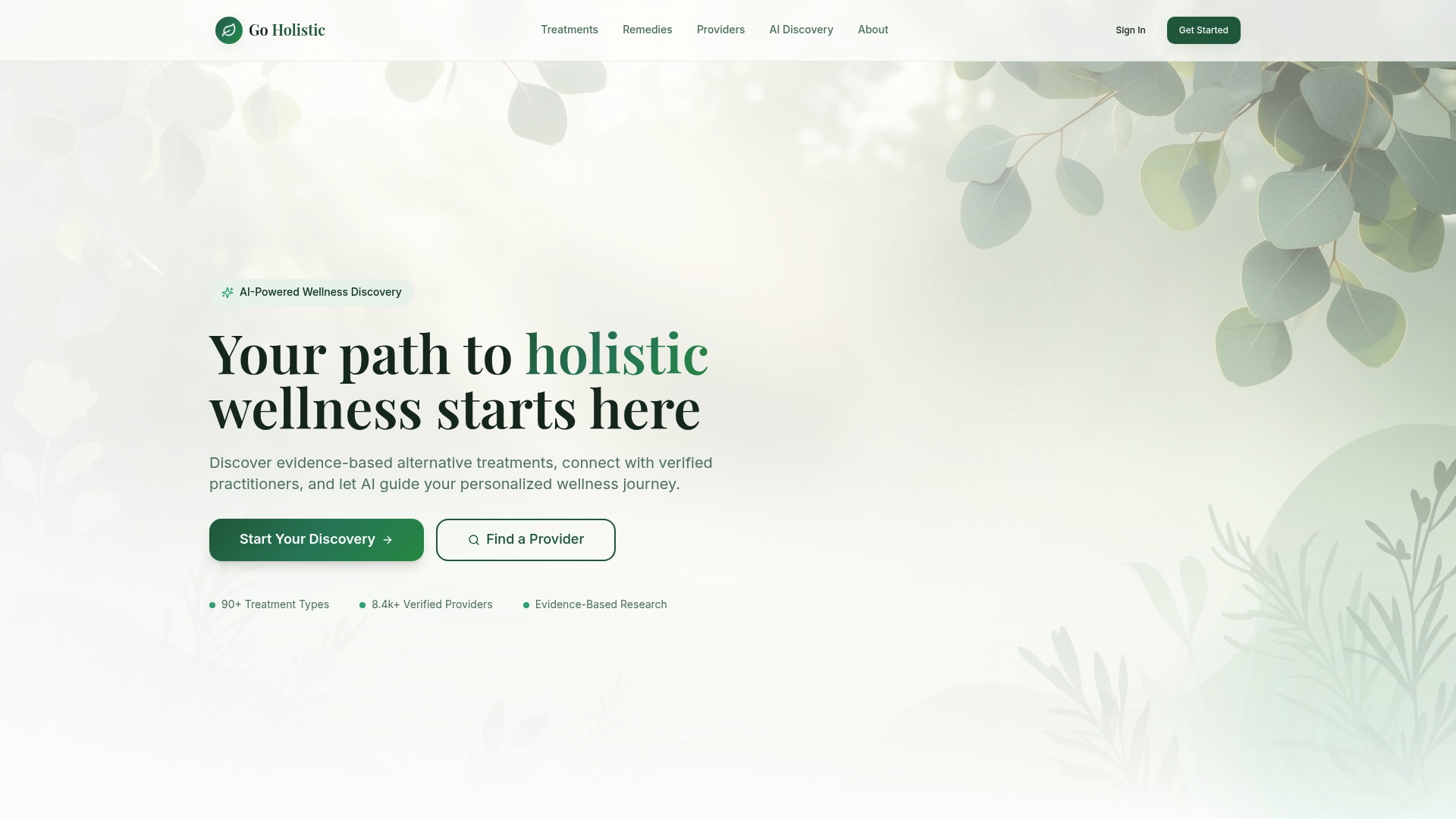
Our platform analyzes your health concerns using AI technology to recommend personalized treatments backed by clinical research. Browse our curated directory of verified holistic health providers, compare credentials, and book consultations directly. Explore over 200 holistic health treatments with detailed evidence summaries to make informed decisions. Start your personalized wellness journey today with free access to our treatment library and practitioner matching.
Frequently asked questions
What should I look for when choosing an alternative treatment?
Prioritize evidence-backed modalities with clinical research supporting effectiveness for your specific condition. Verify practitioner certification and licensing through professional registries. Consider your health goals, budget, and accessibility when narrowing options. Explore comprehensive guides on choosing holistic treatments to understand which approaches align with your needs.
Are herbal supplements safe to use with medications?
Herb-drug interactions affect up to 20% of users without medical supervision, creating potentially serious safety risks. Always inform healthcare providers about all supplements you take. Use only verified products with standardized ingredients and third-party testing. Never self-medicate with herbs when taking prescription medications without professional guidance.
How soon can I expect to see results from acupuncture or massage therapy?
Acupuncture typically provides pain relief within 1-2 sessions, making it one of the fastest-acting alternative treatments. Massage therapy benefits for mental health accumulate gradually over three to six sessions. Individual responses vary based on condition severity and overall health. Maintain realistic expectations and commit to recommended treatment protocols for optimal outcomes.
How do I verify a holistic practitioner's credentials?
Check state licensing boards for acupuncturists and massage therapists to confirm active licenses. Request copies of certification from recognized professional organizations. Ask about continuing education and specialized training relevant to your condition. Reputable practitioners welcome credential inquiries and provide documentation readily.
Recommended
- Holistic Health Treatments | goholistic
- Find Holistic Health Practitioners Near You | GoHolistic
- Go Holistic - Your Path to Holistic Wellness | Alternative Medicine Platform
- Find Holistic Health Providers | Go Holistic
- Holistic Oral Care: Natural Solutions for Optimal Health – Stop Oral Care
- How to Reduce Inflammation Naturally for Lasting Wellness – Botavive