

Choosing effective Ayurveda wellness tips can feel overwhelming when countless options promise transformative results. With growing interest in natural health methods, how do you identify practices that truly align with your unique constitution and lifestyle? This article cuts through the confusion by presenting a clear criteria framework and seven evidence-based Ayurveda wellness tips designed to enhance your holistic well-being in 2026. You'll discover practical, personalized strategies rooted in ancient wisdom and validated by modern research, empowering you to make confident decisions about your natural health journey.
Table of Contents
- Understanding Ayurveda wellness: key criteria for effective tips
- 7 Ayurveda wellness tips to elevate your holistic health in 2026
- Comparing Ayurveda wellness tips: benefits and considerations
- Choosing the right Ayurveda wellness tips for your lifestyle
- Explore holistic health solutions at GoHolistic
- FAQ
Key takeaways
| Point | Details |
|---|---|
| Personalization matters | Ayurveda emphasizes tailoring wellness practices to your unique constitution or prakriti for maximum effectiveness. |
| Simple changes work | Small lifestyle and dietary adjustments rooted in natural methods can significantly improve holistic health. |
| Self-awareness drives success | Low-cost behavioral changes combined with mindful self-assessment create lasting wellness improvements. |
| Modern tools enhance practice | Objective prakriti assessment technologies make personalized Ayurveda more accessible and accurate in 2026. |
Understanding Ayurveda wellness: key criteria for effective tips
Ayurveda operates on the principle that each person has a unique constitution called prakriti, determined by the balance of three doshas: Vata, Pitta, and Kapha. Your prakriti influences everything from digestion and energy levels to emotional responses and disease susceptibility. Wellness tips that work brilliantly for your friend might create imbalance for you if they don't match your constitutional needs.
The most effective Ayurveda wellness strategies share several characteristics. They prioritize natural, whole-food approaches over synthetic supplements. They emphasize patient-centered care that respects individual differences rather than one-size-fits-all protocols. They focus on sustainable behavioral changes you can maintain long-term without significant financial burden. Recent advances in prakriti assessment tools are helping practitioners move from subjective questionnaires to more objective methods, improving personalization accuracy.
When evaluating Ayurveda wellness tips for yourself, consider these essential criteria:
- Does the practice align with your specific dosha balance and current state of health?
- Can you realistically integrate this tip into your daily routine without excessive time or money?
- Does the approach emphasize self-awareness and gradual behavioral change?
- Is there evidence or traditional wisdom supporting its effectiveness?
Exploring Ayurveda wellness insights can deepen your understanding of how these criteria apply to different practices. The goal isn't perfection but rather finding sustainable strategies that support your unique path to holistic health.
7 Ayurveda wellness tips to elevate your holistic health in 2026
Now that you understand the criteria for effective Ayurveda practices, let's explore seven actionable tips that meet these standards. Each recommendation offers natural, personalized approaches to enhancing your well-being.
-
Determine your prakriti through assessment tools or professional guidance. Understanding your constitutional type forms the foundation for all other Ayurveda practices. Modern apps and online questionnaires provide initial insights, while consultations with qualified practitioners offer deeper analysis. This knowledge helps you select foods, exercises, and lifestyle habits that naturally balance your doshas rather than creating further imbalance.
-
Follow a dosha-specific diet using whole, natural foods. Once you know your prakriti, adjust your eating patterns accordingly. Vata types benefit from warm, grounding foods like cooked grains and root vegetables. Pitta individuals thrive on cooling foods such as cucumbers and leafy greens. Kapha constitutions do well with light, warming spices and fewer heavy dairy products. These dietary shifts don't require expensive ingredients, just mindful selection.
-
Practice Abhyanga, a daily self-massage with warm oil. This simple ritual takes just 10-15 minutes before your morning shower. Use sesame oil for Vata, coconut oil for Pitta, or sunflower oil for Kapha. The practice improves circulation, calms the nervous system, and nourishes skin while creating a moment of self-care that grounds your entire day.
-
Incorporate mindfulness meditation to boost self-awareness. Even five minutes of daily meditation helps you notice subtle shifts in energy, mood, and physical sensations. This heightened awareness allows you to adjust your practices before small imbalances become larger health issues. Research shows that low-cost, patient-centered counseling strategies rooted in self-awareness drive successful outcomes.
-
Use traditional herbal remedies appropriate for your constitution. Ashwagandha supports Vata balance, turmeric cools Pitta inflammation, and ginger stimulates Kapha digestion. Start with single herbs rather than complex formulas, and introduce them gradually to observe effects. Quality matters more than quantity, so source from reputable suppliers.
-
Adopt seasonal lifestyle adjustments to maintain dosha equilibrium. Summer's heat naturally increases Pitta, so emphasize cooling practices during warm months. Winter's cold and dryness aggravate Vata, calling for warming routines. Spring's dampness can elevate Kapha, benefiting from lighter foods and increased activity. These cyclical adjustments keep you aligned with natural rhythms.
-
Engage with qualified holistic health practitioners for personalized guidance. While self-study provides valuable insights, working with experienced professionals ensures your practices truly match your needs. They can identify subtle imbalances you might miss and adjust recommendations as your health evolves.
Pro Tip: Start with just one or two tips rather than attempting all seven simultaneously. Master simple practices first, then gradually layer in additional strategies as they become habitual. This approach prevents overwhelm and creates sustainable change.

Comparing Ayurveda wellness tips: benefits and considerations
Each Ayurveda wellness tip offers distinct advantages and requires different levels of commitment. This comparison helps you identify which practices align best with your current lifestyle and resources.
| Tip | Personalization Level | Cost | Time Investment | Primary Benefit |
|---|---|---|---|---|
| Prakriti assessment | High | Low to moderate | 30-60 minutes initially | Foundation for all other practices |
| Dosha-specific diet | High | Low | Daily meal planning | Sustained energy and digestion |
| Abhyanga massage | Moderate | Very low | 10-15 minutes daily | Stress reduction and skin health |
| Mindfulness meditation | Moderate | Free | 5-20 minutes daily | Enhanced self-awareness |
| Herbal remedies | High | Low to moderate | Minimal | Targeted dosha balancing |
| Seasonal adjustments | Moderate | Free to low | Varies by season | Natural rhythm alignment |
| Professional guidance | Very high | Moderate to high | Periodic consultations | Accurate personalization |
Beginners should prioritize prakriti assessment and one simple daily practice like meditation or Abhyanga. These low-barrier entries build momentum without requiring extensive knowledge or resources. Advanced practitioners can layer multiple strategies, using prakriti assessment tools to refine their approach.
Budget-conscious individuals will appreciate that most tips require minimal financial investment. Dietary changes use everyday ingredients, self-massage needs only basic oils, and meditation costs nothing. Even professional consultations often prove more affordable than ongoing conventional treatments when they prevent health issues through early intervention.
Some tips demand more initial learning. Understanding which foods balance your dosha requires studying Ayurveda nutrition principles or working with a practitioner. Herbal remedies need careful selection to avoid contraindications. Seasonal adjustments require attentiveness to nature's cycles and your body's responses.
Pro Tip: Track your practices and symptoms in a simple journal for 30 days. This data reveals which tips create the most noticeable improvements for your unique constitution, allowing you to focus energy where it matters most. Explore various holistic health treatments to complement your Ayurveda foundation.
Choosing the right Ayurveda wellness tips for your lifestyle
Selecting Ayurveda practices that stick requires honest assessment of your daily reality. Consider your morning routine: do you have 15 minutes for Abhyanga, or would five minutes of meditation fit better? Evaluate your cooking habits: are you prepared to adjust recipes for dosha balance, or should you start with simpler herbal teas?
Progressive implementation prevents the common mistake of enthusiastic overcommitment followed by complete abandonment. Choose one foundational practice, maintain it for three weeks until it becomes automatic, then add another. This gradual approach respects the behavioral change rooted in self-awareness that drives lasting results.
Regular self-assessment keeps your practices aligned with changing needs. Monthly check-ins help you notice whether your energy has improved, digestion has stabilized, or sleep has deepened. When progress stalls, it signals time to adjust your approach or seek professional input rather than abandoning Ayurveda altogether.
Key decision factors include:
- Your current health concerns and which tips address them most directly
- Available time in your daily schedule for new practices
- Financial resources for herbs, oils, or professional consultations
- Your learning style and whether you prefer self-study or guided instruction
- Support systems available through family, friends, or online communities
The holistic wellness platform at GoHolistic connects you with practitioners who can guide these decisions based on your specific circumstances. They help identify which combination of tips will create the most significant impact for your individual constitution and life situation.
Consistency matters more than perfection. Missing a day of practice doesn't negate weeks of progress. What counts is returning to your routine without self-judgment, recognizing that sustainable wellness unfolds gradually through accumulated small actions rather than dramatic overnight transformations.
Explore holistic health solutions at GoHolistic
Your journey into Ayurveda wellness doesn't have to be solitary. GoHolistic offers a comprehensive platform connecting you with certified practitioners who specialize in personalized natural care aligned with Ayurveda principles. Whether you need help determining your prakriti, creating a dosha-specific nutrition plan, or selecting appropriate herbal protocols, qualified professionals stand ready to guide you.
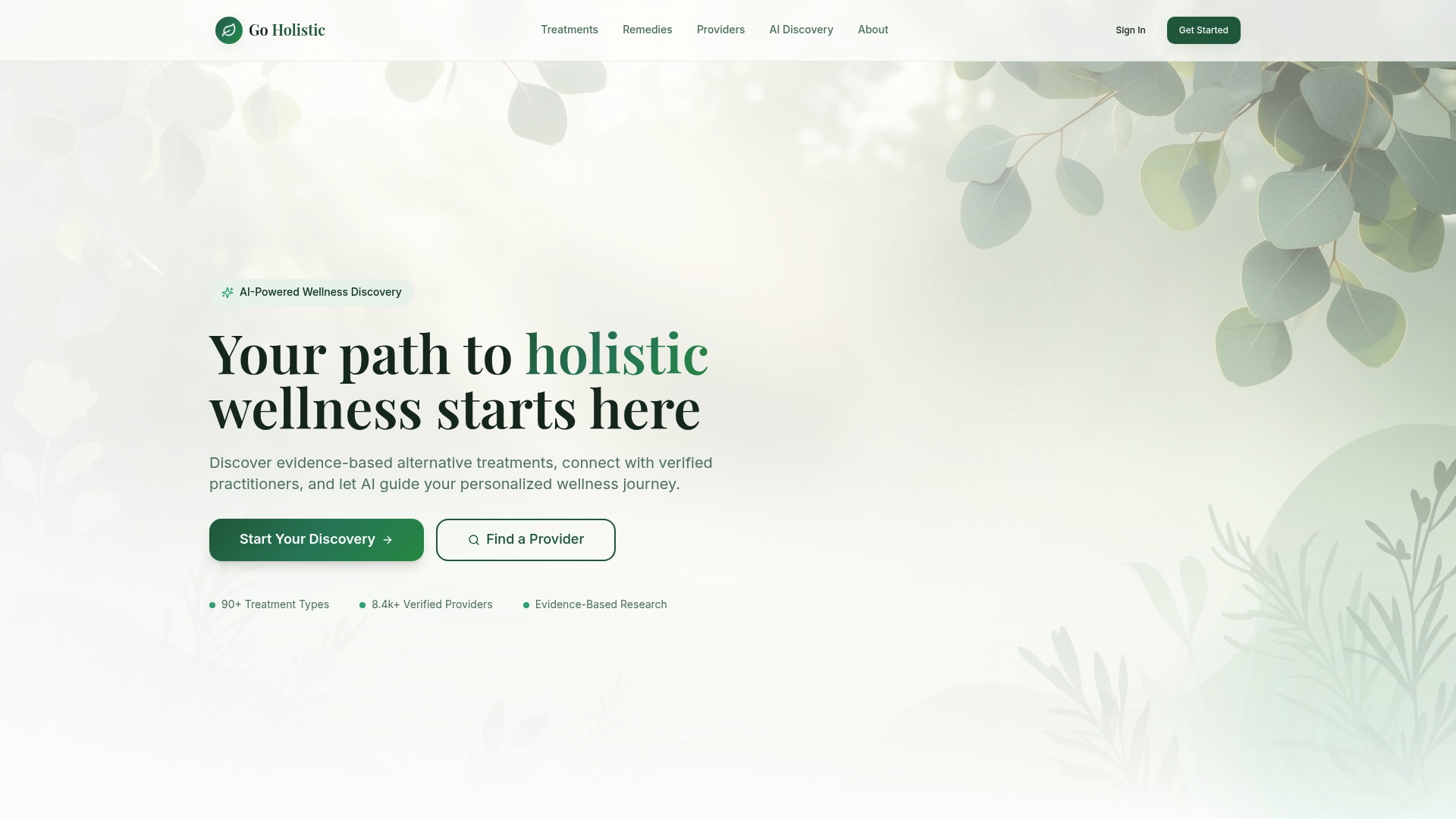
The platform's curated directory lets you browse holistic health treatments spanning Ayurveda and complementary modalities. You can filter by location, specialty, and treatment approach to find practitioners whose expertise matches your wellness goals. Direct booking capabilities make scheduling consultations simple, removing barriers between you and professional support.
Explore holistic health providers who understand that effective wellness strategies must fit your real life, not an idealized version of it. These practitioners emphasize the patient-centered, behaviorally focused approaches that research identifies as key to success. Start your personalized natural wellness journey today through the holistic wellness platform designed to support your unique path to vibrant health in 2026.
FAQ
What is Ayurveda wellness and why is it important?
Ayurveda wellness is a holistic approach originating in ancient India that balances mind, body, and spirit through personalized lifestyle practices. It recognizes that each person has a unique constitution requiring individualized care rather than generic protocols. This personalization helps maintain health by aligning daily habits with your natural tendencies, preventing imbalances before they manifest as disease. The importance lies in its emphasis on sustainable, natural methods that address root causes rather than merely suppressing symptoms.
How can I determine my Ayurvedic constitution or prakriti?
You can start with online assessment tools or mobile apps that ask questions about your physical characteristics, digestion, energy patterns, and emotional tendencies. These provide initial insights into your dominant doshas. For more accurate analysis, consult qualified holistic practitioners who can conduct comprehensive evaluations including pulse diagnosis and detailed health history. Prakriti assessment tools continue evolving toward more objective methods, improving accuracy. Explore Ayurveda wellness insights to deepen your understanding of constitutional assessment.
What are simple lifestyle changes to improve Ayurveda wellness?
Incorporate dosha-specific dietary adjustments by choosing foods that balance your constitution, such as warm grains for Vata or cooling vegetables for Pitta. Establish daily self-care rituals like oil massage or tongue scraping that take just minutes but create significant impact. Practice consistent mindfulness through brief meditation sessions that enhance your ability to notice and respond to bodily signals. Research confirms that low-cost, patient-centered behavioral changes drive the most successful outcomes. Connect with holistic health practitioners for personalized guidance that fits your specific needs and resources.
Recommended
- Go Holistic - Your Path to Holistic Wellness | Alternative Medicine Platform
- Holistic Health Treatments | goholistic
- Health & Wellness Blog | GoHolistic
- Find Holistic Health Practitioners Near You | GoHolistic
- 7 Ways Mushrooms Boost Wellness Naturally for You – LongevityBotanicals
- Boost your family's immunity naturally: proven strategies | Paynless