
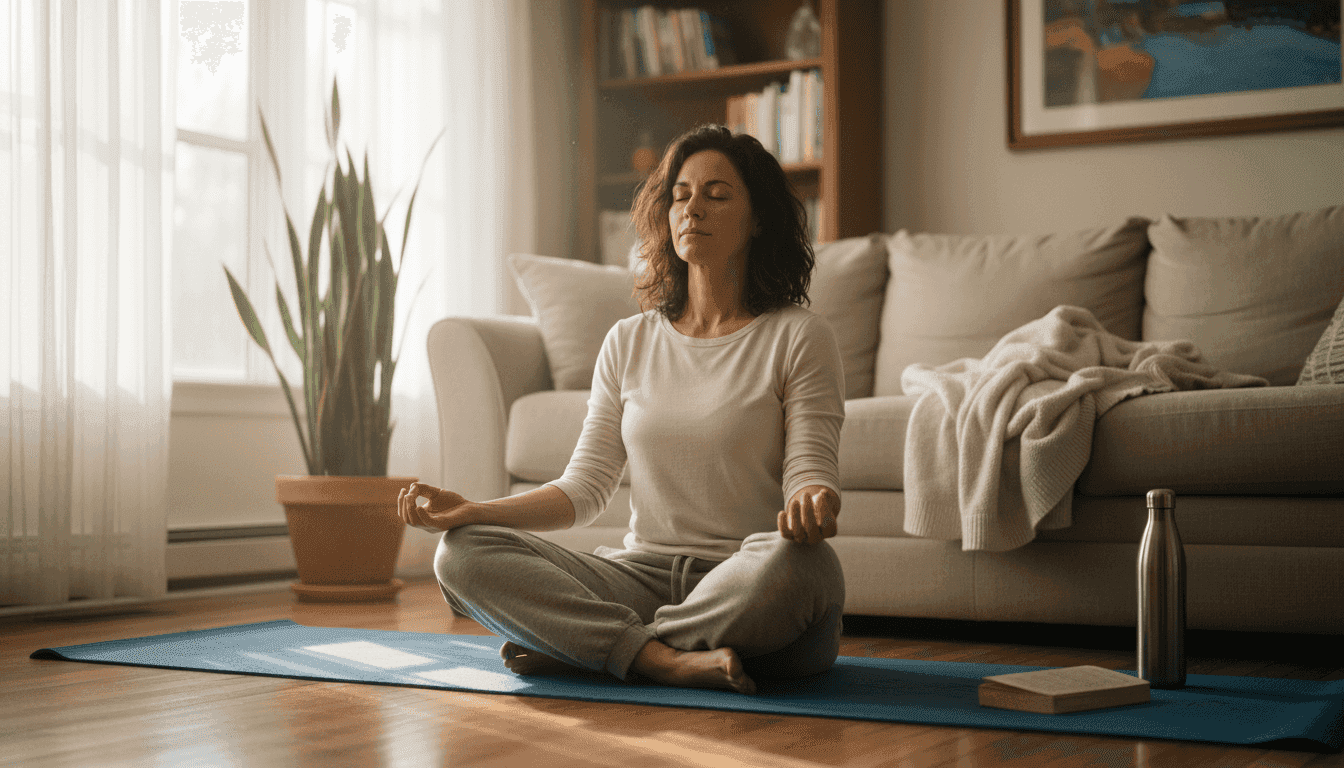
Trying to improve your health can feel overwhelming when you're constantly juggling stress, lack of sleep, and a packed schedule. It is easy to overlook how deeply habits like eating mindfully, getting restorative sleep, and managing stress can influence your whole body wellness. The real secret lies in focusing on simple daily actions that nurture both your physical and mental health—no complicated routines, no guesswork.
In this guide, you'll find practical strategies rooted in science to help you sleep better, nourish yourself with intention, and restore balance one step at a time. These actionable insights are designed to empower you with routines that work, supporting your healing, energy, and clarity each day. Get ready to simplify your path to wellness with steps you can start right now.
Table of Contents
- 1. Prioritize Sleep for Whole-Body Healing
- 2. Eat Mindfully for Balanced Nutrition
- 3. Incorporate Stress-Reducing Practices Daily
- 4. Move Your Body with Holistic Exercise
- 5. Embrace Natural Remedies for Pain Relief
- 6. Connect with Certified Holistic Practitioners
- 7. Cultivate Self-Awareness and Mindfulness
Quick Summary
| Takeaway | Explanation |
|---|---|
| 1. Prioritize Sleep Daily | Sleep is vital for physical and mental health, aiding healing and immune function. Aim for 7-9 hours each night. |
| 2. Practice Mindful Eating | Eating mindfully enhances nutritional intake and digestion, leading to better food choices without relying on willpower. |
| 3. Incorporate Daily Stress-Relief | Regular stress-reducing practices lower anxiety and enhance healing. Simple activities like breathing exercises can be effective. |
| 4. Move Your Body Regularly | Engage in enjoyable, holistic exercises like yoga or walking to boost physical health and mental well-being. |
| 5. Connect with Holistic Practitioners | Certified holistic practitioners provide personalized guidance, helping to address root causes of health issues for better outcomes. |
1. Prioritize Sleep for Whole-Body Healing
Sleep isn't a luxury or something you squeeze in when life allows. It's a biological necessity that sits alongside nutrition and exercise as a pillar of your health. When you consistently shortchange your sleep, you're undermining your body's ability to heal, restore, and function optimally.
Think of sleep as your body's maintenance cycle. During those hours when you're resting, your immune system strengthens, your muscles repair from daily activity, and your brain consolidates memories and processes emotions. Healthy sleep supports physical and mental health in ways that directly impact your pain levels, energy, mood, and long-term wellness outcomes.
What Makes Sleep Truly Restorative
Adequate sleep requires more than just time in bed. You need the right combination of elements working together:
- Sleep duration: Most adults need 7-9 hours nightly for optimal recovery
- Sleep quality: Reaching deep, restorative stages where healing accelerates
- Consistent timing: Going to bed and waking at similar times daily
- Sleep regularity: Maintaining this schedule even on weekends
- Freedom from disruptions: Minimizing wakefulness and sleep disorders
If you're managing chronic pain or working through health challenges, sleep becomes even more critical. Your body needs extended time to repair tissues and rebalance stress hormones that amplify discomfort.
Practical Steps to Improve Your Sleep Tonight
You don't need to overhaul everything at once. Start with one or two changes that feel manageable:
- Set a consistent bedtime 30 minutes earlier than usual
- Keep your bedroom cool, dark, and quiet
- Stop scrolling screens 60 minutes before sleep
- Avoid caffeine after 2 PM
- Practice a wind-down routine that calms your nervous system
Your sleep quality directly influences your body's ability to heal, manage pain, and maintain emotional balance.
Many people discover that once they prioritize sleep, other health improvements follow naturally. Better sleep strengthens immunity, reduces inflammation, and improves your body's response to other wellness practices like nutrition and exercise.
Pro tip: Create a "sleep sanctuary" by investing in blackout curtains, removing your phone from the bedroom, and keeping the temperature between 60-67°F—these three changes alone often produce noticeable improvements within a week.
2. Eat Mindfully for Balanced Nutrition
Most people eat on autopilot. You grab food, consume it quickly while distracted, and finish without really tasting or appreciating what you just ate. Mindful eating flips this entirely, transforming meals from a rushed checkbox into a conscious, nourishing experience.
When you eat mindfully, you're not just changing how you eat—you're changing what your body receives from food. Mindful eating improves nutritional intake and supports detoxification, mental health, and emotional balance. Your digestion improves, your satisfaction increases, and you naturally make better food choices without willpower alone.
The Science Behind Slowing Down
Your body needs time to register fullness. It takes about 20 minutes for your brain to receive the signal that you're satisfied. When you eat slowly and consciously, you eat less overall while enjoying food more fully.
Beyond digestion, mindful eating supports sustainable healthy habits by reducing overconsumption and encouraging whole foods. You become attuned to genuine hunger versus emotional eating, and you naturally gravitate toward foods that actually nourish you.
Three Ways to Start Practicing Mindful Eating
You don't need to meditate for hours or transform overnight. Small shifts create real change:
- Remove distractions: Put your phone away, turn off the TV, and focus entirely on your meal
- Engage your senses: Notice the colors, aromas, textures, and flavors of each bite
- Eat slowly: Chew thoroughly, put your fork down between bites, and notice when you're satisfied
These practices are especially powerful if you're managing chronic pain or emotional stress. When you slow down and savor your food, you activate your parasympathetic nervous system, which promotes healing and reduces inflammation.
Mindful eating transforms meals from mindless consumption into nourishing, intentional acts that support your whole body.
Pro tip: Start with just one meal per week where you practice full mindfulness—no screens, no rush—and notice how your digestion, mood, and satisfaction shift within days.
3. Incorporate Stress-Reducing Practices Daily
Stress doesn't just affect your mood—it physically impacts your body. When chronic stress goes unchecked, it amplifies pain, weakens immunity, disrupts digestion, and accelerates aging. The solution isn't avoiding stress entirely, but rather building daily practices that help you process and release it.
Incorporating stress-reducing practices into your daily routine isn't optional for holistic wellness. Lifestyle interventions including mindfulness and physical activity reduce symptoms of depression, anxiety, and stress. When practiced consistently, these approaches build resilience and create a buffer between you and life's inevitable pressures.
How Mindfulness Transforms Your Nervous System
Mindfulness practices such as mindful breathing and body scan meditation activate your parasympathetic nervous system. This is your body's natural relaxation response. Once activated, your heart rate slows, breathing deepens, and your body shifts from survival mode into healing mode.
The beauty of these practices is their accessibility. You don't need special equipment, hours per day, or a quiet meditation space. Even five minutes of focused breathing can shift your physiology.
Practical Stress-Reducing Practices to Start Today
Choose one or two that resonate with you and commit to practicing them daily:
- Mindful breathing: Inhale for four counts, hold for four, exhale for four. Repeat for five minutes.
- Body scan meditation: Mentally travel from your toes to your head, noticing sensations without judgment.
- Gentle movement: Walking, stretching, or slow yoga calm your nervous system naturally.
- Journaling: Writing down thoughts and feelings releases mental clutter and reduces anxiety.
- Time in nature: Spending time outdoors measurably reduces cortisol and elevates mood.
These practices work synergistically with sleep and nutrition. Together, they create a comprehensive stress management system that supports your entire wellness journey.
Daily stress-reducing practices don't just improve your mental health—they directly enhance your body's capacity to heal and manage chronic conditions.
Pro tip: Anchor your stress practice to an existing daily habit like morning coffee or evening wind-down, making it automatic rather than something you have to remember or motivate yourself to do.
4. Move Your Body with Holistic Exercise
Exercise isn't just about aesthetics or hitting step counts. Movement is medicine. When you move your body intentionally and consistently, you activate healing mechanisms that touch every system—cardiovascular, nervous, immune, and mental.
Holistic exercise goes beyond isolated workouts in a gym. It recognizes that regular physical activity improves cardiovascular health through reduced inflammation and enhanced metabolic function. It also acknowledges the profound role of community, enjoyment, and mind-body connection in creating sustainable, lasting results.
Movement as Medicine
Your body evolved to move. When you honor that through consistent physical activity, your entire physiology responds. Your heart strengthens, inflammation decreases, stress hormones balance, and your mood improves naturally.
But here's what many fitness programs miss: being active through group activities promotes mental wellness, stress reduction, and social bonding. The psychological benefits of movement often matter as much as the physical ones, especially for people managing chronic pain or emotional stress.
Types of Holistic Exercise That Work
You don't need high-impact workouts or exhausting gym sessions. What matters is consistency and choosing movement you actually enjoy:
- Yoga: Combines strength, flexibility, and breathwork while calming your nervous system
- Walking: Accessible, grounding, and excellent for cardiovascular health and mental clarity
- Tai Chi: Gentle, flowing movements that improve balance and reduce stress
- Swimming: Low-impact, full-body exercise that supports joint health
- Dancing: Joyful movement that engages your whole body and mind
- Group classes: Any activity done with others amplifies mental health benefits
The best exercise is the one you'll actually do. If you hate running, stop forcing yourself. Find movement that feels good in your body and brings you joy.
Movement is not punishment for eating—it's a celebration of what your body can do and a cornerstone of lifelong wellness.
Pro tip: Schedule exercise with a friend or join a group class so you have accountability and community, making consistency easier and enjoyment greater.
5. Embrace Natural Remedies for Pain Relief
If you're living with chronic pain, you've likely explored multiple solutions. Natural remedies offer a complementary approach that works alongside other treatments, addressing pain from multiple angles rather than relying on pharmaceuticals alone.
Holistic pain relief recognizes that pain isn't isolated to one area of your body. Holistic pain relief treats the whole person and includes natural strategies like anti-inflammatory foods, gentle movement, and mindfulness. When you address inflammation, stress, and movement patterns simultaneously, you create lasting relief rather than temporary suppression.
Natural Remedies with Real Impact
Essential oils such as lavender, rosemary, and peppermint have anti-inflammatory and analgesic effects. These aren't just pleasant-smelling add-ons. They contain compounds that actively reduce pain signals and support your body's healing response.
Beyond essential oils, nature offers multiple pathways to pain relief. What makes natural remedies powerful is that they often address the root cause of pain rather than just masking symptoms.
Evidence-Based Natural Pain Relief Strategies
These approaches have research backing their effectiveness:
- Anti-inflammatory foods: Turmeric, ginger, and fatty fish reduce systemic inflammation naturally
- Essential oils: Lavender for relaxation, peppermint for localized relief, rosemary for circulation
- Herbal teas: Chamomile, ginger root, and turmeric promote internal healing
- Topical remedies: Arnica, CBD balms, and heat therapy provide localized relief
- Movement practices: Gentle yoga and stretching address pain caused by tension and stiffness
Many people find that combining several natural approaches creates synergistic effects. A warm turmeric tea plus gentle movement plus mindfulness often works better than any single strategy alone.
Natural remedies work with your body's healing intelligence rather than against it, creating sustainable pain relief without the side effects of pharmaceuticals.
Pro tip: Start by adding one anti-inflammatory food and one essential oil to your routine, then track your pain levels over two weeks to measure what actually works for your unique body.
6. Connect with Certified Holistic Practitioners
Navigating holistic wellness alone is challenging. Working with a certified holistic practitioner transforms your health journey by providing personalized guidance, accountability, and evidence-based approaches tailored to your unique needs and goals.
The right practitioner becomes your partner in healing. They understand your whole health picture—physical symptoms, emotional stress, lifestyle patterns—and create comprehensive treatment plans that address root causes rather than just symptoms. This personalized approach is what separates truly transformative wellness from generic advice.
Why Certification and Credentials Matter
Not all practitioners are equally qualified. Seeking out accredited holistic practitioners with recognized credentials ensures you're working with someone who has met rigorous professional standards. Accreditation means the practitioner has completed extensive training, adheres to ethical guidelines, and stays current with evidence-based practices.
Professional organizations like ICAHP and IPHM support holistic practitioners globally by maintaining high standards and promoting accountability. When you choose an accredited practitioner, you gain confidence that your care meets professional benchmarks.
How to Find the Right Practitioner for You
Finding a qualified practitioner involves more than a quick search. Consider these factors:
- Credentials and accreditation: Look for recognized certifications and memberships in professional organizations
- Specialization: Find practitioners experienced with your specific health concerns, whether that's chronic pain, stress, or digestive issues
- Communication style: You need someone you feel comfortable opening up to and who listens carefully to your concerns
- Treatment approach: Ensure their methods align with your wellness philosophy and health goals
- Experience level: Consider how long they've practiced and their track record with clients like you
You can access verified holistic practitioners in your area to compare qualifications, read reviews, and book consultations easily. Many practitioners offer initial consultations so you can assess compatibility before committing.
A certified holistic practitioner doesn't replace your primary care—they complement it, offering specialized expertise and personalized attention that creates breakthrough health results.
Pro tip: Schedule consultations with 2-3 practitioners before deciding, asking about their approach to your specific health concern and how they measure progress over time.
7. Cultivate Self-Awareness and Mindfulness
Self-awareness is the foundation of all meaningful change. When you understand your patterns, triggers, and body's signals, you gain the power to respond consciously rather than react automatically. Mindfulness is the practice that builds this awareness, transforming how you experience your body, emotions, and health.
Most people move through life on autopilot, unaware of the constant signals their body sends. Mindfulness-based interventions that cultivate self-awareness improve emotional regulation and resilience. This heightened awareness helps you catch stress before it accumulates, notice pain patterns before they worsen, and make choices aligned with your wellness goals.
The Power of Present Moment Awareness
Mindfulness practices enhance the connection between physical and mental health, fostering self-awareness and emotional regulation. When you're truly present, you're not rehashing the past or worrying about the future. You're here, now, able to respond to what actually needs your attention.
This simple shift has profound effects. You notice when you're holding tension. You recognize emotional patterns. You become attuned to what truly nourishes you versus what drains you.
Practical Ways to Develop Self-Awareness Daily
You don't need to sit in meditation for hours. Self-awareness develops through consistent, small practices:
- Body scans: Spend two minutes noticing sensations from head to toe without judgment
- Pause and reflect: Before meals, ask yourself what you truly need right now
- Journaling: Write freely about thoughts and feelings without censoring
- Mindful observation: Notice your surroundings, thoughts, and feelings during daily activities
- Self-inquiry: Regularly ask yourself "What am I feeling?" and "Why might that be?"
These practices create a feedback loop. The more aware you become, the better choices you make. The better choices you make, the more results you see, which deepens your commitment to awareness.
Self-awareness is not self-criticism—it's compassionate observation that enables you to understand your needs and honor your healing journey.
Pro tip: Keep a simple "awareness journal" where you note one physical sensation, one emotion, and one thing you're grateful for each evening, building the mindfulness muscle over time.
Below is a comprehensive table summarizing the main strategies for holistic wellness as discussed in the article.
| Main Topic | Key Points | Benefits |
|---|---|---|
| Sleep for Healing | Ensure 7-9 hours of high-quality sleep regularly; maintain a consistent sleep schedule; create a "sleep sanctuary" with blackout curtains and a cool environment. | Restorative sleep improves immune function, reduces inflammation, and supports emotional balance. |
| Mindful Eating | Engage senses during meals, eat slowly, and reduce distractions like screens; emphasize whole foods. | Enhances digestion, reduces overconsumption, and promotes emotional well-being. |
| Stress Management | Incorporate mindfulness practices like breath exercises, body scans, time in nature, journaling, and gentle movement. | Lowers cortisol levels, promotes relaxation, and improves resilience against stress. |
| Holistic Exercise | Choose enjoyable physical activities such as walking, swimming, yoga, or group classes for regular participation. | Boosts cardiovascular health, enhances mood, and supports sustainable wellness. |
| Natural Pain Relief | Utilize anti-inflammatory foods, essential oils, herbal teas, and gentle movement; apply topical remedies like arnica or CBD. | Addresses pain sources holistically, providing sustainable relief without side effects. |
| Partnering with Practitioners | Work with accredited holistic practitioners who offer tailored wellness plans based on personal health needs. | Provides guidance, accountability, and access to professional expertise. |
| Developing Self-Awareness | Practice body scans, mindful observation, journaling, and self-inquiry daily. | Cultivates mindfulness, supports emotional regulation, and aligns choices with wellness goals. |
Empower Your Holistic Wellness Journey Today
The article highlights key challenges such as managing chronic pain, improving sleep quality, reducing stress, and embracing mindful nutrition while emphasizing the power of natural remedies and certified holistic guidance. These pain points reflect a desire for personalized, evidence-based support to truly transform your health using integrative approaches like mindfulness, movement, and whole-body care.
Go Holistic is designed to meet these exact needs by connecting you with certified and verified holistic practitioners trained in diverse therapies including acupuncture, massage, and Ayurveda. Our AI-driven platform analyzes your unique health concerns and recommends treatments backed by scientific research found in our extensive natural remedy library. Whether you want to prioritize restorative sleep or incorporate daily stress reduction, our trusted professionals offer personalized care that complements your lifestyle goals.
Discover holistic practitioners verified for quality and expertise and explore treatments that support your journey to balanced nutrition, pain relief, and mindful living. Take the first step toward lasting wellness by scheduling your consultation today and unlock the natural healing your body deserves.
Frequently Asked Questions
What are the key components of holistic wellness?
Holistic wellness encompasses several key components, including proper sleep, balanced nutrition, stress reduction, physical movement, natural remedies for pain relief, and self-awareness. To begin, assess each area of your life and make small, sustainable changes, such as prioritizing sleep and incorporating mindful eating practices.
How can I improve my sleep quality?
Improving sleep quality requires creating a consistent bedtime routine and optimizing your sleep environment. Aim to enhance your space by keeping it cool, dark, and quiet, while also establishing a regular sleep schedule by going to bed and waking up at the same times each day.
How can I practice mindful eating?
To practice mindful eating, focus entirely on your meal without distractions. Start by removing your phone and television, and engage your senses by noticing the colors, textures, and flavors in your food, which can help improve digestion and satisfaction.
What daily practices can help reduce stress?
Incorporating mindfulness practices into your daily routine can significantly reduce stress. Start with simple actions like mindful breathing for five minutes or gentle movement such as stretching, and aim to integrate these into your day-to-day life for improved emotional and physical health.
How do I choose a holistic practitioner?
When selecting a holistic practitioner, ensure they have recognized accreditation and specialization in your specific health concerns. Schedule consultations with a few practitioners to discuss their approaches, and choose someone whose communication style and methodology resonate with your wellness goals.
What natural remedies can help with chronic pain?
Numerous natural remedies can assist with chronic pain, including anti-inflammatory foods such as turmeric and ginger, essential oils like lavender and peppermint, and gentle movement practices. Start by incorporating one anti-inflammatory food and one essential oil into your routine, then track your pain levels to gauge effectiveness.
Recommended
- Holistic Health Treatments | goholistic
- Go Holistic - Your Path to Holistic Wellness | Alternative Medicine Platform
- Find Holistic Health Providers | Go Holistic
- Health & Wellness Blog | GoHolistic
- 7 Essentials for a Complete Dental Care Checklist 2025 – Stop Oral Care
- 7 Proven Vitamin Supplement Advantages for UK Fitness Fans – ElevateSupplements
- 7 Key Benefits of Food Intolerance Testing for Wellbeing